Gift Etiquette in Rwanda: Host Gifts, Holidays and Good Manners
In Rwanda a modest food gift, a respectful greeting and accepting what you're offered matter more than price. Here is what to bring, what to avoid and how gifting works at holidays and in business.
We independently research every pick. If you buy through our links we may earn a small commission, at no extra cost to you. Affiliate disclosure.
Quick answer
In Rwanda, visiting is an act of respect and food is at the heart of hospitality. Bring a modest, shareable gift such as fruit, pastries, juice or sweets for the children, and accept whatever food or drink you are offered. Greet people warmly but formally, show deference to elders, and don't pack gifts in plastic bags: they are banned and confiscated on arrival. New Year, Christmas, weddings and the Umuganura harvest festival are the main times for gifts and sharing.
- Host gift Fruit, pastries, juice, sweets for children
- Don't refuse Food or drink your host offers
- Wrapping Paper or cloth, never plastic bags
- Big gift times New Year, Christmas, weddings, Umuganura
Most Rwandans are Christian, mainly Catholic and Protestant, including a sizable Adventist community, and there is a small Muslim minority. Kinyarwanda is spoken almost everywhere, with English and French also official. Life in Kigali can feel very different from rural hill villages, so use these tips as general guidance and follow your host's lead.
What to give
Hospitality runs deep in Rwanda. Guests traditionally get the best seat and the first choice of food and drink, and visitors are often sent home with food as a gift. Your own gift can be small; what matters is the visit and the respect it shows.
For a host
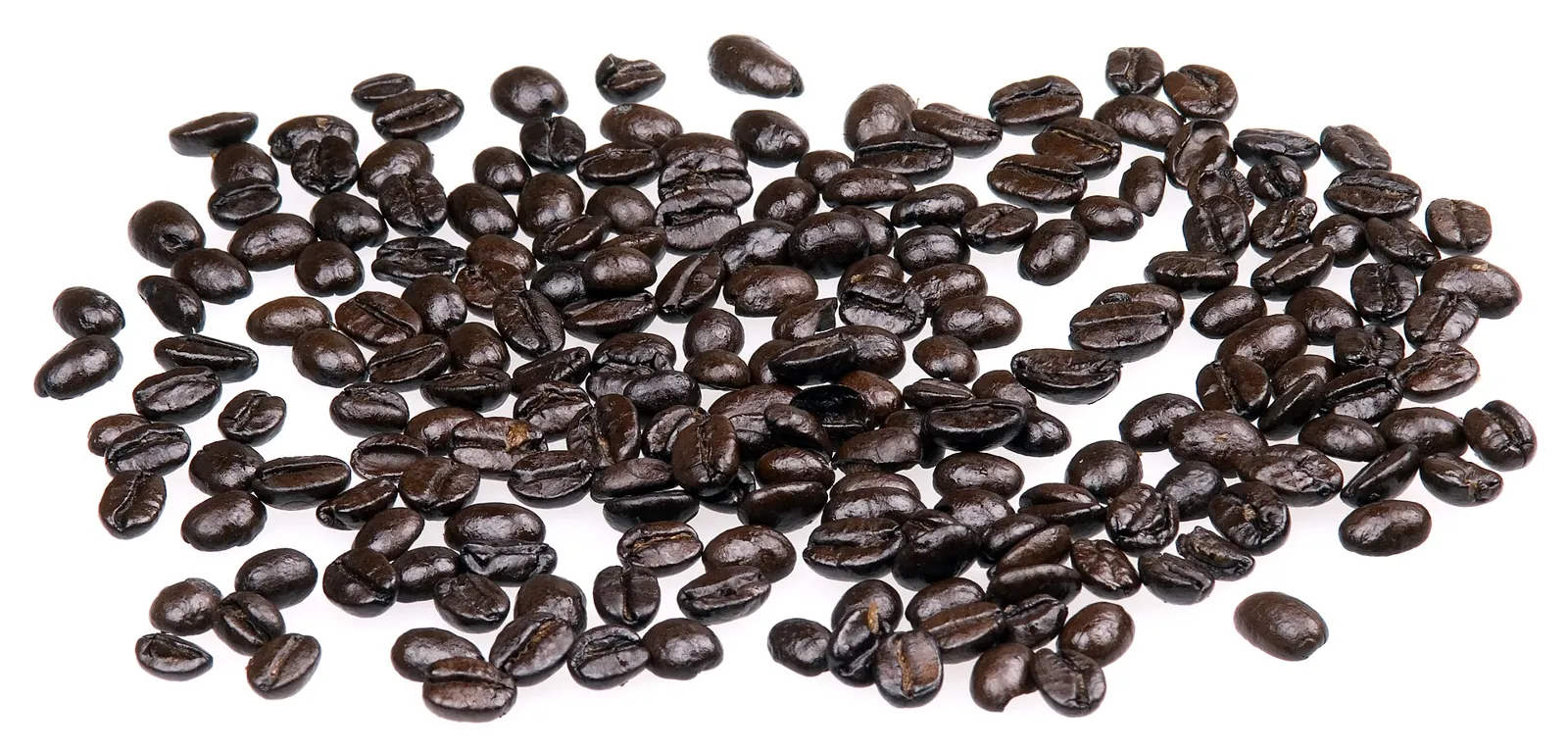
Fruit, pastries, a cake, juice or a box of good tea or coffee are easy choices the family can share. Rwanda grows excellent tea and coffee, so if you are bringing something from abroad, choose a specialty from your own country instead. Bring alcohol only if you know the family drinks; many Rwandan Christians, including Adventists, abstain, and Muslim families do not drink.
For friends, in-laws and families with children
For closer relationships, a quality household item, a nice piece of fabric or a well-made accessory shows care. For children, sweets, books or school supplies are welcome. For elders, practical, good-quality gifts presented with clear respect go a long way.
Fruit, pastries or a cake
Why it works: Food is central to Rwandan hospitality and easy for the whole household to share.
Skip it if: your hosts are Muslim and you can't confirm a bakery's ingredients; choose fruit or labeled sweets.
A specialty food from your home country
Why it works: Something your hosts can't easily buy locally sparks conversation and feels personal.
Skip it if: it is tea or coffee; Rwanda produces its own highly regarded crops.
Books, sweets or school supplies for children
Why it works: Thoughtful toward the family without being extravagant.
Skip it if: you mean to hand sweets or money to children you meet on the street; that is discouraged.
A quality household item or fabric
Why it works: A practical, well-made gift suits in-laws and close friends, and works for a family New Year visit.
Skip it if: it is a novelty item with no everyday use.
More shareable ideas are in our food gifts guide.
What to avoid
- Refusing food or drink. Turning down what a host offers has traditionally been considered a grave insult. Accept at least a taste.
- Plastic bags. Plastic bags have been banned by law since 2008 and are confiscated at the airport or other points of entry. Pack gifts in paper, cloth or boxes.
- Alcohol by default. Banana and sorghum beer are traditional at celebrations, but many families abstain. Ask first.
- Talking about ethnicity or the 1994 genocide against the Tutsi. These subjects are very sensitive. Don't raise them, and never make them part of a gift, joke or toast.
- Giving money or sweets to children who ask. Begging is strongly discouraged; give through a family, school or registered charity instead.
- Pointing with one finger. Point with your whole hand instead.
How to give and receive
- Greet formally. Handshakes are almost universal. When greeting an elder or someone of higher rank, many Rwandans extend the right hand while touching the right forearm with the left hand as a sign of respect. Close friends may embrace.
- Use your right hand, supported by the left, or both hands to give and receive. It mirrors the respectful handshake and is always polite.
- Learn a few words. Mwaramutse (good morning), Mwiriwe (good afternoon or evening) and Urakoze (thank you) are appreciated.
- Accept food to take home. Hosts often send visitors home with food; accept it graciously.
- Expect indirect answers. A direct "no" is rare. If a host hesitates about a gift or plan, read the signals rather than pushing.
- Keep wrapping simple and plastic-free. Paper, fabric or a reusable bag works well; see our gift wrapping ideas.
Holidays and occasions
New Year (January 1 and 2)
New Year has traditionally been the most important holiday for Rwandan families, who gather for a meal and exchange gifts. Both January 1 and 2 are public holidays. Food, drinks and gifts for the household are all appropriate if you are invited.
Christmas (December 25) and Boxing Day (December 26)
Both are public holidays and center on church and family. Gifts for children and food for shared meals are typical contributions.
Umuganura (first Friday of August)
Umuganura, the national harvest or first-fruits festival, is a public holiday held on the first Friday of August. It is an old tradition in which families share their harvest with neighbors, and foods such as sorghum and banana beer are shared between young people and elders. Bringing food to share is in keeping with the day.
Eid al-Fitr and Eid al-Adha (dates vary)
Both Eids are public holidays and follow the Islamic lunar calendar, so the dates change each year. If Muslim friends invite you, sweets, dates or fruit are good gifts.
Commemoration period (from April 7)
April 7 marks the start of the commemoration of the genocide against the Tutsi, followed by an official week of mourning. It is a solemn time; avoid planning parties or celebratory gifts during that week. Liberation Day (July 4) and Independence Day (July 1) are civic holidays rather than gift-giving occasions.
Weddings
Most couples now choose their own partners, but family approval is still expected, and traditional ceremonies between the two families come before the wedding. At celebrations, guests are served food and drink, often including sorghum or banana beer shared from a common pot. If you are invited, bring a gift; see our wedding section for ideas.
Business gifting
Business customs in Rwanda are broadly similar to those in the United States: suits are common, business cards are exchanged in meetings, and English and French are both used. Direct refusals are rare, so a polite, positive response does not always mean agreement. A modest gift, such as a quality item from your home country or something for the team to share, is a courteous gesture once a relationship exists.
Rwanda takes gift rules for officials seriously. According to a 2018 New Times report, public officials who accept gifts worth more than Rwf 100,000 for the sake of politeness should declare them to the Office of the Ombudsman. Keep gifts to officials small or skip them, and remember that anti-bribery laws in your home country may also apply. See our business gifts section for more.
Frequently asked questions
What should I bring to a Rwandan home?
A modest food gift to share, such as fruit, pastries, juice or sweets for the children. Bring alcohol only if you know your hosts drink.
Can I bring gifts in plastic bags to Rwanda?
No. Plastic bags are banned and confiscated at points of entry. Use paper, cloth or boxes.
Is it rude to refuse food in Rwanda?
Yes. Refusing food or drink a host offers has traditionally been considered a serious insult; accept at least a little.
When do Rwandans exchange gifts?
New Year is traditionally the main family gift occasion, along with Christmas and weddings. Umuganura in August is about sharing food with neighbors.
Can I give a gift to a Rwandan government official?
Keep it very small or don't give one. Officials are expected to declare gifts above a set value to the Ombudsman, and anti-bribery laws apply.
Exploring the region? See our guides to Kenya, Uganda and Tanzania, or browse all country etiquette guides.
Sources
- Countries and Their Cultures (Every Culture) — Culture of Rwanda. everyculture.com
- World Travel Guide — Rwanda history, language and culture. worldtravelguide.net
- Visit Rwanda — Plastic ban. visitrwanda.com
- International Trade Administration — Rwanda Country Commercial Guide: Business Travel. trade.gov
- KT Press — Umuganura first fruits festival, 2023. ktpress.rw
- The New Times — When should a public official accept gifts? newtimes.co.rw
Image credits. Top image: Rwandan-Coffee-Beans by Evan-Amos, CC0 1.0, via Wikimedia Commons · In-article image: Agaseke Nyarwanda by Puerta25, CC BY-SA 4.0, via Wikimedia Commons
Spotted something out of date or a gift that's no longer available? Tell our editors — we review every correction.




