Gift etiquette in Bulgaria: flowers, name days and martenitsi
Odd-numbered flowers, a bottle for the host and a red-and-white martenitsa in March: here is how gift-giving works in Bulgaria, from home visits to name days.
We independently research every pick. If you buy through our links we may earn a small commission, at no extra cost to you. Affiliate disclosure.
Quick answer
When invited to a Bulgarian home, bring flowers for the hostess and, where appropriate, a good bottle of wine or spirits for the host. Give an odd number of flowers and avoid chrysanthemums, lilies and gladioli, which are associated with funerals. Gifts are generally opened when received. Name days can matter as much as birthdays, and on March 1 Bulgarians give each other martenitsi, red-and-white tokens of health and spring.
- Safe host gift Flowers (odd number), wine, chocolates, pastries
- Typical budget $15 – $45
- Avoid Chrysanthemums, lilies, gladioli; even numbers
- Opening Usually right away
Hospitality is central to Bulgarian social life. Guests may be offered generous amounts of food, wine and rakia (fruit brandy), and hosts often take pride in homemade food, garden produce and their own wine or spirits. Gifts should be thoughtful rather than expensive; what counts is showing you appreciate the welcome.
What to give
For a host
The classic combination is flowers for the hostess and a bottle for the host. Quality chocolates or pastries work for any household.
An odd-numbered bouquet
Why it works: Flowers are the expected gift for the hostess when you visit a home.
Skip it if: The bouquet includes chrysanthemums, lilies or gladioli, or has an even number of stems.
A good bottle of wine or spirits
Why it works: Bulgaria has a long wine tradition, and a quality bottle from your home region gives you something to toast and talk about.
Skip it if: Your host doesn't drink, or comes from a Muslim family that may not; choose chocolates instead.
Quality chocolates, pastries or dried fruit
Why it works: A universally welcome gift that also suits business contacts and name-day visits.
Skip it if: You are bringing the dessert your host has planned; check first.
For friends, coworkers and in-laws
For in-laws and close friends, a thoughtful gift tied to their interests, something for the home, or a specialty from your country all go down well. For coworkers, chocolates or sweets to share are the norm, especially on a name day. Keep things modest; overly expensive gifts can embarrass. Our food gifts guide has ideas.
What to avoid
- Even numbers of flowers. Social bouquets should have an odd number of stems.
- Chrysanthemums, lilies and gladioli, which are associated with funerals.
- Overly expensive gifts, which can feel inappropriate, especially in business.
- Reading a nod as "yes." Bulgarian head gestures for yes and no can be the opposite of what visitors expect, though usage varies. Confirm in words.
- Buying your own martenitsa. By tradition, martenitsi are given as gifts, not bought for yourself.
How to give and receive
- Hand over your gift when you arrive, flowers to the hostess and the bottle to the host.
- Expect it to be opened right away, and open gifts you receive in front of the giver.
- Wait to be shown your seat, and let the eldest person begin eating first.
- Take a modest first portion so you can accept seconds.
- Leave a little in your glass if you don't want it refilled; glasses are topped up often.
- Keep your hands visible at the table, without resting your elbows on it.
If a host invites you to a restaurant, they may expect to pay. Meals often run long, and lingering is part of the hospitality.
Holidays and occasions
Baba Marta Day (March 1)
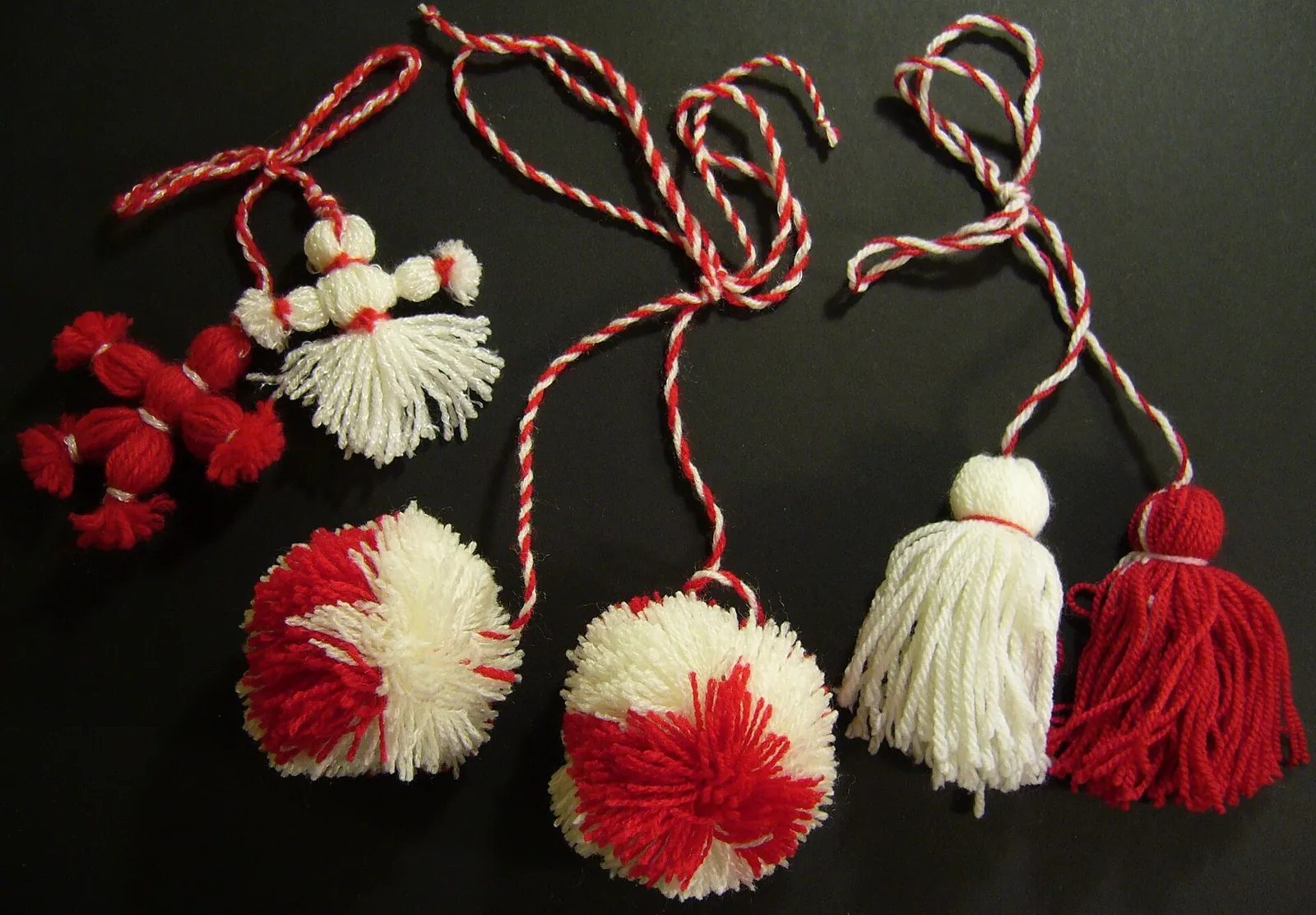
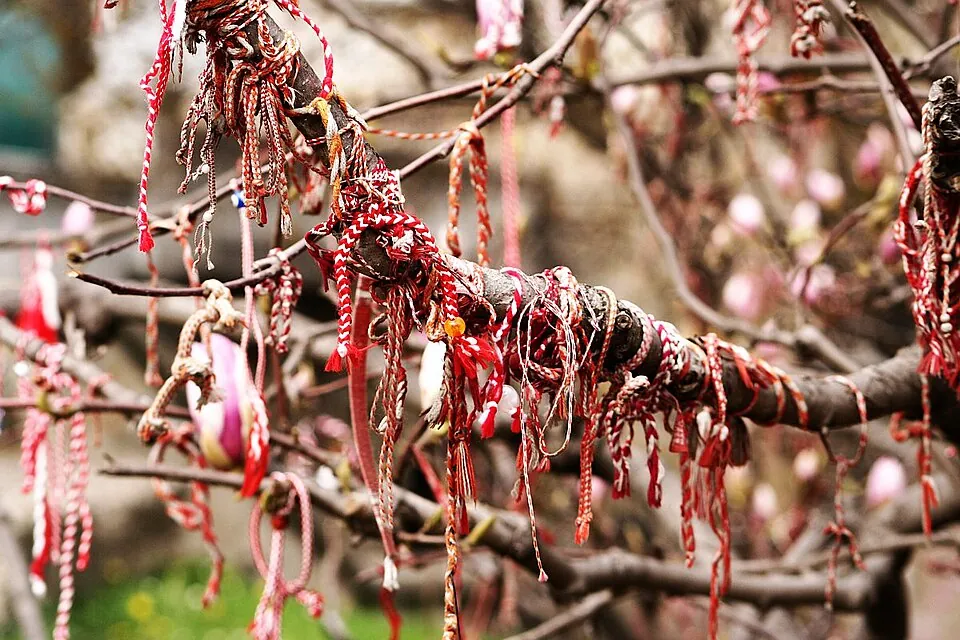
On March 1, Bulgarians give martenitsi, red-and-white adornments made of thread, to family, friends and colleagues. People pin them to their clothes or tie them around a wrist and wear them until they see a sign of spring, such as a stork, a swallow or a blossoming tree, or by the end of March. Some then tie the martenitsa to a fruit tree. The custom is recognized by UNESCO as intangible cultural heritage. Handing out simple martenitsi to coworkers and friends is a lovely way to join in.
Name days
Name days, the feast days of the saints people are named after, are often celebrated as seriously as birthdays. Traditionally, everyone who knows the celebrant is welcome without an invitation, and the person celebrating often treats others; children may bring sweets and chocolates to school. A small gift or flowers is a kind gesture if a friend or colleague is celebrating.
Christmas and New Year
Bulgaria celebrates Christmas on December 25, with the main family gathering on Christmas Eve. The Christmas Eve table traditionally has an odd number of dishes, often 7, 9 or 11, and is meat-free; meat returns on Christmas Day. The gift-bringer is Dyado Koleda (Grandfather Christmas). See our Christmas gift ideas.
Other occasions
Orthodox Easter, church weddings and baptisms remain important family events, and Trifon Zarezan celebrates wine and the vineyards. Ask a friend what is usual for weddings and baptisms, as customs vary by family.
Business gifting
Business gifts in Bulgaria are optional. Small, tasteful gifts are appreciated once a relationship exists: branded items, quality chocolates, wine, pastries or dried fruit all work. They are usually opened when received. Avoid anything lavish, and follow your company's policy and the anti-bribery laws that apply to you, particularly with public officials. Business cards translated into Bulgarian, and addressing people by title and surname until invited otherwise, make a good impression. Our business gifts guide has more ideas.
Frequently asked questions
What should I bring to a Bulgarian home?
Flowers in an odd number for the hostess and, if appropriate, a good bottle of wine or spirits for the host. Chocolates are a safe alternative.
Which flowers should I avoid in Bulgaria?
Chrysanthemums, lilies and gladioli, which are associated with funerals, and any even-numbered bouquet.
What is a martenitsa?
A red-and-white thread adornment given on March 1 for health and the coming of spring, worn until you see a stork, swallow or blossoming tree.
Do Bulgarians celebrate name days?
Yes, often as seriously as birthdays. Well-wishers traditionally don't need an invitation, and small gifts or flowers are welcome.
Do Bulgarians open gifts in front of you?
Usually yes. Gifts are generally opened when they are received.
Browse more guides in countries, including neighboring Greece and Turkey.
Sources
- Commisceo Global — Bulgaria country guide. commisceo-global.com
- UNESCO Intangible Cultural Heritage — Cultural practices associated to the 1st of March. ich.unesco.org
- Wikipedia — Martenitsa. en.wikipedia.org
- Wikipedia — Name day. en.wikipedia.org
- Why Christmas — Christmas in Bulgaria. whychristmas.com
Image credits. Top image: Martenitsa-hand-made by Petko Yotov ( user:5ko ), CC BY-SA 3.0, via Wikimedia Commons · In-article image: Martenitsa magnolia by Danielgrad, CC BY-SA 4.0, via Wikimedia Commons
Spotted something out of date or a gift that's no longer available? Tell our editors — we review every correction.




