Gift etiquette in Bolivia: host gifts, taboos and Alasita
Flowers or pastries for your hosts, no yellow or purple blooms, and miniatures for luck at Alasita: a practical guide to gift-giving in Bolivia.
We independently research every pick. If you buy through our links we may earn a small commission, at no extra cost to you. Affiliate disclosure.
Quick answer
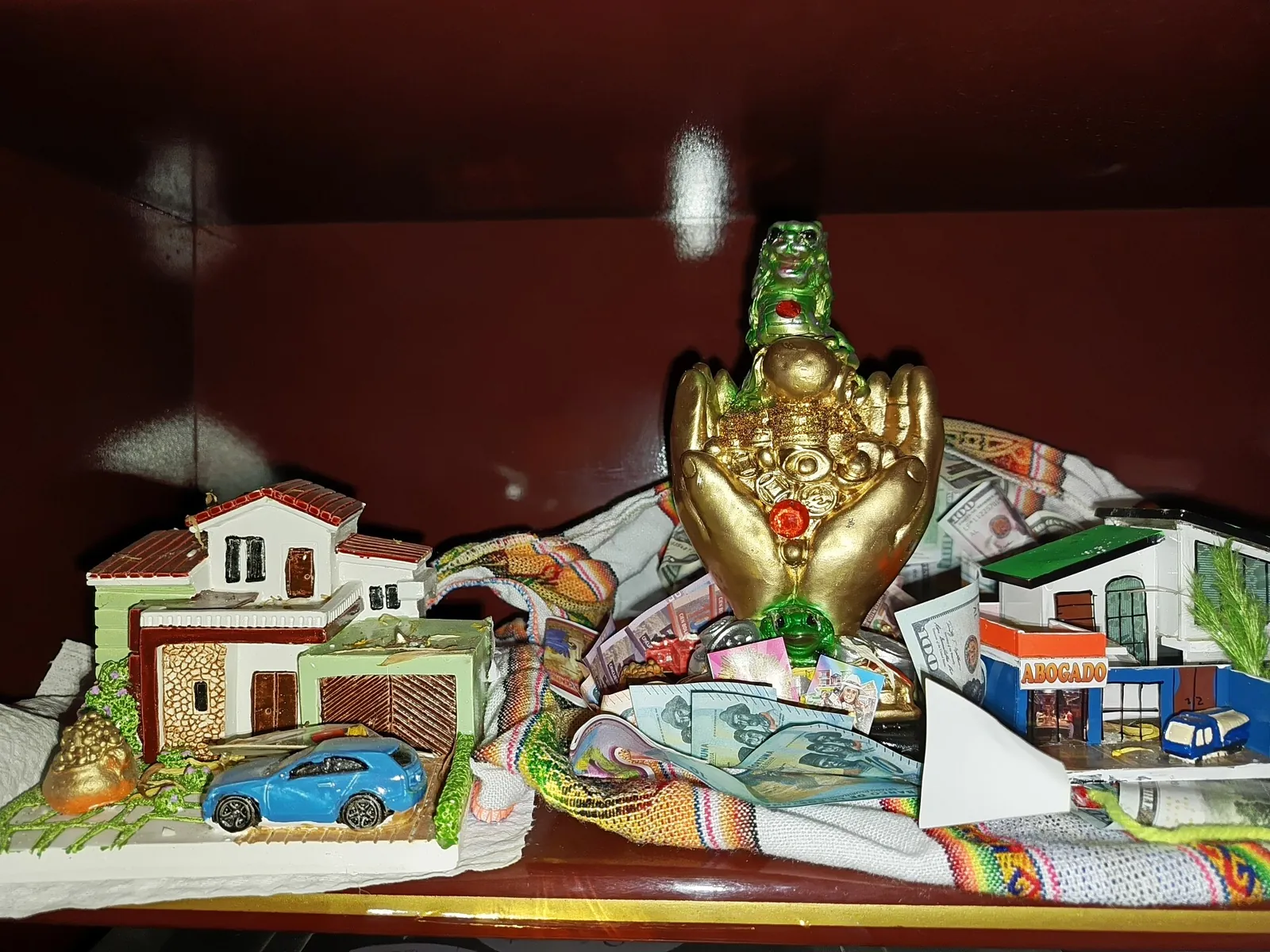
A home invitation in Bolivia is a meaningful gesture, so bring a small gift: flowers, pastries, sweets, chocolates or a bottle of spirits. Choose quality over price, avoid yellow or purple flowers and don't give knives or scissors. Gifts are usually not opened when you hand them over. Expect to stay well after the meal. In La Paz, the Alasita fair, which starts on January 24, is a uniquely Bolivian gift occasion built around miniatures that represent wishes for the year.
- Host gift Flowers, pastries, chocolates or spirits
- Budget $10 – $40
- Avoid Yellow or purple flowers; knives and scissors
- Unique occasion Alasita, La Paz, from January 24
What to give
Bolivia is diverse, from Aymara and Quechua communities in the highlands to the lowland cities, and family customs vary. Across the country, gifts are meant to be thoughtful and social rather than extravagant.
Flowers for the host
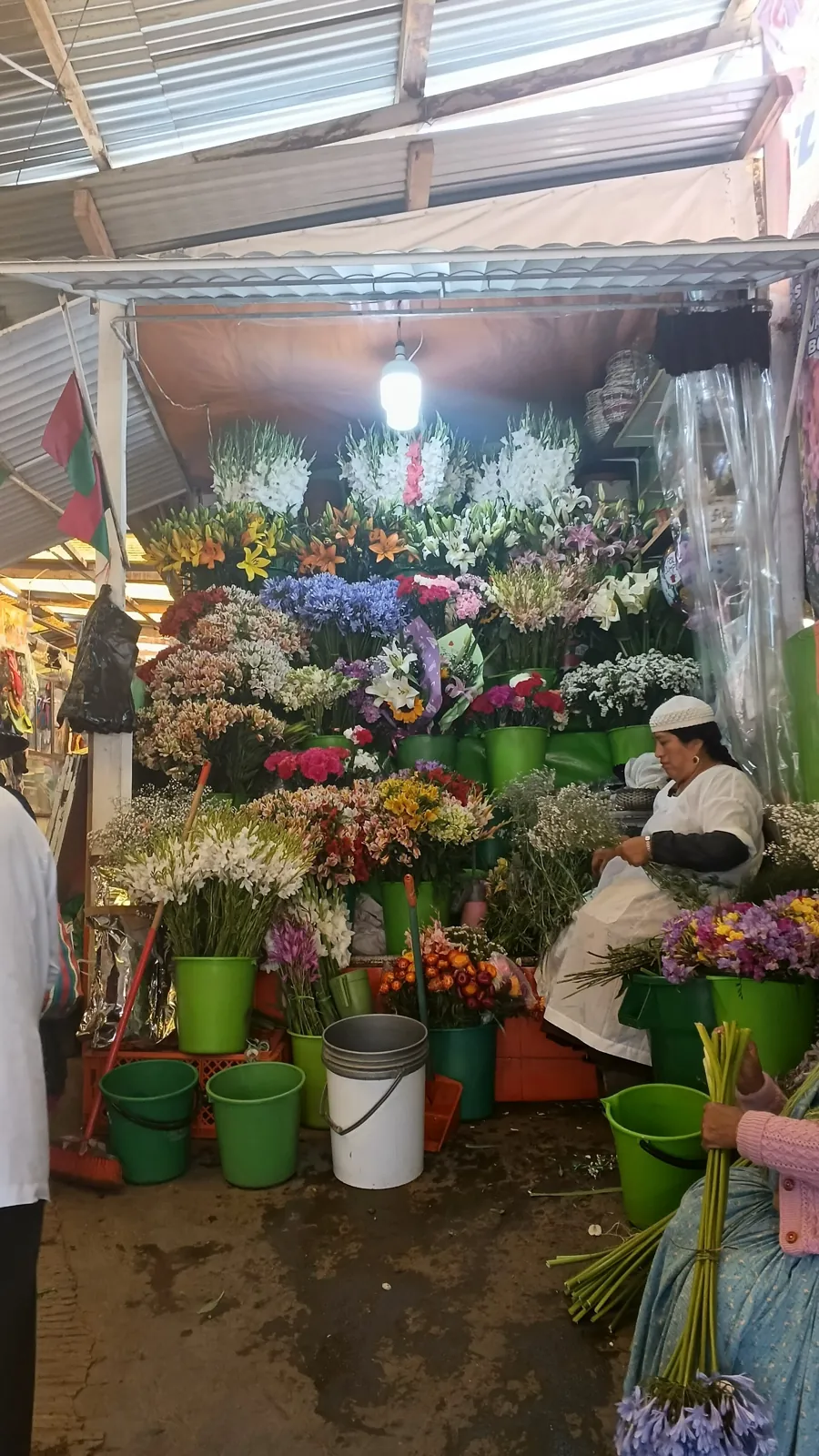
Why it works: A bouquet is a standard, appreciated gift when you're invited to someone's home.
Skip it if: it contains yellow or purple flowers, which are best avoided.
Pastries, sweets or chocolates
Why it works: Easy to share after a meal and suitable for households with children.
Skip it if: you know the family avoids sugar; flowers are an easy swap.
A bottle of good spirits or wine
Why it works: Spirits are among the suggested host gifts and suit the toasting at Bolivian tables.
Skip it if: you know the hosts don't drink.
A small gift from your home country
Why it works: A regional treat or small craft from home is personal and shows effort.
Skip it if: it's expensive; quality and thought matter more than price.
For ideas that pack well, see our food gifts guide, and our Peru gift etiquette guide for a neighboring Andean country.
What to avoid
- Yellow or purple flowers. Commisceo Global advises avoiding them as gifts.
- Knives or scissors. Sharp objects are best avoided as gifts.
- Extravagant gifts. They can embarrass your hosts; a modest, considerate gift makes a better impression.
- Leaving right after the meal. Staying on to talk is part of the experience.
- Heavy business talk at social events. Keep dinner invitations social.
How to give and receive
- Don't expect gifts to be opened on the spot. They are usually set aside and opened later.
- Arrive a little late for social meals. Arriving 20 to 30 minutes after the stated time is common.
- Wait for the host to invite everyone to eat and to make the first toast; "salud" is the usual toast.
- Accept food and drink graciously. Guests are generally served first.
- Greet with a handshake and "buenos días," "buenas tardes" or "buenas noches," and use titles where you know them.
Holidays and occasions
Alasita (from January 24)
Alasita is a fair and ritual in La Paz that begins on January 24 and lasts two to three weeks. People buy "good luck" miniatures that represent their wishes for the year, then have them blessed by Andean ritual specialists or in church. The miniatures are linked to Ekeko, a figure of abundance. People also exchange miniatures, including to symbolically settle debts. UNESCO inscribed the ritual journeys of Alasita on its list of Intangible Cultural Heritage in 2017. A blessed miniature makes a charming, inexpensive gift for a friend.
Christmas and Epiphany
The main Christmas celebrations are on December 24. Many Catholics attend Misa del Gallo, the midnight Mass, and then share picana, a stew of several meats served with potatoes and corn. Nativity scenes are set up in homes and churches. Presents are traditionally exchanged at Epiphany on January 6, although gift-giving is not as big a part of Bolivian Christmas as in some countries. Bring a dessert or a bottle to a holiday meal. See our Christmas guides for more ideas.
Business gifting
Business meetings in Bolivia are formal in tone but flexible in structure, and decisions are rarely finalized in the room. Greet with a handshake and eye contact, exchange business cards (ideally with one side in Spanish) and be patient. Gifts aren't central to business; if you give one, keep it modest and considerate, such as a quality item from your home country, rather than expensive. Follow both organizations' policies and remember that anti-bribery laws in your home country may apply. Our business gifts guide has low-risk ideas.
Frequently asked questions
What should I bring to a Bolivian home?
Flowers, pastries, sweets, chocolates or a bottle of spirits. Avoid yellow or purple flowers.
Are gifts opened right away in Bolivia?
Usually not. Gifts are typically set aside and opened later.
What is the Alasita fair?
A La Paz tradition starting January 24 in which people buy and bless miniatures representing their wishes, linked to Ekeko, a figure of abundance.
When do Bolivians exchange Christmas presents?
Traditionally at Epiphany on January 6, though gift-giving is modest; Christmas Eve is the main family celebration.
Sources
- Commisceo Global — Bolivia: Language, Culture, Customs and Etiquette. commisceo-global.com
- UNESCO Intangible Cultural Heritage — Ritual journeys in La Paz during Alasita. ich.unesco.org
- WhyChristmas.com — Christmas in Bolivia. whychristmas.com
Image credits. Top image: Artesanía de alasitas by Los PEPERS, CC BY-SA 4.0, via Wikimedia Commons · In-article image: Puesto de flores en el mercado de Chasquipampa La Paz Bolivia by MaiMariela, CC BY-SA 4.0, via Wikimedia Commons
Spotted something out of date or a gift that's no longer available? Tell our editors — we review every correction.




