Gift etiquette in Austria: flowers, host gifts and Christmas Eve
A modest, well-wrapped gift and an odd-numbered bouquet are the Austrian way. Learn which flowers to avoid and how Christmas gifting works.
Quick answer
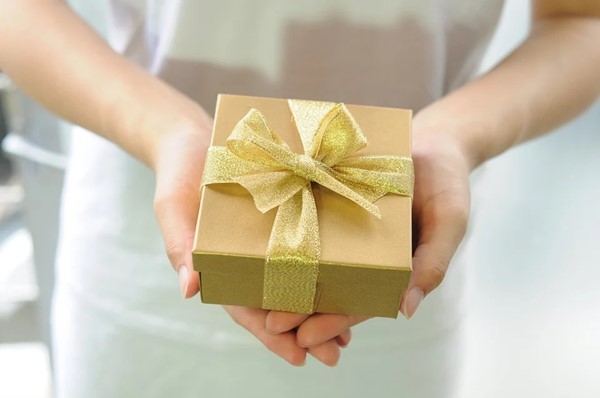
When invited to an Austrian home, bring a modest, nicely wrapped gift such as chocolates, flowers, wine or a small handcrafted item, and arrive on time. Give flowers in an odd number (a dozen is the accepted exception) and avoid red carnations, lilies and chrysanthemums. Gifts are usually opened right away. At Christmas, presents are exchanged on the evening of December 24.
- Safe host gift Chocolates, flowers, wine, a small handcrafted item
- Typical budget $15 – $40
- Flowers Odd numbers (12 is the exception); no red carnations, lilies or chrysanthemums
- Christmas gifts Evening of December 24, brought by the Christkind
Austrians tend to appreciate quality, good manners and a degree of formality, particularly with people they don't know well. An invitation into the home suggests a level of trust, and the gift you bring is part of honoring it. Modesty is the key: extravagant presents can feel awkward.
What to bring
Host gifts
Guests are usually expected to bring flowers, chocolates, alcohol or a small gift, and a handcrafted item is also a nice option. Good chocolates or a bottle of wine from your home region are easy choices. Keep it modest.
Flowers
Flowers are a classic host gift, with a few rules. Give an odd number of stems; a dozen is the accepted exception. Avoid red carnations, lilies and chrysanthemums. A neatly wrapped bouquet of seasonal flowers in an odd count is a safe bet.
Gifts for children
Some people bring a small gift for their friends' children rather than for the adults, which is a thoughtful option when visiting a family. Married adult children also often bring a small gift when visiting their parents.
For close friends
Quality over quantity works well: one well-made item, such as a good book, a piece of tableware or a regional specialty from where you live, is better than several small trinkets. For more ideas, see our gift ideas.
What to avoid
- Even-numbered bouquets (other than 12).
- Red carnations, lilies and chrysanthemums. Etiquette guides advise leaving these out of host bouquets.
- Extravagant gifts. They can embarrass the recipient.
- Arriving late or unannounced. Turning up without arranging a visit in advance is seen as rude, and punctuality matters.

How to give and receive
- Wrap gifts nicely. Presentation matters.
- Expect gifts to be opened on the spot, and open those you receive in front of the giver.
- Greet everyone in the room when you arrive, and stand when an older or senior person enters.
- Say thank you. A short note or message after a dinner is appreciated; our card message ideas can help.
Visiting an Austrian home
Arrive on time and dress neatly. In many homes guests take off their shoes at the door; the host may offer slippers, or you can stay in your socks. Remain standing until your host shows you where to sit.
At the table, keep your hands visible with wrists resting on the table edge, but keep your elbows off. Wait until everyone is served and the host says "Mahlzeit" or "Guten Appetit" before eating. The host gives the first toast; make eye contact and say "Prost!" Finish what is on your plate, though a polite refusal of a second helping is fine.
Hosts usually offer guests the best seat and something to drink, such as water, tea, coffee or juice, soon after arrival. Midday was traditionally the main meal, although many working people now eat their main meal in the evening. If someone invites you out to a restaurant instead, the person who issued the invitation usually pays, and arguing over the bill is generally not welcome; return the favor by inviting them next time, or with a small thank-you gift.
Holidays and occasions
Advent and St. Nicholas
The Christmas season starts on the first Sunday of Advent, with a candle lit on the Advent wreath each Sunday. St. Nicholas has his own day on December 6 and is a separate figure from Father Christmas; around the same time, Krampus accompanies him in many regions, including the well-known Krampus runs.
Christmas Eve
December 24 is the main celebration. The tree is lit that evening, and presents are brought not by Father Christmas but by the Christkind, the Christ Child. If you are invited to spend Christmas Eve with an Austrian family, bring a small gift for the hosts and, if there are children, something modest for them too. Find more in our Christmas guides.
Other occasions
Birthdays, weddings, christenings and housewarmings are the other main gift occasions.
Business gifts
Austrian business culture values punctuality, preparation and formality, so gifts should be small and tasteful, if given at all. A good-quality item from your home country, a book or fine chocolates are appropriate, ideally once you have built a relationship. Austria, like other EU countries, has strict anti-corruption laws, and public officials in particular are restricted in what they may accept, so keep values low and follow your company's policy. If you also work with German partners, see our guide to gift etiquette in Germany.
Frequently asked questions
How many flowers should I give in Austria?
An odd number of stems. A dozen is the accepted exception.
Which flowers should I avoid in Austria?
Red carnations, lilies and chrysanthemums.
Do Austrians open gifts right away?
Yes, gifts are usually opened when received.
When do Austrians exchange Christmas presents?
On the evening of December 24, when the Christkind brings the presents. St. Nicholas Day on December 6 is a separate occasion.
Sources
- The Cultural Atlas — Austrian Culture: Etiquette. theculturalatlas.org
- Commisceo Global — Austria: Language, Culture, Customs and Etiquette. commisceo-global.com
- Austrian National Tourist Office — Christmas traditions in Austria. austria.info
Spotted something out of date or a gift that's no longer available? Tell our editors — we review every correction.