How to make sugar scrub to give as a gift
Sugar, oil and a pretty jar are all it takes. Here is how to get the texture right, which oils and scents to choose, and how to keep a homemade scrub fresh and safe.
Quick answer
A basic sugar scrub is just sugar and oil, with an optional drop or two of skin-safe fragrance. Mix roughly two parts sugar to one part oil, adjust until it feels like wet sand, and pack it into a clean, dry jar with a tight lid. Keep water out of the jar to slow mold, skip fresh fruit or juice, and tell the recipient that the oil will make the shower floor slippery.
- Time About 15 minutes
- Difficulty Very easy
- Cost About $8 – $20 for several jars
- Makes About 2 cups, enough for two or three 8 oz jars
Sugar scrub is the handmade gift for people who think they cannot make anything. There is no heating, no special equipment and almost nothing to go wrong. A pretty jar and a good label do most of the presentation work, and you can make a batch the night before you need it.
Choosing your sugar and oil
Sugar
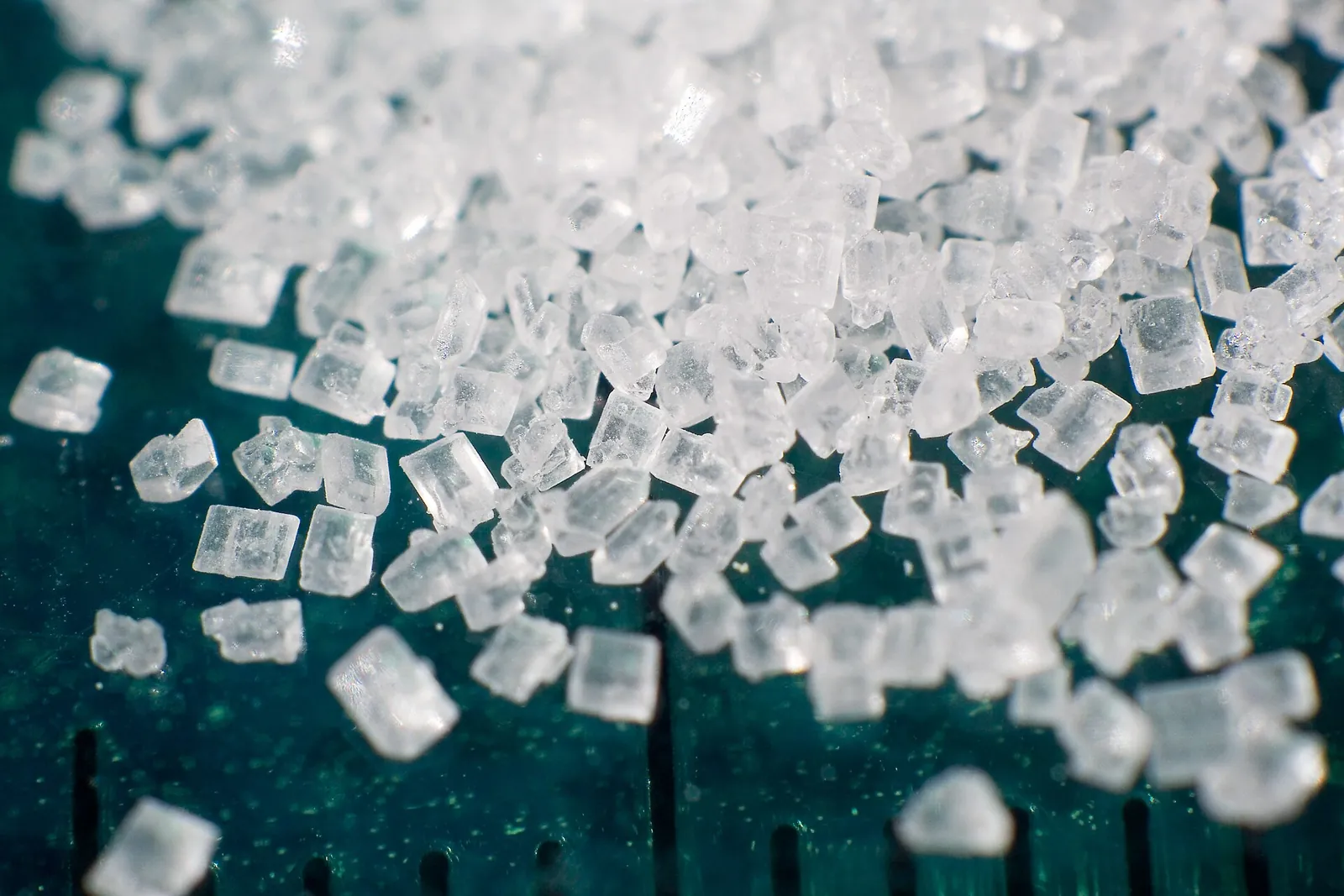
Plain white granulated sugar gives a firm, sparkly scrub. Brown sugar is softer and gentler, which many people prefer for body use. Very coarse sugars can feel harsh. Sugar scrubs are generally meant for the body, hands and feet rather than the face, where skin is more delicate.
Oil
Choose a light, skin-friendly oil you know the recipient tolerates. Fractionated coconut oil stays liquid; regular coconut oil goes solid in a cool room and soft in a warm one, which changes the texture. Sweet almond oil is popular but is a tree-nut product, so skip it for anyone with nut allergies and list it on the label. Sunflower, grapeseed, jojoba and light olive oil also work. Oils go rancid over time; fresher oil means a longer-lasting scrub, and adding vitamin E oil can slow rancidity but will not stop mold.
Scent and extras
Add fragrance or essential oil sparingly and only products labeled skin-safe for body use. Citrus essential oils can make some people's skin more sensitive to sunlight, so they suit wash-off products better than leave-on ones and are still worth using lightly. Ground spices like cinnamon can irritate skin; vanilla extract adds water and alcohol, so leave it out. Dried lavender buds or a little zest dried completely can add color, but anything fresh adds moisture.
What you need
- 2 cups sugar (white, brown or a mix)
- About 1 cup oil, plus a little extra to adjust
- Skin-safe fragrance or essential oil (optional)
- Vitamin E oil (optional, to slow oil rancidity)
- Mixing bowl and spoon, fully dry
- Clean, completely dry glass jars with airtight lids
- Small wooden or plastic scoop for each jar
- Labels and ribbon or twine
How to make sugar scrub
Start with clean, dry tools
Wash jars, lids, bowl and spoon in hot soapy water and let them dry completely. Even a few drops of water left in a jar can let mold grow later.
Measure the sugar
Pour the sugar into the bowl and break up any clumps, especially with brown sugar.
Add oil gradually
Pour in about three-quarters of the oil and stir. Keep adding a spoonful at a time until the mix feels like wet sand: it should hold together when pressed but not sit in a pool of oil. Many people end up near a 2:1 sugar-to-oil ratio, but texture matters more than the exact number.
Scent it lightly
Add fragrance a few drops at a time and stir well. Follow the supplier's maximum for body products. A scrub should smell pleasant from the jar, not overpowering.
Jar it up
Spoon the scrub into the jars, pressing gently to remove air pockets. Leave a little space under the lid so it does not spill when opened. Wipe the rims and close tightly.
Label and finish
Write the scent, ingredients and the date made on each label. Tuck a small scoop into the lid or tie it to the jar.
Tip: Sugar settles and oil rises over time. A quick stir before use brings it back, so mention that on the tag.
Safety and storage notes
- Keep water out: The U.S. Food and Drug Administration notes that dipping fingers into a product adds bacteria and fungi, and that moisture in places like bathrooms helps them grow. Commercial scrubs usually contain preservatives; a homemade oil-and-sugar scrub has none. Suggest using a dry scoop rather than wet fingers.
- Use it up: Give scrub fresh and suggest using it within a few months. Throw it out if it smells rancid, changes color or shows any spots of mold.
- Slippery floors: Oil makes tubs and shower floors slick. Rinse the floor after use and take care stepping out.
- Skin care: Scrub gently and avoid broken, sunburned or irritated skin. Patch test a new scent first. Anyone with sensitive skin may prefer an unscented version.
- Allergies: List every ingredient. Nut oils, citrus and fragrance are common reasons someone might pass.
Gift packaging ideas
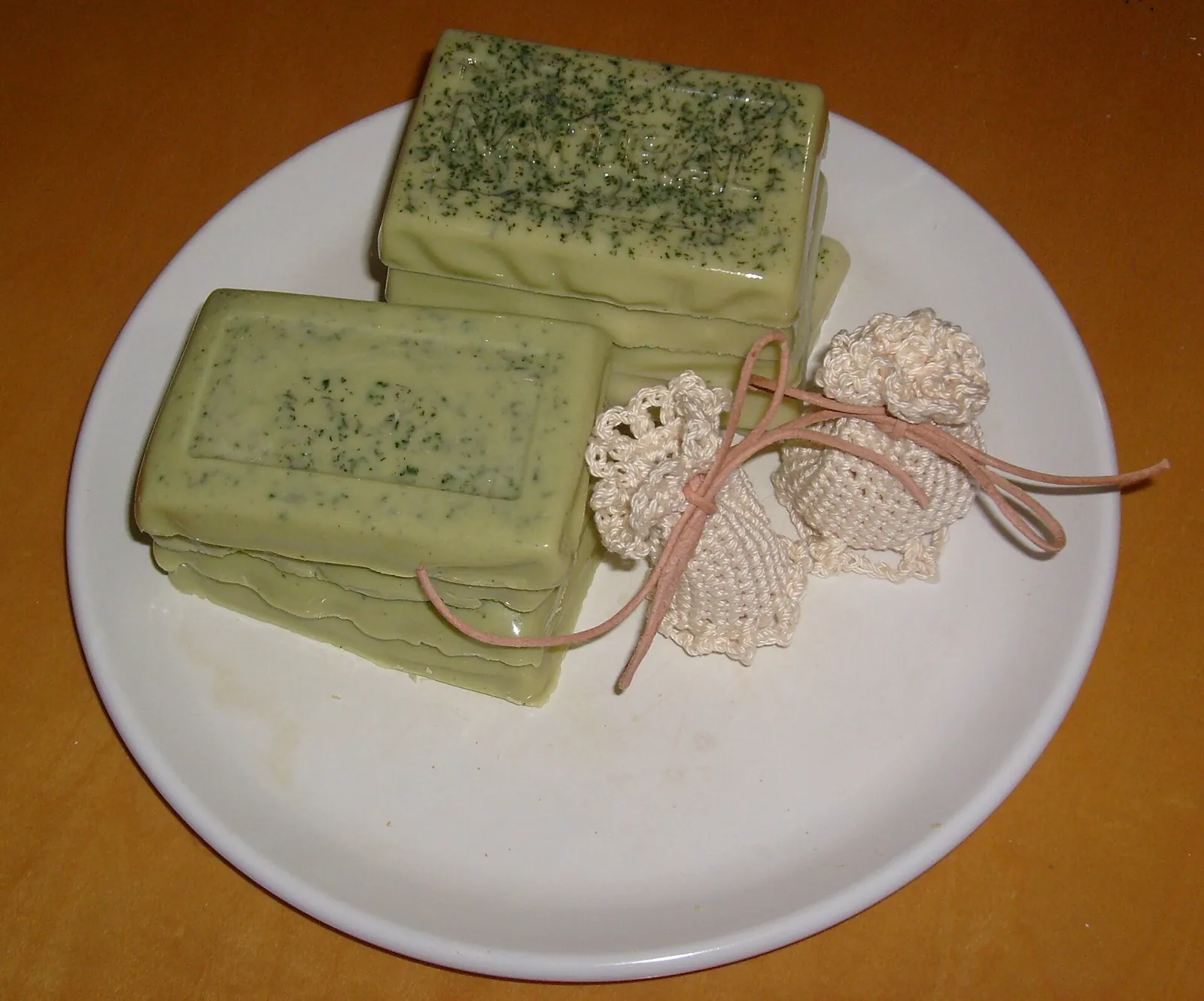
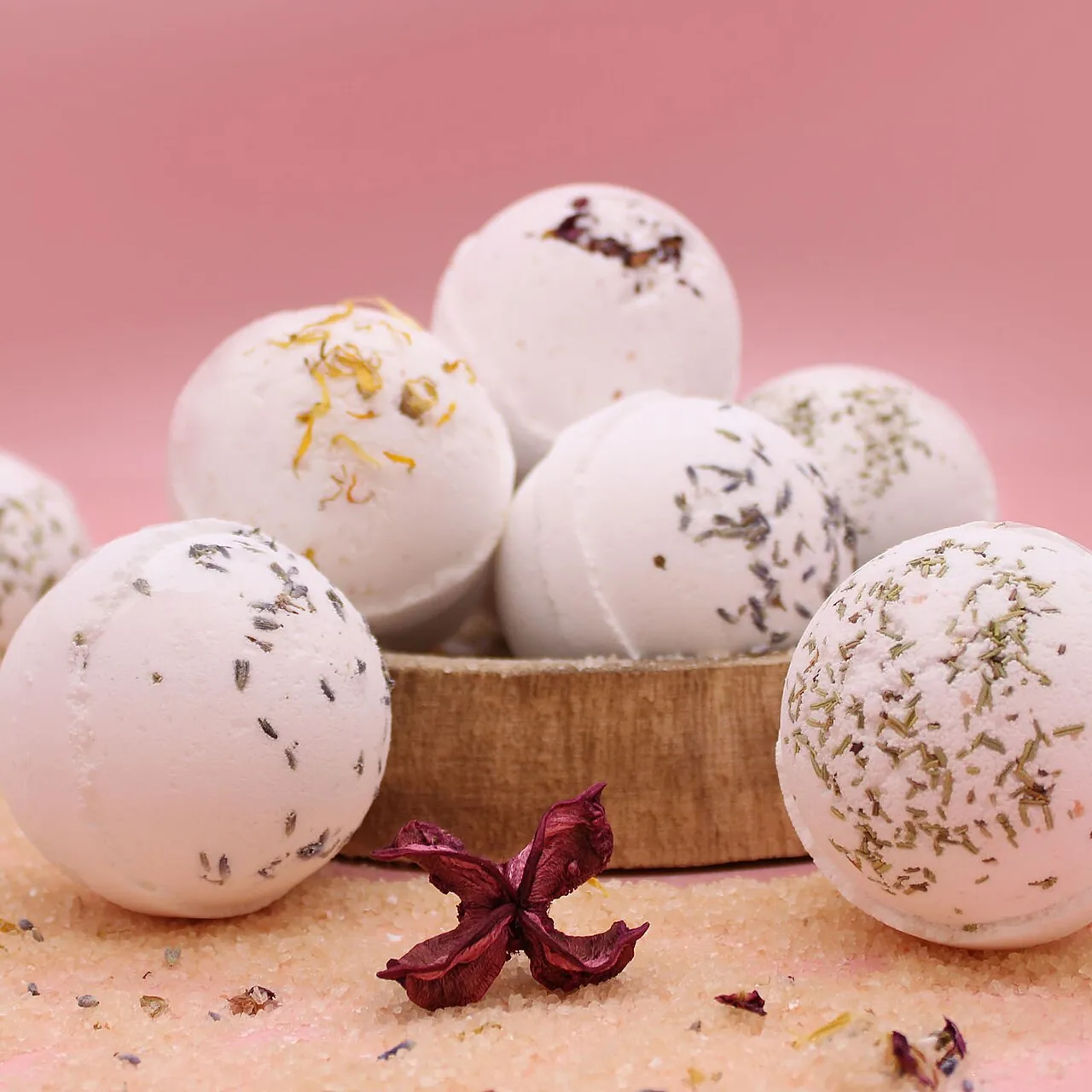
Small glass jars with metal or bamboo lids look the most giftable. Add a round label on the lid, a tag with use and storage notes, and a ribbon or twine bow. For a themed set, pair a peppermint scrub with a candy-cane ribbon at the holidays, or a lavender scrub with a bar of melt-and-pour soap for a calm bath set. Sugar scrub also slots neatly into a spa gift basket alongside homemade bath bombs. It is an easy pick for teacher gifts or coworker swaps when you need several at once.
Frequently asked questions
How long does homemade sugar scrub last?
There is no fixed shelf life for a homemade, preservative-free scrub. Kept dry and sealed, oil-and-sugar scrubs usually stay pleasant for a few months; the oil going rancid is the usual limit. Use it sooner if water has gotten into the jar.
Can I use sugar scrub on my face?
Body scrubs are usually too coarse for facial skin. If someone wants a face scrub, a very fine sugar and a gentle touch are better, and anyone with acne or sensitive skin should check with a dermatologist.
Can I add honey or fresh fruit?
Fresh fruit, juice and other watery ingredients make a scrub spoil quickly and are best left out of gifts. A small amount of honey is used in some recipes, but it adds stickiness and is still best in a scrub used within a short time.
Coconut oil or another oil?
Regular coconut oil solidifies when cool, which some people like and others find hard to scoop. Fractionated coconut, sunflower or grapeseed oil stay liquid at room temperature.
For more bath and body projects, see our candles and soap section.
Sources
- U.S. Food and Drug Administration — Shelf Life and Expiration Dating of Cosmetics. fda.gov
Image credits. Top image: Sugar 2xmacro by Lauri Andler (Phantom), CC BY-SA 3.0, via Wikimedia Commons
Spotted something out of date or a gift that's no longer available? Tell our editors — we review every correction.