How to make bath bombs that hold together and fizz
Bath bombs take baking soda, citric acid and a little patience with moisture. Here is how to get a firm, fizzy result, stay safe with citric acid, and package them as gifts.
Quick answer
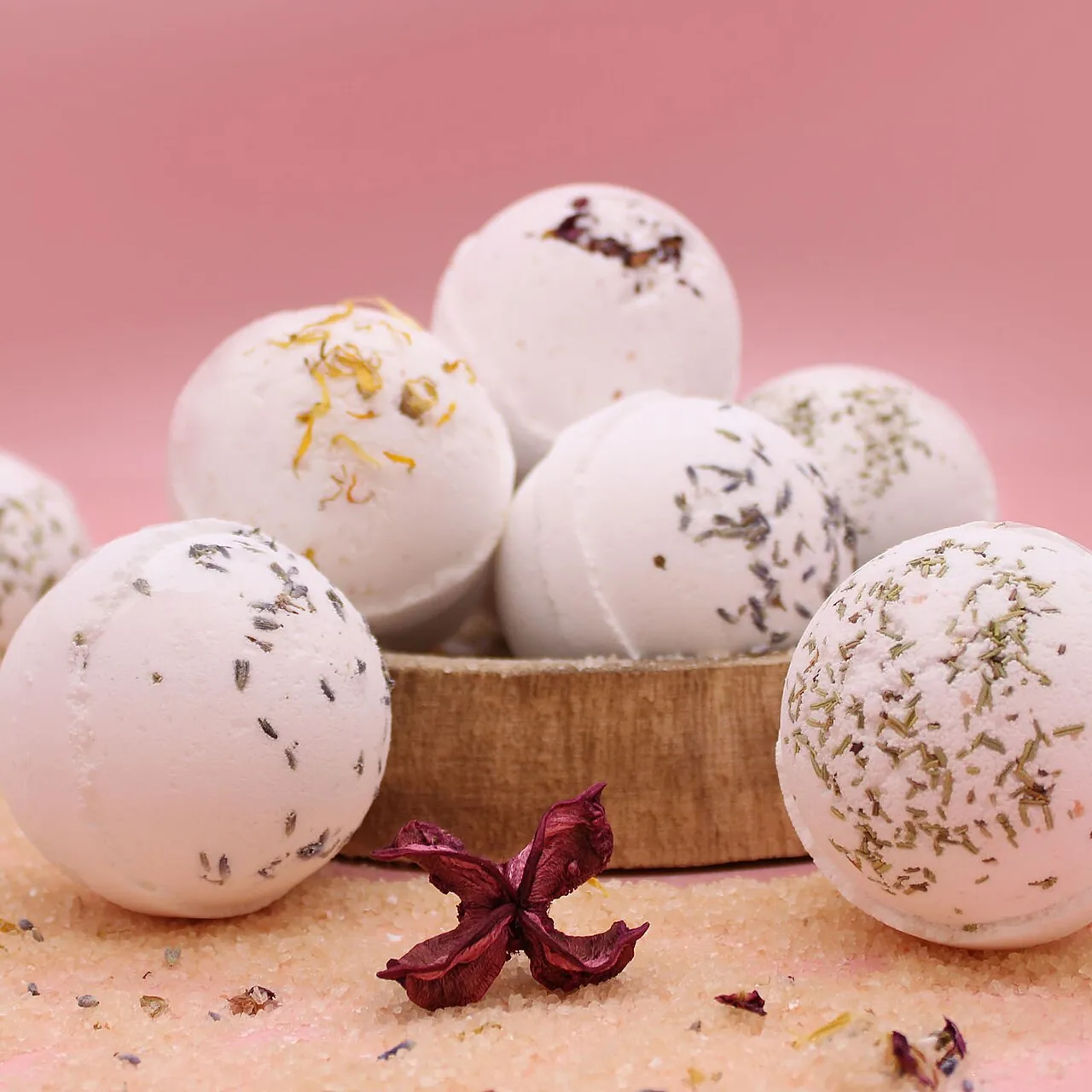
Bath bombs are a mix of baking soda and citric acid, bound with a little oil and a light mist of liquid, packed into a mold and left to dry. When they hit bath water, the two powders react and release carbon dioxide, which makes the fizz. The tricky part is moisture: add liquid a spritz at a time so the mix holds together without fizzing early. Citric acid is an eye irritant, so wear gloves, avoid touching your face, and keep powders away from eyes.
- Time About 30 – 45 minutes, plus at least 24 hours to dry
- Difficulty Easy to moderate (getting the texture right takes practice)
- Cost About $15 – $30 for ingredients and molds
- Makes About 6 – 10 bath bombs, depending on mold size
A homemade bath bomb is a cheerful, low-cost gift that feels like a treat. You choose the scent, the color and the shape, and a batch makes enough for several people. The process is quick once you understand how the mix should feel, and the ingredients are mostly grocery and craft-store staples.
How bath bombs work
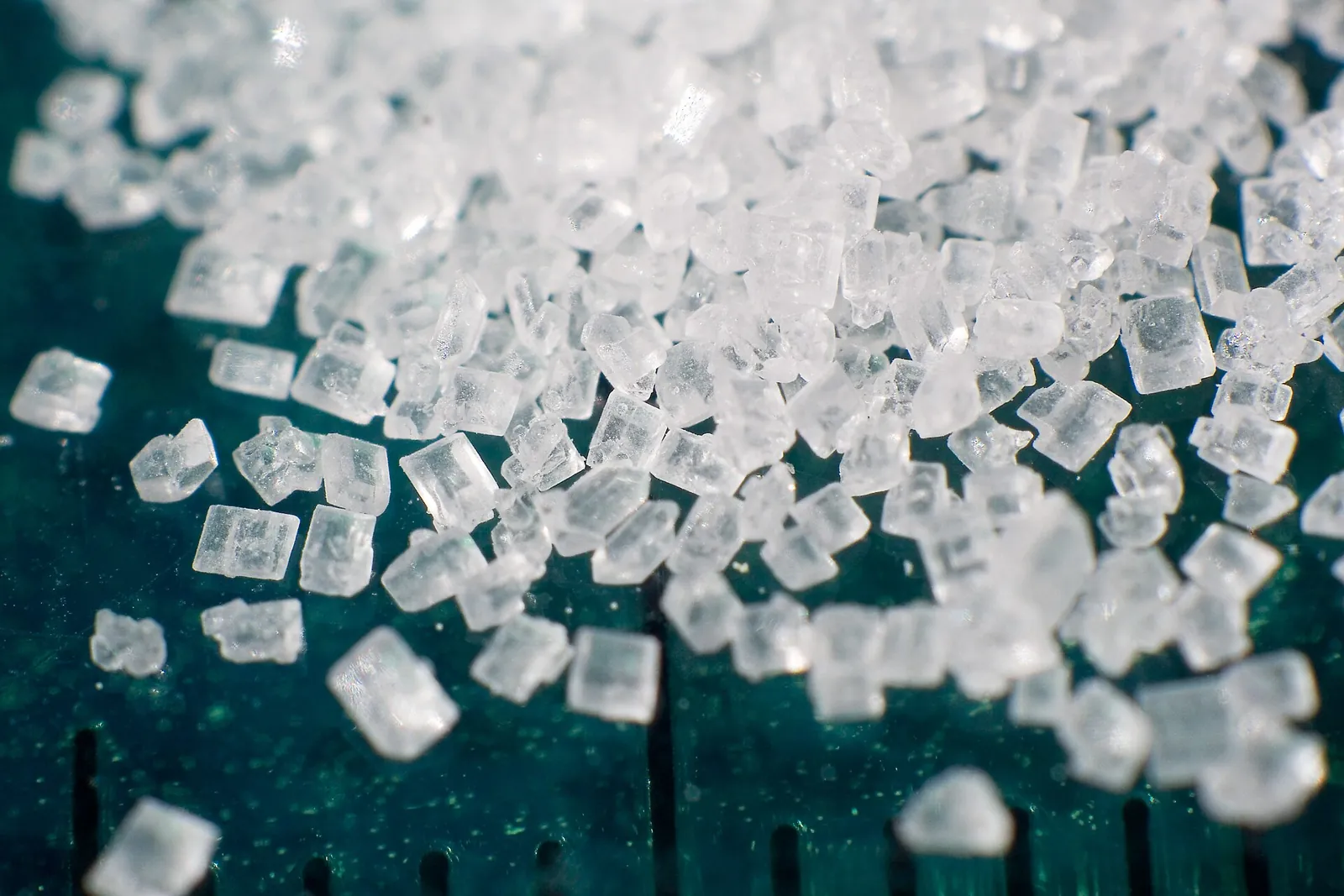
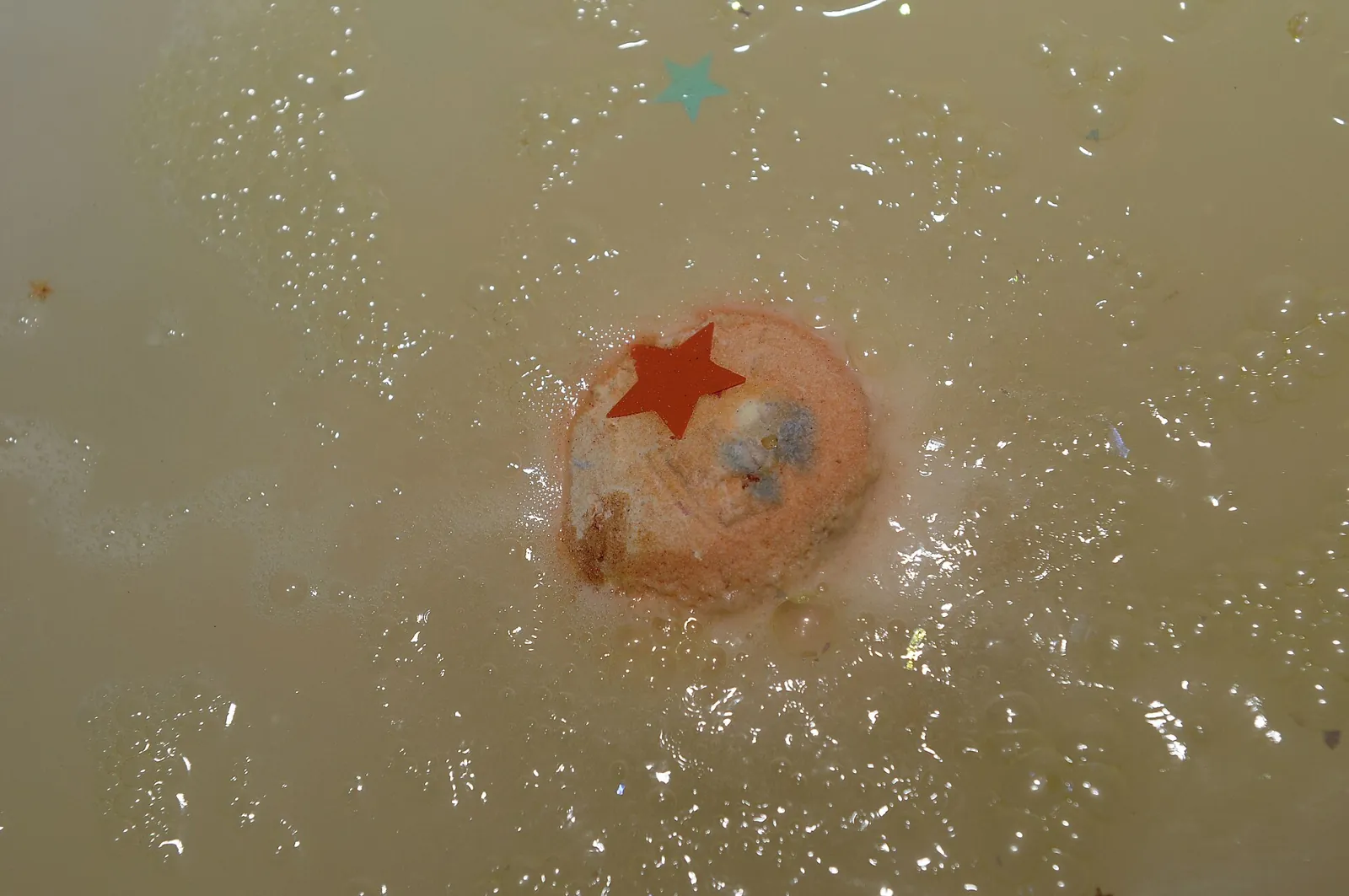
Baking soda (sodium bicarbonate) is a base and citric acid is an acid. Dry, they sit together quietly. Add water and they react, producing carbon dioxide bubbles. That is why moisture is both the binder and the enemy: you need a tiny amount to make the mix stick, but too much starts the reaction in the bowl. Humidity in storage also slowly weakens the fizz, which is why finished bath bombs should be sealed.
Science Notes, a chemistry education site, gives a simple base recipe of 1 1/2 cups baking soda, 1/2 cup citric acid and 2 teaspoons of oil, with optional cornstarch or Epsom salt. Many recipes use a little more citric acid for a stronger fizz. Start with one tested recipe and adjust only once you have made it as written.
What you need
- Baking soda
- Citric acid (sold with canning supplies or from craft and soap suppliers)
- Cornstarch or Epsom salt (optional, for texture and a slower fizz)
- A light skin-safe oil such as sweet almond, coconut or olive oil
- Witch hazel or water in a fine-mist spray bottle
- Skin-safe fragrance oil or essential oil (optional)
- Cosmetic-grade colorant or mica (optional)
- Bath bomb molds (two-part sphere molds or silicone shapes)
- Large bowl, whisk, measuring cups and spoons
- Gloves; safety glasses and a dust mask are sensible when measuring powders
How to make bath bombs
Whisk the dry ingredients
In a dry bowl, whisk the baking soda, citric acid and any cornstarch or Epsom salt until evenly blended. Break up lumps; they become hard spots in the finished bomb. Pour gently to keep the dust down.
Mix the wet ingredients separately
In a small cup, combine the oil with your fragrance and any liquid colorant. Use the fragrance supplier's recommended rate for bath products, and keep it modest: strong scents can irritate skin.
Combine slowly
Drizzle the oil mixture into the dry mix a little at a time, whisking or working it through with gloved hands. If you see fizzing, you are adding liquid too fast.
Spritz until it holds
Mist the mix with witch hazel or water, one or two sprays at a time, mixing between sprays. Stop when a handful squeezed in your fist holds its shape like damp sand. This is the step most people overdo.
Pack the molds
Overfill each half of a sphere mold, press firmly, then press the halves together and twist slightly to lock them. For silicone molds, pack the mix in tightly and level the top.
Unmold and dry
Ease the bomb out gently after a few minutes (sphere molds) or leave it in the silicone mold until firm. Let bath bombs dry for at least 24 hours somewhere dry, away from steam and humidity.
Seal for storage
Once fully hard, wrap each one in plastic wrap or a shrink bag so humid air cannot weaken the fizz before the gift is opened.
Tip: If your bombs keep crumbling, the mix was too dry or not packed firmly enough. If they puff up and crack while drying, there was too much liquid. Change one thing at a time.
Safety notes
- Protect your eyes: Citric acid is classified as causing serious eye irritation on manufacturers' safety data sheets. Wear gloves, avoid rubbing your eyes, and if powder gets in an eye, rinse with water for several minutes and seek medical advice if irritation continues.
- Keep the dust down: Fine powders can irritate the nose and throat. Measure gently and consider a dust mask, especially if you have asthma.
- Skin-safe additives only: Use fragrances and colorants intended for bath or cosmetic use. Food coloring can stain tubs and towels. Skip loose glitter, which is hard to rinse away; if you want sparkle, look for cosmetic-grade products.
- Slippery tubs: Oils can leave the tub slick. Mention it on the gift tag, and rinse the tub after use.
- Kids: Children can help mix and pack molds with an adult supervising and gloves on. Keep finished bombs out of reach of young children, who may mistake them for candy.
- Sensitive skin: People prone to irritation or infections may want unscented, uncolored bombs. Listing ingredients helps them decide.
How to package bath bombs as a gift
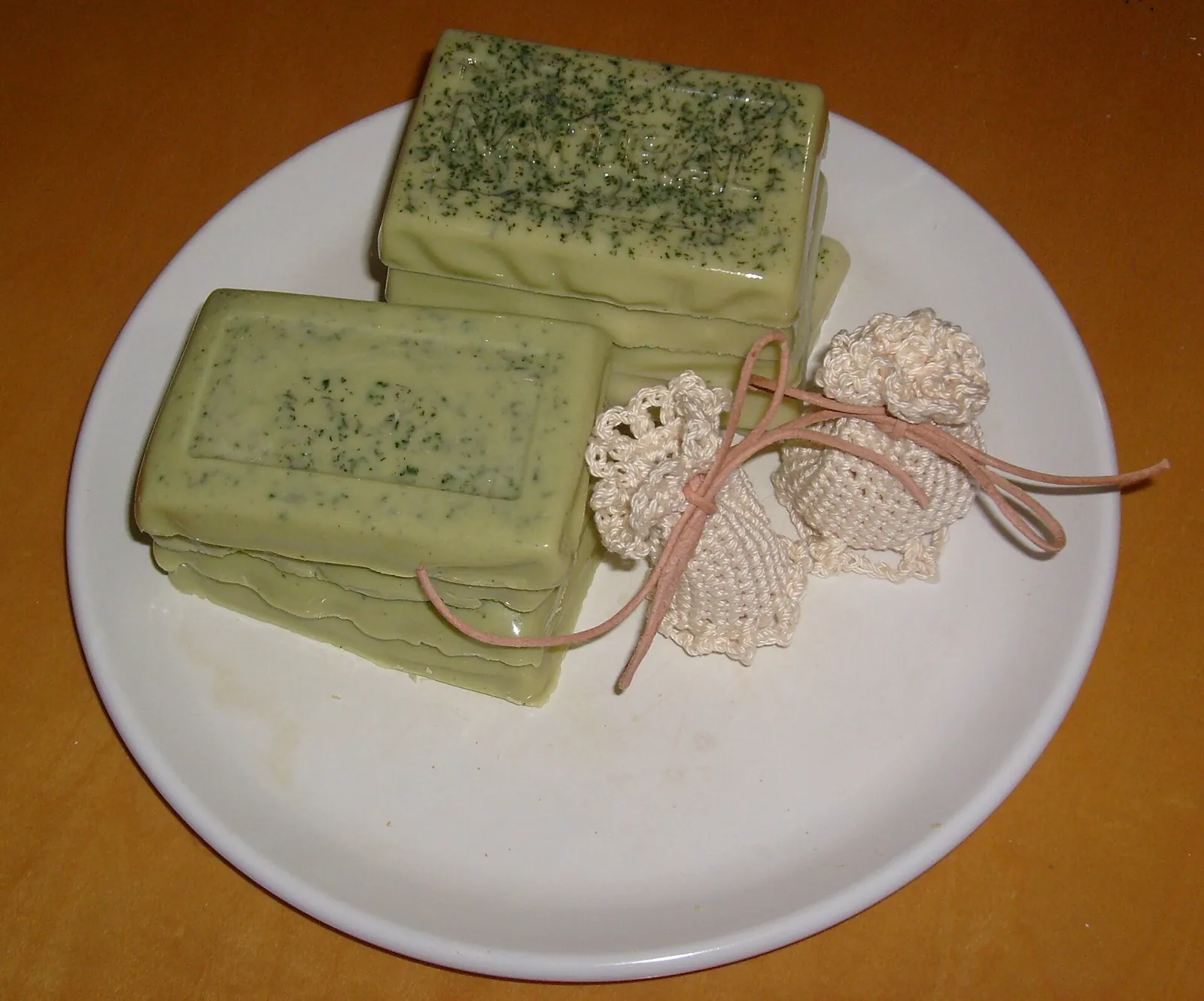
After sealing each bomb in plastic, nestle a few in shredded paper inside a small box, a clear cellophane bag tied with ribbon, or a jar with a lid. Add a tag with the scent, full ingredient list and a short "use within a few months, keep dry" note. Bath bombs pair well with melt-and-pour soap and a sugar scrub, and the trio makes a pleasing spa gift basket. For more ideas in this category, see our candles and soap projects.
Frequently asked questions
Why did my bath bombs not fizz much?
Usually they absorbed moisture from the air before use, or the recipe had too little citric acid. Seal them as soon as they are dry and store them somewhere dry.
Can I use lemon juice instead of citric acid?
Not in a dry recipe. Lemon juice is mostly water and will set off the fizz in the bowl. Powdered citric acid is what makes the reaction happen in the tub.
How long do homemade bath bombs last?
They are best used within a few months. Over time they lose fizz and the scent fades, faster in humid rooms.
Are bath bombs safe for kids?
Many families use them, but children's skin can be more sensitive. Choose a mild, unscented version, keep it out of eyes, and avoid leaving young children unattended in the bath.
Sources
- Science Notes — How to Make Homemade Fizzy Bath Bombs. sciencenotes.org
- Jungbunzlauer — Citric Acid Anhydrous Safety Data Sheet (hosted by Home Science Tools). homesciencetools.com
Image credits. Top image: Bathbombsblue by Jordan2808, CC BY-SA 4.0, via Wikimedia Commons · In-article image: Bath bomb going... (3229757890) by Son of Groucho from Scotland, CC BY 2.0, via Wikimedia Commons
Spotted something out of date or a gift that's no longer available? Tell our editors — we review every correction.