How to make lip balm as a gift
A simple beeswax lip balm recipe with safe flavor levels, allergy swaps, honest shelf-life advice and labeling tips, so your handmade tubes are as safe as they are pretty.
Quick answer
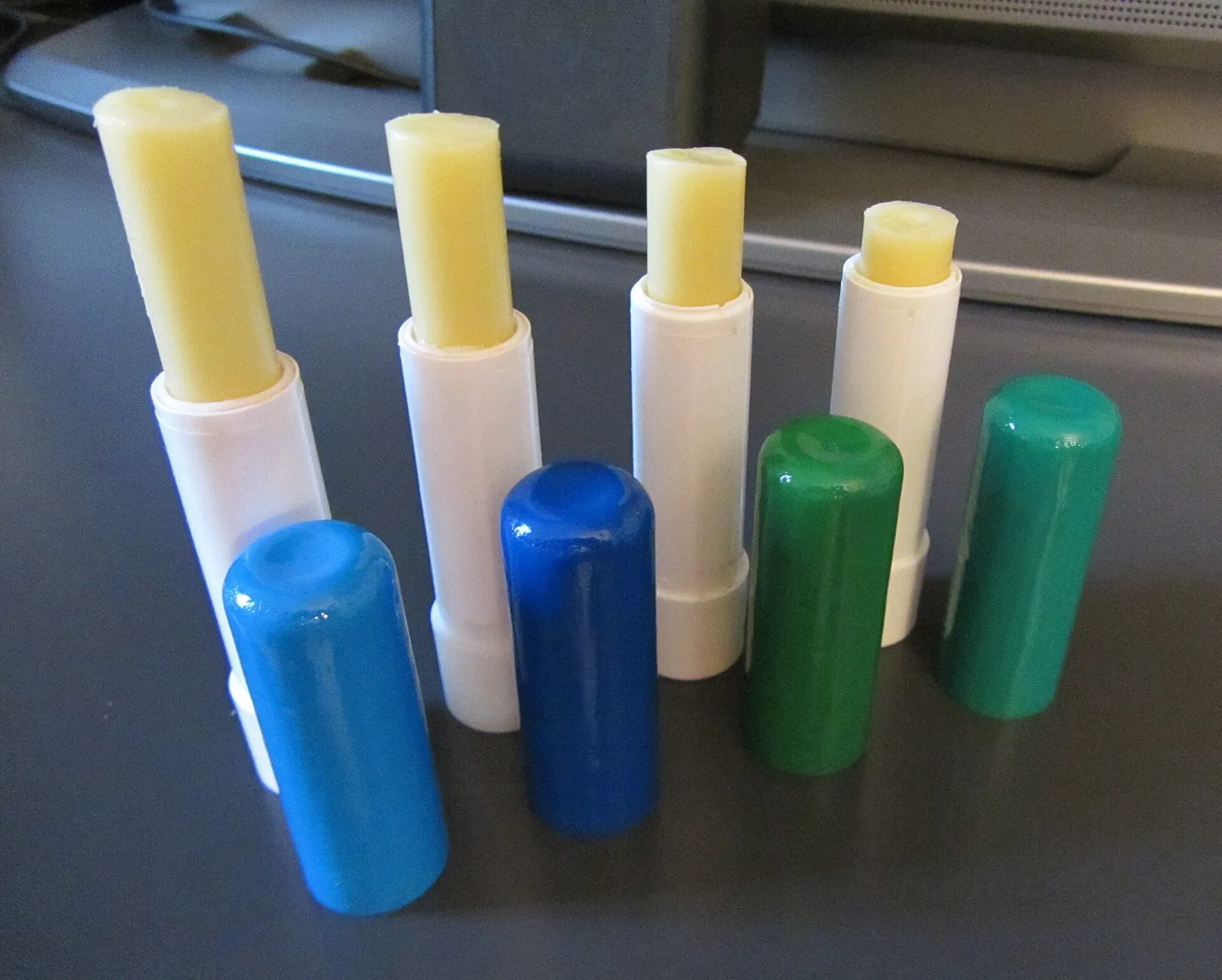
Homemade lip balm is beeswax, a solid butter and a liquid oil melted together in a double boiler, poured into tubes or tins and left to set. A simple recipe from Utah State University Extension uses 2 tablespoons each of beeswax and coconut oil with 1 tablespoon each of shea butter and sweet almond oil. Keep any essential oil low (Bramble Berry suggests 0.5% to 1% for peppermint), skip expressed citrus oils that can react with sunlight, and label every ingredient so nut or bee-product allergies can be checked.
- Time About 30 minutes, plus 30 – 60 minutes to set
- Difficulty Easy
- Cost About $25 – $40 in starter supplies; roughly $1 – $2 per tube after that
- Makes About 15 – 18 standard 0.15 oz tubes, or five or six 0.5 oz tins
Lip balm is one of the most useful handmade gifts you can make for very little money. It is small enough for a card envelope, practical in every climate, and easy to make in a batch for a whole office, team or class. That makes it a natural pick for gifts under $10 and stocking stuffers. Because it goes on the lips, though, ingredient choice and labeling matter more than with a candle or a bath product.
Choosing safe ingredients
The base
Every lip balm needs a wax for structure, a solid butter for body and a liquid oil for glide. The recipe below follows Utah State University Extension's lip balm formula. Buy cosmetic-grade beeswax from a soap or cosmetics supplier rather than candle wax, which can contain additives, and use oils sold for food or cosmetic use.
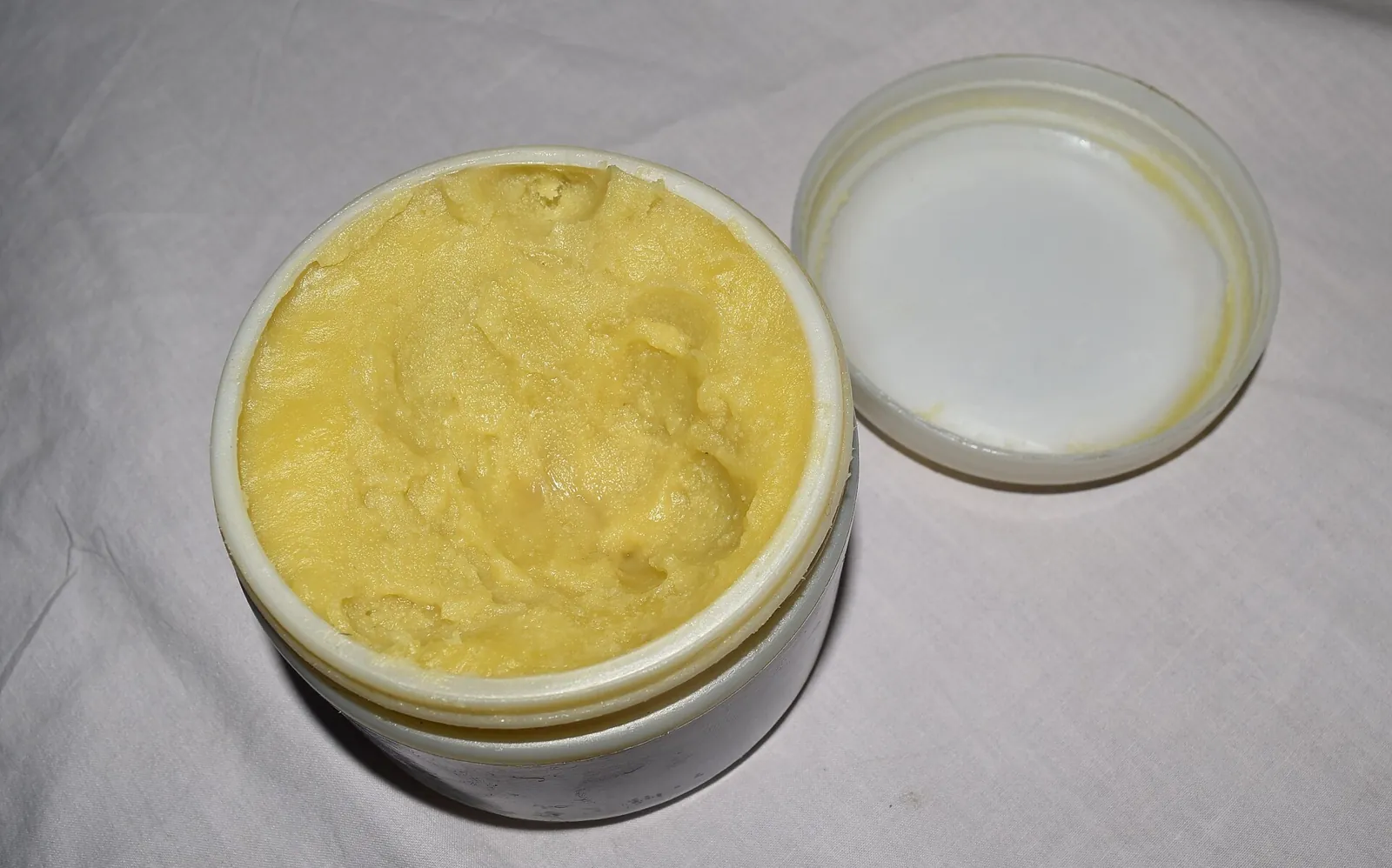
Allergies
Sweet almond oil comes from a tree nut. For a nut-free balm, swap it for an equal amount of sunflower or jojoba oil. Some people are also sensitive to bee products, and coconut and shea are worth naming on the label. When in doubt, make an unscented batch and list everything.
Flavor and scent
Use only oils sold as safe for lip products. In its guide to flavor oils, Bramble Berry notes that fragrance oils made for soap and candles are skin-safe but not lip-safe, so they should not go into lip balm. It gives these usage rates by total recipe weight:
- Lip-safe flavor oils: 1% to 3%
- Essential oils, in general: 0.5% to 2%
- Peppermint and cinnamon leaf, which can tingle or burn: 0.5% to 1%
USU Extension's recipe is even more conservative, at 2 to 4 drops of essential oil for the whole batch. A digital scale that reads in 0.1 g steps is the only reliable way to measure a percentage; drop sizes vary too much. For balms meant for children, leave scent out entirely.
Avoid sun-reactive citrus oils
The Tisserand Institute explains that cold-pressed (expressed) citrus oils, bergamot above all, can contain furanocoumarins that cause a burn-like skin reaction in sunlight, and that the risk applies to leave-on products rather than wash-off ones. A lip balm is about as leave-on and sun-exposed as a product gets. If you want a citrus note, choose a distilled citrus oil or bergamot labeled FCF (furanocoumarin-free), or pick a different flavor such as vanilla or spearmint.
Color
The FDA requires color additives in cosmetics to be approved for their intended use. Craft materials such as crayons are not sold for use on lips, so leave color out unless you buy a colorant your supplier sells specifically as lip-safe.
What you need
- 2 tablespoons cosmetic-grade beeswax pellets
- 2 tablespoons coconut oil
- 1 tablespoon shea butter
- 1 tablespoon sweet almond oil (or sunflower or jojoba oil for nut-free)
- Lip-safe essential or flavor oil (optional)
- Empty lip balm tubes or small tins with lids, clean and fully dry
- Heat-safe glass measuring cup or small pitcher, and a saucepan for a double boiler
- Small funnel, pipette or spouted cup for filling
- Digital scale (for measuring flavor oil)
- Labels
How to make lip balm
Clean and set up
Wash the tubes, caps, measuring cup and utensils and let them dry completely. Stand the tubes upright in a tray or the box they came in so they do not tip during filling. Wax is hard to clean from cookware, so use tools you can keep for crafts.
Melt the wax, butter and oils slowly
Put the beeswax, coconut oil, shea butter and almond oil in the measuring cup and set it in a saucepan of gently simmering water. USU Extension recommends melting slowly in a double boiler to avoid burning. Stir until everything is clear and liquid. Do not melt the mixture directly over a burner, and do not leave it unattended.
Take it off the heat and add flavor
Lift the cup out of the water and let it sit for a minute. Weigh the batch (or use the total ingredient weight) and add flavor or essential oil within the rates above. Stir well.
Test the texture
Dip a cold metal spoon into the mixture and let it set for a minute. If it feels too hard, stir in a little more oil; if too soft, melt in a few more beeswax pellets. Rewarm briefly if it starts to thicken.
Fill the tubes or tins
Pour or pipette the liquid balm into each container, filling right to the top. Work quickly but carefully; the mixture is hot enough to burn skin. If it starts to set in the cup, return it to the warm water.
Let it set at room temperature
Leave the balms undisturbed until they are firm and opaque. If the tops sink slightly, add a thin second layer of remelted balm. Cap them only once they are fully cool.
Label every container
List all ingredients by their common names. The FDA's labeling guide asks commercial cosmetics to list ingredients in descending order of predominance, with flavor declared as "flavor"; following the same format on a gift is good practice. Add the date you made the batch.
Tip: Tubes are the more hygienic choice for a gift. The FDA notes that dipping fingers into a product adds microorganisms, which a tin invites and a twist-up tube avoids.
Safety and shelf life
- Melted oils and wax cause burns. Children can decorate labels and boxes, but an adult should handle the hot mixture.
- Use only ingredients sold for food or cosmetic use, and keep essential oils within the supplier rates.
- Patch-test a new recipe on yourself before giving it away, and stop using it if it stings or causes redness.
There is no single shelf life for homemade lip balm. The FDA says US law does not require cosmetics to carry expiration dates and that it is up to the maker to determine shelf life; it also notes that heat, sunlight and air can change a product's color, texture and smell. In practice, a balm with no water in it is limited mainly by how quickly its oils go rancid. Date the label, suggest the recipient keep it out of hot cars and direct sun, and tell them to discard it if it smells off.
How to package lip balm as a gift
A wrap-around label printed with the flavor name and ingredients turns a plain tube into something that looks shop-bought. Bundle three flavors with twine, or tuck a single tube into a holiday card. Lip balm also pairs well with other small handmade pampering gifts like sugar scrub or melt-and-pour soap in a small basket, and it is a thoughtful option for teacher gifts under $15. For more projects in this family, see candles and soap.
Frequently asked questions
Can I make lip balm without beeswax?
Yes. Plant waxes such as candelilla wax are common vegan substitutes, but they are firmer than beeswax, so start with less and adjust using the spoon test.
What essential oils are safe for lip balm?
Choose oils your supplier says are lip-safe and use them at low levels: Bramble Berry suggests 0.5% to 2% for essential oils in general and 0.5% to 1% for peppermint. Avoid expressed citrus oils, which can cause sun reactions on leave-on products.
Can I use candle fragrance oil in lip balm?
No. Bramble Berry notes that fragrance oils for soap and candles are not lip-safe. Use a flavor oil sold for lip products instead.
How long does homemade lip balm last?
It depends mainly on the freshness of the oils and how it is stored. Date each tube, keep it away from heat and sunlight, and discard it if the smell changes.
Can kids make lip balm?
Children can measure ingredients and design labels with an adult handling the hot mixture. Leave essential oils out of balms made for young children.
Sources
- Utah State University Extension — Processing and using beeswax (lip balm recipe and melting method). extension.usu.edu
- Soap Queen (Bramble Berry) — Sunday Night Spotlight: Flavoring Oils (lip balm usage rates). soapqueen.com
- Tisserand Institute — Phototoxicity: essential oils, sun and safety. tisserandinstitute.org
- US Food and Drug Administration — Small Businesses & Homemade Cosmetics: Fact Sheet. fda.gov
- US Food and Drug Administration — Cosmetics Labeling Guide. fda.gov
- US Food and Drug Administration — Shelf Life and Expiration Dating of Cosmetics. fda.gov
Image credits. Top image: Homemade lip balm by Francesca Cesa Bianchi, Milano, CC BY-SA 3.0, via Wikimedia Commons · In-article image: Mélange du Beurre de karité et huiles essentielles dans une boite pour massage 02 by Adoscam, CC BY-SA 4.0, via Wikimedia Commons
Spotted something out of date or a gift that's no longer available? Tell our editors — we review every correction.