Unusual gifts for food lovers who think they have tried it all
Fermentation projects, pantry rarities, clever single-purpose tools and food experiences for the cook who already owns every gadget.
We independently research every pick. If you buy through our links we may earn a small commission, at no extra cost to you. As an Amazon Associate we earn from qualifying purchases. Affiliate disclosure.
Quick answer
The best unusual gifts for food lovers are things they would never find in a supermarket aisle: a fermentation crock for homemade sauerkraut, a miso or koji kit, a flight of aged vinegars, heirloom beans, a granite mortar and pestle, a pasta stamp, or a seat on a market tour. Most cost $25 to $100. Pick the project or the flavor they have not tried yet, not another version of what they already own.
- Typical budget $20 – $150
- Best for Home cooks, adventurous eaters and the friend who has every gadget
- Best rule A new technique or a new flavor, not a duplicate tool
- Check first Allergies, diet and how much counter space they have
Unusual gifts for food lovers work best when they open a door: a technique to learn, an ingredient with a story, or a meal they would not have booked themselves. This guide skips the standard knife and apron and focuses on unique gifts for foodies who think they have seen it all. If the person on your list mostly bakes, our guide to gifts for bakers is the better fit; for more general gifts for food lovers, see gifts for foodies who have tried everything, and browse the unique gifts collection for other hobbies.
Fermentation and slow-food projects
These are gifts with a payoff weeks later, which is exactly why curious cooks love them.
A fermentation crock or jar kit
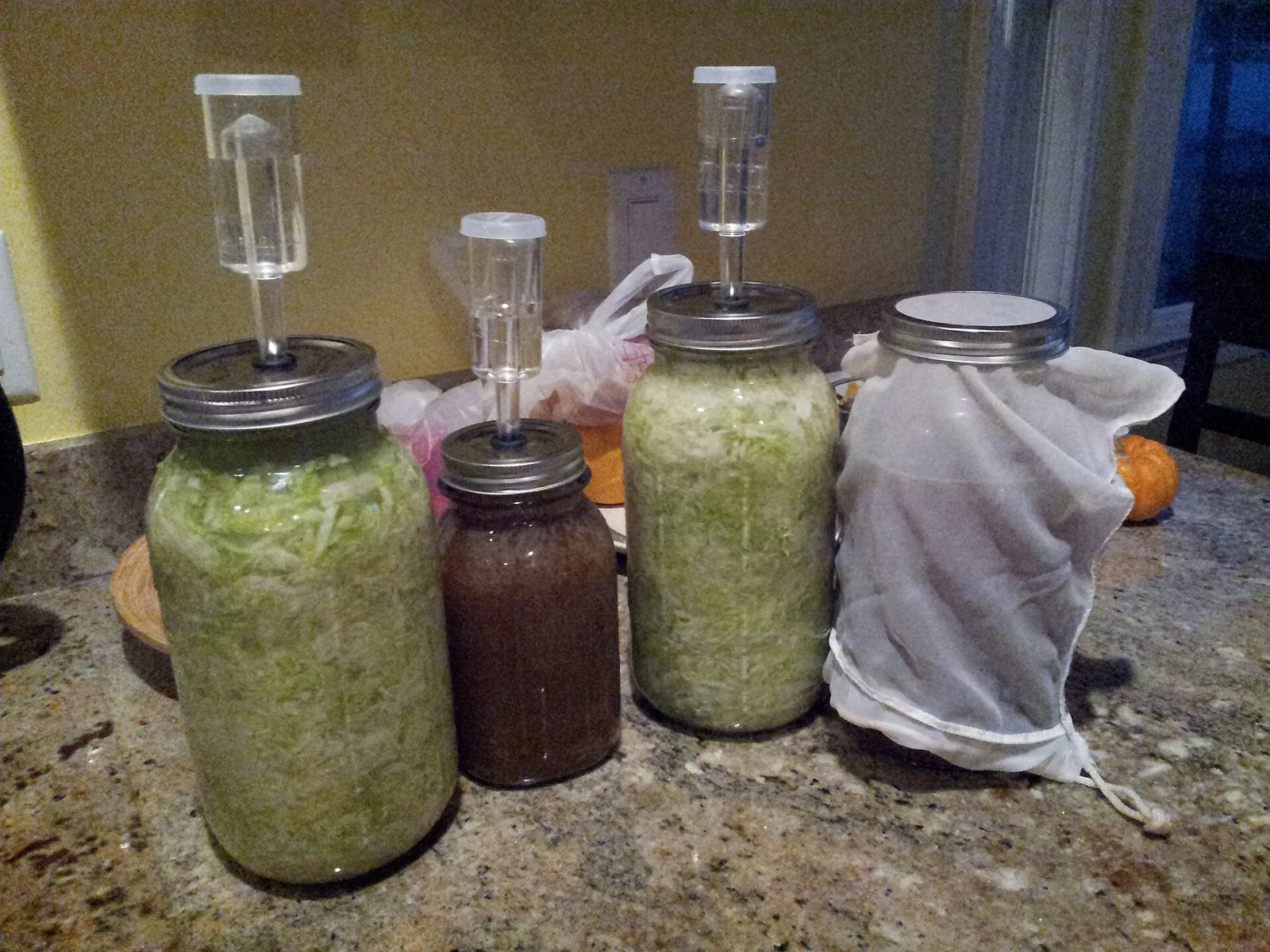
Why it works: A stoneware crock or a set of wide-mouth jars with glass weights and airlock lids turns cabbage, cucumbers and carrots into sauerkraut and pickles. Add a printed recipe from a tested source. The National Center for Home Food Preservation notes that sauerkraut ferments best at 70 to 75°F and takes about three to four weeks at that range, so it suits someone with a little patience and a cool corner of the kitchen.
Skip it if: their kitchen runs very warm in summer or they dislike sour flavors; a pickled-vegetable tasting box is the low-effort version.
A miso or koji starter kit
Why it works: Koji, the mold-inoculated rice behind miso, soy sauce and sake, is the obsession of many adventurous cooks. A kit with koji, salt, a container and clear instructions lets them make a batch of miso that ages for months and makes a great story at dinner.
Skip it if: they want quick results; miso takes a long time to mature, so a jar of good aged miso and a ramen bowl set is the instant alternative.
A home cheese-making kit
Why it works: Fresh cheeses such as mozzarella, ricotta and paneer can be made in an afternoon. Kits usually include cheese cloth, a thermometer, rennet and citric acid, so the first batch works without hunting for supplies.
Skip it if: they avoid dairy; a vegan cheese or cultured nut-butter kit is the swap.
Pantry rarities with a story
Ingredients are easy to wrap, never add clutter and can be genuinely surprising. Choose small-batch and regional products and include a note on how to use them.
A flight of aged vinegars
Why it works: Three small bottles, for example an aged balsamic, a sherry vinegar and a fruit vinegar, show how much depth a few drops can add. It is a tasting experience and a pantry upgrade at the same time.
Skip it if: they rarely make salads or sauces; a finishing-salt trio is easier to use every day.
A finishing-salt sampler
Why it works: Flaky sea salt, smoked salt and a mineral-rich gray salt in small tins look beautiful and change the last step of almost any dish. It is one of the most useful unusual gifts for food lovers on a budget.
Skip it if: they are on a low-sodium diet; a dried chili or whole-spice sampler gives the same discovery without the salt.
Heirloom beans, grains or rice
Why it works: Heirloom beans in odd colors and patterns, ancient grains, or a set of rices from different regions are the kind of ingredient a cook will not buy for themselves. Add a favorite recipe card for each one.
Skip it if: they never cook from dry beans; a jar of good cooked beans in olive oil is the shortcut version.
A whole-spice set with a dedicated grinder
Why it works: Whole cumin, coriander, cardamom, peppercorns and dried chilies with an inexpensive burr or blade grinder kept just for spices. Freshly ground spices smell noticeably stronger, and the set nudges them toward toasting and blending their own mixes. Heat seekers will also like our gifts for spicy food lovers.
Skip it if: their spice drawer is already overflowing; pick one rare spice, such as long pepper or sumac, and a recipe instead.
Unusual tools that earn their space
Single-purpose tools are often clutter, but these do something a standard kitchen cannot.
A heavy granite mortar and pestle
Why it works: For curry pastes, pesto, salsas and spice blends, crushing releases oils in a way a blender does not. A large, heavy one stays put on the counter and lasts for decades.
Skip it if: storage space is tight or they have wrist problems; a small electric spice grinder is lighter work.
A cast-iron tortilla press
Why it works: Fresh corn tortillas from masa harina take minutes once you have a press, and they taste completely different from packaged ones. Add a bag of masa harina and a cloth tortilla warmer.
Skip it if: they rarely cook Mexican or Central American food; a pasta tool fits an Italian-leaning cook better.
Pasta tools: a chitarra, corzetti stamp or ravioli press
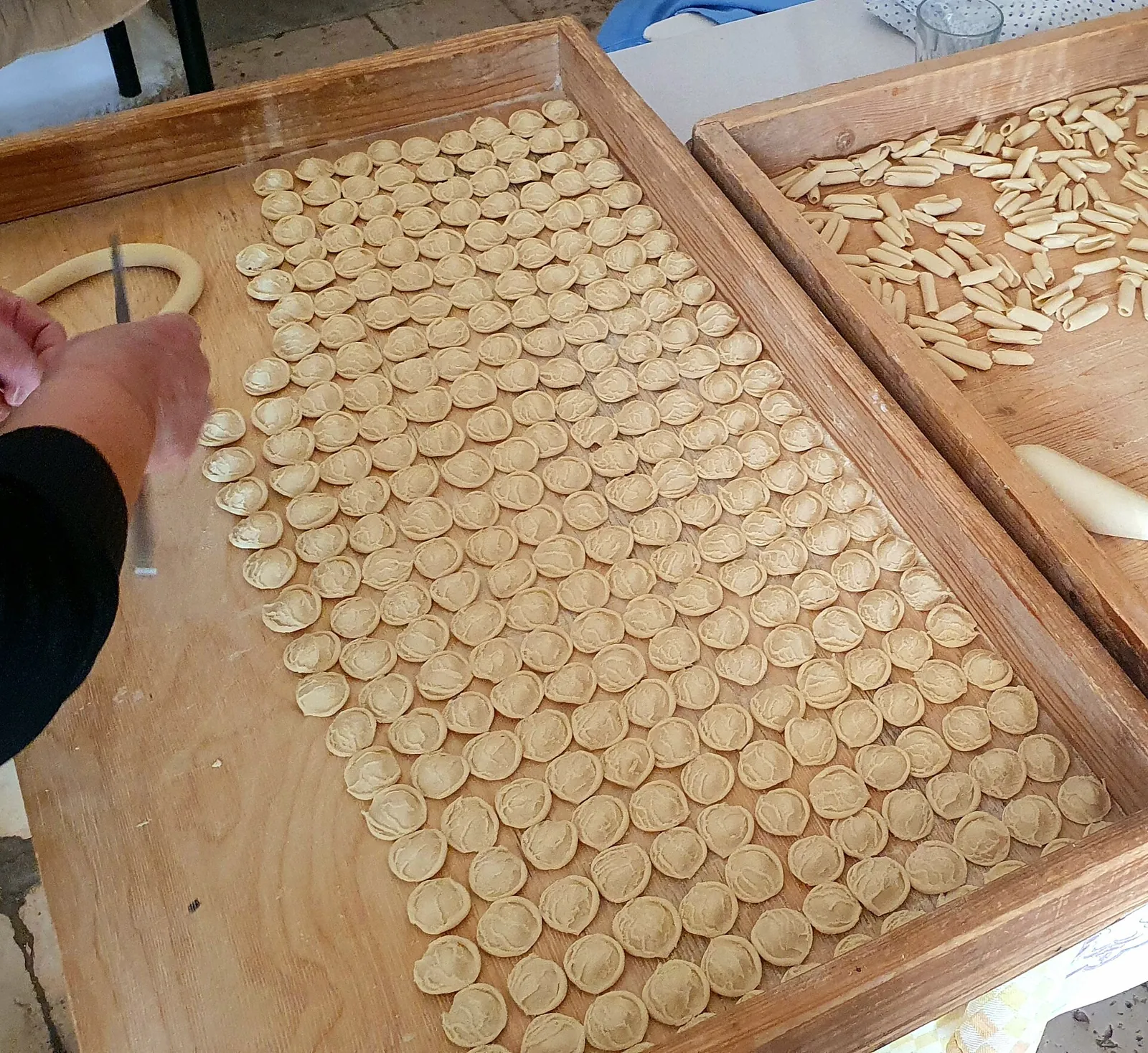
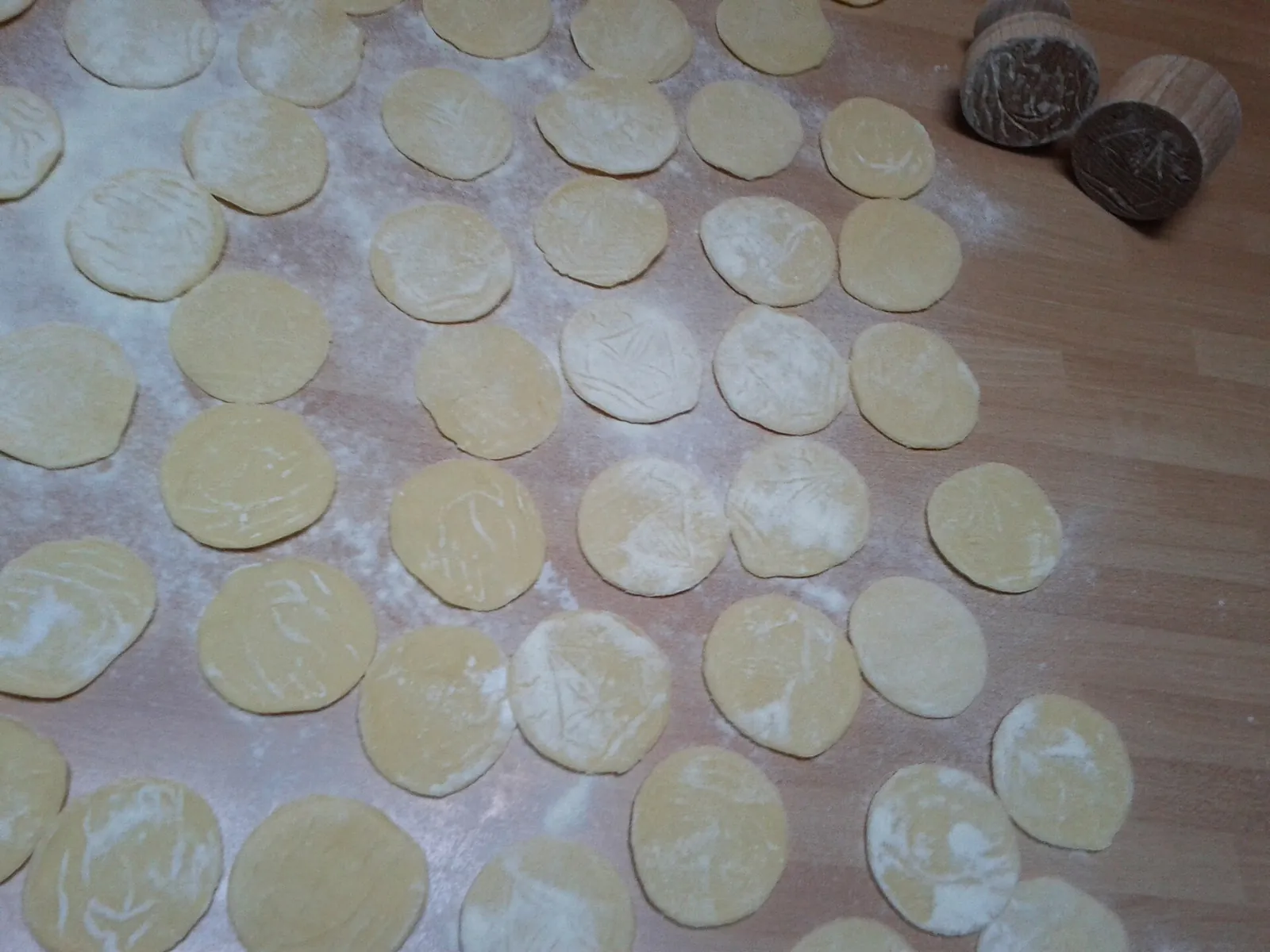
Why it works: A wooden corzetti stamp prints patterned coins of pasta, and a chitarra cuts square spaghetti with taut strings. These are tools with regional history that make fresh pasta feel like a craft.
Skip it if: they have never made fresh pasta; start with a basic rolling pin, a bench scraper and a cooking class.
A handheld cocktail and food smoker
Why it works: A small handheld smoker adds wood-smoke aroma to cocktails, cheese, butter or a finished dish under a cloche. It is theatrical and fun for people who like to host.
Skip it if: they live in a small apartment with a sensitive smoke alarm, or prefer quiet weeknight cooking.
Food experiences instead of things
A market or food walking tour
Why it works: Many cities have guided tours through markets, immigrant neighborhoods or street-food areas. It is a gift for curious eaters who would rather taste ten new things than own one more gadget, and it works well while traveling. If they love regular deliveries, our guide to food subscription gifts covers that route.
Skip it if: they have mobility limits or dietary restrictions the tour cannot handle; check the route and menu first.
A regional cooking class
Why it works: Pick a cuisine they cook less often, such as Sichuan, Oaxacan, Ethiopian or Georgian, and book a hands-on class for two so you can go together.
Skip it if: their schedule is unpredictable; choose a provider with flexible rebooking or an online class.
How to choose unusual gifts for food lovers
- Look at what they cook now. The best surprise sits one step beyond their current routine, not three.
- Choose a process or a place. A technique (fermenting, pasta, tortillas) or an origin (a regional pantry item, a tour) feels more personal than a gadget.
- Respect the kitchen. Ask yourself where the item will live. If the answer is unclear, go consumable.
- Check diet and allergies. Dairy, gluten, nuts and alcohol rule out some ideas instantly.
- Follow tested recipes for preserving. For fermenting and canning, include instructions from a reliable source such as the National Center for Home Food Preservation rather than an improvised recipe.
Frequently asked questions
What do you get a food lover who has everything?
Give an experience or a project rather than another tool: a cooking class in a cuisine they rarely cook, a market tour, or a fermentation kit. Small-batch pantry items such as aged vinegar or heirloom beans are also safe because they get used up.
Are fermentation kits safe for beginners?
They can be, if the person follows a tested recipe and its temperatures. The National Center for Home Food Preservation publishes step-by-step instructions for sauerkraut and fermented pickles; print one and tuck it into the kit.
What is a good unusual food gift under $30?
A finishing-salt sampler, a cast-iron tortilla press with masa harina, a single rare spice with a recipe, or a small bottle of aged vinegar all come in under $30 in many shops.
Is a cooking class a good gift for a foodie?
Yes, especially in a cuisine they do not already cook. Book one for two people if you want to share the experience, and pick a provider with flexible dates.
Sources
- National Center for Home Food Preservation — Sauerkraut. nchfp.uga.edu
- National Center for Home Food Preservation — Fermenting. nchfp.uga.edu
Image credits. Top image: Pasta corzetti-Flickr by Luigi Rosa from Pavia, Italy, CC BY-SA 2.0, via Wikimedia Commons · In-article image: Sauerkraut fermenting by Greg G, CC BY-SA 3.0, via Wikimedia Commons
Spotted something out of date or a gift that's no longer available? Tell our editors — we review every correction.