Gifts for foodies who have tried everything
Gift ideas for adventurous eaters, whether or not they cook: things to taste and compare, ingredients that upgrade a meal, and food experiences worth remembering.
We independently research every pick. If you buy through our links we may earn a small commission, at no extra cost to you. Affiliate disclosure.
Quick answer
The best gifts for foodies are things to taste and discover rather than more kitchen gear: a chocolate or tinned-fish tasting flight, a bottle of properly aged balsamic, a food tour or chef's-counter dinner, or a great piece of food writing. They suit adventurous eaters whether or not they cook. Most ideas below cost $20 to $150.
- Typical budget $20 – $150
- Best for adventurous eaters, travelers and restaurant regulars
- Safest bet Something they can taste and finish
- Check first Allergies and dietary rules
Gifts for foodies are tricky because food lovers already know what they like and have usually tried the obvious things. The answer is to give them something to compare, explore or experience, not a gadget for a drawer. This guide is for adventurous eaters, including people who rarely cook; if your foodie spends every evening at the stove, our guide to gifts for people who love to cook is the better match. For edible gifts that arrive every month, see food subscription gifts, and browse more ideas in our gifts for home cooks section.
Tasting flights for food lovers who like to compare
A single-origin chocolate tasting flight
Why it works: Bars from different growing regions, or the same bean at different cocoa percentages, turn chocolate into a proper tasting. Add a simple tasting card so they can note what they find.
Skip it if: they only eat milk chocolate; a flight of milk and caramelized white bars is gentler.
A tinned seafood sampler
Why it works: Good tinned sardines, mussels, mackerel and octopus are a whole food culture of their own. A sampler with crusty bread, butter and lemon makes an instant evening.
Skip it if: they avoid fish or shellfish, which are among the most common food allergens.
A regional hot sauce or chili crisp flight
Why it works: Sauces from different chili-growing traditions, from smoky chipotle to fermented Korean and Sichuan styles, give a heat-lover a world tour on the dinner table.
Skip it if: they find spicy food uncomfortable; a flight of mustards or honeys is the mild version.
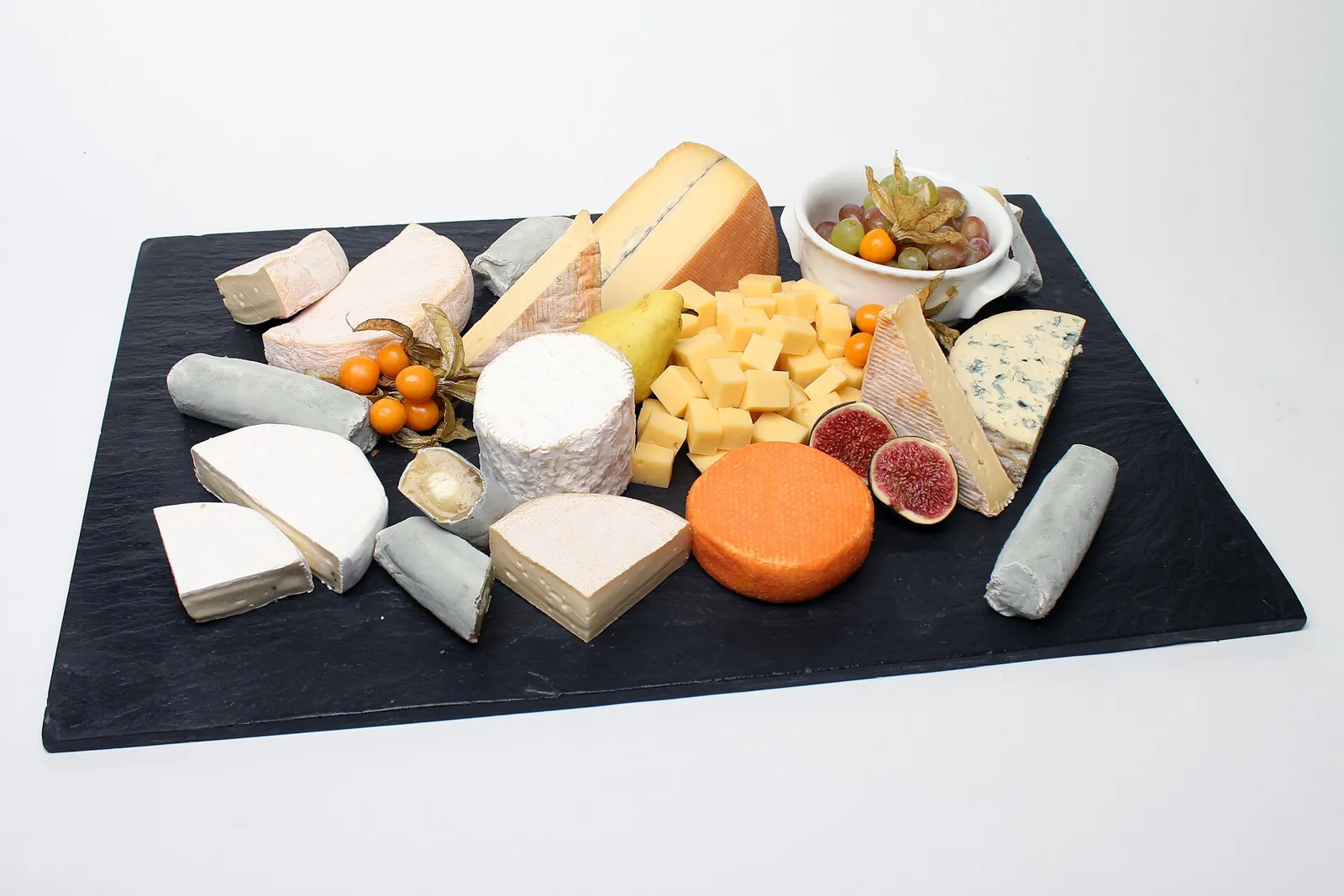
A cheese tasting box from a cheesemonger
Why it works: Three to five cheeses from different milks and ages, with notes, offer more discovery than one big wedge. Ask the shop to include something unusual alongside a familiar favorite.
Skip it if: they are lactose intolerant or vegan; a cured-olive and nut selection may suit them better.
Specialty ingredients that upgrade everyday meals
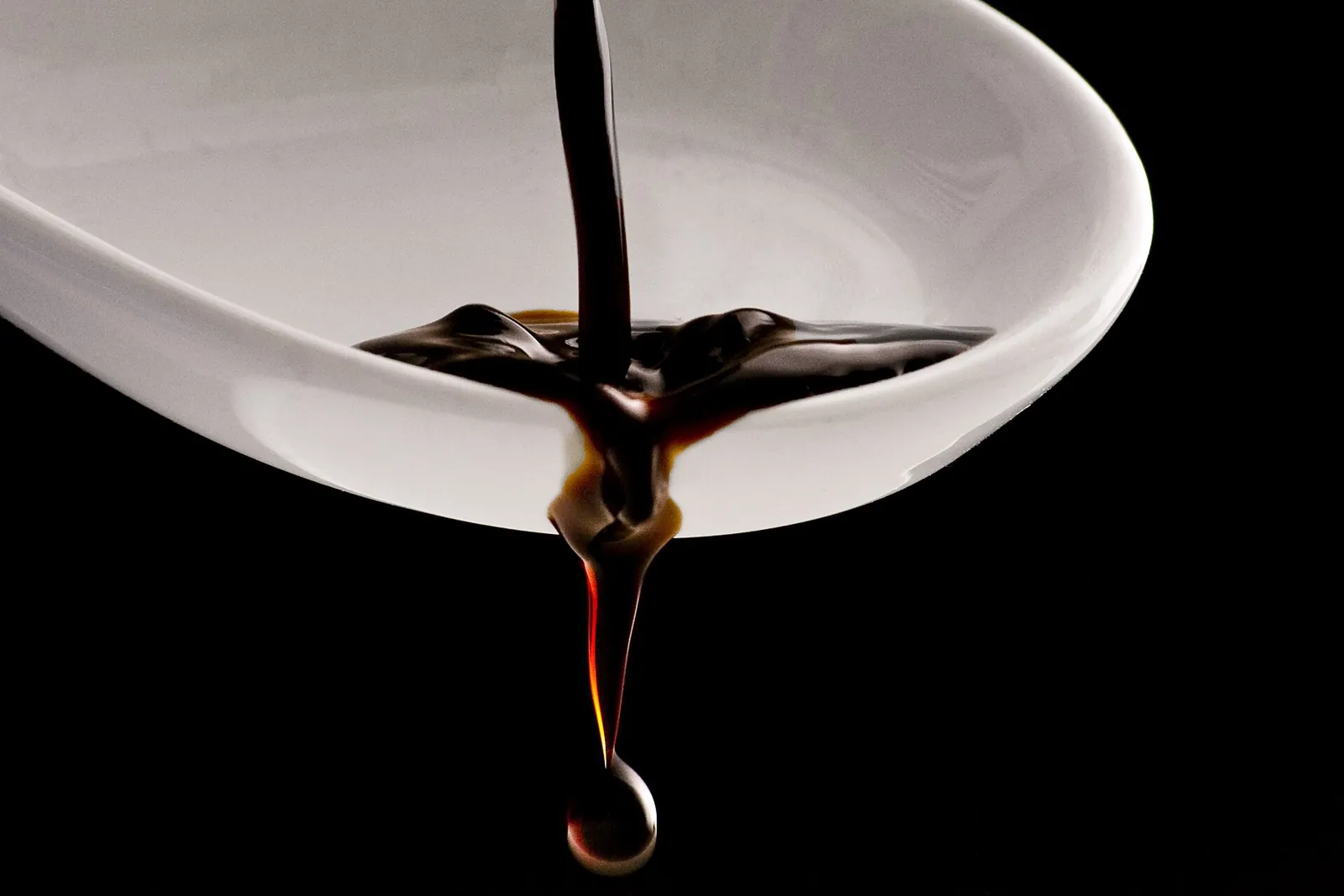
Traditionally aged balsamic vinegar
Why it works: A few drops of thick, aged balsamic on strawberries, parmesan or grilled meat is a revelation for anyone who has only had the thin salad version. Even non-cooks can use it straight from the bottle.
Skip it if: they do not like sweet-sour flavors; a peppery new-harvest olive oil is the alternative.
A single-origin spice collection
Why it works: Small jars of fresh, whole spices from named growing regions, such as smoked paprika, sumac, saffron or long pepper, introduce flavors many supermarket shelves lack.
Skip it if: they never cook at all; stick with the tasting and experience ideas.
A set of finishing salts
Why it works: Flaky sea salt, smoked salt and a citrus or chili salt make a fried egg or a steak taste restaurant-level with no skill required. It is one of the easiest food gifts for foodies who do not cook.
Skip it if: they have been told to cut back on salt.
Food experiences for the person who has tried everything
A guided food tour
Why it works: A neighborhood food tour, in their own city or on an upcoming trip, combines tastings with local history and usually includes places they would never find alone. Book for two so you can share it.
Skip it if: they have mobility limits; ask whether the route involves a lot of walking or stairs.
Dinner at a chef's counter or tasting menu
Why it works: For foodies who have everything, a seat watching the kitchen at work, or a set tasting menu at a restaurant on their wish list, is a memory rather than an object (more ideas in our experience gifts section). A gift card with a written date attached feels more personal.
Skip it if: they have strict dietary needs; check the restaurant can accommodate them before you book.
A hands-on class in an unfamiliar cuisine
Why it works: Fresh pasta, dumplings, sushi or regional curry classes teach a technique and end with a meal. Even people who do not usually cook enjoy the social side.
Skip it if: they truly dislike cooking; a tasting-only experience suits them better.
Books and reading for curious eaters
A great food memoir or food travel book
Why it works: Good food writing about markets, restaurants and the people behind a cuisine feeds curiosity between meals. Choose a region they love or are about to visit.
Skip it if: they do not read much; a food documentary series on their streaming service is the screen version.
A food magazine or newsletter subscription
Why it works: A print food magazine arrives regularly with ideas, essays and restaurant tips, and it is easy to give at the last minute.
Skip it if: they already subscribe to several; a tasting flight will be more of a surprise.
How to choose gifts for foodies
- Find their current obsession. Natural wine, ramen, tinned fish or hot sauce: lean into what they are already exploring.
- Give a comparison, not a single item. Three small things side by side teach more than one large one.
- Prefer experiences for people who have everything. A meal or tour cannot be duplicated in their pantry.
- Check allergies and dietary rules first. The FDA lists nine major food allergens in the US: milk, eggs, fish, crustacean shellfish, tree nuts, peanuts, wheat, soybeans and sesame. Read labels, ask a partner or friend quietly, and remember that religious and ethical diets matter just as much.
- Mind freshness. Buy perishable items close to the date you give them and include storage notes.
Frequently asked questions
What do you get a foodie who has everything?
An experience they cannot store in a cupboard: a guided food tour, a chef's-counter dinner or a class in a cuisine they have never cooked. A tasting flight of something they love is a good smaller option.
What are good gifts for food lovers who do not cook?
Tasting flights of chocolate, cheese, tinned fish or hot sauce, finishing salts, aged balsamic, restaurant gift cards, food tours and food writing all work without any cooking.
Are food gifts safe if I do not know about allergies?
Only if you check. The FDA's nine major allergens appear in many specialty foods, including nuts in chocolate and sesame in chili crisp. When in doubt, choose an experience or ask someone close to them.
How much should I spend on a gift for a foodie?
Tasting sets and specialty ingredients usually cost $20 to $60. Food tours, classes and tasting menus run from about $60 to $300, depending on where you live.
Sources
- U.S. Food and Drug Administration — Food allergies: What you need to know. www.fda.gov
Image credits. Top image: International cheese platters by Tim Reckmann, CC BY 2.0, via Wikimedia Commons · In-article image: Balsamic vinegar (drops) by Andrea Levers, CC BY-SA 2.0, via Wikimedia Commons
Spotted something out of date or a gift that's no longer available? Tell our editors — we review every correction.