Gifts for hot sauce and spicy food lovers
Gift ideas for people who put hot sauce on everything, from small-batch samplers to growing kits and cooking classes, with a quick guide to heat levels.
We independently research every pick. If you buy through our links we may earn a small commission, at no extra cost to you. As an Amazon Associate we earn from qualifying purchases. Affiliate disclosure.
Quick answer
The best gifts for hot sauce lovers either widen their collection or let them make their own heat: a small-batch hot sauce sampler, a jar of chili crisp, a set of dried chiles, a hot sauce making kit or a chili growing kit. Most cost $15 to $50. Match the heat to their real tolerance, not the hottest bottle on the shelf.
- Typical budget $10 – $60
- Works for birthdays, Christmas stockings, Father's Day, foodie friends
- Best rule Flavor first, heat second
- Safety add-on A box of nitrile gloves for handling fresh hot peppers
Gifts for spicy food lovers are easy to get wrong in one of two ways: a novelty "extreme" sauce nobody actually wants to eat, or a mild gift set that bores a seasoned chilihead. The ideas below aim for the middle, focusing on flavor, variety and things they can cook with. They also make good Christmas gifts for hot sauce lovers, since most fit neatly in a stocking or a small box. For cooks with broader tastes, see our guide to gifts for people who love to cook or browse all our gifts for home cooks.
Gifts for hot sauce lovers who want variety
A small-batch hot sauce sampler
Why it works: Three to six small bottles let them taste different chiles and styles side by side, from a vinegary Louisiana-style sauce to a fruity habanero or a smoky chipotle. A sampler is more fun than one big bottle and helps them find a new favorite.
Skip it if: their fridge door is already full of half-used bottles; a single special sauce or a cooking ingredient is better.
One bottle from a local maker
Why it works: Many cities and farmers markets have independent hot sauce makers. A bottle from your area, or from a place you recently visited, comes with a story and costs little.
Skip it if: you cannot find a local maker; a sampler from a small producer online is the alternative.
Chili crisp, chili oil or hot honey
Why it works: These condiments go on almost everything, from eggs and noodles to pizza and ice cream, and many hot sauce fans have not tried all three. Pair two jars for a quick, giftable set.
Skip it if: they dislike oily textures or avoid sugar; a dry chili seasoning is the alternative.
A collection of whole dried chiles
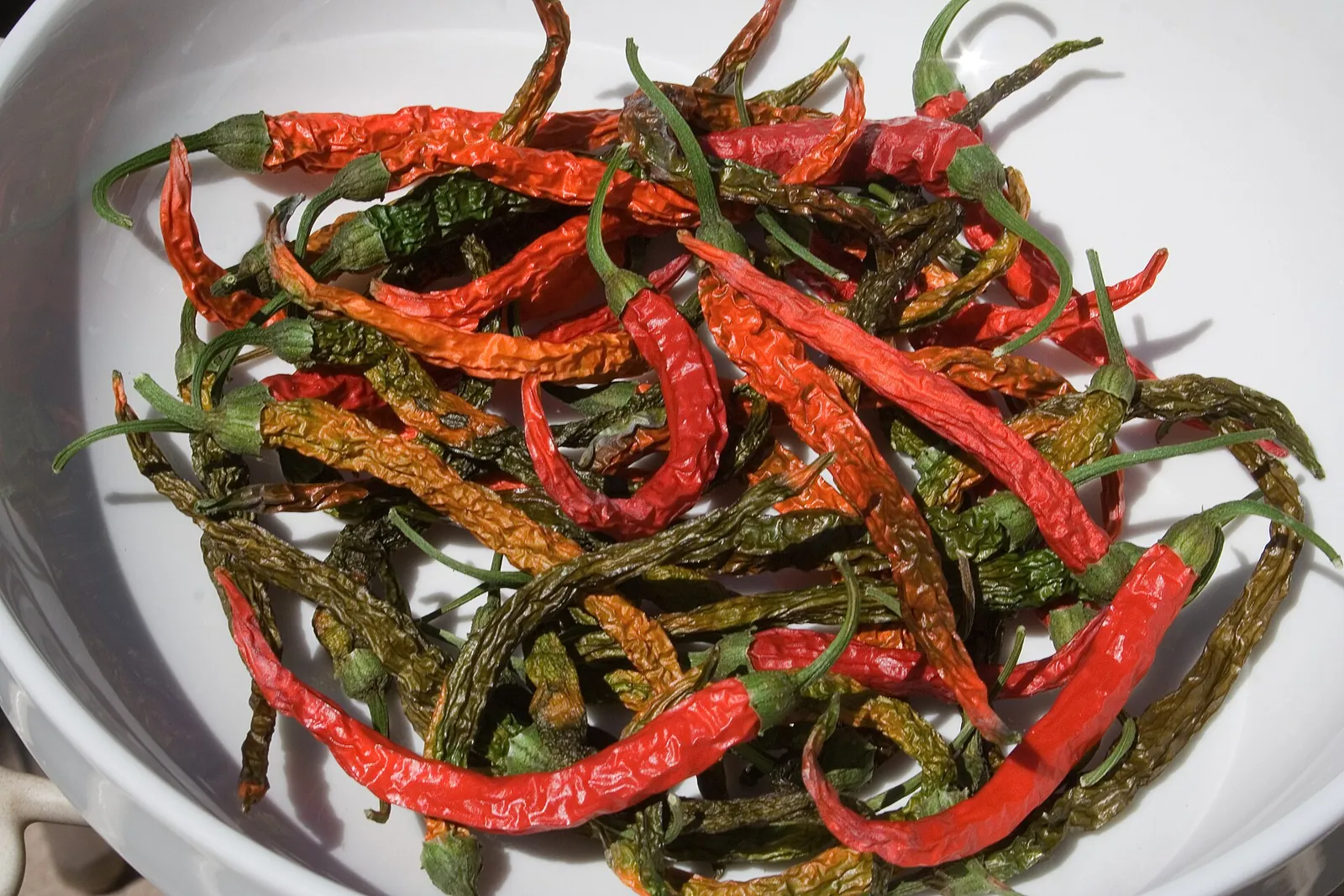
Why it works: A few bags of different dried chiles, such as ancho, guajillo, chipotle and árbol, let them make salsas, moles and chili from scratch. Dried chiles keep for months in an airtight container.
Skip it if: they rarely cook and only use ready-made sauce at the table.
For the cook who wants to make the heat
A hot sauce making kit
Why it works: Kits usually include bottles, dried chiles or a spice blend, and instructions, so they can make a batch in an afternoon. It turns a habit into a hobby and the results make good gifts in turn.
Skip it if: they have already made sauce several times; upgrade to fermentation gear instead.
Fermentation jars with weights and airlock lids
Why it works: Fermented hot sauce develops deeper, tangier flavor than a quick blended sauce. Wide-mouth jars with glass weights and airlock lids make the process much easier for a beginner.
Skip it if: they do not have room for jars on the counter for a week or more.
A chili pepper growing kit
Why it works: Growing their own peppers is the natural next step for a serious fan. Indoor kits come with seeds, starter pots and soil; outdoor gardeners may prefer a few seed packets of different varieties.
Skip it if: they have no sunny window or outdoor space; peppers need warmth and plenty of light.
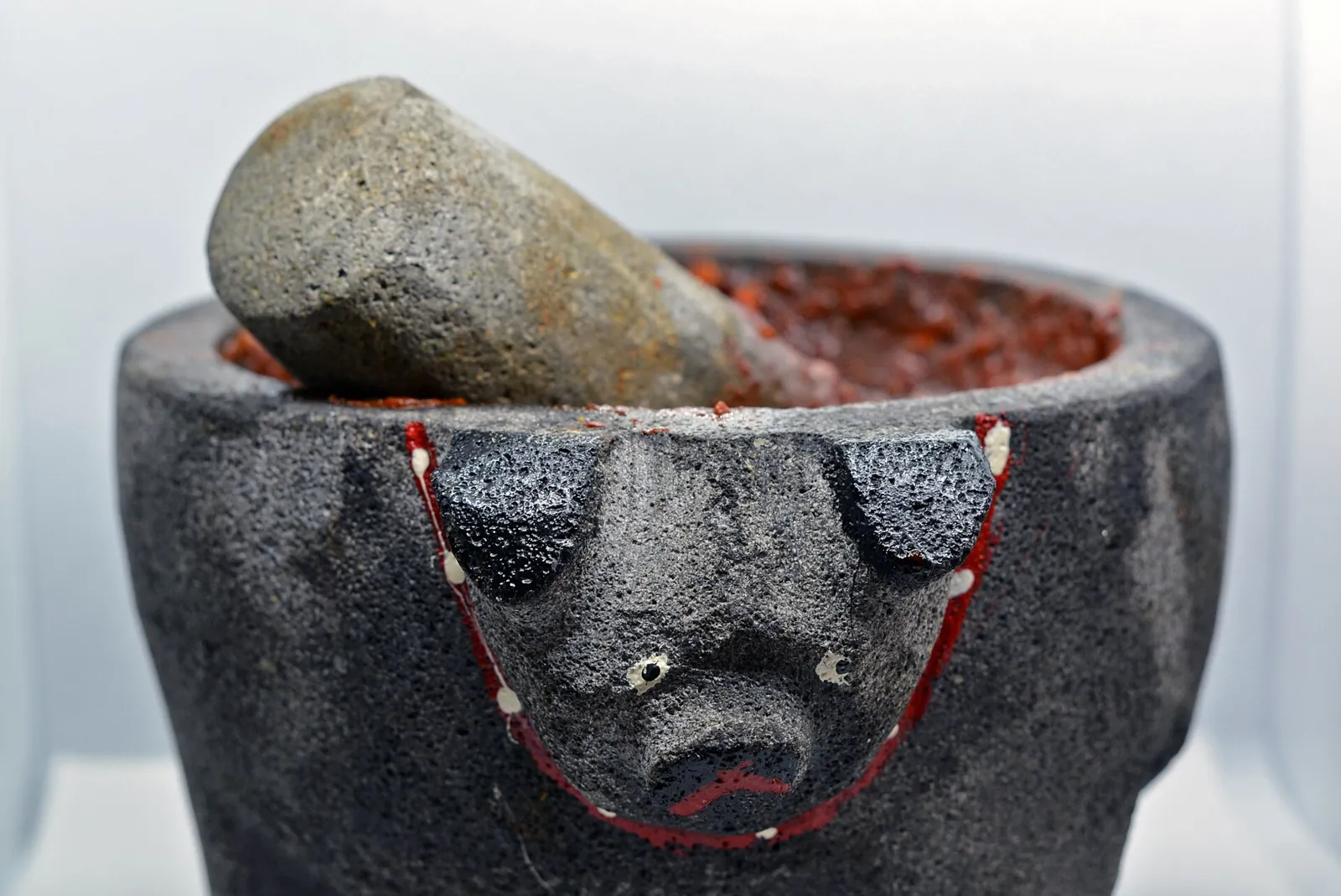
A molcajete or heavy mortar and pestle
Why it works: Grinding chiles, garlic and spices by hand gives salsas and pastes a texture a blender cannot match. A stone mortar lasts for decades.
Skip it if: they have limited storage; stone versions are heavy and bulky.
Spice blends and cookbooks
A global chili and spice blend set
Why it works: Blends such as harissa, berbere, gochugaru, shichimi togarashi and Aleppo-style pepper show how different cuisines use heat. A set of four to six small jars invites them to cook something new each week.
Skip it if: their spice drawer is overflowing; pick one high-quality blend instead of a set.
A cookbook focused on chiles or a spicy cuisine
Why it works: A book on Sichuan, Thai, Mexican, Korean or West African cooking gives them dishes to use all those sauces on. Choose a cuisine they already love eating out.
Skip it if: they cook from videos and never open a book; a cooking class is the better gift. Home cooks who like gear may also enjoy ideas from our gifts for men who love to cook guide.
Spicy experiences
A cooking class in a spicy cuisine
Why it works: A hands-on class in Thai curries, Sichuan dishes or Mexican salsas teaches techniques, not just recipes. Book a seat for two so you can go together.
Skip it if: their schedule is unpredictable; choose a class with flexible booking or an online version.
Tickets to a chili or hot sauce festival
Why it works: Many regions host food festivals where makers offer tastings. It is an afternoon of sampling, and they can buy their favorites on the spot.
Skip it if: there is no festival within reach this year; a tasting dinner at a restaurant known for spicy food works instead.
How to choose: read the heat level
Heat in chiles is usually described in Scoville Heat Units (SHU). According to the National Institute of Standards and Technology (NIST), pharmacologist Wilbur Scoville devised the test in 1912: extracts were diluted in sugar water until trained tasters could no longer detect the heat. Modern labs measure capsaicin directly with high-performance liquid chromatography, which is more reproducible. NIST lists bell peppers at 0 SHU, jalapeños at roughly 2,000 to 8,000 SHU and ghost peppers at about 855,000 to over 1 million SHU.
In practice, look at what they already buy. If their go-to is a jalapeño or chipotle sauce, a sampler that tops out at habanero is a safe step up. If they collect superhot sauces, choose bottles with interesting flavor rather than a higher number. Flavor notes (smoky, fruity, garlicky, fermented) on the label are a better guide than packaging that brags about pain.
Tip: If your gift involves fresh hot peppers, tuck in a box of nitrile gloves. Poison Control advises wearing rubber, latex or nitrile gloves when handling hot peppers and not touching your face or eyes afterward.
For more edible ideas, browse our food gifts collection.
Frequently asked questions
What do you get someone who loves hot sauce?
A sampler of small-batch sauces is the classic choice. For someone who already has plenty of bottles, try a hot sauce making kit, a chili growing kit, a jar of chili crisp or a cooking class in a spicy cuisine.
Are extremely hot sauces safe to give?
For most adults, very hot sauces cause intense burning rather than lasting harm; NIST notes the burning sensation from capsaicin does not itself cause physical harm, though it irritates skin and eyes. Keep superhot products away from children and anyone who has not chosen to try them, and treat them as a condiment, not a dare.
What helps if a sauce is too hot?
Poison Control suggests small sips of milk or water may help a burning mouth. For skin, it lists remedies such as rinsing and vegetable oil; for eyes, rinse with warm water. Seek medical help for breathing trouble or chest discomfort.
How long does hot sauce last?
It depends on the recipe; vinegar-based sauces keep well, while fresh or low-acid sauces need refrigeration. Follow the storage instructions on the bottle.
Sources
- National Institute of Standards and Technology — How do you measure the "heat" of a pepper? www.nist.gov
- Poison Control — Capsaicin: When the chili is too hot. www.poison.org
Image credits. Top image: Dried Thai Dragon Peppers - Aug. 2007 by Adam from Phoenix, Arizona, USA, CC BY-SA 2.0, via Wikimedia Commons · In-article image: Molcajete con salsa roja mexicana - 1 by ProtoplasmaKid, CC BY-SA 4.0, via Wikimedia Commons
Spotted something out of date or a gift that's no longer available? Tell our editors — we review every correction.