Gifts for nature lovers who would rather be outside
Binoculars, field guides, star wheels, passes and memberships for people who would rather be outside, grouped by what they love to watch.
We independently research every pick. If you buy through our links we may earn a small commission, at no extra cost to you. As an Amazon Associate we earn from qualifying purchases. Affiliate disclosure.
Quick answer
The best gifts for nature lovers help them notice more outdoors: a good pair of birding binoculars, a regional field guide, a bird feeder for the window, a star wheel for clear nights, or a national parks pass or nature-center membership. Most good picks cost $15 to $150. Match the gift to whether they watch birds, plants or stars, and favor experiences and things that last over gadgets.
- Typical budget $15 – $150
- US parks annual pass $80 (America the Beautiful, check nps.gov for current price)
- Best for Birders, walkers, stargazers, plant lovers
- Good habit Look, photograph and sketch rather than collect
Gifts for nature lovers are easy to get wrong with decor that only shows a leaf print. People who would rather be outside usually want tools that help them see, identify and remember what they find, or a reason to go somewhere new. The ideas below work as gifts for nature-loving women and men alike, with a section for curious kids. For more outdoor ideas, see our outdoor gift guides, including gifts for outdoorsy women and gifts for outdoorsy men.
For birders and wildlife watchers
A pair of birding binoculars
Why it works: The first number on binoculars is the magnification and the second is the width of the front lenses in millimeters. Audubon lists sizes close to 7x35, 8x32, 8x40 and 8x42 among those suitable for birding, and notes that lenses much over 42 mm get heavy to carry all day.
Skip it if: they already own a good pair; a harness strap or rain guard is a cheaper upgrade.
A regional field guide to birds, trees or wildflowers
Why it works: A guide written for their own region is less overwhelming than a national one and fits in a jacket pocket. Ask which group of species they are learning right now.
Skip it if: they identify everything with a phone app; a waterproof notebook to log sightings might be more fun.
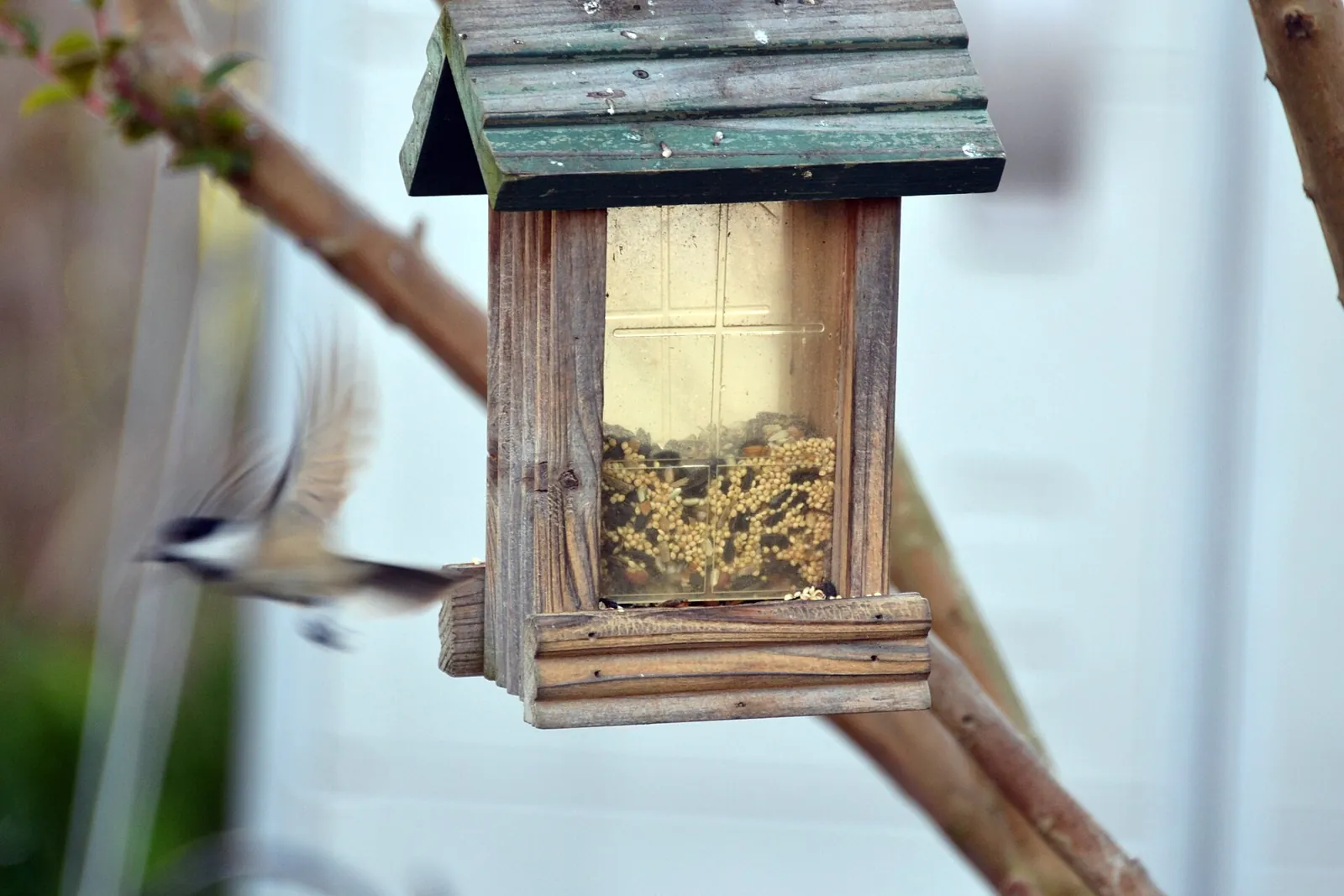
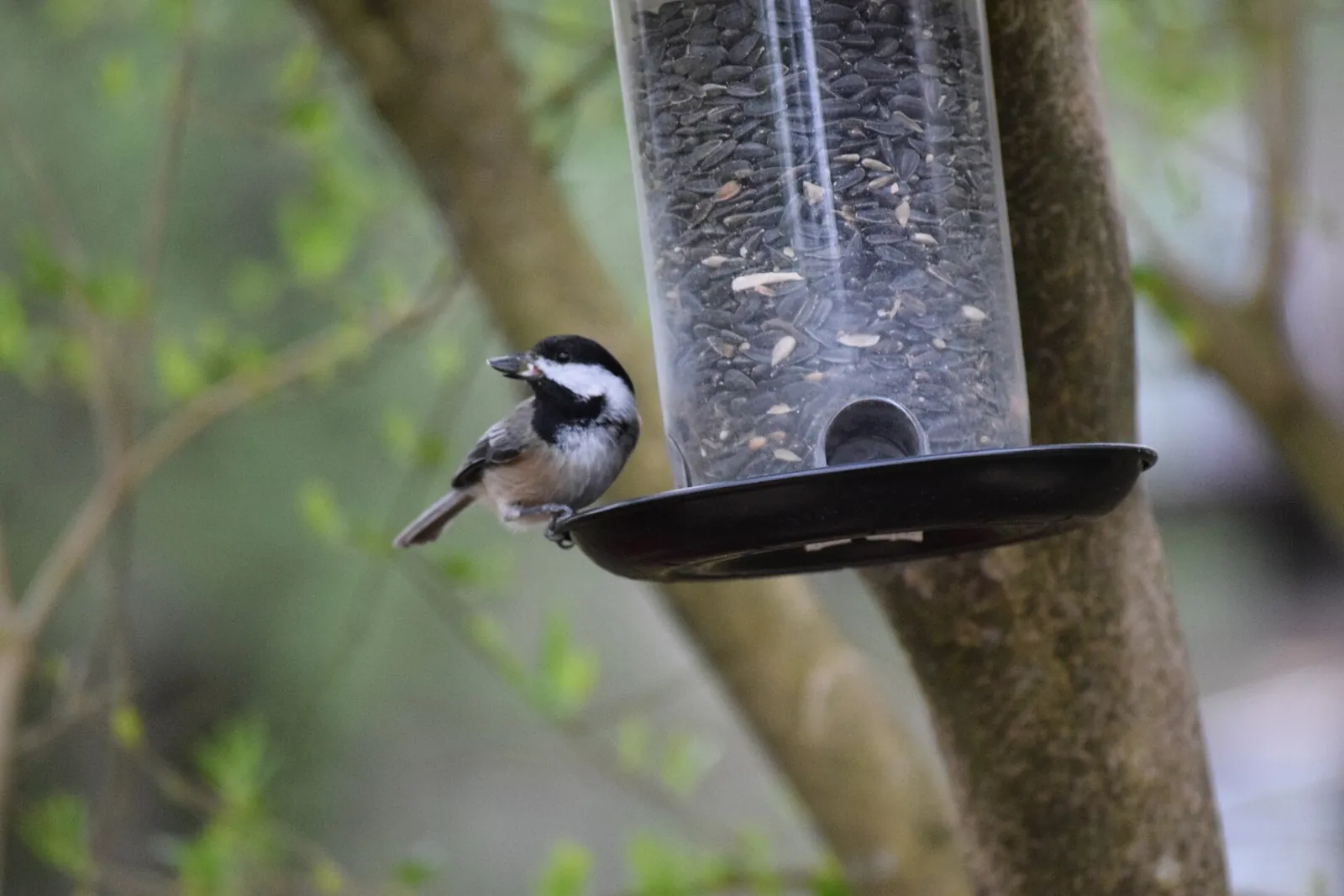
A window or garden bird feeder with a bag of seed
Why it works: It brings nature to the kitchen table on days they cannot get out. A tube feeder with sunflower seed is a popular starting point; pick one that opens easily for cleaning.
Skip it if: they live somewhere feeders attract bears or are banned by building rules.
A nest box for their garden
Why it works: Watching a pair move in and raise a brood is a season-long show. Choose an untreated wooden box with a hole size suited to the birds they hope to attract.
Skip it if: they have no garden, balcony or tree to mount it on.
For walkers, plant lovers and sketchers
A hand lens or folding loupe
Why it works: A 10x loupe on a lanyard reveals lichens, moss, insect wings and flower parts that are invisible to the eye. It weighs almost nothing and costs little.
Skip it if: they already carry a macro lens for their phone.
A nature journal with watercolor pencils
Why it works: Sketching a leaf or a bird makes people look longer and remember more. Waterproof or heavy-paper journals and a small pencil set fit in a daypack.
Skip it if: they never draw; a pocket notebook for lists and notes is less intimidating.
Seeds or plugs of wildflowers native to their region
Why it works: Planting wildflowers native to their area gives a nature lover something to watch all summer, from first shoots to visiting insects. A local native plant society or nursery can suggest species for their area.
Skip it if: you cannot find a regional mix; avoid generic packets of unknown species.
Shopping for nature-loving kids? An explorer kit is the classic first step.
An explorer kit with a bug viewer and magnifier
Why it works: A clear viewing box, a magnifier and a simple guide to backyard insects turn any patch of grass into an expedition. Teach them to let creatures go where they found them.
Skip it if: the child is very young; choose chunky, unbreakable pieces and supervise outdoors.
A field guide or sketchbook also encourages good habits. The Leave No Trace principles, which the National Park Service shares, include leaving rocks, plants and other natural objects where you find them and watching wildlife from a distance. A camera, notebook or sketch set lets them take the memory home instead.
For stargazers and night owls
A planisphere (star wheel)
Why it works: Turn the wheel to the date and time and it shows which constellations are overhead, with no screen to spoil night vision. Make sure it is made for their latitude.
Skip it if: they live in a city with heavy light pollution; plan a dark-sky trip with them instead.
A red-light headlamp or flashlight
Why it works: A dim red setting is the stargazer's choice for reading a chart or walking back to the car without dazzling themselves or others. Many headlamps have a red mode.
Skip it if: they already have a headlamp with a red setting.
Experiences, passes and memberships
An America the Beautiful annual pass
Why it works: The National Park Service sells an $80 annual pass for US residents that covers entrance and standard amenity fees at federal recreation sites, including national parks, for a year. Note that the senior passes for US citizens and residents aged 62 or older cannot be bought as gifts, because the holder must show proof of eligibility.
Skip it if: there are no federal sites near them; a state parks pass or a local membership will get more use.
A membership to a nature center, botanic garden or conservation group
Why it works: Memberships usually include free entry, guided walks and member events, and part of the fee supports the organization's work.
Skip it if: they rarely travel to the venue; check the distance before buying.
A guided bird walk, wildflower walk or night-sky program
Why it works: A local expert can teach more in two hours than a book does in a month. Book two places and go together.
Skip it if: they prefer exploring alone; a field guide respects that.
How to choose gifts for nature lovers
- Find their focus. Birds, plants, stars and hiking each call for different tools; ask what they photograph most.
- Buy fewer, better things. One reliable pair of binoculars beats three gadgets. See our eco-friendly gifts for more low-waste ideas.
- Think local. Regional guides, native seeds and nearby memberships get used far more than generic items.
- Consider how they get outside. If they cover long distances on foot, our gifts for hikers guide has gear ideas.
Frequently asked questions
What is a good gift for someone who loves nature?
Something that helps them see or learn more outdoors: birding binoculars, a regional field guide, a bird feeder, a star wheel, or a parks pass or nature-center membership.
What size binoculars are best for birdwatching?
Audubon lists sizes close to 6x32, 8x32, 7x35, 8x40, 7x42, 8x42 and 8.5x44 as suitable for birding. The first number is magnification and the second is the lens width in millimeters.
Can you give a national parks pass as a gift?
The America the Beautiful annual pass can be bought for someone else, but the National Park Service says senior passes cannot be bought as gifts because the holder must show proof of eligibility.
What are good nature gifts for kids?
An explorer kit with a bug viewer and magnifier, a simple field guide to backyard birds or insects, or a bird feeder they can watch from the window.
Sources
- National Park Service — Entrance passes. www.nps.gov
- National Park Service — Leave No Trace seven principles. www.nps.gov
- Audubon — How to choose your binoculars. www.audubon.org
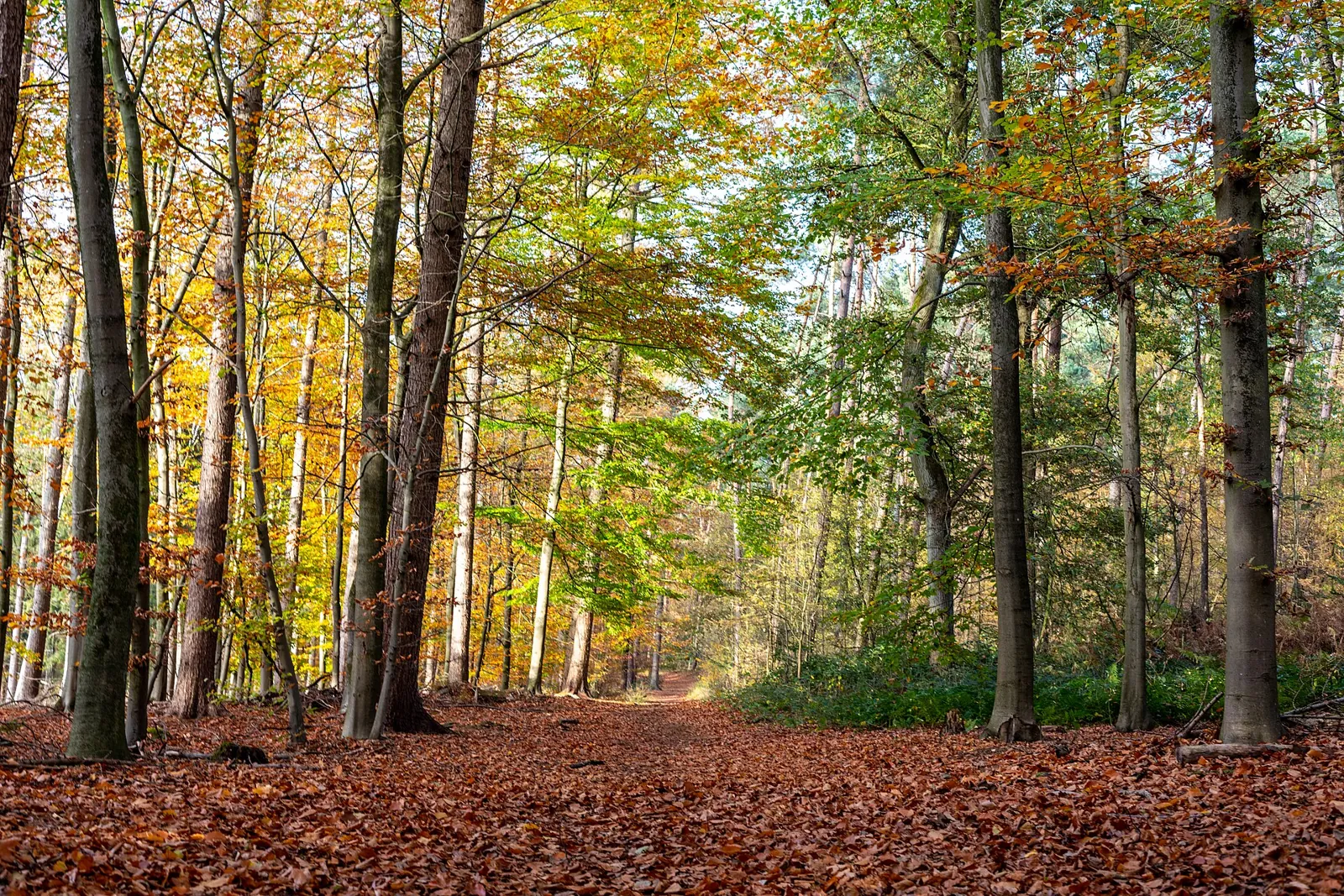
Image credits. Top image: Dülmen, Börnste, Waldweg -- 2020 -- 3613 by Dietmar Rabich, CC BY-SA 4.0, via Wikimedia Commons · In-article image: Black-capped Chickadee, Everett, Washington by Regan Fernbrook, CC BY-SA 4.0, via Wikimedia Commons
Spotted something out of date or a gift that's no longer available? Tell our editors — we review every correction.