Gifts for hikers that are worth carrying
Trail-tested gift types for day hikers and backpackers, built around what they actually carry, with tips on what to avoid buying for someone else.
We independently research every pick. If you buy through our links we may earn a small commission, at no extra cost to you. Affiliate disclosure.
Quick answer
Good gifts for hikers are light, durable and used on every trail: merino or synthetic hiking socks, an insulated water bottle or water filter, trekking poles, a compact first aid kit, a sun hat, a regional trail guide or map, and high-energy trail snacks. Footwear and packs depend on fit, so give a gift card for those unless they name the exact model.
- Typical budget $15 – $150
- Best all-rounder Quality hiking socks
- Ask first Day hikes or multi-day trips?
- Leave to them Boots, packs and anything sized
What makes a good hiking gift
Most hikers already own boots and a pack, and they chose them carefully. The best gifts fill the gaps around that core: things that wear out, things that get lost, and small upgrades they would not buy for themselves. Weight matters too. A hiker carries every item on their back, so a heavy novelty gadget often stays at home.
A useful checklist is the National Park Service's Ten Essentials, which covers navigation, sun protection, extra clothing, light, first aid, fire, a repair kit, food, water and emergency shelter. Gaps in that list make natural gift ideas. Day hikers and backpackers overlap a lot, but if they camp overnight, see our gifts for campers as well.
Everyday trail essentials
Merino wool or synthetic hiking socks
Why it works: Hiking socks wear out, and good ones cushion feet and manage moisture far better than cotton. Two or three pairs make a gift every hiker uses, and many brands offer long warranties.
Skip it if: You are unsure of their shoe size. Socks come in size ranges, so check a size chart first.
An insulated water bottle
Why it works: A vacuum-insulated bottle keeps water cold on hot climbs and tea warm on winter walks. A wide mouth makes it easier to clean and to add ice.
Skip it if: They are weight-conscious backpackers. They may prefer a light plastic bottle or a soft flask.
A sun hat or buff
Why it works: A wide-brim or neck-flap hat and a breathable neck gaiter cover the sun protection part of the Ten Essentials and are easy to size.
Skip it if: They hike mainly in forest shade. A warm beanie may be more useful.
A trail snack box
Why it works: Energy bars, nut butter packs, jerky, dried fruit and electrolyte drink mixes make a fun, consumable gift. You can tailor it to their diet.
Skip it if: They have allergies or a strict diet you do not know about.
Gear upgrades
Trekking poles
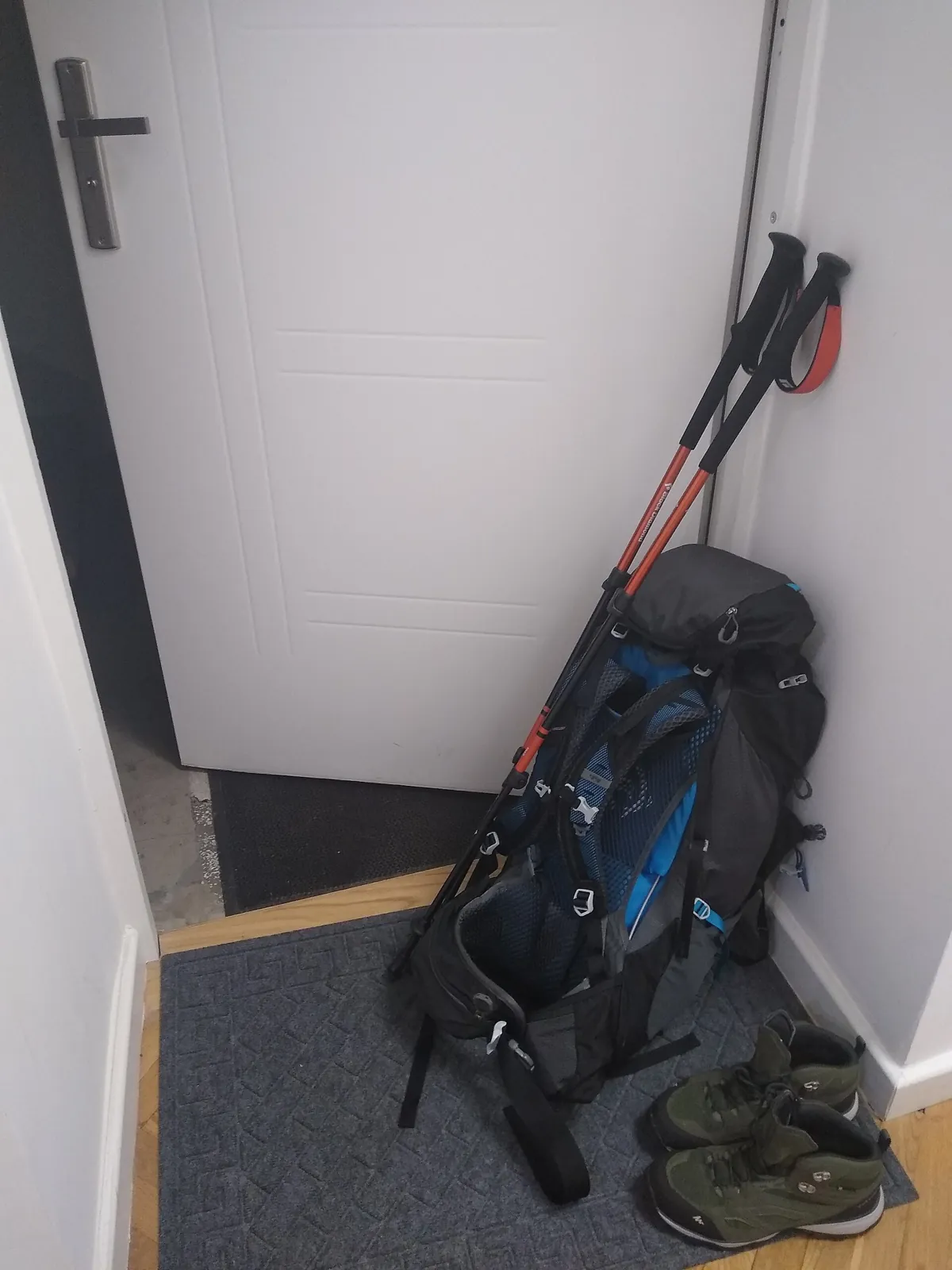
Why it works: Poles take strain off knees on descents and add balance on rocky trails and stream crossings. Collapsible poles strap to a pack when not needed.
Skip it if: They already use poles. Rubber tips or replacement baskets are smaller add-ons.
A portable water filter
Why it works: A squeeze or straw filter lets them refill from streams and carry less water. It is a real upgrade for long day hikes and backpacking.
Skip it if: They hike only short, urban or park trails with taps. Note that filters are not the same as purifiers for viruses, so they should check the product's rating for where they hike.
Traction devices or gaiters
Why it works: Slip-on microspikes help on icy winter trails, and gaiters keep mud, snow and gravel out of boots. Both extend the hiking season.
Skip it if: They live somewhere with no snow, ice or mud. Check their shoe size against the sizing chart.
A compact first aid kit
Why it works: A ready-made hiking kit with blister care, bandages and a few medicines covers the most common trail problems. Add moleskin, a whistle and a small emergency blanket for a fuller kit.
Skip it if: They are a first-responder or very experienced. They likely built a custom kit already.
Navigation, planning and experiences
A regional trail guide or waterproof map
Why it works: A local hiking guidebook or a waterproof map of a favorite area gives them new routes to try, and a paper map is still useful when phones die or lose signal.
Skip it if: They only hike one familiar trail. A map of a place they want to visit works better.
A navigation or wilderness first aid class
Why it works: A map-and-compass or wilderness first aid course builds skills that make every hike safer. Outdoor retailers, clubs and community colleges often run them.
Skip it if: Classes are not offered near them. Some online courses exist, but hands-on practice matters for both skills.
A park pass
Why it works: An annual national or state park pass removes entry fees for a year of trips and encourages new trails.
Skip it if: The parks they visit are free or outside the pass coverage. Check the details first.
A satellite messenger
Why it works: For people who hike solo or out of cell range, a satellite messenger can send check-in messages and an SOS. Many models need a monthly or annual subscription.
Skip it if: They hike in well-covered areas. Also budget for the service plan before you buy.
How to choose a hiking gift
- Ask about their hikes. A weekend walker, a peak bagger and a thru-hiker want very different gear.
- Prefer consumables and wear items. Socks, snacks, sunscreen and first aid refills always get used.
- Avoid fit-critical gear. Boots, packs and technical jackets are hard to buy for someone else. A gift card or an offer to go shopping together is kinder.
- Consider an experience. A guided hike, a trip to a new trailhead or a class can be more memorable than gear. See our experience gift ideas.
More ideas for active people live in the outdoors hub and our guide to gifts for runners.
Frequently asked questions
What is a good gift for someone who loves hiking?
Quality hiking socks, an insulated bottle, trekking poles, a water filter, a sun hat or a regional trail guide are all safe, useful choices. Skip boots and packs unless they tell you the exact model and size.
What do hikers need that they will not buy themselves?
Often small upgrades: better socks, a lighter filter, traction devices for winter, or a navigation or first aid class.
What is a good hiking gift under $25?
A pair of hiking socks, a neck gaiter, a trail snack box, a waterproof map or a basic blister kit all come in under $25.
Are the Ten Essentials only for long hikes?
No. The National Park Service presents them as a basic packing list for time outdoors and notes you may need more items depending on the activity. Day hikers carry lighter versions, so items from the list make sensible gifts for them too.
Sources
- U.S. National Park Service — Ten Essentials. nps.gov
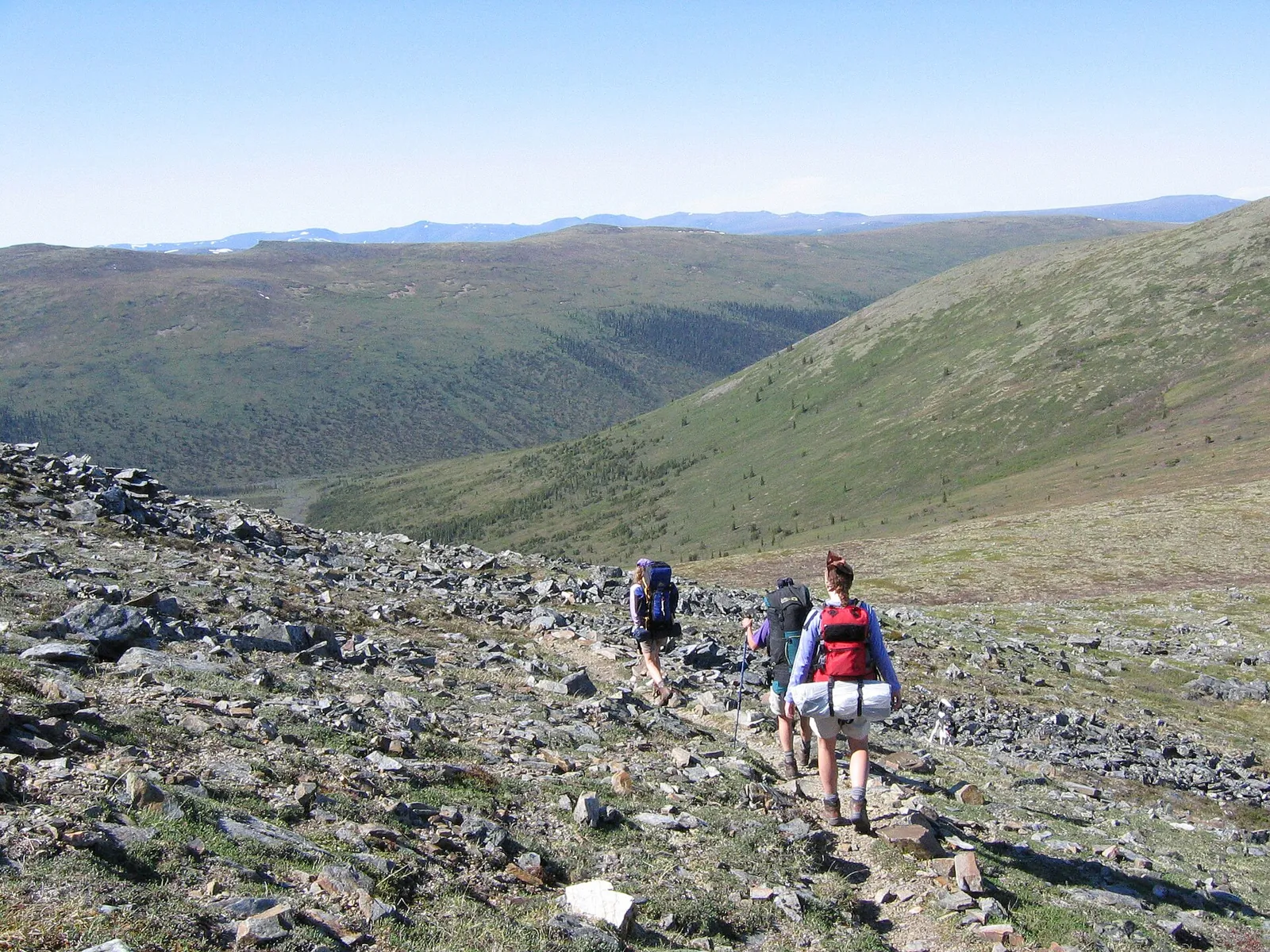
Image credits. Top image: Hikers on the Pinnell Mountain National Recreation Trail (29060583563) by Bureau of Land Management Alaska, CC BY 2.0, via Wikimedia Commons · In-article image: A backpack with trekking poles and shoes by SGrabarczuk (WMF), CC BY-SA 4.0, via Wikimedia Commons
Spotted something out of date or a gift that's no longer available? Tell our editors — we review every correction.