Gift Etiquette in Vanuatu: Kastom, Kava and Respectful Gifts
In Vanuatu, respecting kastom matters more than any gift. Here's how custom fees, host gifts and traditional exchanges of pigs, mats and kava work.
We independently research every pick. If you buy through our links we may earn a small commission, at no extra cost to you. Affiliate disclosure.
Quick answer
In Vanuatu, respect for kastom (custom) matters more than any gift you bring. Most village land, beaches and waterfalls are customarily owned, so ask permission before entering, pay any custom fee requested and follow your guide. In traditional life, pigs, woven mats and kava are the valuables exchanged at weddings, title ceremonies and reconciliations; visitors aren't expected to give these. If you're hosted, a modest, practical gift and a sincere thank-you (tankyu tumas in Bislama) are the right touch. Accept food or kava if it's offered.
- Key idea Kastom guides ceremony, dress and access to places
- Visiting villages Ask first; pay custom fees willingly
- Traditional valuables Pigs, mats and kava
- Big days Independence Day (July 30), Christmas, Family Day
What to give
The Vanuatu Tourism Office describes kastom as a living system of customs and ancestral practice: chiefs and customary rules decide land use, ceremonies and who may visit certain places. Visitors are welcomed as guests, not as customers. A gift, in this setting, is a way of showing respect for the people whose land and hospitality you're enjoying.
For a host family or bungalow host
If you're staying in a village bungalow or invited into a home, ask your host or guide what would be useful. Practical, shareable items generally make more sense than souvenirs, and a heartfelt thank-you counts: the tourism office notes that a tankyu tumas goes further than a tip.
For friends and in-laws
For ni-Vanuatu friends or in-laws, think of gifts that the wider household can use or enjoy together. For a wedding or other ceremony, ask a family member how guests from outside the family usually contribute, since customs vary from island to island.
Practical household or pantry goods
Why it works: Useful items the whole household can share suit village life better than ornaments.
Skip it if: your host suggests something else; ask first.
School supplies or books
Why it works: Practical for families with children; hand them to parents or a teacher rather than to kids directly.
Skip it if: you can't bring enough to share fairly.
A small specialty from your home country
Why it works: A taste of where you're from opens conversation and is easy to share.
Skip it if: it's alcohol and you don't know your hosts' preferences.
Pigs, mats and kava: traditional exchange
Traditional gifts in Vanuatu carry real social weight, and it's worth understanding them even though visitors aren't expected to give them:
- Pigs. Tusked pigs signify wealth, standing and patience and work almost like currency. They are exchanged at weddings, offered to settle disputes and presented when a man takes a chiefly title.
- Mats and kava in bride price. At a kastom wedding, pigs, hand-woven mats and kava form part of the bride price, which is negotiated well before the ceremony.
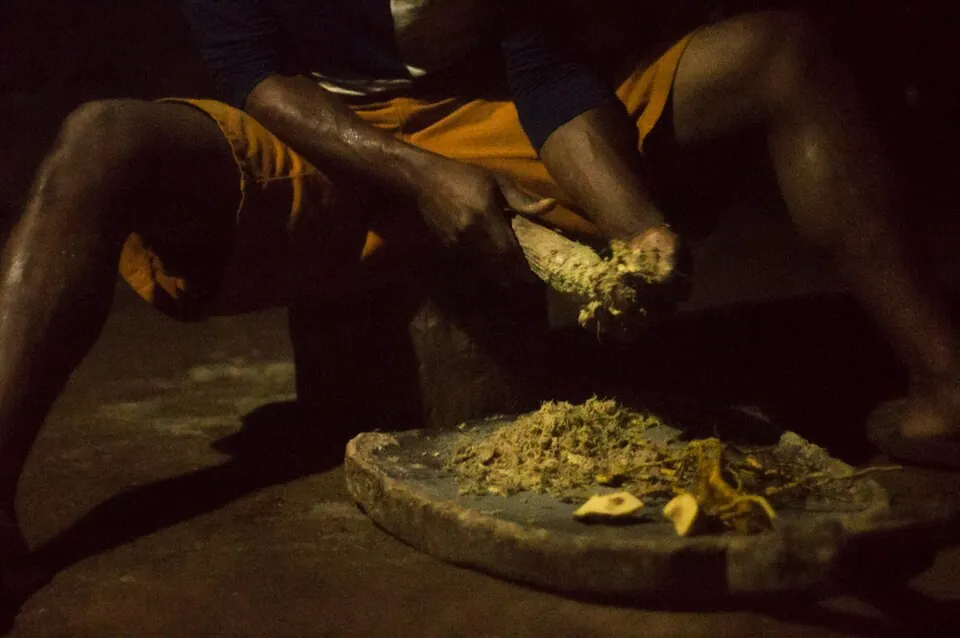
- Kava. Kava is poured to mark gatherings, welcome guests and resolve disagreements. Anthropologists writing in Cultural Survival Quarterly note that people exchange kava at life-cycle feasts marking births, marriages and deaths, and to settle neighborhood disputes.
Kava is traditionally drunk in a nakamal, and in many communities this has historically been a men's space; Cultural Survival Quarterly notes that women traditionally drank kava in only a few communities. In Port Vila's kava bars visitors can try it; in villages, follow your host's lead. Asking a host about their pigs, the tourism office suggests, is often a good way to start a deeper conversation.
What to avoid
- Entering land without permission. Village land, gardens, waterfalls, caves and many beaches are customarily owned; don't assume a path is public because you can see it from the road.
- Arguing over custom fees. A contribution is often expected for access; your guide or host can explain it. If you don't ask first, you may be asked for money afterward.
- Taking photos without asking. Always ask before photographing people, especially children, and before entering a home or nakamal.
- Ignoring tabu sites. Sacred places may be closed entirely to visitors.
- Revealing clothing in villages and town. Save swimwear for the beach and dress modestly when visiting villages.
- Refusing food or kava you're offered. Accept it graciously, even if you only take a little.
How to give and receive
- Greet people on arrival and speak quietly in villages.
- Go through the right person. Let your guide or host advise who should receive a gift or fee, rather than handing things out at random.
- Keep it modest and practical. Show thanks through words and respect rather than expensive items.
- Ask when unsure. As the tourism office puts it, a local yes is better than a confident assumption.
- Learn a little Bislama. Tankyu tumas (thank you very much) is always appreciated.
- Plan around Sundays and ceremonial days, which can change what's open.
Holidays and occasions
- Custom Chiefs Day (March 5) honors the role of chiefs and kastom.
- Children's Day (July 24) is a public holiday; small gifts or treats for children fit the day.
- Independence Day (July 30) is the biggest national celebration, marking independence in 1980.
- Christmas (December 25) and Family Day (December 26) are family and church occasions, often with shared meals. See our Christmas ideas.
- Weddings, funerals and title ceremonies are where traditional exchanges of pigs, mats, kava and food take place; follow the family's guidance.
Business gifting
Business gifting is not well documented for Vanuatu. In general, keep gifts modest, such as a well-made item from your home country or company, and present them openly. Relationships and respect for local leaders and kastom matter, so allow time for introductions. Anti-bribery laws in your home country may apply abroad, and many organizations restrict gifts to officials; check policies first. See our business gifts guide.
Frequently asked questions
What gift should I bring when visiting a village in Vanuatu?
Ask your guide or host. A modest, practical gift is appreciated, and paying any requested custom fee for access is part of showing respect.
What is kastom in Vanuatu?
Kastom is the living system of custom and ancestral practice. Chiefs and customary rules decide land use, ceremonies and who may visit certain places.
Why are pigs important in Vanuatu?
Tusked pigs signify wealth and standing. They are exchanged at weddings, offered to settle disputes and presented when a man takes a chiefly title.
Should I tip in Vanuatu?
Tipping isn't central to local custom; the tourism office notes that a sincere thank-you goes further than a tip.
Exploring more of the Pacific? See our Fiji and Solomon Islands guides, or browse all country guides.
Sources
- Vanuatu Tourism Office — Understanding Kastom. vanuatu.travel
- Vanuatu Tourism Office — Etiquette. vanuatu.travel
- Cultural Survival Quarterly — Kava, Cash, and Custom in Vanuatu. culturalsurvival.org
- Wikipedia — Public holidays in Vanuatu. en.wikipedia.org
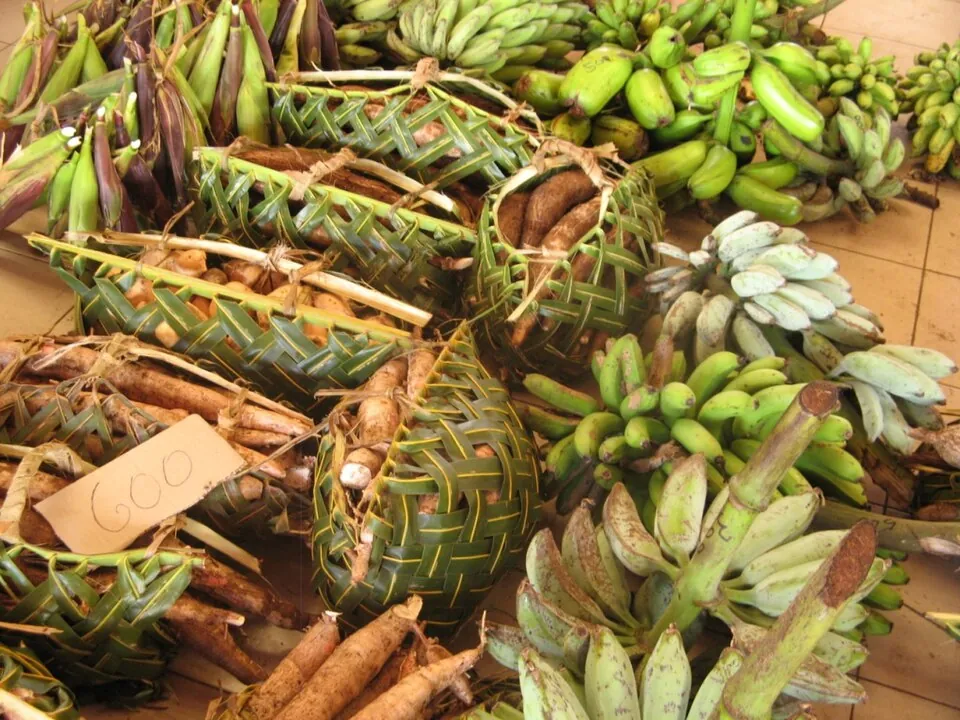
Image credits. Top image: Yams at Market Port Vila (4273975974) by Katia de la Luz, CC BY 2.0, via Wikimedia Commons · In-article image: Stone ground kava by mike hawkins, Public domain, via Wikimedia Commons
Spotted something out of date or a gift that's no longer available? Tell our editors — we review every correction.




