Gift Etiquette in Tunisia: Host Gifts, Eid Sweets and Business Tips
In Tunisia the thought behind a gift matters more than its price. Here is what to bring a host, what to avoid, and how gifts work at Eid and in business.
We independently research every pick. If you buy through our links we may earn a small commission, at no extra cost to you. Affiliate disclosure.
Quick answer
When you are invited to a Tunisian home, bring a small gift such as pastries, fruit, nuts, sweets or flowers. Modest gifts such as dates, figs, good stationery or a craft from your home country also work for friends and colleagues. Skip alcohol unless you know the person drinks, and avoid anything so expensive that it creates an obligation. Don't be surprised if your gift is set aside unopened. The thought behind it counts more than the price.
- Host gift Pastries, fruit, nuts, sweets or flowers
- Careful with Alcohol and lavish gifts
- Opening Gifts may not be opened right away
- Big gift times Eid al-Fitr, Eid al-Adha, weddings and family visits
Most Tunisians are Sunni Muslims, and Islam shapes family life and the working week, but personal observance varies widely. Tunisia also has Jewish, Christian and other communities. Arabic is the official language, everyday speech is Tunisian Arabic (Tunsi or Darija), and French remains important in business and education. The tips below are general; follow your host's lead.
What to give
Commisceo Global sums up the Tunisian approach well: the thought and personal connection a gift represents usually matter more than its financial value. Modest, well-chosen gifts are the norm.
For a host
Pastries, fruit, nuts, sweets or flowers are all suitable when you visit a home. A box from a good pastry shop is easy to share with the whole household. If you are unsure whether your invitation includes your partner, ask before you go.
For friends, in-laws and colleagues
Dates and dried figs, quality stationery or a craft from your home country show care without overdoing it. For in-laws or close friends, something connected to your own region gives you a story to tell over tea.
A box of pastries or sweets
Why it works: Easy to share, suitable for almost every household and one of the most common host gifts.
Skip it if: you are visiting during Ramadan daylight hours; bring it to an evening visit instead.
Premium dates, figs or nuts
Why it works: Familiar, festive and halal, and a nicely packed box looks generous without being lavish.
Skip it if: your host grows or sells them; choose something from your own country.
A craft or quality stationery from home
Why it works: Personal and practical, and well suited to colleagues and business contacts.
Skip it if: it carries a high price tag that could feel like an obligation.
Flowers for the hostess
Why it works: Flowers are listed among suitable gifts for a home visit and need no explanation.
Skip it if: you are bringing a business gift; a small item from home is more appropriate.
More ideas that travel well are in our food gifts guide.
What to avoid
- Alcohol as a default gift. Alcohol is sold in Tunisia, but many Tunisians do not drink for religious reasons. Give it only if you know the person drinks.
- Pork or non-halal food for Muslim hosts. Stick to sweets, fruit, nuts or non-food gifts with clear labels.
- Lavish gifts. An expensive present can create an uncomfortable sense of obligation.
- Assuming everyone observes the same way. Practice varies a lot; respect religious customs without assuming every Tunisian follows them identically.
- Eating or drinking in public during Ramadan daylight hours. It is considerate to avoid this, and to time gift visits for the evening.
How to give and receive
- Greet each person individually, starting with the oldest or most senior when that is clear, and say goodbye to each person when you leave.
- Handshakes are common between people of the same sex. A man should wait for a Tunisian woman to offer her hand; if she doesn't, a polite nod is fine.
- Use your right hand to eat and pass food in traditional settings, and take food from the part of a shared dish nearest you.
- Expect generous hospitality. Hosts will offer food and drink repeatedly and encourage second helpings. Compliment the home and the meal sincerely.
- Don't expect the gift to be opened in front of you. It is often set aside for later.
- Remove your shoes if asked, and dress respectfully for a family visit.
Need a tidy finish? See our gift wrapping ideas.
Holidays and occasions
Eid al-Fitr (date varies)
Eid al-Fitr marks the end of Ramadan and follows the Islamic lunar calendar, so the date changes each year. Families gather after the morning prayers and visit relatives; in Tunis, imams use the Eid sermon to encourage forgiveness and family visits. Sweets are central. In the town of Hammam al-Ghezaz near Tunis, for example, families bake kaak, ring-shaped biscuits filled with dates, in traditional ovens to mark the holiday. A box of pastries or a tin of sweets is the natural gift if you are invited to an Eid visit, and many families also give small gifts or money to children.
Eid al-Adha, Mawlid and the Islamic New Year (dates vary)
Eid al-Adha, the Feast of the Sacrifice, is a family holiday centered on a shared meal. Mawlid (the Prophet's birthday) and the Islamic New Year are also public holidays. All follow the lunar calendar.
National holidays
Independence Day (March 20), Martyrs' Day (April 9), Republic Day (July 25), Women's Day (August 13), Evacuation Day (October 15) and Revolution and Youth Day (December 17) are public holidays. They are civic occasions rather than gift-giving days, though they can affect business schedules.
Business gifting
Tunisian business practices broadly resemble European ones and are fairly formal. Allow time for greetings, refreshments and small talk before the agenda, offer business cards to the most senior person first, and agree the meeting language (Arabic, French or English) in advance. Friday midday prayers and Ramadan working hours can affect availability.
The U.S. Commercial Service notes that exchanging inexpensive gifts is a common practice, but visitors should not offer high-value items. A craft from your home country, a book or quality stationery is ideal. Anti-bribery rules in Tunisia and in your home country can apply to gifts and hospitality, especially for public officials, and many companies set value limits, so check both organizations' policies. For more ideas, see our business gifts section.
Frequently asked questions
What should I bring to a Tunisian host?
Pastries, sweets, fruit, nuts or flowers are all suitable. Keep it modest and avoid alcohol unless you know your hosts drink.
Is it OK to give alcohol in Tunisia?
Alcohol is available in Tunisia, but many people abstain for religious reasons. Only give it if you are sure the recipient drinks.
Do Tunisians open gifts immediately?
Not always. A gift may be set aside and opened later, which is normal and not a sign of disinterest.
What are good business gifts in Tunisia?
Inexpensive, thoughtful items such as a craft from your home country, quality stationery or a book. Avoid high-value gifts, particularly for public officials.
What sweets are eaten at Eid in Tunisia?
Pastries and biscuits are a big part of Eid al-Fitr; kaak, a date-filled ring biscuit, is a well-known example, and families share sweets with visitors.
Planning a wider trip in North Africa? Read our guides to Morocco, Algeria and Egypt, or browse all country etiquette guides.
Sources
- Commisceo Global — Tunisia Guide. commisceo-global.com
- International Trade Administration — Tunisia Country Commercial Guide: Business Travel. trade.gov
- Anadolu Agency — Kaak: Tunisia's quintessential Eid al-Fitr dessert. aa.com.tr
- CGTN — Muslims in Tunisia celebrate Eid al-Fitr. news.cgtn.com
- Wikipedia — Public holidays in Tunisia. en.wikipedia.org
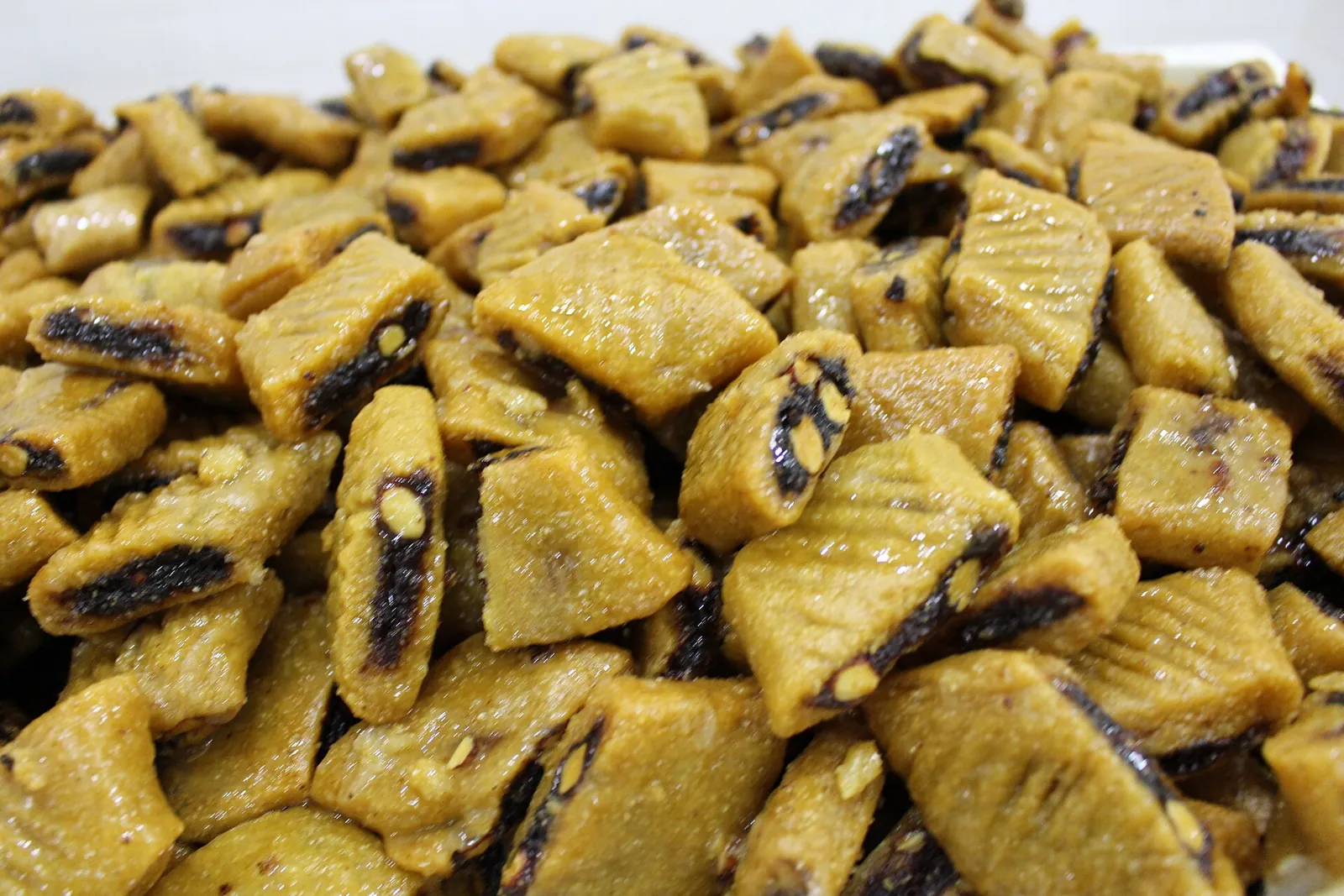
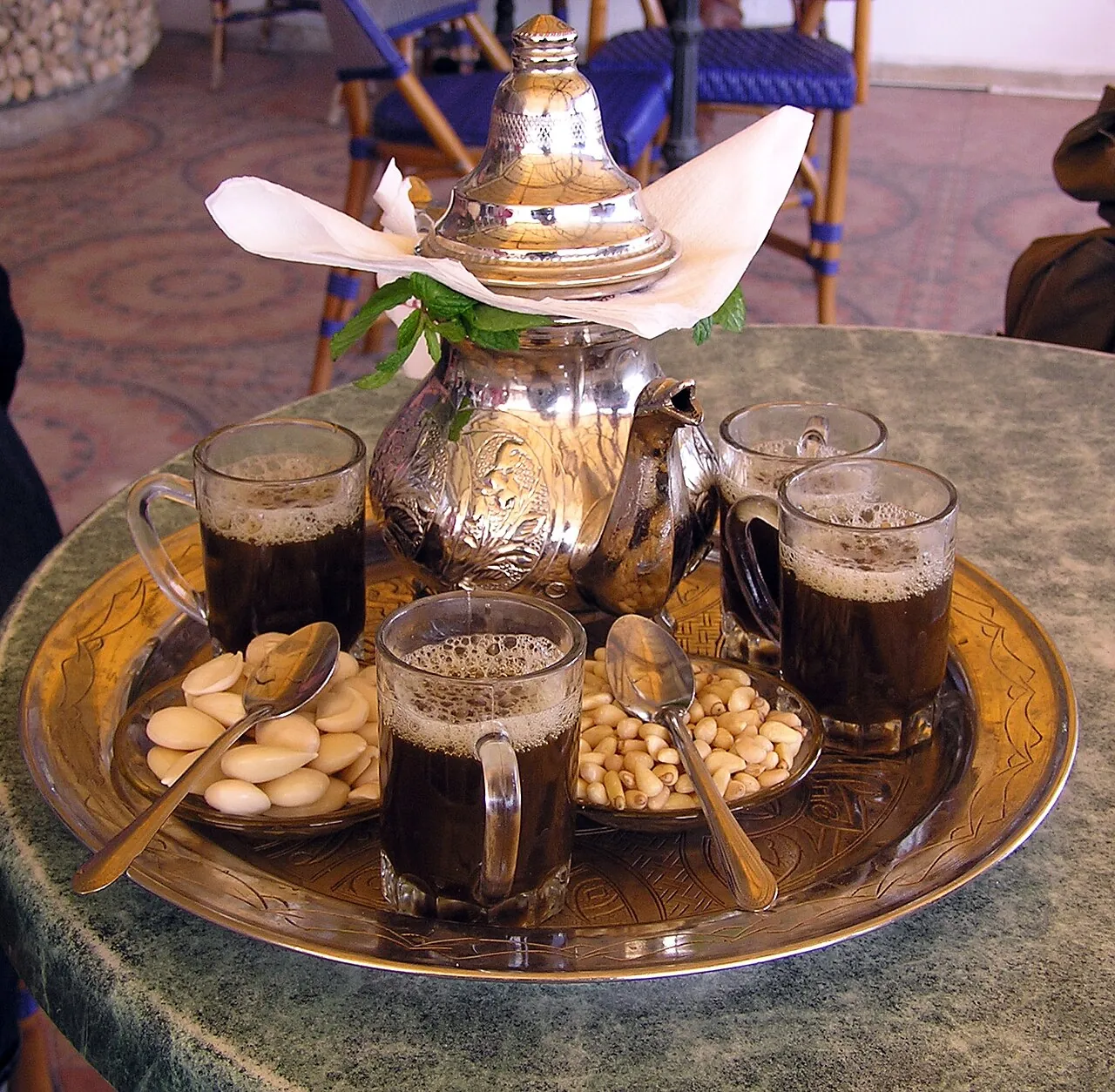
Image credits. Top image: Makroudh Pâtisserie tunisienne 01 by Zeinebtakouti, CC BY-SA 4.0, via Wikimedia Commons · In-article image: Tunisian Tea with pine nuts by sky#walker, CC BY-SA 2.0, via Wikimedia Commons
Spotted something out of date or a gift that's no longer available? Tell our editors — we review every correction.