Gift Etiquette in Tanzania: Host Gifts, Greetings and Holidays
In Tanzania, modest gifts and unhurried greetings go a long way. Here is what to bring a host, how to hand it over, and how gifts work at Christmas, Idd and in business.
We independently research every pick. If you buy through our links we may earn a small commission, at no extra cost to you. Affiliate disclosure.
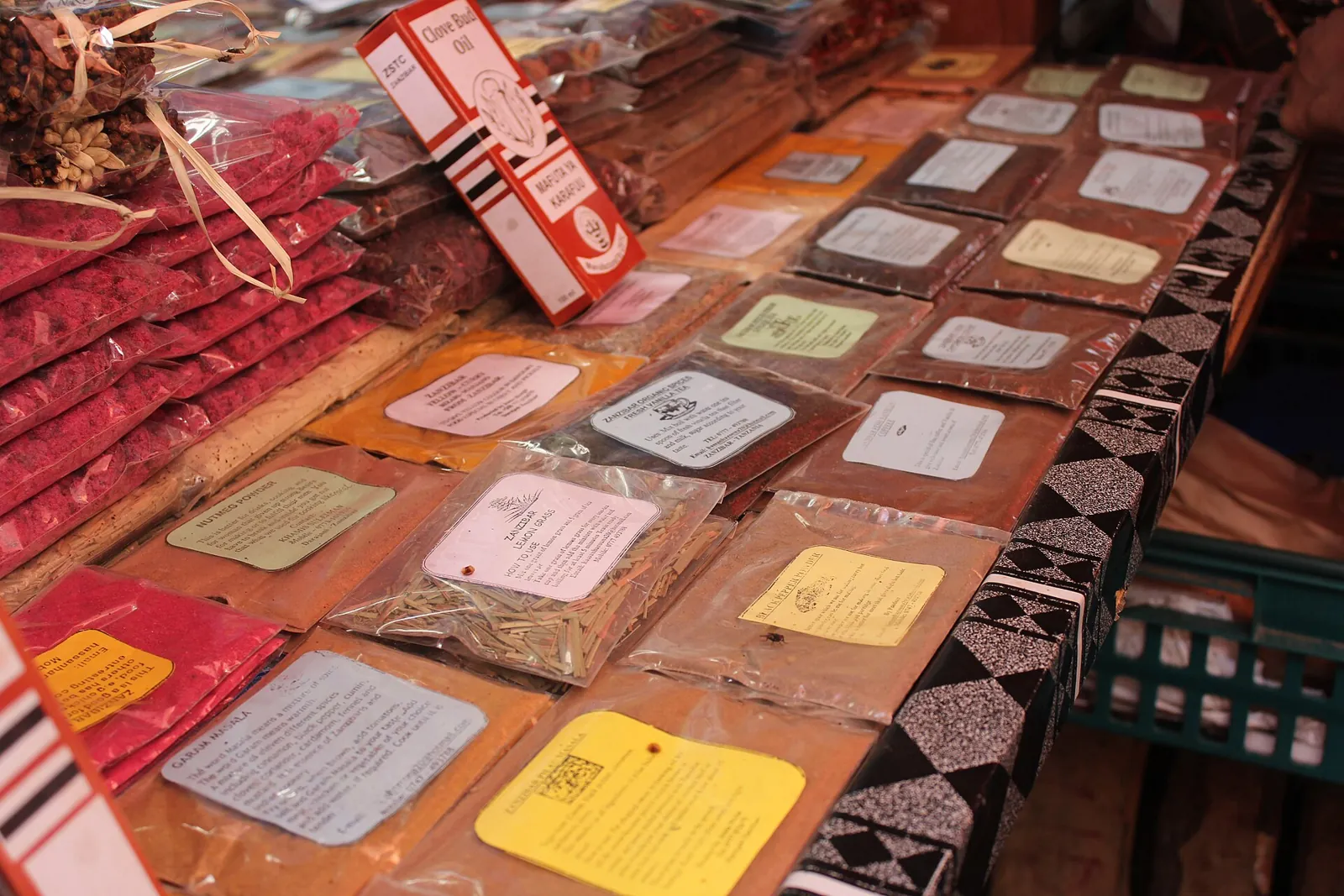
Quick answer
In Tanzania, a modest, thoughtful gift is best. When visiting a home, bring sweets, flowers or food to share, hand it over with your right hand or both hands, and don't expect it to be opened in front of you. Leave alcohol out when visiting a Muslim household, which is common on Zanzibar and the coast. Take your time over greetings, and greet elders with shikamoo.
- Host gift Sweets, flowers or food to share
- Hand to use Right hand or both hands
- Careful with Alcohol, especially in Muslim homes
- Big gift times Christmas, Eid (Idd), weddings and family milestones
Tanzania is home to Christians, Muslims and people who follow traditional beliefs, sometimes alongside one of the major faiths. Islam is strongest on Zanzibar and along the coast. Kiswahili is the shared national language, and English is widely used in business and higher education. Don't assume someone's faith or habits from their name, clothing or region; follow your host's lead.
What to give
Commisceo Global describes Tanzanian gifts as best kept modest and thoughtful. Expensive presents can raise concerns about obligation, especially in a work context.
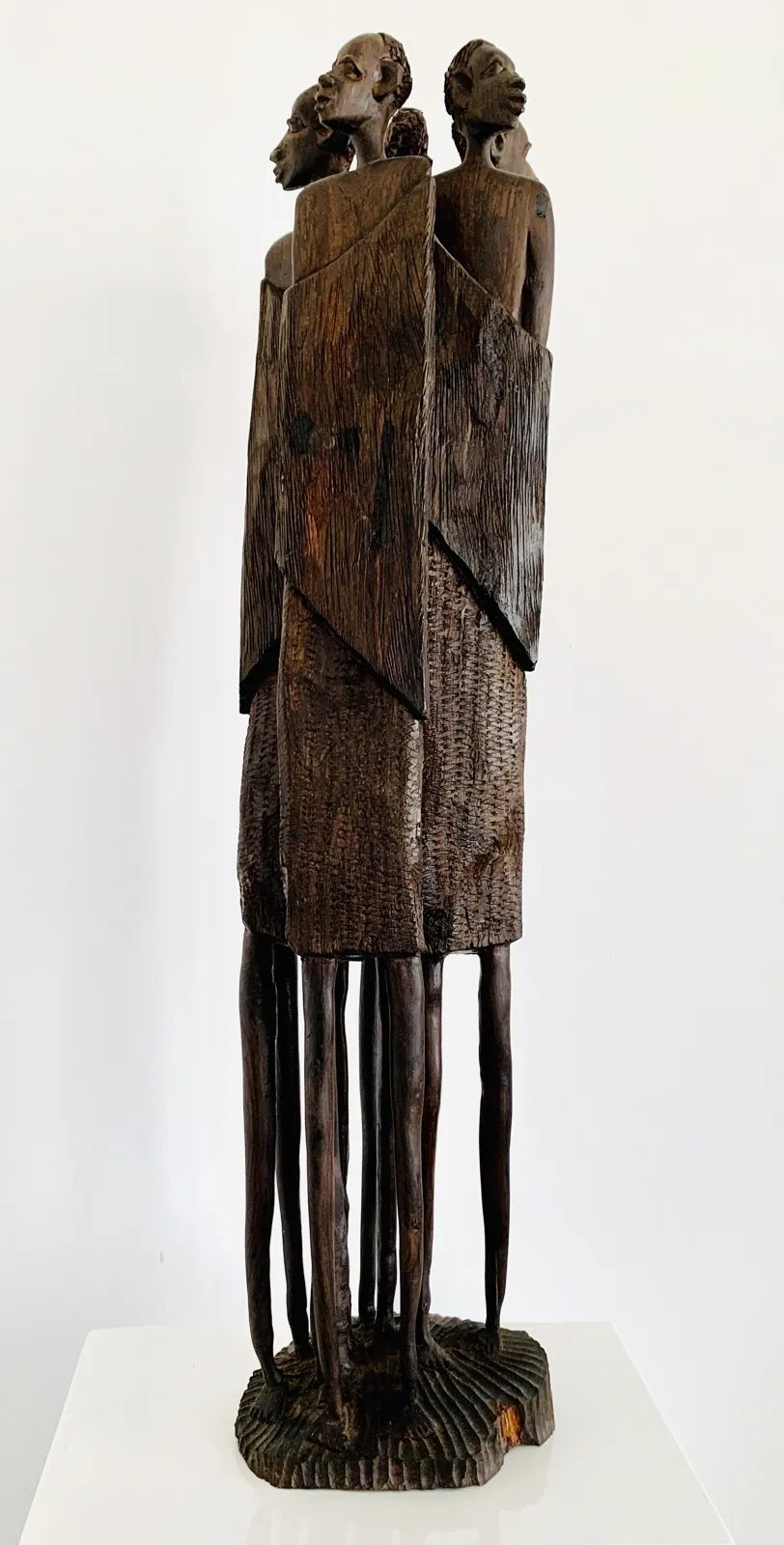
For a host
Sweets, flowers or food that the household can share are all suitable when you are invited home. Arrive with a greeting and, where appropriate, say "Hodi" before entering, which is the customary way to announce yourself at a door. Check whether others are removing their shoes.
For friends, in-laws and colleagues
A quality item from your home country, a book, or a practical household item suits people you know well. For elders, a thoughtful version of something they use every day shows respect without being showy.
Sweets or baked goods to share
Why it works: Food gifts suit home visits and are easy to share with a large household.
Skip it if: you cannot confirm ingredients for a Muslim family; choose clearly labeled packaged sweets.
Flowers for the host
Why it works: Flowers are listed among suitable home-visit gifts and need no explanation.
Skip it if: you are visiting a rural household, where food to share is usually more useful.
A well-made item from your home region
Why it works: Personal and modest, and a natural thank-you after a completed project or a home invitation.
Skip it if: the recipient is a public official; check compliance rules first.
Browse our food gifts guide for more shareable ideas.
What to avoid
- Using the left hand. Use your right hand for greeting, eating and giving or receiving gifts and money. Touching people or food with the left hand is considered impolite.
- Alcohol in Muslim households. Leave it out, and in general don't give alcohol unless you know the recipient's preferences and religious background.
- Pork or non-halal food for Muslim hosts. Don't serve or give these unless you have confirmed preferences.
- Expensive gifts. They can create a sense of obligation or, in business, look like improper influence.
- Handing out sweets to children in the street. Travel guides warn this can encourage children to skip school to beg. Gifts for children of families you are visiting are a different matter.
- Rushing greetings. Cutting a greeting short can seem impatient or dismissive.
How to give and receive
- Greet properly first. Ask about the person's day, family or work before getting to the point. Say shikamoo to anyone older than you; the usual reply is marahaba.
- Show extra respect to elders. When shaking an elder's hand, bow slightly and hold your right elbow with your left hand.
- Give with the right hand or both hands, and don't expect the gift to be opened right away.
- Accept some food or drink. Hosts often offer refreshments as a choice ("How would you like your tea?") rather than a yes-or-no question. If you really don't want anything, saying you are full is the polite answer, and taking at least a little shows appreciation.
- Follow the lead on cross-gender handshakes. In Muslim settings, and especially on Zanzibar, wait for a woman to indicate whether a handshake is appropriate.
- Stay for conversation rather than leaving right after the meal.
Our gift wrapping page has simple ideas if you want a neat presentation.
Holidays and occasions
Christmas (December 25) and Boxing Day (December 26)
Both are public holidays. For Christian friends and colleagues, Christmas is a church and family occasion, and a small gift for the household or a contribution to the meal is a kind gesture. Good Friday and Easter Monday are also public holidays.
Idd el-Fitr and Idd el-Haji (dates vary)
Eid al-Fitr (Idd el-Fitri), which ends Ramadan, and Eid al-Adha (Idd el-Haji) are public holidays whose dates depend on the sighting of the moon, so they change every year. Ramadan and Eid shape hospitality and schedules, especially on Zanzibar and the coast. If Muslim friends invite you for Eid, sweets or a box of dates is a thoughtful contribution. Mawlid, the Prophet's birthday, is also a public holiday.
National holidays
Zanzibar Revolution Day (January 12), Union Day (April 26), Saba Saba (July 7), Nane Nane farmers' day (August 8), Nyerere Day (October 14) and Independence Day (December 9) are civic holidays rather than gift occasions.
Business gifting
Tanzanian business culture values rapport. Expect tea, conversation and personal questions before formal discussion, greet the most senior person first, and arrive on time yourself even if others are late. Formal dress and an exchange of business cards make a good first impression.
Be careful with gifts. Commisceo Global advises that business gifts be modest and clearly separate from commercial influence, and the U.S. Commercial Service notes that gifts can be perceived as bribes, particularly in dealings with government, and should be given only with the recipient's prior agreement. A modest gift may suit a completed project or a home invitation. Anti-bribery laws in Tanzania and in your home country can apply, and many companies set value limits, so check both organizations' rules first. Our business gifts section has more general guidance.
Frequently asked questions
What should I bring to a Tanzanian host?
Sweets, flowers or food to share. Keep it modest, hand it over with your right hand or both hands, and leave alcohol out if the household is Muslim.
What does "shikamoo" mean and when should I use it?
It is a respectful Kiswahili greeting for anyone older than you. The elder usually replies "marahaba."
Can I give alcohol as a gift in Tanzania?
Only if you know the recipient drinks. Avoid it entirely in Muslim households, which are common on Zanzibar and the coast.
Are business gifts appropriate in Tanzania?
Modest gifts can be, especially after a completed project, but expensive gifts may look like bribery. Avoid gifts to public officials without checking compliance rules.
Will my host open the gift in front of me?
Often not. Gifts may be set aside and opened later.
Traveling around East Africa? See our guides to Kenya and Uganda, or browse all country etiquette guides.
Sources
- Commisceo Global — Tanzania Guide. commisceo-global.com
- LangMedia, Five College Center for World Languages — Swahili in Tanzania: Greetings and Partings. langmedia.fivecolleges.edu
- World Nomads — Etiquette and Cultural Expectations in Tanzania. worldnomads.com
- International Trade Administration — Tanzania Country Commercial Guide: Business Travel. trade.gov
- Wikipedia — Public holidays in Tanzania. en.wikipedia.org
Image credits. Top image: Spice Market in Stone town Zanzibar by Kennedy Bundi, CC BY-SA 4.0, via Wikimedia Commons · In-article image: Makonde sculpture Ujamaa by Munfarid1, CC BY-SA 4.0, via Wikimedia Commons
Spotted something out of date or a gift that's no longer available? Tell our editors — we review every correction.




