Syrian gift etiquette: hospitality, sweets and holiday customs
Syrian hospitality is famous, and a well-chosen box of sweets is the easiest way to honor it. Here is what to give, what to avoid and how offers and refusals work.
We independently research every pick. If you buy through our links we may earn a small commission, at no extra cost to you. Affiliate disclosure.
Quick answer
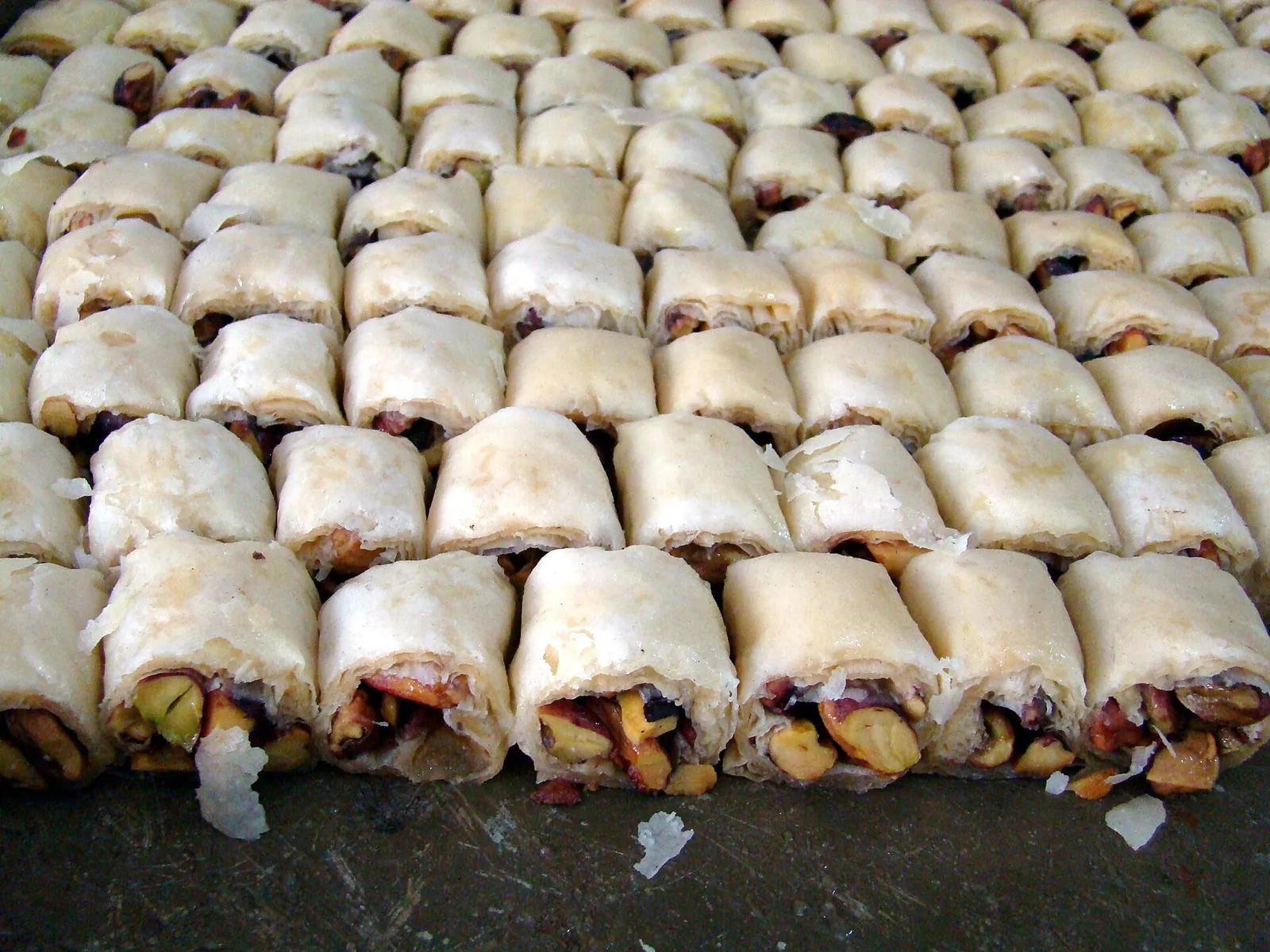
When visiting a Syrian family, at home or in the diaspora, bring a modest, tasteful gift: quality sweets, nuts, dried fruit or pastries are always appropriate, and something for the children is appreciated. Offer it with your right hand or both hands. Avoid alcohol unless you are certain your host drinks. Expect to politely decline food or a gift once before accepting when your host insists; it is part of the courtesy on both sides.
- Safe host gift Quality sweets, nuts, dried fruit, pastries
- Typical budget $15 – $50
- Giving Right hand or both hands
- Check first Alcohol, pork and gelatin
Hospitality sits at the heart of Syrian social life, and a generous welcome is a matter of pride. Friends and relatives often drop by without an invitation, and hosts are expected to stop what they are doing and look after their guests. Syria is home to a Muslim majority and long-established Christian communities, and levels of religious observance vary widely, so the most useful gifts are ones that work in any household. Many readers will meet these customs through Syrian friends, colleagues or in-laws living abroad, where the same traditions are often kept.
What to give
For a host or family
Food gifts are the standard. Choose quality over size and keep the gift tasteful rather than expensive; the gesture should support the friendship, not create a sense of obligation.
A box of Middle Eastern sweets or ma'amoul
Why it works: Quality sweets are a popular gift for visits and are shared with everyone. Ma'amoul, a date- or nut-filled shortbread, is especially fitting around Eid and Easter.
Skip it if: The family is in mourning; ask a friend what is suitable.
A gift tin of nuts and dried fruit
Why it works: Nuts and dried fruit are classic visiting gifts. Pistachios carry particular pride for anyone from Aleppo.
Skip it if: Someone in the family has a nut allergy.
A small present for the children
Why it works: A gift for the host's family is appreciated, and a book, game or treat for the children is warm without being lavish.
Skip it if: You don't know how many children there are; bring something they can share.
For friends, coworkers and in-laws
For a Syrian coworker or friend, a quality food gift, a book or something linked to their interests works well. For in-laws, err toward generosity in quality but modesty in price: fine sweets, flowers for the home, or something useful for serving guests, such as a coffee set. Our food gifts guide has more ideas.
What to avoid
- Alcohol, unless you are sure. Observant Muslims don't drink, though practice varies and some Syrians, including some Muslims, do. If you don't know, choose sweets.
- Pork and hidden pork or alcohol. Observant Muslims avoid food containing even traces of pork or alcohol, so check gelatin and flavorings.
- Expensive gifts. Something lavish can feel transactional or put pressure on your host to reciprocate.
- Using your left hand. Offer and receive items with your right hand or both hands.
- Asking about religion or sect. Identity can be sensitive; let people share what they wish.
How to give and receive
- Use your right hand or both hands when giving, receiving, gesturing or passing food.
- Decline once, then accept. It is polite to refuse an offer at first and accept when your host insists; the refusal shows modesty and the insistence shows hospitality. Apply the same to a gift you are offered.
- Accept tea or coffee. If you must decline something, do it gently.
- Don't rush off. Leaving too quickly can make your host feel rejected. Thank them warmly as you go.
- Dress modestly for a home visit, and wait to be shown where to sit.
- Let a woman offer her hand first if you are a man greeting a woman.
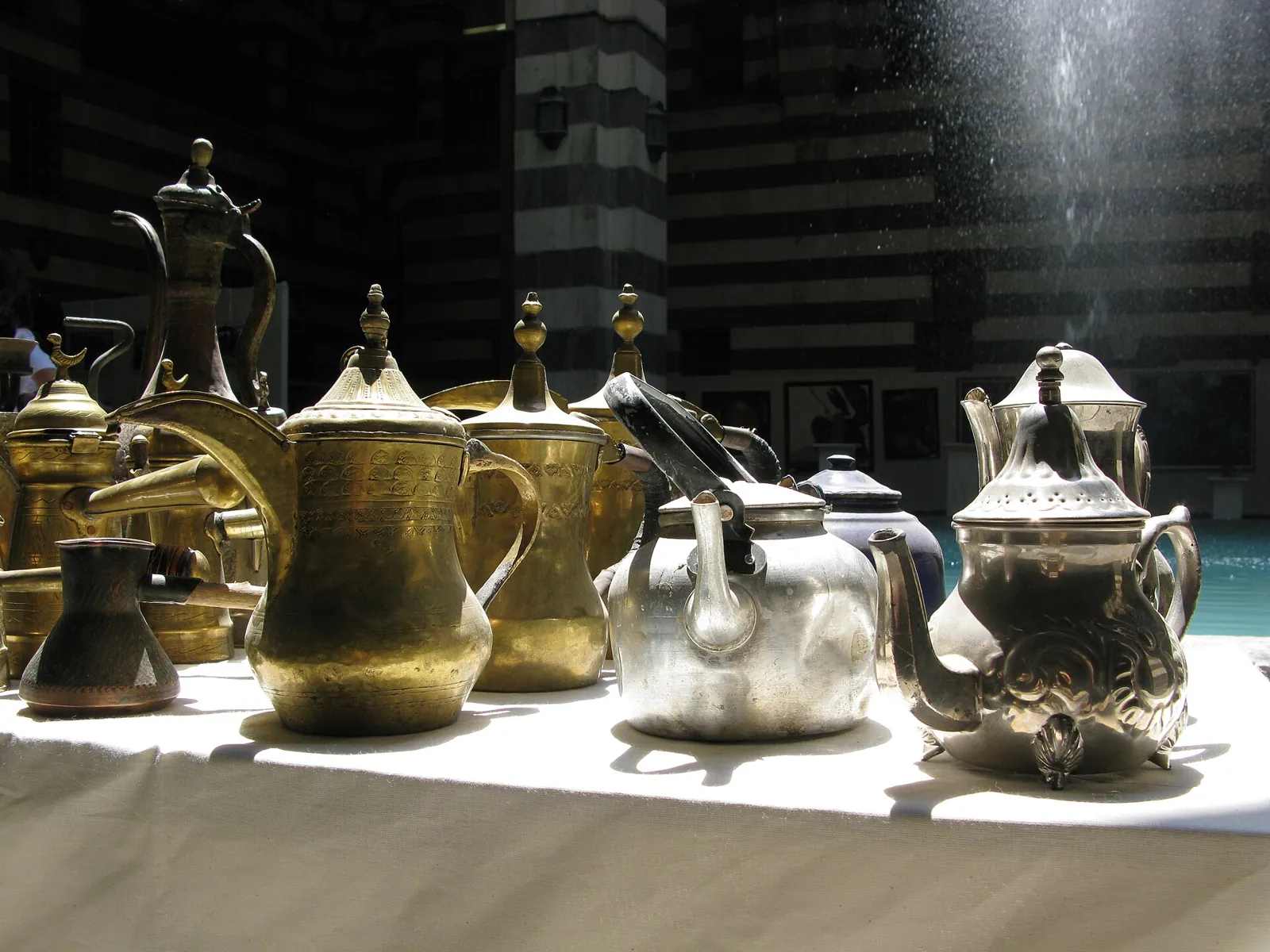
If you arrive while someone is eating, expect to be offered some of the food; politely decline at first, as is customary. Lunch, eaten around 2 or 3 p.m., is the main meal of the day. When the bill comes at a café or restaurant, it is not split; offer to pay, then let the oldest or host prevail after a polite back-and-forth.
Holidays and occasions
Ramadan and Eid
For Muslim families, Ramadan is a month of daytime fasting, with evenings centered on iftar, family visits and gatherings. Eid al-Fitr marks the end of the fast, and Eid al-Adha follows later in the year; both dates follow the Islamic lunar calendar and change each year. Visiting relatives and serving sweets, especially ma'amoul with coffee, is central to Eid, so a box of quality sweets is the ideal gift.
Christmas and Easter
Syria's Christian communities include Orthodox, Catholic and Protestant churches, and their Christmas and Easter dates depend on each church's calendar. Ma'amoul is also an Easter treat for many Christian families. Sweets, a small present for children or something for the home all suit a holiday visit; see our Christmas ideas.
Weddings, births and new homes
Family milestones are major social events. Customs differ by family and community, so ask a mutual friend what is usual. For a new home, practical items for hosting guests are always welcome.
If you are thinking of visiting Syria rather than gifting to Syrian friends abroad, check your government's current travel advice first.
Business gifting
Syrian business etiquette is warm, formal and hospitality-based. Gifts are not always expected in business, but a modest, thoughtful item can suit a relationship that has developed or a visit to a colleague's home. Quality sweets or a small item from your home country are good choices. Give with your right hand, keep the value modest, and follow your company's gift policy and the anti-bribery and trade rules that apply to you. See our business gifts guide for general ideas.
Frequently asked questions
What should I bring to a Syrian family's home?
Quality sweets, nuts, dried fruit or pastries, plus something small for the children if there are any. Keep it modest.
Should I refuse food a Syrian host offers?
It is polite to decline once and accept when your host insists. Outright refusal can make your host feel rejected.
Can I give alcohol to Syrian friends?
Only if you know they drink. Observant Muslims don't, though practice varies from family to family. Sweets are the safe choice.
What is a good Eid gift for a Syrian friend?
A box of quality sweets, ideally ma'amoul, which is traditionally served to Eid visitors with coffee.
Explore nearby customs in our Lebanon guide or browse all countries.
Sources
- The Cultural Atlas — Syrian culture: etiquette. theculturalatlas.org
- Commisceo Global — Syria country guide. commisceo-global.com
- Wikipedia — Ma'amoul. en.wikipedia.org
Image credits. Top image: Baklava shop, Damascus, Syria by James Gordon from Los Angeles, California, USA, CC BY 2.0, via Wikimedia Commons · In-article image: Syria, Damascus, Dallah, Arabic teapots by Vyacheslav Argenberg, CC BY 4.0, via Wikimedia Commons
Spotted something out of date or a gift that's no longer available? Tell our editors — we review every correction.




