Gift etiquette in Lebanon: host gifts, sweets and holiday customs
In Lebanon a gift says "we are friends" more than "this cost a lot." Here is what to bring a host, what to skip, and how gifts fit into Christmas, Easter and Eid.
We independently research every pick. If you buy through our links we may earn a small commission, at no extra cost to you. Affiliate disclosure.
Quick answer
When you are invited to a Lebanese home, bring something: cakes, pastries, sweets or flowers are the safest choices, and a small present for the children is always appreciated. Give it with your right hand or both hands. Lebanon is religiously diverse, so wine can be a welcome gift in one home and an awkward one in another; skip alcohol for Muslim hosts unless you know it is acceptable. What matters most is the friendship the gift expresses, not its price.
- Safe host gift Pastries, sweets, chocolates, flowers
- Typical budget $15 – $50
- Giving Right hand or both hands
- Check first Alcohol, if your host is Muslim
Hosting is a point of pride in Lebanon, and invitations to someone's home often come early in a friendship. Guests are welcomed generously, offered coffee, tea or food almost immediately, and urged to eat more than they planned. A gift is your way of answering that generosity, and Lebanese people tend to care far more about the thought behind it than about what it cost.
What to give
For a host
Cakes and sweets are the classic host gift, and flowers are also appropriate. A box from a good pastry shop, quality chocolates or a tin of nuts all work well. If your hosts have children, a small toy or book for them is a thoughtful extra.
A box of Middle Eastern pastries or quality chocolates
Why it works: Sweets are the expected host gift, suit any religious background and get shared with the whole family.
Skip it if: You know your host is avoiding sugar; flowers are then the easy alternative.
A flower arrangement
Why it works: Flowers are a standard, appropriate gift when visiting a home and avoid any dietary or religious question.
Skip it if: You are visiting during a time of mourning; ask a mutual friend what is suitable instead.
A small gift for the children
Why it works: Bringing something for the host's children is considered thoughtful and warms the whole visit.
Skip it if: You don't know the children's ages; sweets for the family table are safer.
For friends and in-laws
Because a gift stands for the friendship, personal choices land well: a book or food specialty from where you live, a framed photo of a shared occasion, or something tied to a hobby. For in-laws, err toward quality sweets, flowers and something for the home rather than anything flashy. Think about timing too; a gift that suddenly arrives with no occasion can feel out of step.
Wine or spirits are an acceptable host gift in many Lebanese homes, but many Lebanese Muslims do not drink, so only bring alcohol when you are sure it will be welcome.
What to avoid
- Alcohol for a Muslim host you don't know well. Many Lebanese Muslims do not drink, so a bottle may be unwelcome or put your host in an awkward spot.
- Assuming someone's religion. Lebanon officially recognizes many religious sects, and you can't tell someone's faith from their name, accent or neighborhood. When unsure, choose sweets or flowers.
- Arriving empty-handed for a meal. Bringing a gift such as cakes or sweets is customary when you visit a home.
- Refusing hospitality abruptly. Turning down coffee or food too bluntly can come across as cold. Accept at least a little.
- Leaving right after the meal. Dinner guests are expected to stay the evening; leaving straight after eating can seem rude.
How to give and receive
- Use your right hand or both hands to offer a gift, and receive gifts the same way.
- Greet the eldest first when you arrive, then hand over your gift.
- Accept coffee or tea. It shows you value your host's hospitality.
- Take a small first helping. Hosts will press seconds and even thirds on you, and accepting shows you are enjoying yourself.
- Expect your "no" to be challenged. A polite refusal may be treated as a formality and your host may insist. The closer you are to someone, the easier it is to decline.
- Dress well for a home visit; it shows respect for the invitation.
Lebanese social time is relaxed, and people often arrive somewhat late to gatherings, but don't read that as a reason to skip the gift or rush the visit. A thank-you message the next day is a nice touch; see our thank-you ideas.
Holidays and occasions
Christmas
Christmas on December 25 is a major holiday for Lebanon's Christians, many of them Maronite Catholics who attend Midnight Mass. The gift-bringer is Baba Noël. Nativity scenes are often more central than Christmas trees, and when people visit one another over the holidays, sugared almonds are traditionally served with strong coffee. Sweets, chocolates or a small present are good gifts when visiting during the season. See our Christmas ideas.
Easter
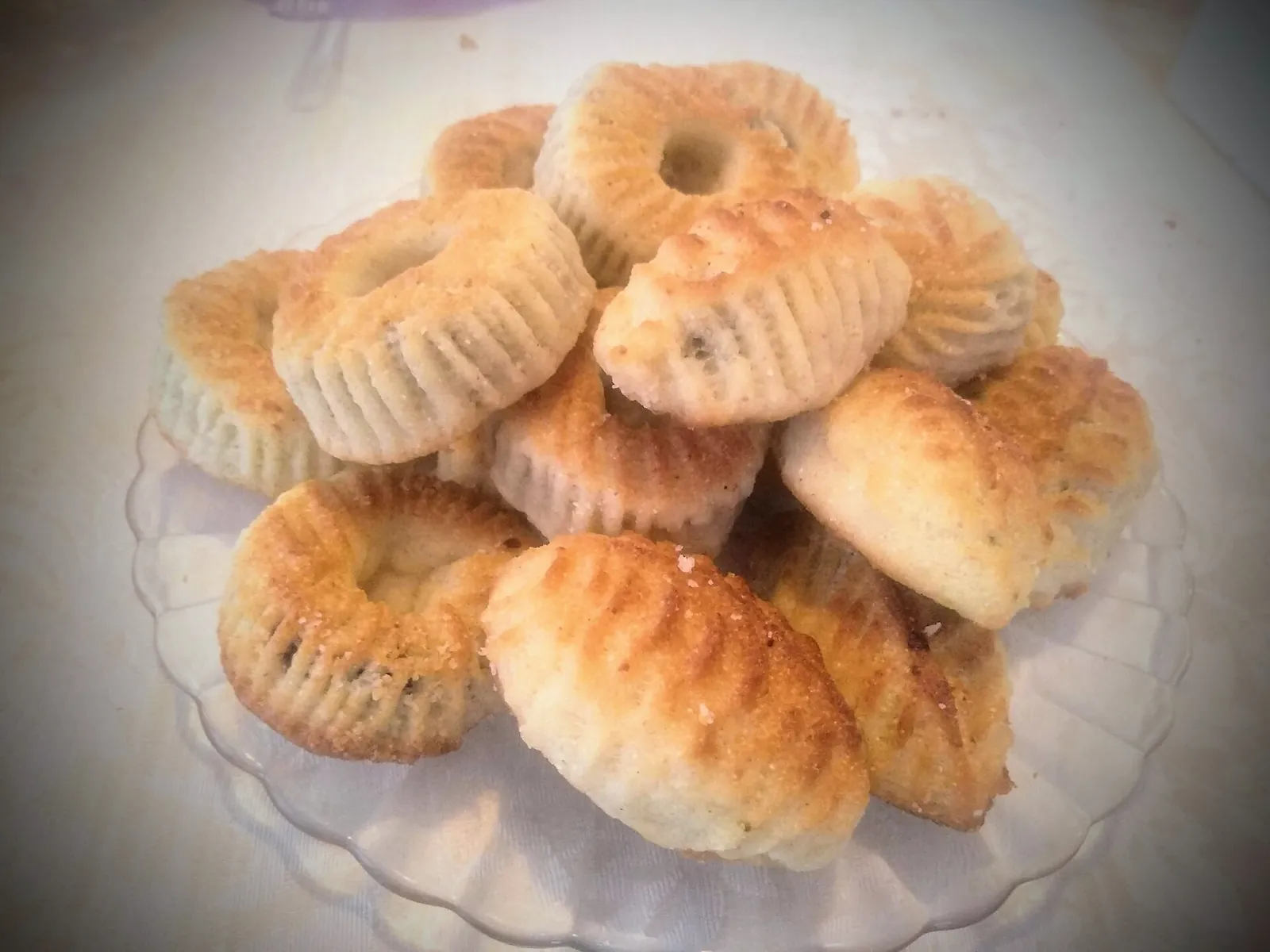
For Christian families, Easter is a time for ma'amoul, a semolina shortbread filled with dates, pistachios or walnuts. A box of good ma'amoul makes a fitting gift when visiting at Easter.
Ramadan and Eid
For Lebanese Muslims, Ramadan is a month of daytime fasting, and Eid al-Fitr marks its end; Eid al-Adha follows later in the year. Both dates follow the Islamic lunar calendar and change every year. Ma'amoul is closely tied to Eid and is commonly served to visitors with coffee. Sweets, pastries or dates are good gifts when visiting a family during Eid or when invited to an iftar meal.
Weddings and family occasions
Weddings, baptisms and new babies are other common gift occasions. Customs vary by community and family, so ask a mutual friend what is usual before choosing a wedding gift.
Business gifting
In Lebanon, hospitality is part of business. Expect coffee or tea and unhurried small talk before anything else, and accept it politely. Gifts are not a formal requirement, but a modest, well-chosen item, such as something from your home country or a box of sweets for the office, can help once a relationship has started. Keep the value low, give with the right hand or both hands, and avoid alcohol unless you know your counterpart well. Business cards with a French or Arabic side can make a good impression.
Follow your company's gift policy and the anti-bribery laws that apply to you, and be especially careful with anything given to public officials. For more ideas, see our guide to business gifts.
Frequently asked questions
What should I bring to a Lebanese home for dinner?
Cakes, pastries, sweets or flowers are the safest choices. A small gift for the children is a thoughtful extra.
Can I bring wine to a Lebanese host?
Only if you know your host drinks. Alcohol is a normal host gift in many homes, but many Lebanese Muslims do not drink, so choose sweets when you are unsure.
Is it rude to refuse food in Lebanon?
Refusing abruptly can seem cold. Take a small first helping so you can accept seconds, and decline politely if you are full; your host may insist once or twice.
What is a good gift for Eid or Easter in Lebanon?
A box of quality sweets, especially ma'amoul, the filled shortbread served at both Easter and Eid, is a fitting choice.
Do Lebanese people open gifts in front of you?
Practice varies by family. Follow your host's lead and don't press them to open it.
Planning a trip around the region? Browse more guides in countries, including Syria.
Sources
- The Cultural Atlas — Lebanese culture: etiquette. theculturalatlas.org
- Commisceo Global — Lebanon country guide. commisceo-global.com
- Why Christmas — Christmas in Lebanon. whychristmas.com
- Wikipedia — Ma'amoul. en.wikipedia.org
Image credits. Top image: كعك ومعمول by Fjmustak, CC BY-SA 4.0, via Wikimedia Commons · In-article image: Fakhry Bey steps in Beirut Souks by Olivier Vidal, CC BY-SA 4.0, via Wikimedia Commons
Spotted something out of date or a gift that's no longer available? Tell our editors — we review every correction.




