Gift Etiquette in Switzerland: Modest Gifts, Timing and Regions
In Switzerland, a modest gift and an on-time arrival say more than an expensive present. Here is what to bring, what to skip and how customs vary by region.
We independently research every pick. If you buy through our links we may earn a small commission, at no extra cost to you. Affiliate disclosure.
Quick answer
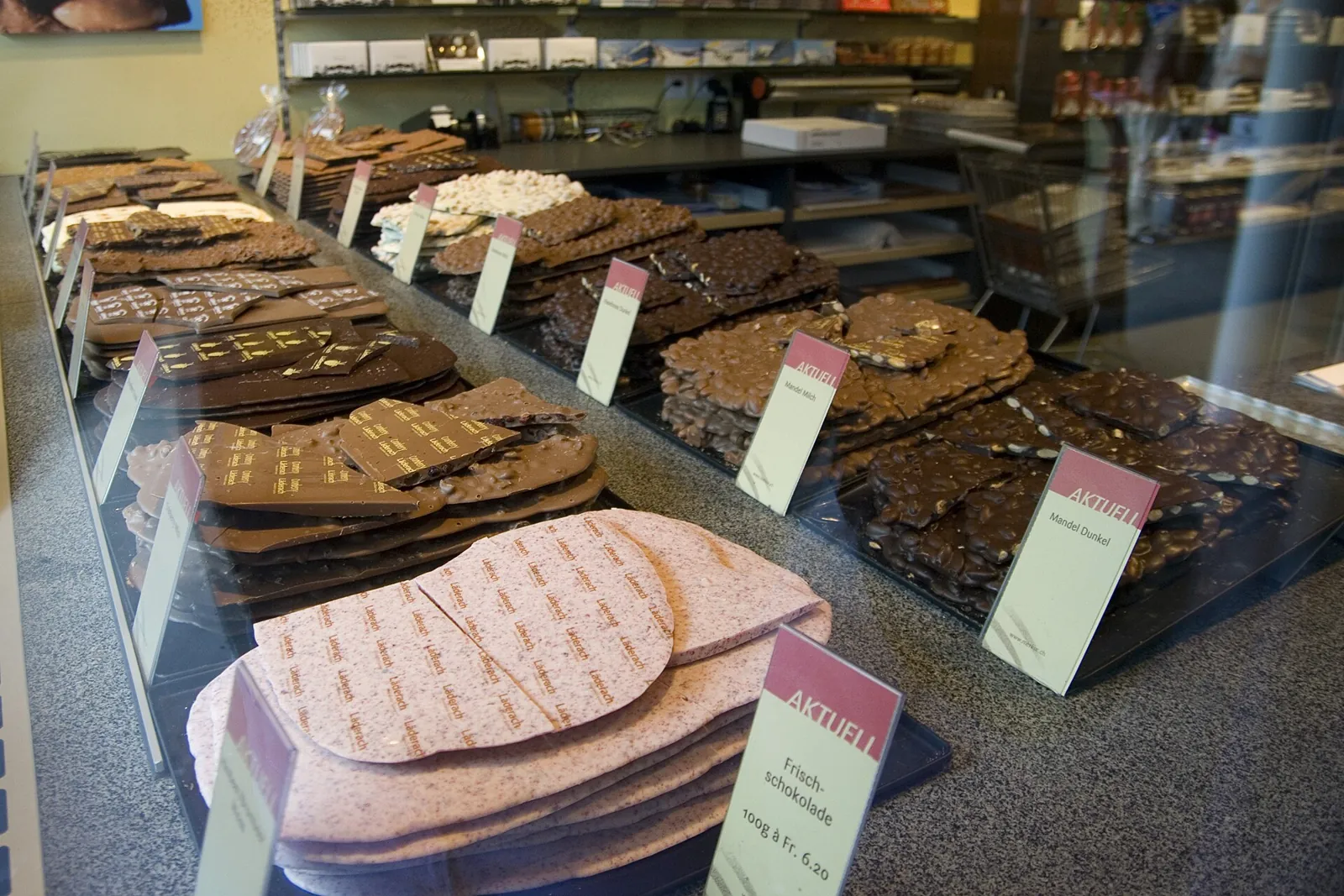
Swiss gift etiquette rewards modesty and good timing. When invited to a home, arrive on time with a bottle of wine, good chocolates or a seasonal bouquet, plus something small for any children. Keep the price sensible: flashy or expensive gifts can embarrass your hosts. Skip red roses unless the relationship is romantic, and remember that customs shift between German-, French- and Italian-speaking regions.
- Typical host gift $15 – $40
- Main gift days December 6 (Samichlaus) and Christmas Eve
- Punctuality Expected, even for social invitations
- Business gifts Uncommon; modest if given
What to give
Across the country, the safest approach is a small, thoughtful gift rather than an impressive one. Etiquette guides for expats and business visitors agree that the gesture matters more than the price tag, and that overly expensive presents can make a Swiss host uncomfortable.
For a host
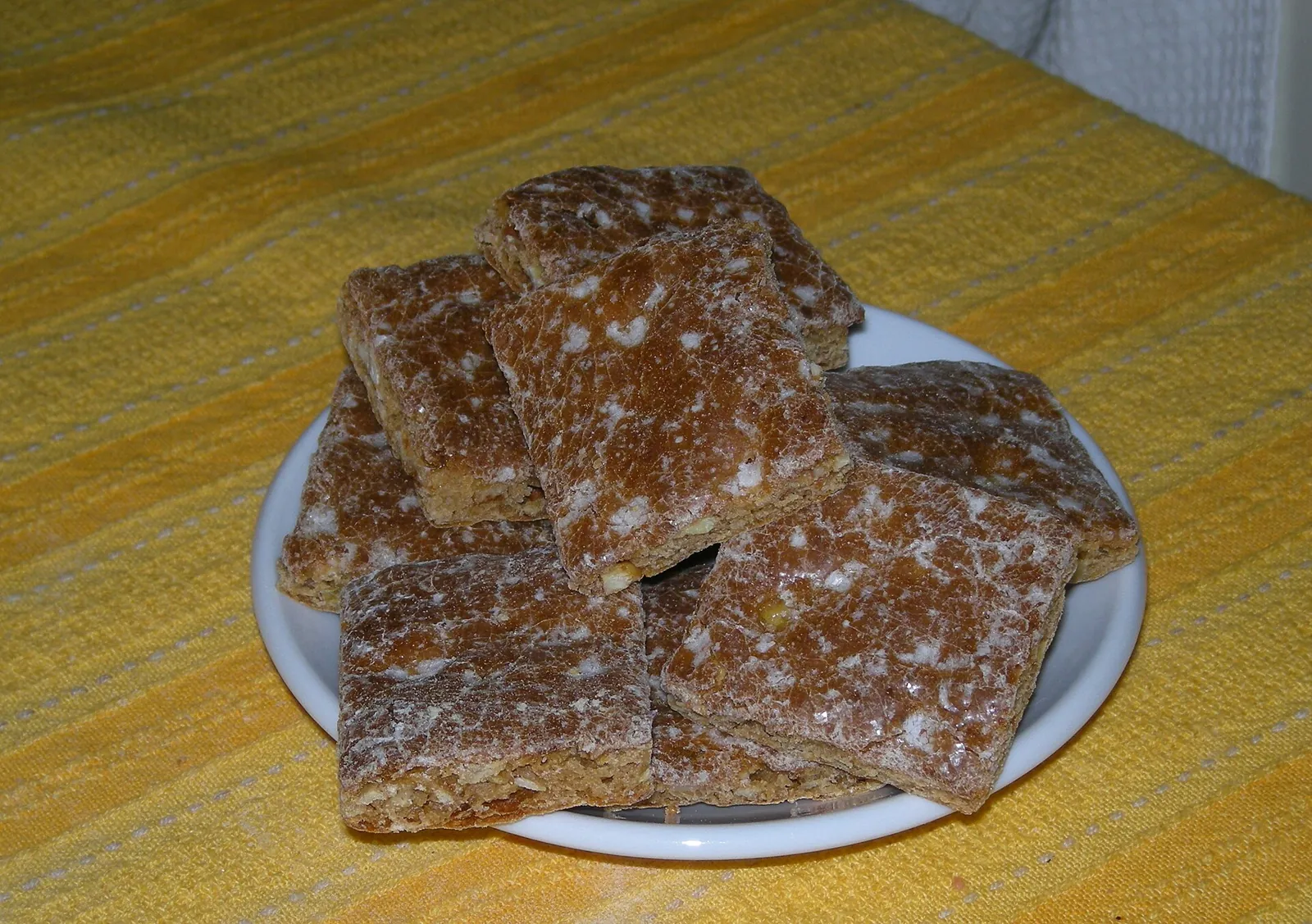
Most guests bring a bottle of wine or a seasonal bouquet when invited for dinner or a party. Chocolates or other sweets are also standard. Several guides suggest giving flowers in an odd number of stems, and many hosts appreciate a small treat or toy for their children. If you are coming from abroad, a food specialty from your own region is a pleasant conversation starter.
For friends, in-laws and coworkers
For birthdays and family occasions, practical or edible gifts are well received, and a handwritten card is a nice touch. An invitation to a Swiss home often signals that a relationship has moved beyond the formal stage, so treat it as a compliment. A thank-you note or message after the visit is appreciated. In the office, gifts are not part of everyday working life; a shared box of pastries for the team is more natural than individual presents.
A good bottle of wine
Why it works: Wine is one of the two gifts most guests bring to a dinner invitation, and a bottle from your home country gives you something to talk about.
Skip it if: you know the host does not drink; bring chocolates or flowers instead.
A seasonal bouquet
Why it works: Flowers are a classic host gift. Choose a mixed seasonal bunch, ideally with an odd number of stems.
Skip it if: the only option is red roses, which read as romantic.
Chocolates or a specialty from home
Why it works: Sweets are an easy, modest choice. In a country famous for chocolate, a specialty from your own region often lands better than a box of Swiss chocolate bought on the way.
Skip it if: it comes in oversized, showy packaging; modest and good quality is the goal.
A small gift for the children
Why it works: Guides repeatedly mention bringing something small for children in the household, such as a picture book or a treat.
Skip it if: you are unsure of ages or dietary rules; ask the parents first.
Looking for more ideas at this price? Browse our food gifts.
What to avoid
- Expensive or flashy gifts. They can seem tasteless and make the recipient feel uncomfortable or obliged.
- Red roses for a host. They signal romance, so save them for a partner.
- Knives or scissors. Some people associate sharp items with "cutting ties," so choose something else for a personal gift.
- Arriving late without warning. Punctuality is a sign of respect, including at parties. If you are running late, call ahead.
- Dropping in unannounced. Unplanned visits are usually reserved for close friends and family. Make sure your host is expecting you.
- Calling or visiting late in the evening. Unless it is an emergency, avoid phoning or turning up after about 9 p.m.
How to give and receive
- Be on time. Swiss punctuality is real. Business guides even describe arriving slightly early so that things can start exactly as agreed.
- Greet everyone. At a gathering, shake hands with each person, including children, and say goodbye the same way.
- Match the regional greeting. Use Grüezi in much of German-speaking Switzerland, Bonjour in the French-speaking west and Buongiorno in Italian-speaking Ticino. Casual "Hallo" can come across as too familiar with people you do not know.
- Keep it formal at first. Use surnames and the formal "you" (Sie, vous, Lei) until invited to switch. Close friends may greet with two or three kisses on the cheek, depending on the region.
- Wrap neatly and simply. Tidy paper and a card are enough. No particular wrapping colors or numbers are flagged as taboo, beyond the odd-number custom for flowers.
- Follow your host's lead. Wait to be seated, wait until everyone is served and someone wishes the table a good meal before starting, and make eye contact when toasting.
- Say thank you afterward. A short note or message the next day is appreciated.
Regional and language differences
Switzerland has four national languages: German, French, Italian and Romansh. Guides caution against generalizing, but note that the French-speaking Romandie can feel shaped by French social habits and Ticino can feel more expressive, while German-speaking areas are often described as more reserved. If you know which region your host comes from, our guides to Germany, France and Italy offer useful extra context, though Swiss customs are their own.
Holidays and occasions
Samichlaus (December 6)
On St. Nicholas Day, the Samichlaus visits children, often with his helper Schmutzli. Children may recite a short poem and receive mandarins, nuts, cookies or chocolate. Small edible treats are the norm, so this is not a day for big presents.
Christmas Eve
In many Swiss families, the main gift exchange happens on Christmas Eve, December 24. In German-speaking areas, the traditional gift-bringer is the Christkind (Christ Child) rather than Santa Claus. Customs vary by region and religious tradition; the Swiss National Museum notes, for example, that Ticino historically exchanged gifts on Epiphany, January 6. Christmas markets open across the country in the weeks before Christmas and are a good place to find modest gifts. See our Christmas gift guides for ideas.
Birthdays and other occasions
Birthdays and family milestones are the main personal gift occasions, and a modest present with a card fits the Swiss preference for understatement. If you are invited to any holiday meal, the usual host gift of wine, flowers or chocolates is appropriate. Find more birthday gift ideas.
Business gifting
Gifts are not central to Swiss business. They are more common in social or host settings than in routine commercial meetings, and if you do give one, wait until business or negotiations are concluded. Keep it modest: good chocolate, wine or a regional food product, offered without fuss. Reliability, preparation and punctuality matter far more to Swiss counterparts than any present.
Many Swiss companies and public bodies have internal rules on accepting gifts and hospitality, and anti-bribery laws apply in Switzerland as in other countries. Check the recipient's policy before sending anything of real value, and avoid gifts during tenders or negotiations. For general advice, see our business gifts guide.
Frequently asked questions
What should I bring to a Swiss dinner party?
A bottle of wine, a seasonal bouquet or good chocolates, plus something small if there are children. Arrive on time and keep the gift modest.
Should I bring flowers in an odd number?
Several etiquette guides recommend an odd number of stems in Switzerland. A mixed seasonal bouquet from a florist is a safe choice. Avoid red roses unless the gift is romantic.
Do Swiss colleagues exchange gifts at work?
Not usually. Gifts are uncommon in Swiss business, and if given they should be modest and come after any negotiations are finished.
When do Swiss children get Christmas presents?
Many children receive small treats from the Samichlaus on December 6 and their main presents on Christmas Eve, though customs vary by region and family.
Is it rude to arrive early in Switzerland?
Arriving on time matters most. In business, arriving a little early is common. For a dinner at someone's home, aim to arrive at the agreed time rather than well ahead of it.
Planning more travel? Browse all our country gift guides.
Sources
- Commisceo Global — Switzerland Business Culture Guide. commisceo-global.com
- Expatica — Swiss culture: social etiquette in Switzerland. expatica.com
- The Local Switzerland — The dos and don'ts of Swiss social etiquette. thelocal.ch
- Newly Swissed — A primer on Swiss etiquette. newlyswissed.com
- Swiss National Museum blog — Christkind or Samichlaus? blog.nationalmuseum.ch
Image credits. Top image: Swiss Chocolate at Interlaken by Maksym Kozlenko, CC BY-SA 4.0, via Wikimedia Commons · In-article image: Leckerli by Velq1958, CC BY 3.0, via Wikimedia Commons
Spotted something out of date or a gift that's no longer available? Tell our editors — we review every correction.




