Gift Etiquette in Sri Lanka: What to Give, Avoid and How to Present It
Gifts in Sri Lanka tend to be modest and sentimental. Here is what to bring a host, what to skip for Buddhist, Hindu, Muslim and Christian friends, and how New Year gifting works.
We independently research every pick. If you buy through our links we may earn a small commission, at no extra cost to you. Affiliate disclosure.
Quick answer
In Sri Lanka, gifts are usually symbolic or sentimental rather than lavish. When you visit a home, bring sweets, chocolates or a small item from your home country. Offer it with both hands, or with your right hand while touching your right forearm with your left. Expect the gift to be set aside and opened later. Skip flowers, which are tied to mourning, weddings and religious offerings, avoid black or white wrapping, and match food gifts to the family's faith: no pork or alcohol for Muslims, no leather or cow products for many Hindus, and no beef for many Buddhists.
- Typical host gift $15 – $40
- Hands Both hands, or the right hand
- Opening Usually later, not in front of you
- Main gift season Sinhala and Tamil New Year (April)
What to give
Sri Lanka is home to Buddhist, Hindu, Muslim and Christian communities, and how strictly people observe their faith varies a lot from family to family. Gifts are common at birthdays and religious events, and people generally expect a gift to be returned at some point, so there is no need to overspend. A modest, well-chosen present is the norm.
For a host
A box of sweets or other food is the easiest choice when you are invited for a meal. Remove your shoes at the door if your hosts do, accept the tea or snacks you are offered, and do not arrive starving: hosts usually socialize for a while before the meal is served. Compliment the food and thank your hosts warmly when you leave.
For friends, in-laws and coworkers
For close friends and future in-laws, think personal rather than expensive: something from your hometown, a framed photo, or a book on a subject they love. Before choosing anything edible or made of leather, find out the family's religion and dietary habits. For coworkers, a box of chocolates or sweets to share is a natural thank-you at the end of a project.
A box of chocolates or sweets
Why it works: Sweets and chocolates are the standard modest gift for a home visit or a finished project, and they suit most households.
Skip it if: the fillings contain alcohol or gelatin and the family is Muslim.
A small item from your home country
Why it works: A regional snack, a calendar of local scenes or a small craft gives your hosts something to talk about and shows you thought ahead.
Skip it if: it is made of leather and your hosts are Hindu, or it shows alcohol.
A sentimental keepsake for a close friend
Why it works: Gifts tend to carry meaning more than monetary value, so a framed photo of a shared moment or a handwritten card with a small present lands well for a birthday.
Skip it if: you have only just met; keep early gifts simple.
Branded items from your company
Why it works: Good-quality company products are an accepted business gift after an agreement or a completed project.
Skip it if: the item looks cheap; a low-quality giveaway can feel careless.
For more ideas that travel well, see our food gifts.
What to avoid
- Flowers as an everyday gift. They are reserved for mourning, weddings and religious festivities.
- Black or white wrapping. Both colors are associated with funerals and mourning.
- Alcohol, unless you know the person drinks. Many religious traditions in Sri Lanka disapprove of it, and some Buddhists avoid it.
- Pork or alcohol-based products for Muslim friends. This includes foods made with alcohol byproducts.
- Leather or cow-related items for Hindu friends. The cow is sacred in Hinduism, so a leather wallet or belt can offend.
- Beef for many Buddhists. Choose vegetarian food gifts if you are unsure.
- Using your left hand alone. The left hand is considered reserved for cleaning.
- Touching someone's head. It is considered rude, even with a child.
How to give and receive
- Use both hands. Give and receive gifts with two hands. Some people offer with the right hand while touching the right forearm with the left, which is equally polite.
- Let the gift be opened later. Gifts are usually not opened right away, so do not wait for a reaction.
- Choose bright wrapping. Any cheerful color is safer than black or white.
- Expect reciprocity. A gift is usually returned on a later occasion, so modest gifts keep things comfortable for both sides.
- Accept refreshments. Refusing tea or snacks can seem impolite, so take at least a little.
- Respect monks. Women should not hand anything directly to a Buddhist monk or sit beside him; another man can pass the item.
Holidays and occasions
Sinhala and Tamil New Year (April)
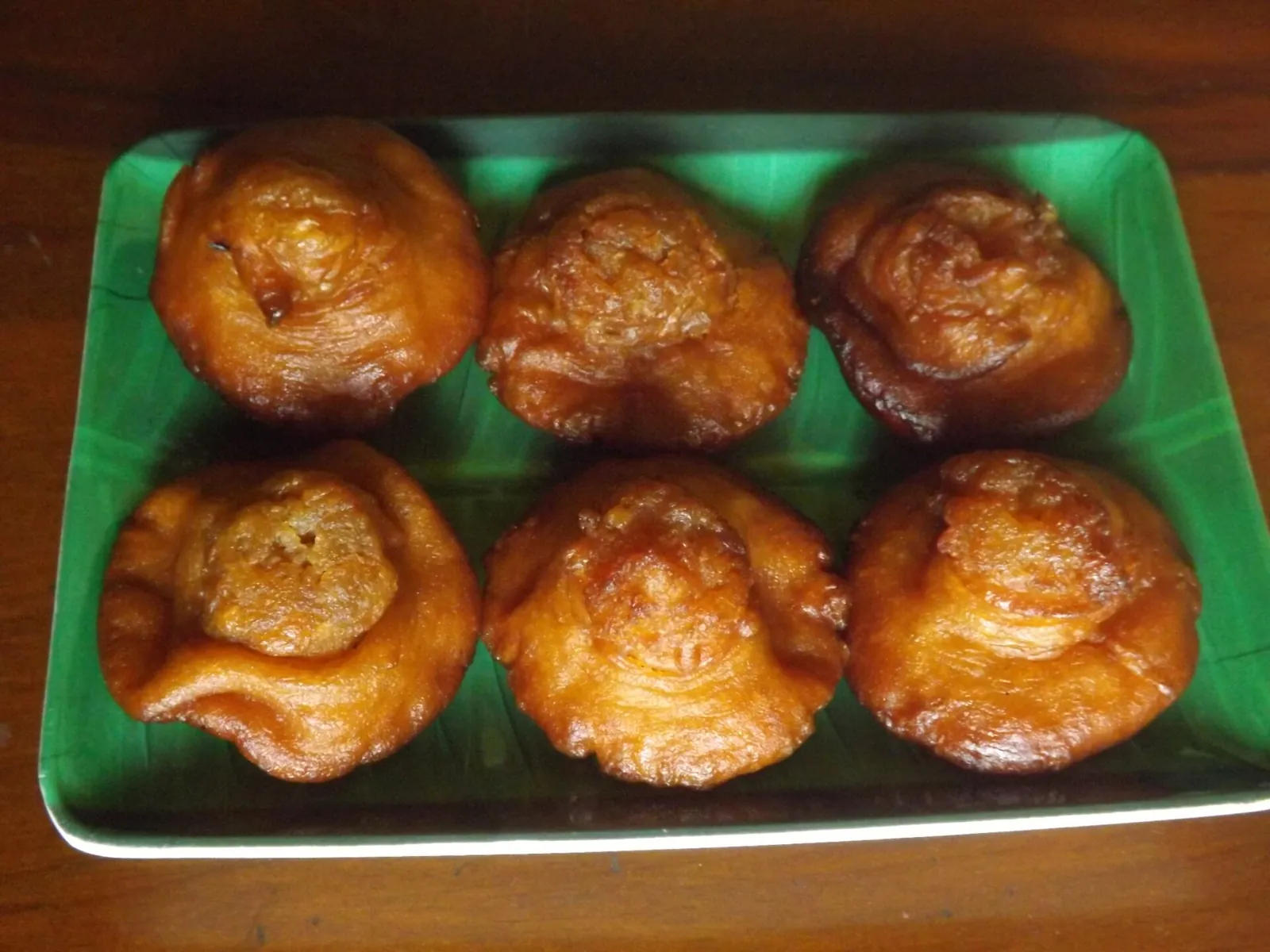
The New Year, often called Avurudu, falls in mid-April when the sun moves into Aries in the traditional calendar. Astrologers set auspicious times for the rituals, so exact times change each year. Families boil milk in a new clay pot, prepare kiribath (milk rice) and fill the table with sweets such as kokis and kavum. Children offer betel leaves to parents and elders as a mark of respect and receive blessings or money in return, a custom Tamil families call kai-vishesham. Neighbors exchange parcels of sweets, so a box of treats is a fitting gift if you are invited to visit.
Vesak and Poya days
Poya days are full-moon days that are significant Buddhist observances. Vesak commemorates important events in the life of the Buddha and is marked by lanterns, decorations and charity. Dates follow the lunar calendar and change each year. Some religious periods affect whether alcohol or festive meals are appropriate, so keep gifts simple.
Other festivals and family events
Hindu festivals, Ramadan, Eid, Christmas and Easter are all part of the calendar, and dates for the lunar and religious holidays vary each year. Birthdays and religious events are the most common occasions for personal gifts. For weddings, follow the couple's lead and ask friends what is customary in that family.
Business gifting
Business relationships move from formal to personal over time, and an invitation to someone's home is a sign that trust has grown. Gifts fit naturally when a project is finished, an agreement is signed or you are invited to a home. Chocolates, quality company products or a small item from your home country are all appropriate.
Greet the most senior person first, use titles until you are invited to be less formal, and present business cards with both hands, or the right hand supported by the left. Do not write on a card you receive or tuck it into a back pocket. Keep gifts modest, avoid anything during a tender or negotiation, and check the recipient's gift policy: anti-bribery rules apply in Sri Lanka as they do in most countries. Our business gifts guide has more general advice.
Frequently asked questions
What should I bring to a Sri Lankan home?
A box of sweets or chocolates, or a small item from your home country. Check the family's religion first so you can avoid pork, beef, alcohol or leather as needed.
Can I give flowers in Sri Lanka?
Flowers are generally reserved for mourning, weddings and religious festivities, so they are not an ordinary host gift.
Why was my gift not opened?
Gifts are usually opened later rather than in front of the giver. It is a normal courtesy.
What do people give at Sinhala and Tamil New Year?
Children offer betel leaves to elders and receive blessings or money, and neighbors exchange sweets. A box of traditional sweets is a good gift if you visit.
What wrapping color should I avoid?
Avoid black and white, which are associated with funerals and mourning.
Compare customs with our guides to India and Thailand, or browse all country guides.
Sources
- The Cultural Atlas — Sri Lankan Culture: Etiquette. theculturalatlas.org
- Commisceo Global — Sri Lanka Business Culture Guide. commisceo-global.com
- Daily Mirror (Sri Lanka) — Sinhala and Tamil New Year 2025: A community celebration that brings joy and happiness. dailymirror.lk
Image credits. Top image: Sri Lanka-Tea plantation-04 by by Anjadora, CC BY-SA 2.0, via Wikimedia Commons · In-article image: Konda Kavum 01 by Chamal N, CC BY-SA 3.0, via Wikimedia Commons
Spotted something out of date or a gift that's no longer available? Tell our editors — we review every correction.