Gift etiquette in Serbia: slava, host gifts and New Year presents
Wine, chocolates or flowers in odd numbers suit a Serbian host. Learn what to bring to a slava, how rakija and toasts work, and when gifts are exchanged.
We independently research every pick. If you buy through our links we may earn a small commission, at no extra cost to you. Affiliate disclosure.
Quick answer
When invited to a Serbian home, bring a modest gift such as wine, chocolates, a cake or flowers in an odd number. Refusing a gift is considered rude, and gifts are generally opened when received. If you are invited to a family's slava, the feast of its patron saint, bring a symbolic gift such as a bottle of wine and greet everyone with "Srećna slava." Most Serbians are Orthodox Christians who celebrate Christmas on January 7, but presents are traditionally exchanged at New Year.
- Safe host gift Wine, chocolates, cake, odd-numbered flowers
- Typical budget $10 – $40
- Main gift season New Year
- Toast "Živeli!" with eye contact
Serbian hospitality is famously generous: hosts offer coffee, sweets, food and rakija soon after you arrive and often serve more than you expect. A thoughtful host gift is a way to honor that. The personal thought behind a gift matters more than its price, and customs vary between families and regions.
What to give
For a host
Wine, chocolates, cakes or flowers are the standard choices. A small item from your home country also works well, and a little something for the host's children is appreciated.
A bottle of wine
Why it works: It is the classic gift for a home visit and the usual symbolic gift for a slava.
Skip it if: you know your host does not drink; bring chocolates or a cake instead.
Chocolates or a cake
Why it works: Easy to share with the coffee that follows almost any visit.
Skip it if: you are attending a slava and the host has already prepared a full spread of sweets; wine may be the better choice.
Flowers in an odd number
Why it works: A warm gesture for the hostess, a birthday or a celebration.
Skip it if: the bouquet has an even number of stems; even numbers are associated with funerals.
For friends and in-laws
For people you know well, choose personal, modest gifts: a book, a framed photo, a food specialty from your home region or something for the house. Avoid anything so valuable it could embarrass the recipient. For family weddings and milestone birthdays, ask a Serbian friend what is customary in that family; our wedding gift ideas are a starting point.
What to avoid
- Refusing a gift. Turning down a gift is considered rude; accept it with thanks.
- Even-numbered bouquets. Even numbers of flowers are traditionally associated with funerals.
- Overly expensive or heavily branded gifts. They can embarrass the recipient; thoughtful and modest is better.
- Refusing all hospitality. Turning down everything can stop your host from showing hospitality. Accept a reasonable amount and praise homemade food and drink.
- Splitting the bill with your host. When dining out, the host customarily pays. Offer to contribute, then return the favor by inviting them later.
How to give and receive
- Hand over your gift as you arrive. Gifts are generally opened when received.
- Follow your host's lead on greetings. Cheek kisses are for close relationships; a handshake is fine otherwise.
- Ask for more food if you want it rather than waiting to be offered, and place your cutlery together on the plate when you have finished.
- Toast with eye contact. Raise your glass, say "Živeli!" and look each person in the eye.
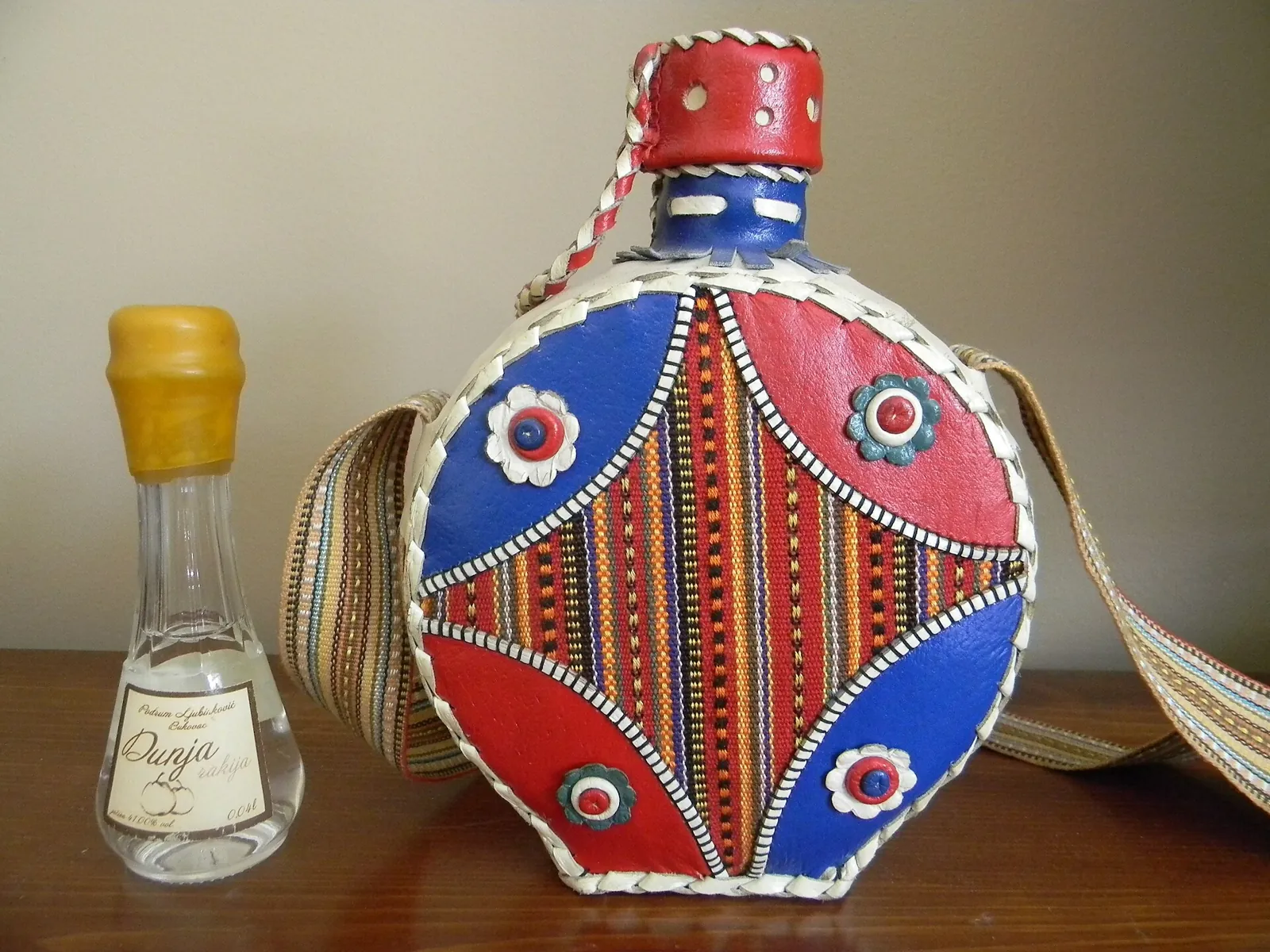
- Leave your glass unfinished when you do not want more rakija; an empty glass will be refilled.
- Dress neatly. Overly casual clothing can seem inappropriate, especially for a family celebration.
Holidays and occasions
Slava
The slava is a Serbian Orthodox family celebration of its patron saint, passed down the male line and held on the same date every year. It is on UNESCO's list of intangible cultural heritage. Relatives and close friends are invited, and being asked is an honor. The table usually includes a ritual slava bread (slavski kolač), a candle and žito, boiled sweetened wheat, of which guests are first offered a spoonful. Bring a symbolic gift such as wine and greet the family with "Srećna slava" (happy slava). Common slava dates include St. Nicholas (December 19), St. John the Baptist (January 20), St. George (May 6), St. Demetrius (November 8) and St. Michael (November 21).
New Year
Presents are traditionally exchanged at New Year rather than at Christmas. Deda Mraz (Grandfather Frost) became the New Year's Eve gift-bringer in the socialist era, so New Year is the main time for gifts to children, friends and colleagues.
Orthodox Christmas (January 7)
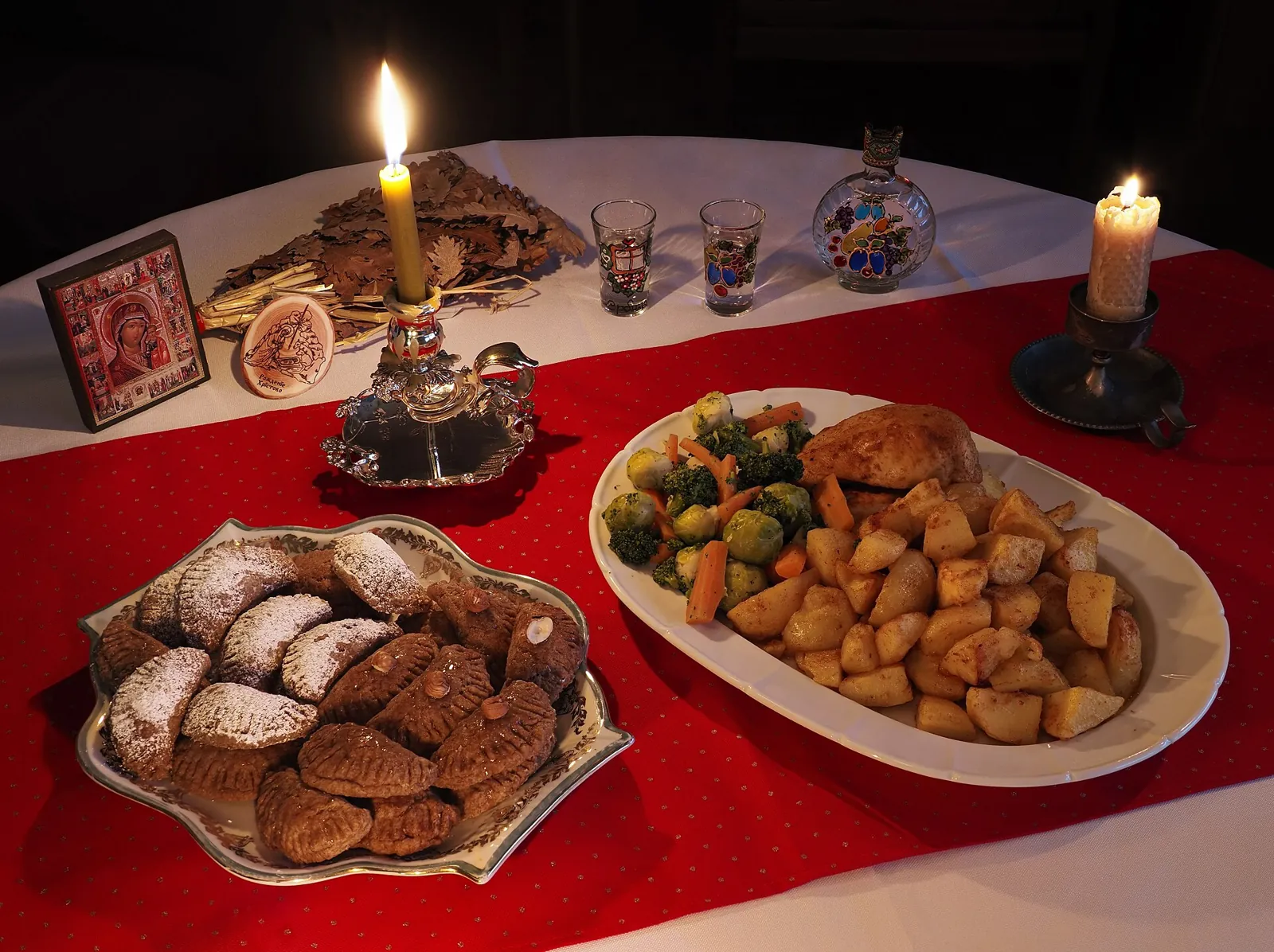
The Serbian Orthodox Church follows the Julian calendar, so Christmas Eve (Badnji dan) is January 6 and Christmas Day is January 7. Families burn a badnjak, an oak branch, and share česnica, a round bread with a coin hidden inside for luck. Straw is sometimes placed under the tablecloth and scattered with sweets and small gifts for children. People greet each other with "Hristos se rodi" (Christ is born). See our Christmas gift guides for more ideas.
Easter
Orthodox Easter is a major family holiday; its date varies each year.
Business gifting
Arrange meetings in advance, especially with senior people, dress formally for a first meeting and greet everyone with a firm handshake, starting with the most senior person. Allow time for coffee and personal conversation before the agenda, and wait to be shown where to sit.
Business gifts should be thoughtful and modest rather than expensive or highly promotional. A small item from your home country is appropriate, and the meaning behind it matters more than the price. Gifts that could embarrass the recipient through their value, or that could look like an inducement to an official, should be avoided; anti-corruption laws in Serbia and in your home country may apply. See our business gifts guide for more.
Frequently asked questions
What should I bring to a slava?
A symbolic gift such as a bottle of wine, plus the greeting "Srećna slava." Being invited is an honor, so dress neatly.
Do Serbians exchange gifts at Christmas?
Mostly not. Gifts are traditionally exchanged at New Year; Orthodox Christmas on January 7 is a family and religious holiday.
How many flowers should I give in Serbia?
An odd number. Even numbers are traditionally associated with funerals.
How do I refuse more rakija politely?
Leave some in your glass. An empty glass is a signal for a refill.
Is it rude to refuse a gift in Serbia?
Yes, refusing a gift is considered rude. Accept it graciously.
Neighboring customs are covered in our guides to Montenegro and North Macedonia, or browse all country guides.
Sources
- The Cultural Atlas — Serbian Culture: Etiquette. theculturalatlas.org
- Commisceo Global — Serbia: language, culture, customs and etiquette. commisceo-global.com
- Wikipedia — Slava (tradition). en.wikipedia.org
- Radio Free Europe/Radio Liberty — Christmas traditions in the Balkans. rferl.org
- Why Christmas — Christmas in Serbia. whychristmas.com
Image credits. Top image: Божићна вечера (traditional Christmas dinner; Folklore of Serbia) by Petar Milošević, CC BY-SA 4.0, via Wikimedia Commons · In-article image: Rakija from Serbia3 by Laslovarga, CC BY-SA 3.0, via Wikimedia Commons
Spotted something out of date or a gift that's no longer available? Tell our editors — we review every correction.




