Gift etiquette in North Macedonia: host gifts, name days and holidays
A modest gift such as sweets, wine or an odd number of flowers suits a Macedonian host. Learn about name days, New Year gifts, religion and business.
We independently research every pick. If you buy through our links we may earn a small commission, at no extra cost to you. Affiliate disclosure.
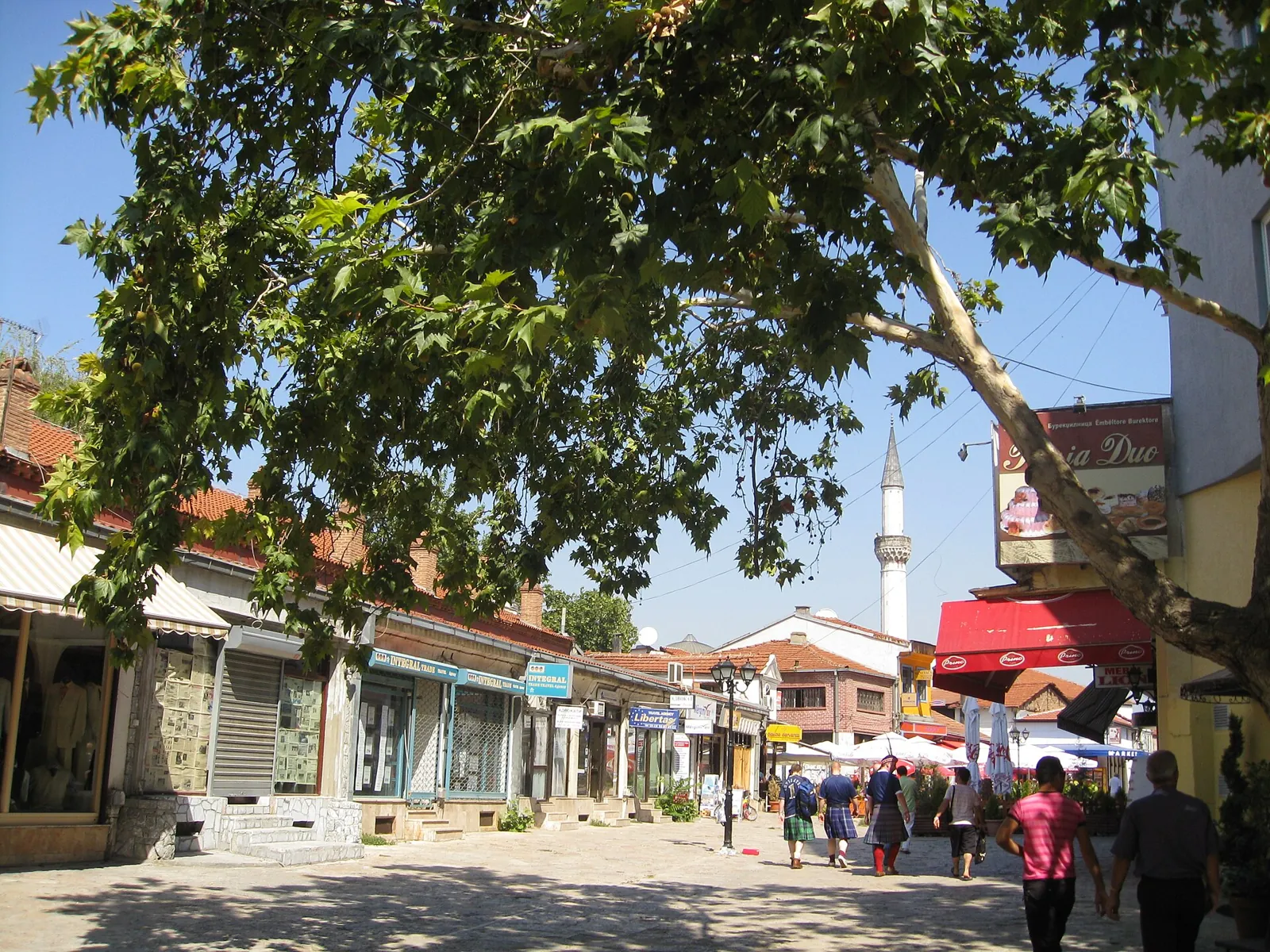
Quick answer
Bringing a small gift when you visit a home in North Macedonia is normal, and its size and value matter far less than the gesture. Sweets, a bottle of wine or flowers in an odd number are typical. Take your shoes off at the door, accept the coffee or tea you are offered, and expect a long, generous meal. Remember that the country has both Orthodox Christian and Muslim communities: avoid alcohol and pork-based gifts for Muslim hosts unless you know they are welcome.
- Safe host gift Sweets, chocolates, wine (if appropriate), odd-numbered flowers
- Typical budget $10 – $35
- Main gift season New Year
- Toast "Nazdravje" (to your health)
Gift-giving customs in North Macedonia are not especially elaborate. What matters more is hospitality: welcoming guests with coffee, feeding them well and spending unhurried time together. The notes below apply in many families, but customs vary between ethnic Macedonian, Albanian, Turkish and other communities.
What to give
For a host
Guests invited to a meal rarely need to bring food, because the host is expected to provide everything. A small gift is still a kind gesture.
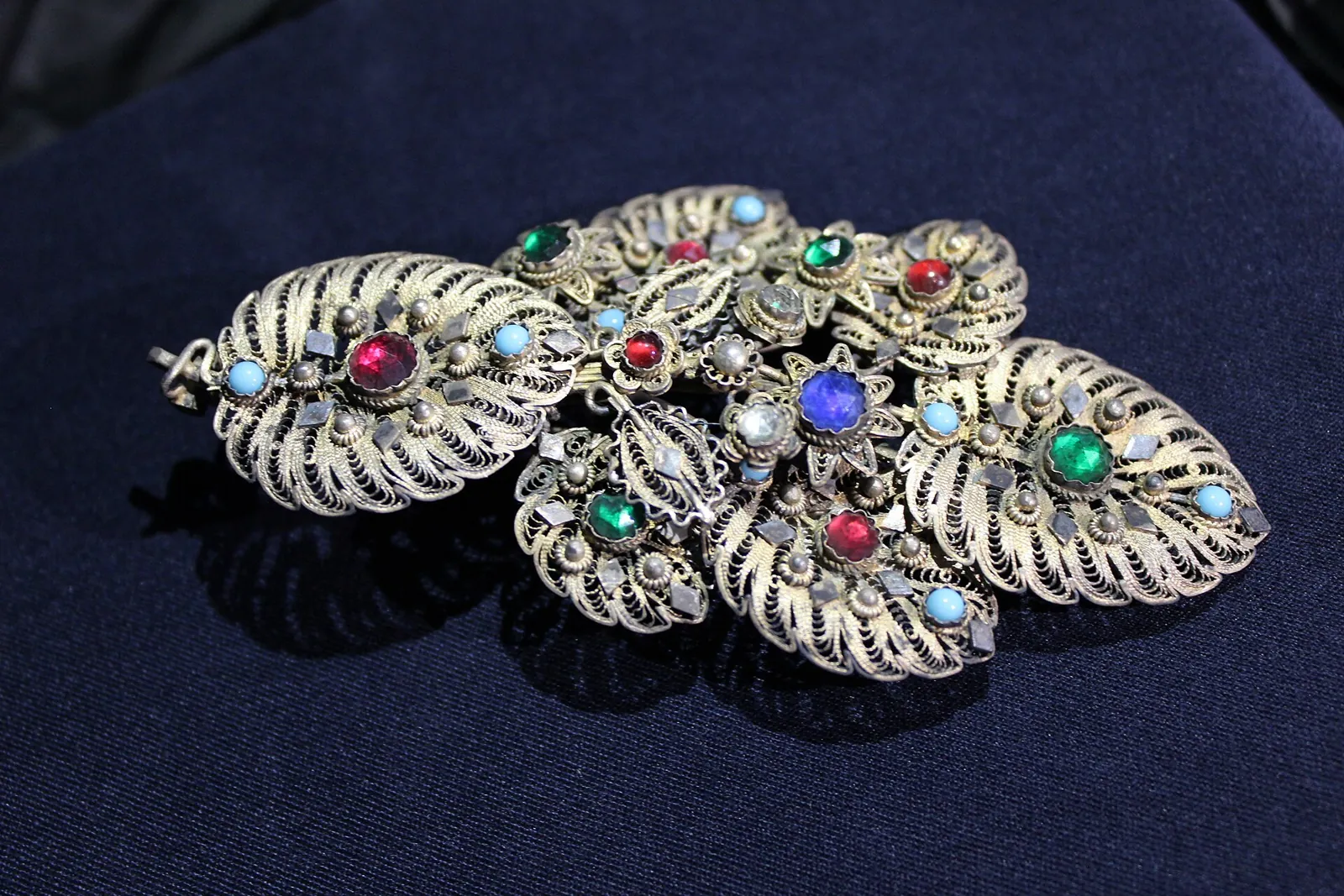
Chocolates or a box of sweets
Why it works: Welcome in every household, including Muslim families, and easy to share with children.
Skip it if: you have been asked to bring nothing at all; then a warm thank-you is enough.
A bottle of wine
Why it works: Many Christian Macedonian families drink wine or rakija with meals, and wine is the usual gift on name days.
Skip it if: your hosts are Muslim or you are not sure whether they drink.
Flowers in an odd number
Why it works: A classic gift for the hostess or for a birthday.
Skip it if: the bouquet has an even number of stems, which is reserved for funerals.
For friends and in-laws
For people you know well, think personal rather than expensive: a book, a framed photo, a specialty food from your home region or something for the children. Very expensive gifts can embarrass someone who feels unable to reciprocate.
What to avoid
- Alcohol or pork products for Muslim recipients. Muslim Macedonians generally do not drink alcohol or eat pork, so avoid these gifts unless you are sure they are appropriate.
- Even numbers of flowers. Even-numbered bouquets are used for funerals.
- Expensive gifts. They can embarrass a recipient who is financially struggling and feels unable to return the gesture.
- Refusing coffee or tea. Turning it down can seem rude; accept it even if you do not finish it.
- Bringing a dish to a dinner invitation unless asked. The host expects to provide the meal.
How to give and receive
- Give notice before visiting so your host has time to prepare, even though unannounced visits among family are common.
- Take your shoes off before entering someone's home.
- Stand to greet people who arrive, and shake hands with each person.
- Do not expect the gift to be opened in front of you. Recipients may prefer to open gifts privately, or in front of the giver only when no one else is watching.
- Wait for your host before you start drinking, and plan to stay at least a couple of hours for a meal.
- Insist politely when you are full. Hosts serve more than you can eat, so you may need to decline a few times.
Holidays and occasions
New Year
As in neighboring Serbia and Montenegro, presents are traditionally exchanged at New Year rather than at Christmas, making it the main season for gifts to children, friends and colleagues.
Orthodox Christmas
Orthodox Christmas is a national holiday on January 7, with Christmas Eve (Badnik) on January 6. Many families burn an oak branch in the hearth, share a meatless Christmas Eve meal and greet each other with "Christ is born," answered "Truly he is born." Catholics and Protestants celebrate on December 25.
Name days
Name days follow the Macedonian Orthodox Church calendar, and some major ones are non-working days. Guests are usually welcome without a formal invitation, and bringing a gift, most often wine, is optional. A common wish is "Let your name last forever."
Easter and Eid
Orthodox Easter Monday and Eid al-Fitr (Ramazan Bajram) are national holidays, and Eid al-Adha is a holiday for Muslims. All three dates move each year. Sweets are a safe gift when visiting families during these holidays.
Business gifting
In business, small tokens are a typical way to thank someone for a service: a pen, a book, wine or pralines. Some companies exchange gifts at Christmas, New Year and similar occasions; if your counterpart gives you one, make sure to reciprocate. Gifts may also suit a company visit or the end of a successful negotiation, but they are not always expected.
Punctuality is expected in business, even though a 15–20 minute delay is common in private life. Inviting a contact out for a meal or a drink is a good way to say thank you. Keep any gift clearly modest: offering valuables to public officials or people involved in a decision may breach anti-corruption laws in North Macedonia and in your home country. Our business gifts guide has more general advice.
Frequently asked questions
What should I bring to a Macedonian home?
Sweets or chocolates, a bottle of wine for Christian hosts who drink, or an odd number of flowers. The value matters less than the gesture.
Do Macedonians open gifts right away?
Not always. Many prefer to open gifts privately or only when other guests are not watching.
When do people exchange gifts in North Macedonia?
Mainly at New Year, as well as on birthdays and name days. Orthodox Christmas on January 7 is more of a religious and family holiday.
What gift is appropriate for a Muslim family?
Sweets, flowers, coffee or something for the home. Avoid alcohol and pork-based products.
Do I need to take my shoes off?
Yes, take your shoes off before entering someone's home.
Explore neighboring customs in our guides to Serbia and Greece, or browse all country guides.
Sources
- The Cultural Atlas — Macedonian Culture: Etiquette. theculturalatlas.org
- Business Culture — Business etiquette in North Macedonia. businessculture.org
- Radio Free Europe/Radio Liberty — Christmas traditions in the Balkans. rferl.org
- Wikipedia — Name day. en.wikipedia.org
- Wikipedia — Public holidays in North Macedonia. en.wikipedia.org
Image credits. Top image: Skopje OldBazaar by Nikkyb, Public domain, via Wikimedia Commons · In-article image: Brooch - Macedonian traditional jewelry 02 by Orce Wiki, CC BY-SA 4.0, via Wikimedia Commons
Spotted something out of date or a gift that's no longer available? Tell our editors — we review every correction.




