Gift etiquette in Montenegro: host gifts, coffee and holidays
Chocolates, wine or an odd number of flowers suit a Montenegrin host. Learn how coffee and rakija hospitality works, when gifts are exchanged and more.
We independently research every pick. If you buy through our links we may earn a small commission, at no extra cost to you. Affiliate disclosure.
Quick answer
When you visit a Montenegrin home, bring a small gift such as chocolates, a bottle of wine or flowers in an odd number. Expect to be offered coffee, rakija (fruit brandy) or a snack, and accept at least a little, since declining can seem rude. Most Montenegrins are Orthodox Christians who celebrate Christmas on January 7, but presents are traditionally exchanged at New Year. Muslim and Catholic communities have their own holidays.
- Safe host gift Chocolates, wine, odd-numbered flowers
- Typical budget $10 – $35
- Main gift season New Year
- Toast "Živjeli!"
Hospitality is central to Montenegrin life. Guests are fed generously, hosts often insist on paying, and an afternoon coffee with friends can stretch for hours. Montenegro is religiously mixed: roughly seven in ten people are Eastern Orthodox, about one in five is Muslim, and there is a small Catholic community. Keep that in mind when choosing food and drink gifts.
What to give
For a host
Chocolates, wine or flowers are the usual choices. Keep the gift modest; the gesture matters more than the price.
A box of chocolates or sweets
Why it works: Easy, welcome in every household and suitable whatever the family's religion.
Skip it if: you know the host has already planned a dessert you were asked to bring.
A bottle of wine
Why it works: Wine goes naturally with the generous meals hosts prepare.
Skip it if: your hosts are Muslim or you are unsure whether they drink; choose sweets instead.
Flowers in an odd number
Why it works: A traditional gesture for the hostess or for a birthday.
Skip it if: the bouquet has an even number of stems, which is associated with funerals.
For friends, children and in-laws
Something from your home country gives the gift a story. A small toy or sweets for children is a kind touch, especially around New Year. For larger family occasions, such as a wedding, ask a local friend what is expected; see also our wedding gift ideas.
What to avoid
- Even-numbered bouquets. Even numbers of flowers are for funerals.
- Alcohol or pork products for Muslim families. About a fifth of Montenegrins are Muslim; unless you know the family's habits, choose sweets, coffee or flowers.
- Refusing coffee or rakija outright. Declining hospitality is seen as rude. Accept a small amount; if you do not drink alcohol, say so politely and take coffee or juice.
- Extravagant gifts. Very expensive presents can make the recipient uncomfortable.
- Political jokes or comparisons. National identity is a sensitive topic, so keep cards and gifts neutral.
How to give and receive
- Greet warmly. A handshake is standard; friends and family may kiss on both cheeks. Say "Dobar dan" (good day) when you enter a shop or café.
- Hand the gift over on arrival as you greet your hosts.
- Ask about shoes. Shoes are sometimes removed in private homes, especially in rural areas; follow your host's lead.
- Pace yourself at the table. Hosts will keep refilling. Leave a little food on your plate and some drink in your glass when you have had enough.
- Toast properly. Clink glasses, say "Živjeli!" and make eye contact.
- Return the favor. Hosts usually cover costs for guests; offer to pay for the next meal or invite them in return.
Holidays and occasions
New Year
In Montenegro, as in neighboring Serbia and North Macedonia, presents are traditionally exchanged at New Year rather than at Christmas. In the socialist era, Deda Mraz (Grandfather Frost) was promoted as the gift-bringer who came on New Year's Eve. January 1 and 2 are public holidays, so New Year is the best time for gifts for children, friends and colleagues.
Orthodox Christmas (January 7)
The Orthodox Church follows the Julian calendar, so Christmas Eve (Badnji dan) falls on January 6 and Christmas Day on January 7. Christmas is a quieter, family-centered holiday. On Christmas Eve families bring in and burn a badnjak, an oak branch or log, and public bonfires are lit outside churches. A round Christmas bread called česnica is shared, with a coin hidden inside for luck. People greet each other with "Hristos se rodi" (Christ is born), answered "Vaistinu se rodi" (Truly he is born).
Catholic and Muslim holidays
Catholic Montenegrins celebrate Christmas on December 25, and Muslim Montenegrins mark Eid al-Fitr and Eid al-Adha, whose dates move each year with the Islamic calendar. If you have colleagues from these communities, a card or box of sweets on their holiday is a thoughtful gesture.
Easter
Orthodox and Catholic Easter dates vary each year and sometimes fall on different Sundays.
Business gifting
Business relationships in Montenegro are personal and can move slowly; patience is important, and meetings may run long. Foreign visitors should be punctual even if local partners are sometimes late. Coffee is a natural setting for building rapport. A modest gift, such as a book about your home region, a quality pen or a regional food specialty, is appropriate once a relationship is established, and New Year is a natural time for corporate greetings.
Avoid anything lavish. Gifts or hospitality offered to public officials or people involved in a decision can breach anti-corruption laws in Montenegro and in your home country, as well as most company policies, so keep the value clearly symbolic. See our business gifts guide for more.
Frequently asked questions
What should I bring to a Montenegrin home?
Chocolates, a bottle of wine or flowers in an odd number. Choose sweets over alcohol if your hosts are Muslim or you are not sure whether they drink.
When do Montenegrins exchange gifts: Christmas or New Year?
Mostly at New Year. Orthodox Christmas on January 7 is a quieter religious and family holiday.
Is it rude to refuse rakija?
Declining hospitality can seem rude, so accept a small amount if you drink. If you do not, say so politely and accept coffee or juice instead.
Do I need to take my shoes off?
Sometimes, especially in rural homes. Watch what your hosts do or simply ask.
Neighboring customs are covered in our guides to gift etiquette in Serbia and Albania, and you can browse all country guides.
Sources
- World Travel Guide — Montenegro history, language and culture. worldtravelguide.net
- Rough Guides — Montenegro culture and etiquette. roughguides.com
- Radio Free Europe/Radio Liberty — Christmas traditions in the Balkans. rferl.org
- Why Christmas — Christmas in Montenegro. whychristmas.com
- Living in Montenegro — 10 insider tips on how to deal with Montenegrins. montenegro-for.me
- Wikipedia — Public holidays in Montenegro. en.wikipedia.org
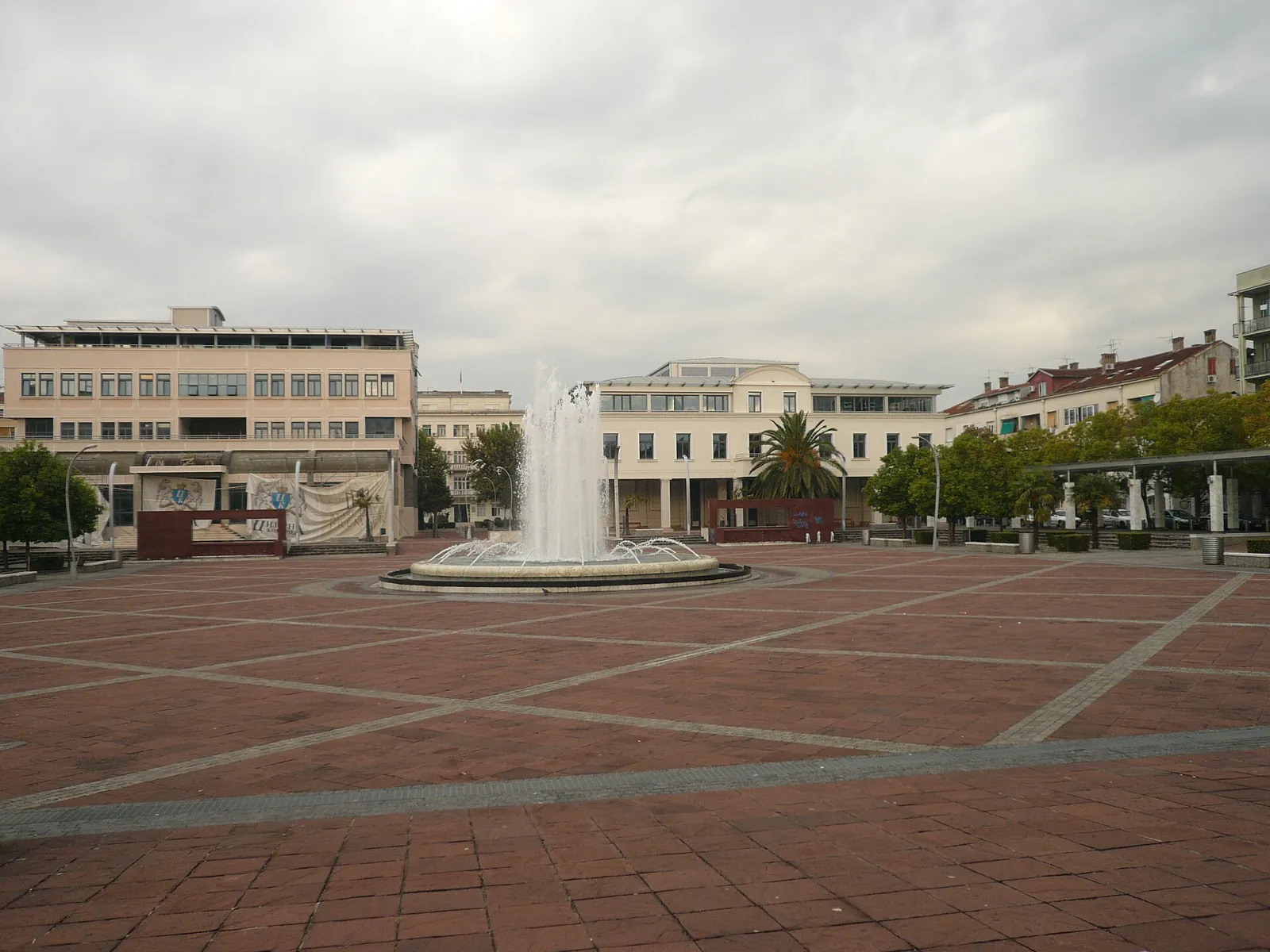
Image credits. Top image: TrgRepublikePodgorica by Ramessos, CC BY-SA 3.0, via Wikimedia Commons
Spotted something out of date or a gift that's no longer available? Tell our editors — we review every correction.