Gift etiquette in Romania: flowers, Mărțișor and host gifts
Flowers in odd numbers, chocolates or a bottle of liquor suit a Romanian host. Learn about Mărțișor, St. Nicholas Day, name days and business gifting.
We independently research every pick. If you buy through our links we may earn a small commission, at no extra cost to you. Affiliate disclosure.
Quick answer
When invited to a Romanian home, bring flowers (always an odd number), chocolates, a bottle of good liquor or a small gift for the children. Take your shoes off at the door, expect second and third helpings, and wait for the host to say "Poftă bună" before you eat. Gifts are usually opened when received. Romania's signature gift days are Mărțișor on March 1, St. Nicholas Day on December 6 and Christmas.
- Safe host gift Flowers in odd numbers, chocolates, liquor
- Typical budget $10 – $40
- Signature gift days Mărțișor (March 1), St. Nicholas (December 6), Christmas
- Toast "Noroc!" (good luck)
Romanian hospitality can be extraordinarily generous, and a host gift is a way of honoring it. What matters is the gesture rather than the value. Habits vary between city and countryside and from one family to another, so treat these as common customs rather than fixed rules.
What to give
For a host
Flowers, chocolate and liquor are the standard choices for a dinner or a visit. Roses and carnations are generally safe flowers, as long as the count is odd. Do not bring a dish to add to the meal: hosts enjoy showing off their cooking.
An odd-numbered bouquet
Why it works: Flowers are the classic Romanian host gift, especially for the hostess.
Skip it if: the bouquet has an even number of stems; even numbers are for funerals.
Good chocolates
Why it works: Welcome in every household and easy to pair with flowers.
Skip it if: you are already bringing a sweet gift for the children.
A bottle of quality liquor or wine
Why it works: Imported spirits and good wine are traditional gifts and fit the toasting culture at the table.
Skip it if: you know your hosts do not drink.
For friends, children and in-laws
A small present for the children is always appreciated. For in-laws and close friends, choose something personal but not extravagant: a book, a framed photo, a quality food hamper or a gift from your home region. If someone offers to pay you back for a gift, decline warmly and say it is a gesture of friendship.
What to avoid
- Even numbers of flowers. An even-numbered bouquet is associated with funerals.
- Bringing food for the meal. Hosts take pride in their cooking and may be annoyed if guests supply their own dishes.
- Bringing extra guests. Don't bring uninvited people; hosts may feel obliged to feed them even when there isn't enough food.
- Cash as a thank-you to professionals. A small gift such as chocolates, wine or flowers is a more appropriate way to thank someone like a doctor.
- Keeping your shoes on. Remove them at the door; slippers may be provided.
How to give and receive
- Arrange visits in advance rather than dropping in.
- Hand the gift over on arrival. Gifts are generally opened when received.
- Wait for "Poftă bună" (good appetite) from the host before eating.
- Try every dish and expect second and third helpings; you may need to decline more than once.
- Accept a welcome drink if you can. Țuică, a plum spirit, is traditionally offered before a meal. If you don't drink, your host will usually understand.
- Thank the cook with "Mulțumesc pentru masă" (thank you for the meal), or the old-fashioned "Sărut mâna pentru masă" (I kiss your hand for the meal).
Holidays and occasions
Mărțișor (March 1)
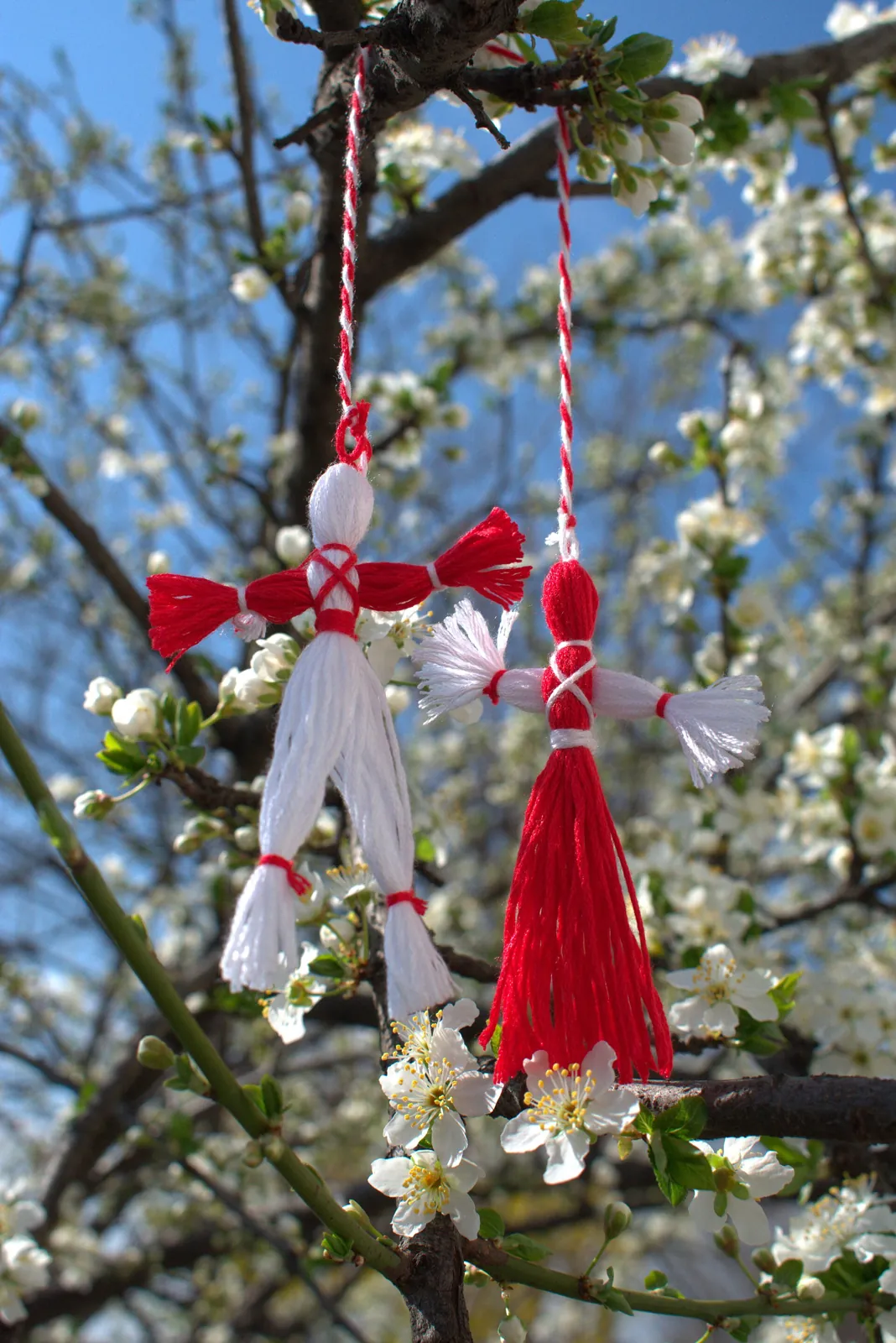
On March 1, Romanians give a mărțișor: a small token on a twisted red-and-white string, often with a charm such as a clover or snowdrop. It celebrates the arrival of spring, is shared with Moldova and is recognized by UNESCO as intangible cultural heritage. It is worn on the chest for part of March, and afterward it may be tied to a tree branch or kept as a souvenir. A mărțișor is an inexpensive, thoughtful gift for female colleagues, friends and family.
St. Nicholas Day (December 6)
On the night of December 5, children (and some adults) polish their boots and leave them by the door or on the windowsill. By morning, St. Nicholas has filled them with small gifts: nuts, tangerines, sweets, chocolate or something useful like socks. A twig is a playful warning to behave. Larger presents wait for Christmas. December 6 is also the name day for hundreds of thousands of Romanians named Nicolae, Nicoleta and similar.
Christmas and New Year
Christmas is celebrated on December 25, with festivities starting on Christmas Eve. Moș Crăciun (Father Christmas) is the main gift-bringer. Carolers who come to the door are rewarded with sweets, fruit, cozonac (sweet bread) and sometimes money. "Crăciun fericit" means Merry Christmas. See our Christmas gift guides for ideas.
Name days and Easter
Name days follow the feasts of Orthodox saints, though they are generally less important than birthdays. A small gift or flowers is a kind gesture on a friend's name day. Orthodox Easter is a major family holiday; its date varies each year.
Business gifting
Romanian meetings can feel formal on the surface but are relationship-based underneath. Arrive on time and well prepared, but be ready to wait, particularly with state-run organizations. Do not remove your jacket in a formal meeting until the most senior Romanian has done so. Avoid scheduling important meetings in July and August, over Christmas and in the weeks around Easter.
Gift-giving is most relevant in social and home settings and should be handled with care in business. A modest gift, such as a book about your region or a quality food specialty, is appropriate once a relationship is established, and the gesture matters more than the value. Avoid anything that could be seen as an inducement, especially toward public officials, as this may breach anti-corruption laws in Romania and your home country. See our business gifts guide for more.
Frequently asked questions
What should I bring to a Romanian home?
Flowers in an odd number, chocolates, a bottle of liquor or a small gift for the children.
Why must flowers be in odd numbers in Romania?
Even numbers of flowers are associated with funerals, so living people receive odd-numbered bouquets.
What is Mărțișor?
A spring custom on March 1 when people give small red-and-white tokens to welcome spring. Traditionally they were worn mainly by women and children.
When do Romanian children get presents?
Small gifts in their boots on St. Nicholas Day (December 6), and larger presents from Moș Crăciun at Christmas.
Should I take my shoes off in a Romanian home?
Yes. Remove your shoes at the door; hosts often provide slippers.
For a closely related culture, see our guide to gift etiquette in Moldova, or browse all country guides.
Sources
- The Cultural Atlas — Romanian Culture: Etiquette. theculturalatlas.org
- Commisceo Global — Romania: language, culture, customs and etiquette. commisceo-global.com
- Wikipedia — Mărțișor. en.wikipedia.org
- St. Nicholas Center — St. Nicholas in Romania. stnicholascenter.org
- Why Christmas — Christmas in Romania. whychristmas.com
- Wikipedia — Name day. en.wikipedia.org
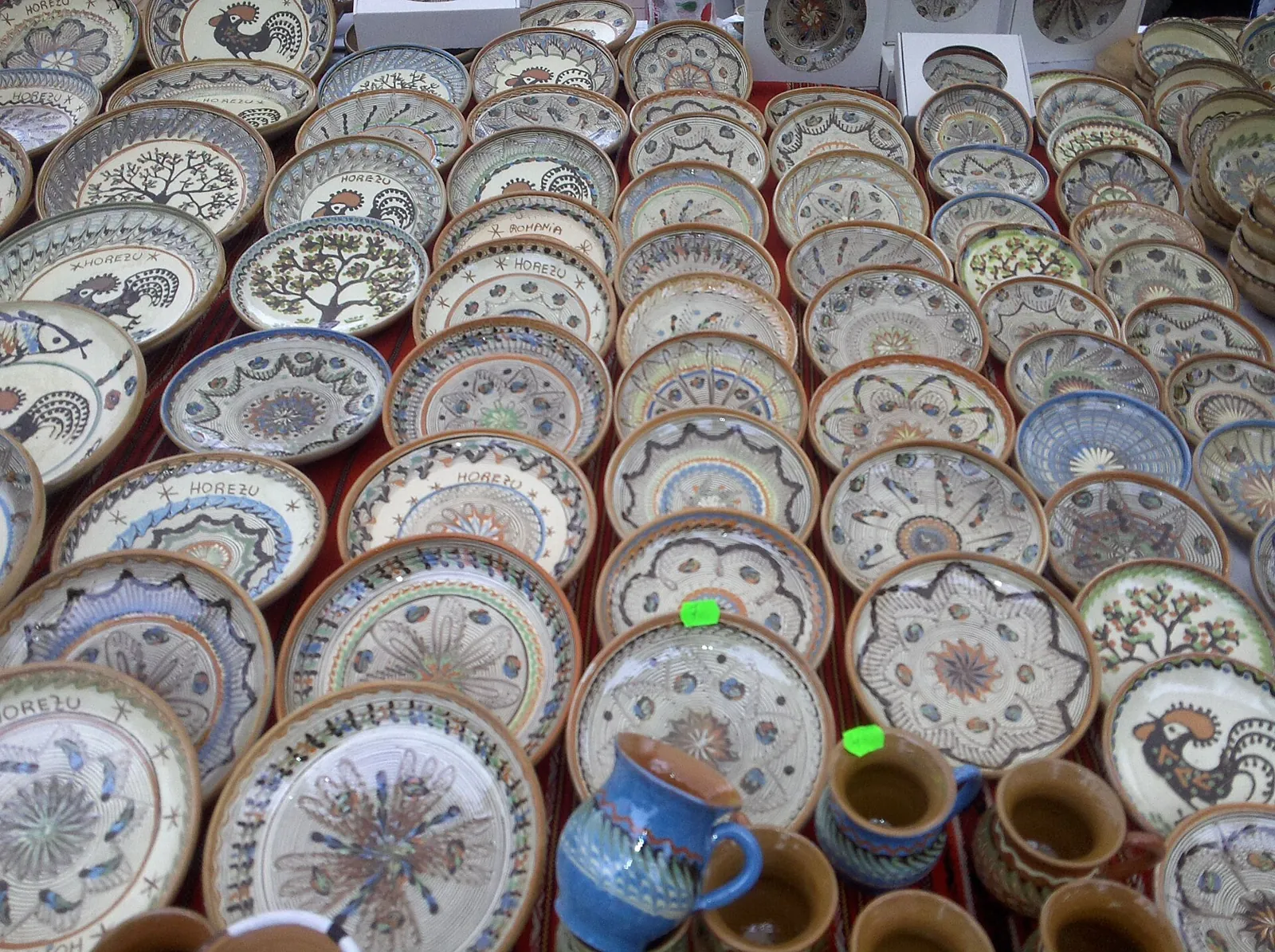
Image credits. Top image: Ceramică Horezu unu by Bogdan29roman, CC BY-SA 3.0, via Wikimedia Commons · In-article image: Traditional Romanian Mărțișor by Endangered Snowdrop, CC BY-SA 4.0, via Wikimedia Commons
Spotted something out of date or a gift that's no longer available? Tell our editors — we review every correction.




