Gift Etiquette in Pakistan: Host Gifts, Eid, Weddings and Taboos
What to bring to a Pakistani home, which gifts to avoid, how to present them, and how gift-giving works at Eid al-Fitr, Eid al-Adha, weddings and in business.
We independently research every pick. If you buy through our links we may earn a small commission, at no extra cost to you. Affiliate disclosure.
Quick answer
Hospitality is highly valued in Pakistan, and it is polite for a guest to bring a small thank-you gift such as sweets, chocolates, dates or fruit. Offer it with your right hand or both hands. Most Pakistanis are Muslim, so never bring alcohol to a Muslim household and make sure any food is halal. In conservative families, a man should not hand a gift directly to a woman; present it to the family, or say it comes from your wife. At Eid, elders give children money known as Eidi, and cash is the usual wedding gift.
- Typical host gift $10 – $35
- Hands Right hand or both hands
- Never bring Alcohol or non-halal food to a Muslim home
- Key occasions Eid al-Fitr, Eid al-Adha, weddings
What to give
In Pakistan, gifts are less about price and more about courtesy, respect and the relationship. Invitations to someone's home are common even among new acquaintances, and a small gift is a polite way to thank your host. With people you do not know well, do not offer to bring a dish for the meal: hosts take pride in preparing everything themselves.
For a host
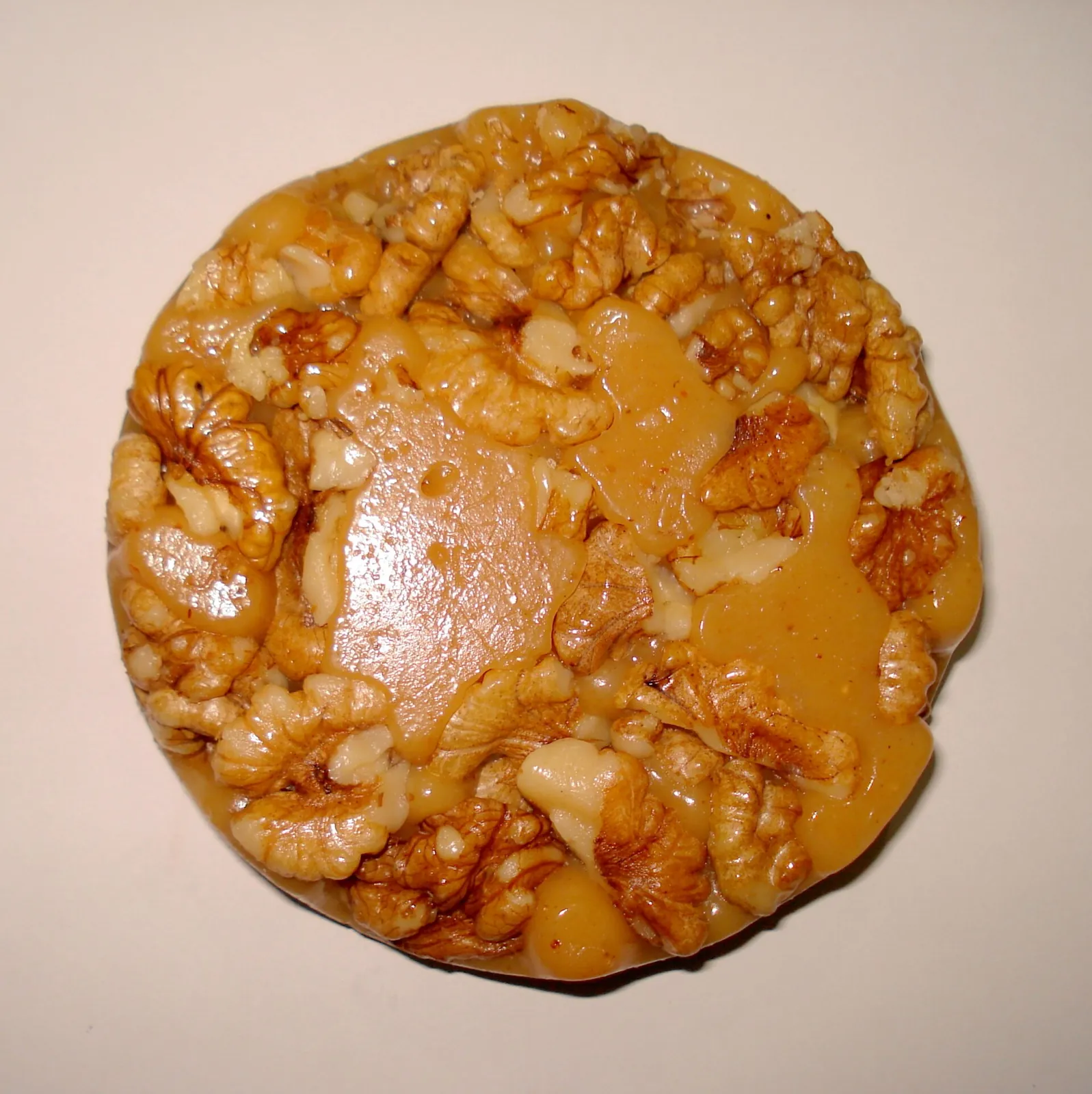
Good-quality sweets (mithai) from a well-known sweet shop, a box of chocolates, dates, dried fruit or fresh fruit are all safe choices. Something small from your home country is also welcome. Flowers can work, but in conservative settings a man should be careful about giving flowers directly to a woman.
For friends, coworkers and in-laws
For in-laws and elders, a generous box of sweets or dried fruit shows respect, and elders are usually greeted and served first. For coworkers, a shared box of sweets is easy and inclusive. When giving to a woman you are not related to, frame the gift as coming from a female relative, for example "my wife chose this for you."
A box of mithai or chocolates
Why it works: Sweets are the classic visiting gift and are shared with the whole household over tea.
Skip it if: you cannot confirm the ingredients are halal; buy from a reputable halal shop.
Dates or dried fruit and nuts
Why it works: Dates are especially welcome around Ramadan and Eid, and dried fruit keeps well for a large family.
Skip it if: you are visiting someone with diabetes or allergies; fresh fruit is an easy alternative.
A specialty from your home country
Why it works: A well-made local item, such as a book of photos, a craft or regional treats, is personal and a good talking point.
Skip it if: it contains alcohol, pork or gelatin of unknown origin, or carries imagery that might offend a religious family.
A small toy or book for the children
Why it works: Pakistani hosts appreciate guests who engage with their children, and a small gift for them is a warm gesture.
Skip it if: you are unsure how many children live in the home; a shared treat avoids leaving anyone out.
What to avoid
- Alcohol in a Muslim household. Islam prohibits it, and bringing it can cause real offense.
- Pork and non-halal food. Pork is forbidden in Islam, and edible gifts should be prepared to halal standards.
- Giving directly to a woman in a conservative family, if you are a man. Contact between unrelated men and women is limited in conservative homes; give to the family or say the gift is from your wife.
- Using your left hand alone. Passing, serving or eating with the left hand is considered bad etiquette.
- Offering to pay your host back for a meal. It can be taken as an insult to their hospitality. Reciprocate later with a gift or by hosting them.
How to give and receive
- Use your right hand or both hands. Give and receive gifts, food and business cards this way, especially in traditional settings.
- Offer to remove your shoes. Do so at the entrance if your host does, and dress modestly.
- Greet elders first. Elders are greeted and usually served first, so follow your host's lead at the table.
- Accept tea and refreshments. Hospitality is a point of pride; accepting graciously is polite. To decline something, place your hand on your heart and bow your head slightly.
- Expect a polite back-and-forth. Offers to pay or extra helpings are often refused once before being accepted, and hosts will insist. Do the same when you are offered something.
- Compliment the home. Praising the home and its contents is a kind way to thank your host. In wealthier homes, thank and tip household staff as you leave.
Holidays and occasions
Eid al-Fitr
Eid al-Fitr marks the end of Ramadan. It follows the Islamic lunar calendar, so the date moves earlier each year and is confirmed by moon sighting. Families visit relatives, share sweets and wear new clothes. The best-known gift is Eidi (sometimes called salami): older relatives and family friends give money, often crisp new banknotes, to children. Spouses, parents and in-laws may also exchange gifts such as clothes, perfume or accessories, and many families now send Eidi by mobile transfer. If you visit at Eid, sweets or dates are an ideal gift.
Eid al-Adha
Eid al-Adha, the Feast of Sacrifice, also follows the lunar calendar, so its date varies each year. Families who can afford it sacrifice an animal (qurbani), and the meat is traditionally divided into three parts: one for the household, one for relatives and friends and one for the poor. Eidi is given at this Eid too. Sharing food and visiting family are the main forms of gift-giving.
Weddings
Pakistani weddings often stretch over several events. The usual guest gift is cash, called salami, given to the couple in an envelope; some couples now even accept it by QR code. Write your name on the envelope or card so the family knows who it came from. Close relatives may also give jewelry, clothes or household items. Our wedding gifts section has more ideas if you prefer a present.
Other communities
Pakistan's Christian, Hindu and Sikh minorities celebrate their own festivals, such as Christmas and Diwali. If you are invited, sweets are a safe gift, and ask your host about any dietary rules.
Business gifting
Business relationships in Pakistan are built on personal trust, and hospitality such as tea or a meal is a normal part of meetings. If you bring a gift, keep it modest: a quality item from your company or country, or a box of sweets for the office. Avoid alcohol, pork products and anything that could conflict with Islamic norms, and use your right hand or both hands to present it.
Bribery of public officials is a criminal offense in Pakistan, and many companies and international firms working there have strict gift and hospitality policies. Keep gifts to officials symbolic or avoid them entirely, keep records, and check both the recipient's rules and your own home-country anti-bribery law before giving anything of value. Our business gifts guide covers the general principles.
Frequently asked questions
What should I bring to a Pakistani home for dinner?
A box of good sweets, chocolates, dates or fruit. Do not bring alcohol to a Muslim household, and do not offer to bring a dish unless you know the family well.
How much Eidi should I give?
There is no fixed amount. It depends on your relationship and means; elders give children crisp new notes, and closer relatives usually give more.
What is a good wedding gift in Pakistan?
Cash in an envelope (salami) is the most common gift. Write your name on it. Close family may add jewelry or clothes.
Can a man give a gift to a Pakistani woman?
In conservative families, it is better to give it to the family or to say it comes from your wife or another female relative.
Can I bring wine to a Pakistani host?
No, not to a Muslim household. Bring sweets or dates instead.
For related customs, see our guides to India, Bangladesh and Saudi Arabia, or browse all countries.
Sources
- The Cultural Atlas — Pakistani Culture: Etiquette. theculturalatlas.org
- Commisceo Global — Pakistan Business Culture Guide. commisceo-global.com
- Associated Press of Pakistan — Centuries-old tradition of giving Eidi still alive. app.com.pk
- Dawn News — From envelopes to QR: wedding salami goes digital. dawnnews.tv
- Alkhidmat Foundation — Qurbani rules: the sacred act of sacrifice. alkhidmat.org
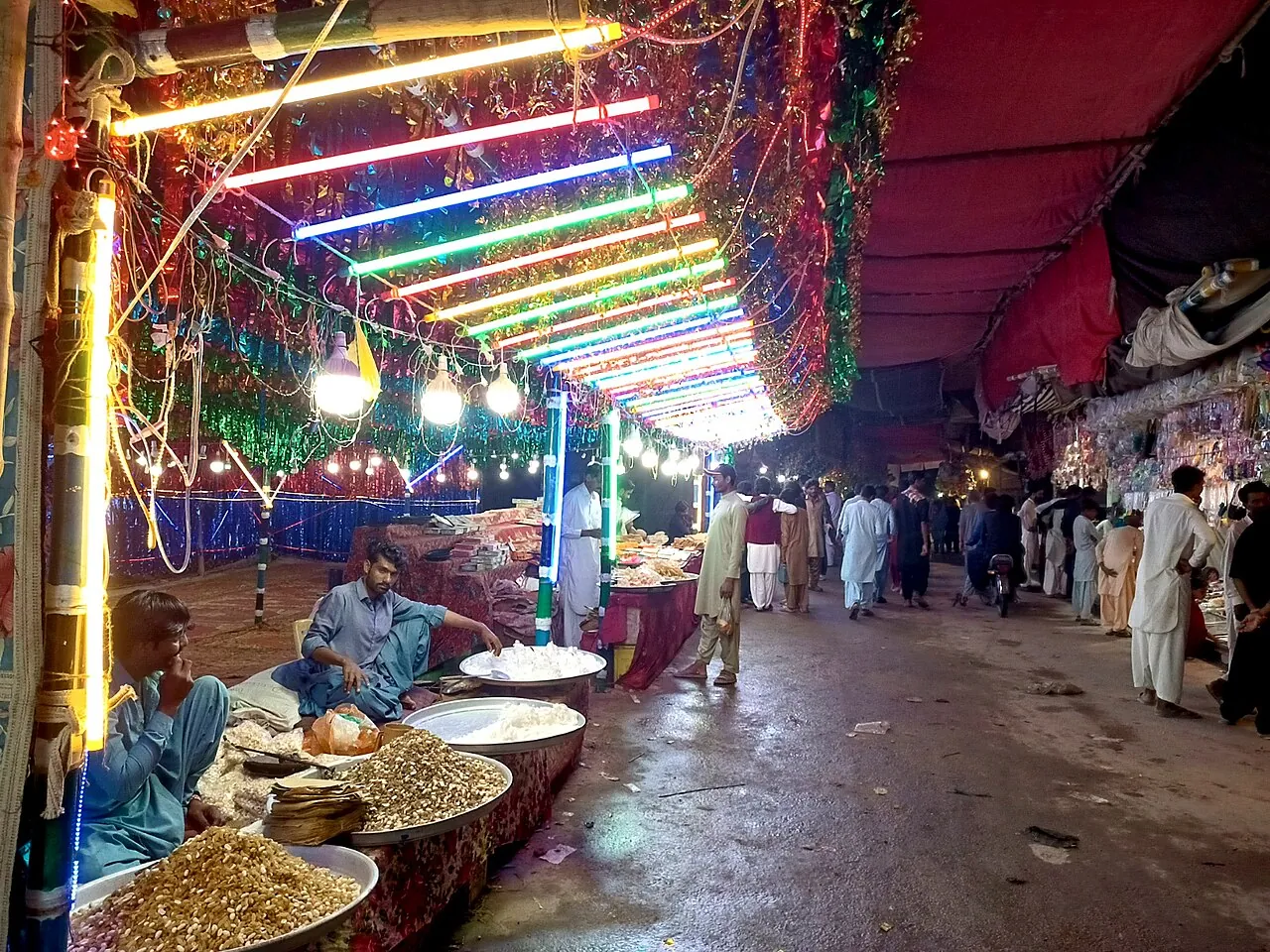
Image credits. Top image: Sweets shops at cultural Fesitval by عمران سومرو, CC BY-SA 4.0, via Wikimedia Commons · In-article image: Sohan Halwa by Miansari66, Public domain, via Wikimedia Commons
Spotted something out of date or a gift that's no longer available? Tell our editors — we review every correction.




