Gift Etiquette in Niger: Tea, Hospitality and What to Bring
In Niger, hospitality and greetings matter more than the gift itself. Here is what to bring a host, how to hand it over, and how gifts fit into Eid, Tabaski and family celebrations.
We independently research every pick. If you buy through our links we may earn a small commission, at no extra cost to you. Affiliate disclosure.
Quick answer
In Niger, hospitality comes first and gifts are modest. If you visit a home, bring something to share, such as sugar, tea, dates, biscuits or fruit, and hand it over with your right hand. Niger is overwhelmingly Muslim, so do not bring alcohol or pork, and dress modestly. Take time over greetings, accept the tea you are offered, and save bigger gifts for Eid celebrations, naming ceremonies and weddings.
- Host gift Sugar, tea, dates, biscuits or fruit to share
- Hand to use Right hand for giving, receiving and eating
- Never bring Alcohol or pork products
- Big gift times Eid al-Fitr, Tabaski (Eid al-Adha), naming ceremonies, weddings
Islam is the religion of the great majority of people in Niger, and daily life follows Muslim customs alongside older local traditions. The country is home to several peoples, including the Hausa, Zarma-Songhai, Fulani, Tuareg and Kanuri, each with its own language and customs, so details vary between Niamey, market towns and rural villages. The tips below are general; when in doubt, follow your host's lead. If you plan to travel there, check your government's current travel advice first.
What to give
Gift giving in Niger is less about the object than about taking part in hospitality. Visitors are welcomed warmly, and generosity and sharing are values children learn early. A small, practical gift that the household can share fits that spirit far better than something expensive.
For a host
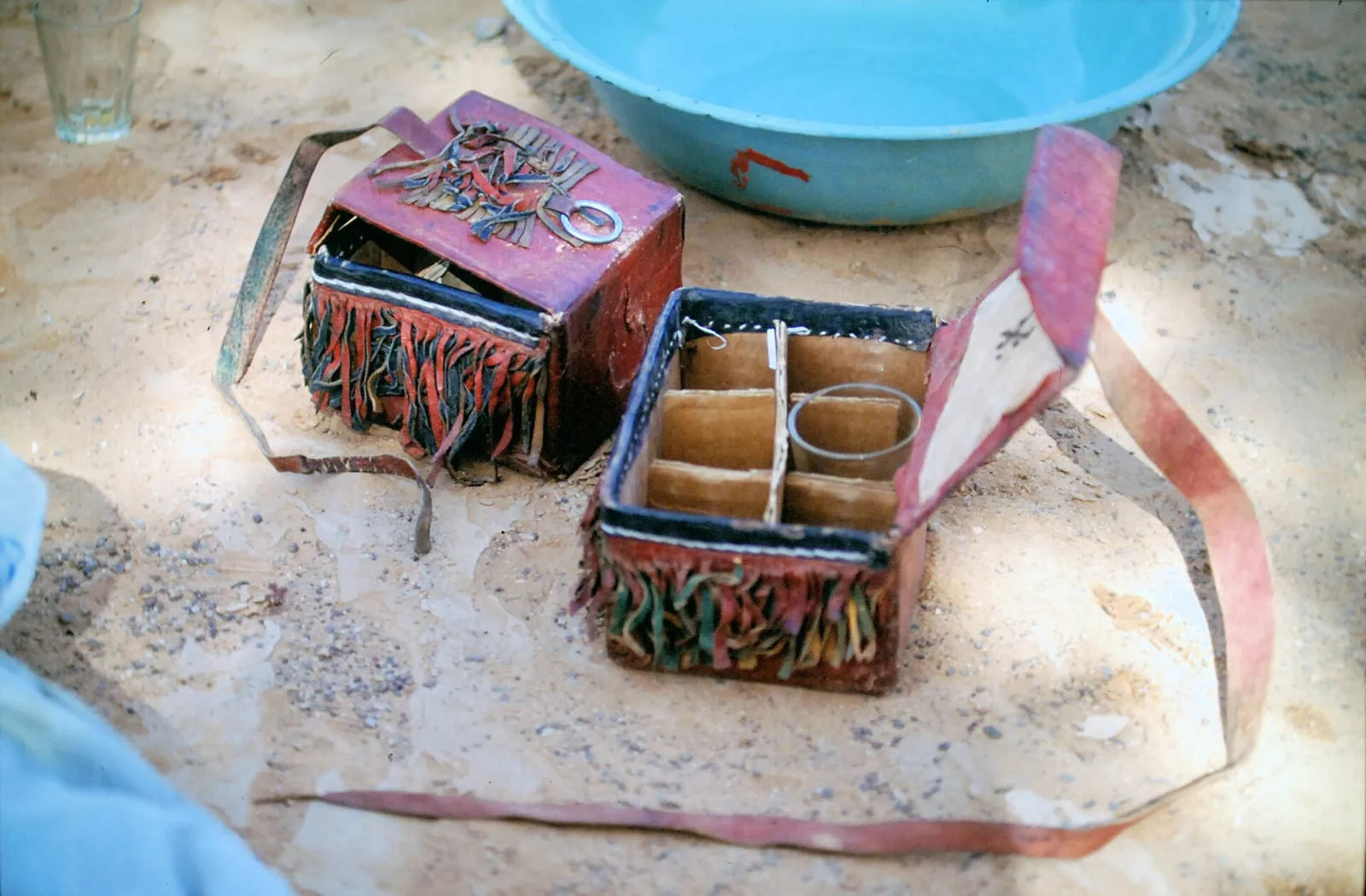
Tea is the center of social life. Strong green tea is brewed and served in three rounds, each sweeter than the last, so a box of good green tea or a bag of sugar is a useful, natural host gift. Dates, biscuits, fruit or sweets are also easy to share. Avoid anything that needs explaining or that the family cannot use.
For friends, in-laws and families with children
For closer relationships, fabric for clothing, a prayer mat, perfume oils (alcohol-free), or a quality household item such as a teapot set are thoughtful choices. For children, sweets, school supplies or a ball are welcome. If you are visiting from abroad, a modest specialty from your home region (non-alcoholic and pork-free) makes a good talking point.
Green tea and sugar
Why it works: Tea is served to almost every guest in three rounds, and the household will use both the tea and the sugar.
Skip it if: you are staying for a meal at a family you know well; a larger food gift may suit better.
Dates, biscuits or a box of sweets
Why it works: Easy to share across a household where men, women and children often eat separately.
Skip it if: you cannot confirm the ingredients; avoid products containing gelatin from pork or alcohol.
Fabric for a new outfit
Why it works: Clothing is a meaningful gift around Eid and family celebrations, and a length of quality fabric lets the recipient have it tailored.
Skip it if: you are a man giving to a woman outside your family; give to the household instead.
School supplies for children
Why it works: Practical and welcome, and it shows care for the family.
Skip it if: you don't know the children's ages; sweets for everyone are easier.
Looking for more ideas that travel well? See our food gifts guide.
What to avoid
- Alcohol. Most people in Niger are Muslim and do not drink, and alcohol is hard to find. Do not give it, and do not drink in public during Ramadan.
- Pork and pork-derived products. Pork is avoided across the country; check labels on sweets and snacks.
- Using your left hand. The right hand is used for touching people, handing over objects and eating, because the left is associated with hygiene.
- Skipping the greeting. Starting a conversation, or handing over a gift, without first greeting and asking after the person's family is considered rude.
- Refusing tea or food outright. Turning down an offered drink is considered rude. Accept at least a little.
- Photographing people without asking. Always ask first, and avoid photographing official buildings.
How to give and receive
- Greet first, give second. Greetings are often long and elaborate and include questions about health and family. Let the gift come after.
- Use your right hand to give and receive. Using both hands is also a respectful choice.
- Be indirect. Open refusal or contradiction is considered impolite, and indirect speech is the ideal, especially with elders and people of status. A host may decline politely at first; offer again gently.
- Respect elders. Children are taught respect for elders and religious scholars. Greet and give to the most senior person first.
- Announce yourself. In many homes you clap your hands on arrival to let the household know you are there.
- Dress modestly. Neat, modest clothing for both men and women shows respect, especially for women visitors.
- Keep wrapping simple. Elaborate wrapping isn't expected; a clean bag or simple paper is fine. See our gift wrapping ideas for low-key options.
Holidays and occasions
Ramadan and Eid al-Fitr (dates vary)
Eid al-Fitr marks the end of Ramadan and is a public holiday. It follows the Islamic lunar calendar, so the date moves earlier each year and depends on the moon sighting. It is a time for prayer, visiting family and sharing food. Sweets, dates or clothing for children are fitting gifts if you are invited.
Tabaski (Eid al-Adha, dates vary)
Tabaski, as Eid al-Adha is widely known in West Africa, is the biggest feast of the year. Families who can afford it sacrifice a sheep, and the meat is grilled and shared; in Niamey alone the festival involves enormous numbers of sheep. Meat from ritual slaughter is eaten communally by extended families. If you join a celebration, a contribution of food or drinks for the household is welcome.
Naming ceremonies and weddings
About a week after a birth, families hold a naming day, when the baby receives a Muslim name. Weddings are major family events in which the bride's and groom's families traditionally have clearly separate roles. If invited to either, ask a local friend what is customary; a cash gift or household item is usually appropriate.
Civic holidays
New Year's Day (January 1), Independence Day (August 3) and Republic Day (December 18) are public holidays. Christmas is also a public holiday and is celebrated by the Christian minority. Civic holidays are not gift-giving occasions.
Business gifting
Business in Niger is conducted mainly in French, and formal greetings and courtesy matter. Build the relationship before talking about gifts. If you give something, keep it modest: a quality item from your home country, a book or a box of sweets for the office. Avoid alcohol and anything with images that could offend.
Be careful with anything of high value, especially for government officials. Anti-bribery laws in Niger, and often in your home country, can apply to business gifts and hospitality, and many organizations set their own limits. Check both sides' policies first. Our business gifts section has general guidance.
Frequently asked questions
What should I bring when visiting a home in Niger?
Something to share: green tea, sugar, dates, biscuits or fruit. Keep it modest, non-alcoholic and pork-free.
Can I give alcohol as a gift in Niger?
No. The great majority of people are Muslim and do not drink, so alcohol is not an appropriate gift.
Which hand should I use to give a gift in Niger?
Your right hand, or both hands. The left hand alone is avoided for passing objects and eating.
Is it rude to refuse tea in Niger?
Yes, refusing an offered drink is considered rude. Tea is usually served in three rounds; accept at least a little of each.
When do people exchange gifts in Niger?
Mainly at Eid al-Fitr, Tabaski (Eid al-Adha), naming ceremonies and weddings. Dates of the Islamic holidays change every year.
Traveling across the region? See our guides to Nigeria and Mali, or browse all country etiquette guides.
Sources
- Countries and Their Cultures (Every Culture) — Culture of Niger. everyculture.com
- Together Women Rise — Customs and Cuisine of Niger. togetherwomenrise.org
- World Travel Guide — Niger history, language and culture. worldtravelguide.net
- Africanews — Niger youth go green for Eid to save trees. africanews.com
- Wikipedia — Public holidays in Niger. en.wikipedia.org
Image credits. Top image: Tea service of a Tuareg by Heribertus2, CC BY-SA 4.0, via Wikimedia Commons · In-article image: Croix d'Agadez by Amadouibrahim2, CC BY-SA 4.0, via Wikimedia Commons
Spotted something out of date or a gift that's no longer available? Tell our editors — we review every correction.




