Gift Etiquette in Nigeria: Respect, Religion and Regional Customs
Nigeria is home to hundreds of languages and two major faiths, so gift customs vary. These are the courtesies that travel well, from greeting elders to giving with the right hand.
We independently research every pick. If you buy through our links we may earn a small commission, at no extra cost to you. Affiliate disclosure.
Quick answer
When visiting a Nigerian home, bring a small gift such as fruit, sweets or chocolates, and give it with your right hand or both hands, never the left alone. Greet elders first and use respectful titles. Match the gift to the family's faith: for Muslim households, especially in the north, avoid alcohol and pork. The main gift seasons are Christmas and the two Eid holidays.
- Typical host gift $10 – $35
- Hands Right hand or both hands
- Opening Often later, not right away
- Key holidays Christmas, Eid al-Fitr (Sallah), Eid al-Adha
Nigeria has more than 500 languages and many ethnic groups, with Hausa, Yoruba and Igbo among the largest. Islam predominates in the north, particularly among Hausa and Fulani communities; Christianity is more widespread in the south; and the southwest has large Muslim and Christian populations. A gift that is perfect in a Christian family in Enugu may be wrong for a Muslim family in Kano. Ask, observe and follow your host's lead.
What to give
Hospitality is highly valued, and bringing a small gift when you visit someone's home is appreciated. The gesture matters more than the price. If there are children, a treat for them is usually welcome.
For a host
Fruit, sweets and chocolates are safe choices in almost any household. If you are offered food or drink, accepting at least a little is a welcome sign of appreciation, and it usually means more to your host than an expensive gift.
For in-laws and elders
Respect for seniority runs deep. A gift for in-laws or older relatives should feel generous and be presented respectfully, ideally with both hands. Practical items for the home, quality fabric or a well-chosen food hamper are good directions. If you are joining a family for the first time, ask your partner what is customary in their community.
A fruit basket or box of sweets
Why it works: Fruit and sweets are classic visiting gifts that suit Muslim and Christian homes alike, and children can share them.
Skip it if: you already know the family has a specific dietary restriction; ask first.
A festive food hamper
Why it works: Hampers of rice, drinks, snacks and treats suit Christmas and Eid visits and are easy for a household to share.
Skip it if: it contains alcohol or pork products and the family is Muslim.
Quality fabric or clothing
Why it works: New clothes are part of both Christmas and Eid celebrations, and good fabric is a respectful gift for elders and in-laws.
Skip it if: you do not know the person's taste or the dress norms of their community; a hamper is safer.
A gift from your home country
Why it works: A well-made item from where you live, such as a regional food specialty or a photo book, is a personal touch for hosts and business contacts.
Skip it if: it is liquor and you have not confirmed the recipient drinks.
For more ideas, see our food gifts.
What to avoid
- Giving with the left hand alone. Using only the left hand to hand over a gift or business card can be seen as disrespectful in many communities; the right hand is used for giving and eating.
- Alcohol and pork for Muslim families. Both are prohibited in Islam. This matters most in the predominantly Muslim north and in Muslim households anywhere in the country.
- Skipping elders. Senior people are usually greeted first in a group. Handing a gift to a younger person while an elder is waiting can come across as rude.
- Using first names too quickly. Titles such as Aunty, Uncle, Sir, Ma, Chief, Doctor or Alhaji show respect even without a family tie.
- Assuming one national custom. Practices differ by region, ethnic group and faith, so a rule you learned in Lagos may not apply in Kano or Enugu.
How to give and receive
- Use your right hand or both hands. Both hands is the safest choice when giving to an elder.
- Greet first, give second. Greetings are warm and can be long. Greet everyone, starting with the most senior person, before handing over a gift.
- Show respect to elders. Younger people may lower their heads when greeting elders. Among the Yoruba, younger men may prostrate and younger women kneel. As a visitor, a warm greeting and slight bow is fine.
- Let the host lead rituals. In Igbo communities, the kola nut (oji) ceremony is a traditional welcome. Follow your host's guidance rather than starting it yourself.
- Do not expect it to be opened. Gifts are often set aside and opened later.
- Be mindful with handshakes. In predominantly Muslim northern communities, a man should wait for a woman to offer her hand first.
Holidays and occasions
Eid al-Fitr (Sallah)
Eid al-Fitr ends the fasting month of Ramadan and follows the Islamic lunar calendar, so its date changes every year. In the north it is widely known as Sallah, and in the southwest it is often called Itunu Awe. The day starts with congregational prayers, and people wear new or clean clothes. Sharing food is central: many families cook extra for neighbors, friends and people in need, and visits to relatives follow. In the southwest, children commonly receive gifts or money known as owo odun. In northern cities such as Kano, Katsina and Zaria, the celebrations can include the Durbar, a horse parade with emirs and traditional leaders. If you visit a Muslim family at Eid, bring sweets, fruit or a halal hamper, and a small gift for the children.
Eid al-Adha
The second major Islamic festival also moves each year. Like Eid al-Fitr, it is a time for prayers, family meals, visiting and sharing food.
Christmas
For many Christian families, Christmas means homecoming. People from the cities travel back to their villages, especially in the southeast, for reunions and festivities. Midnight and morning church services are common, and congregants often exchange gifts and food afterward. Giving to people in need, with food, clothes and essentials, is part of the season. Food hampers and gifts for children are natural choices. Browse our Christmas gift guides for ideas.
Weddings and life events
Weddings, naming ceremonies and other family events are major social occasions. Customs, including what kind of gift is expected, vary widely between communities, so ask a friend from that community what is appropriate. Our wedding gift guides cover general ideas.
Business gifting
Gift-giving is not a strict expectation in Nigerian business, but if you receive a gift, you should reciprocate. Always use your right hand when exchanging gifts or shaking hands. Allow time for pleasantries before business, use titles, and expect seniority to matter. Faith shapes schedules: Friday prayers, Ramadan and church activities can affect meetings, and some northern businesses change hours during Ramadan.
Many Nigerian businesses now have policies regulating gifts, and anti-corruption laws apply to dealings with public officials, as do your own country's anti-bribery rules. Keep business gifts modest and transparent: branded items, a quality item from your home region, or a shared hamper at year-end. Avoid gifts during negotiations or tenders, and never give cash to officials. More general advice is in our business gifts guide.
Frequently asked questions
What should I bring when visiting a Nigerian home?
Fruit, sweets or chocolates are good choices, plus a small treat for any children. The gesture counts more than the price. Give it with your right hand or both hands.
Can I bring wine to a Nigerian host?
Only if you know the family drinks. Avoid alcohol for Muslim households. A food gift works everywhere.
Why is the left hand an issue in Nigeria?
In many communities the right hand is used for eating and giving, and offering something with the left hand alone can seem disrespectful. Use the right hand or both hands.
What gifts are given at Sallah?
Food sharing is central, and children often receive gifts or money. Sweets, fruit and halal hampers are suitable gifts if you are visiting.
Are business gifts expected in Nigeria?
Not strictly, but reciprocating a gift is important. Keep business gifts modest and check the company's gift policy.
Explore more country gift guides, including South Africa.
Sources
- Commisceo Global — Nigeria: Culture, Etiquette and Business Guide. commisceo-global.com
- Expat Arrivals — Doing business in Nigeria. expatarrivals.com
- The Guardian Nigeria — How Muslims celebrate Eid al-Fitr across Nigeria. guardian.ng
- Blueprint — How Nigerians celebrate Christmas. blueprint.ng
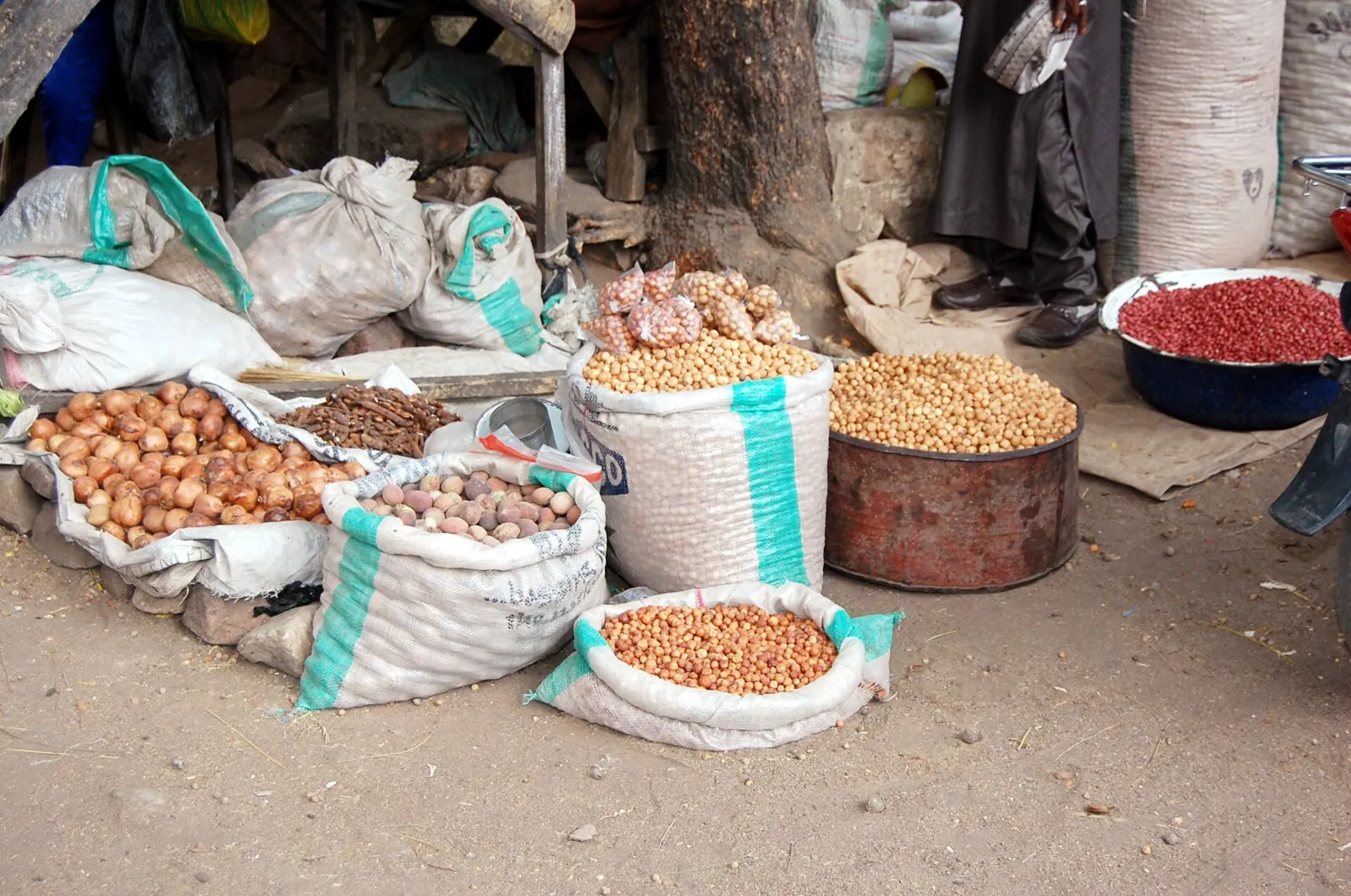
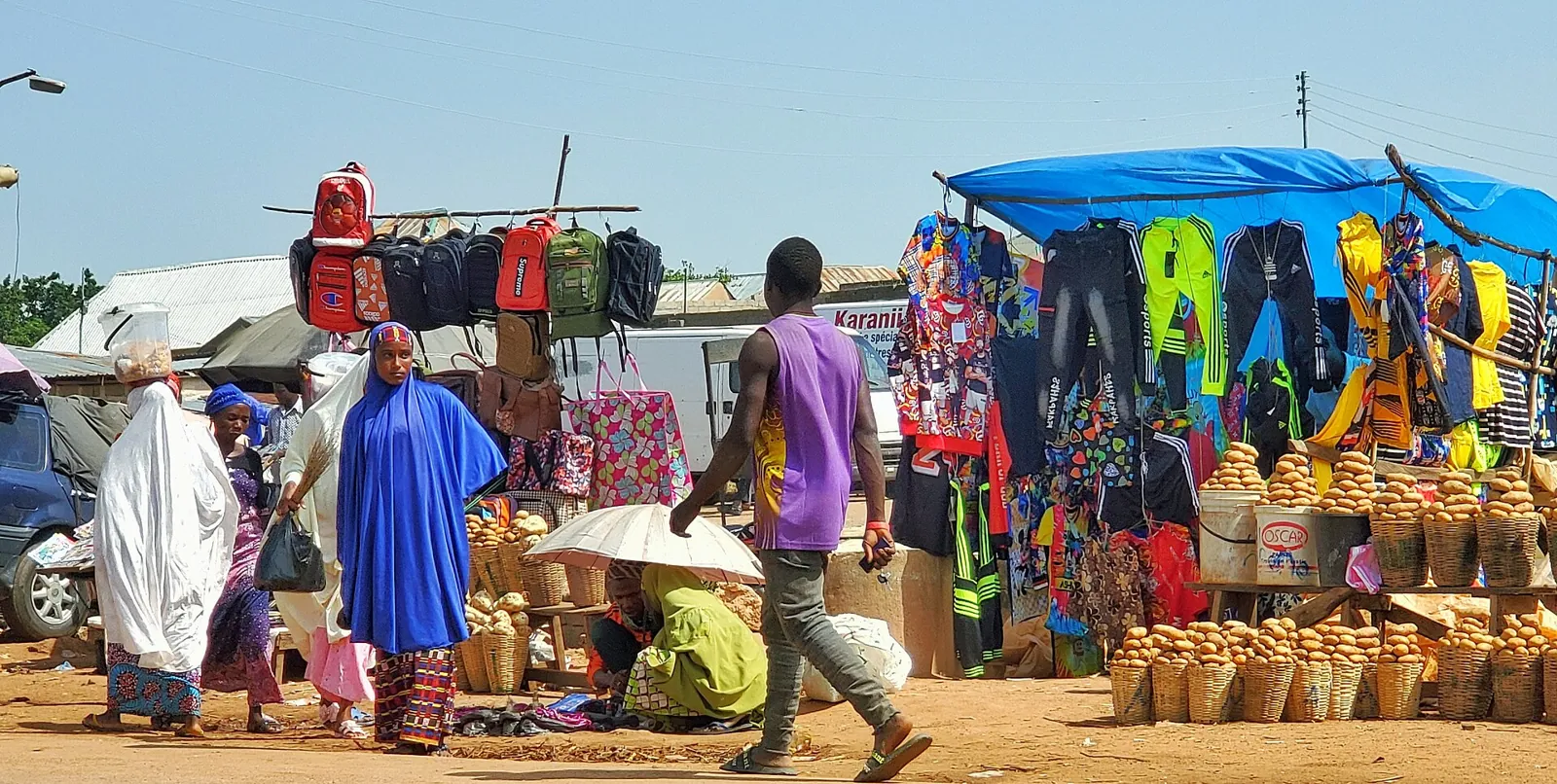
Image credits. Top image: Northern Nigeria fruit and plant products market by Bembety, CC BY-SA 4.0, via Wikimedia Commons · In-article image: Market day at Magama Gumau by Umar Saleh Gwani, CC BY-SA 4.0, via Wikimedia Commons
Spotted something out of date or a gift that's no longer available? Tell our editors — we review every correction.




