Gift Etiquette in Grenada: Greetings, Christmas and Host Gifts
In Grenada, a proper greeting comes before anything else, and Christmas means visiting one home after another. Here is what to bring and how gifts fit in.
We independently research every pick. If you buy through our links we may earn a small commission, at no extra cost to you. Affiliate disclosure.
Quick answer
Courtesy starts with a greeting in Grenada: saying good morning or good afternoon matters even with strangers. When you visit a home, a modest food gift such as sweets, a cake or a specialty from your home country is a safe choice. Christmas is the big social season, when people move between the homes of relatives, friends and neighbors and share a little food at each stop, so a tin of treats or a cake to share fits right in.
- Host gift Cake, sweets, a specialty from home
- Etiquette basics Greet everyone, defer to elders
- Big season Christmas visiting
- Mother's Day Second Sunday of May
What to give
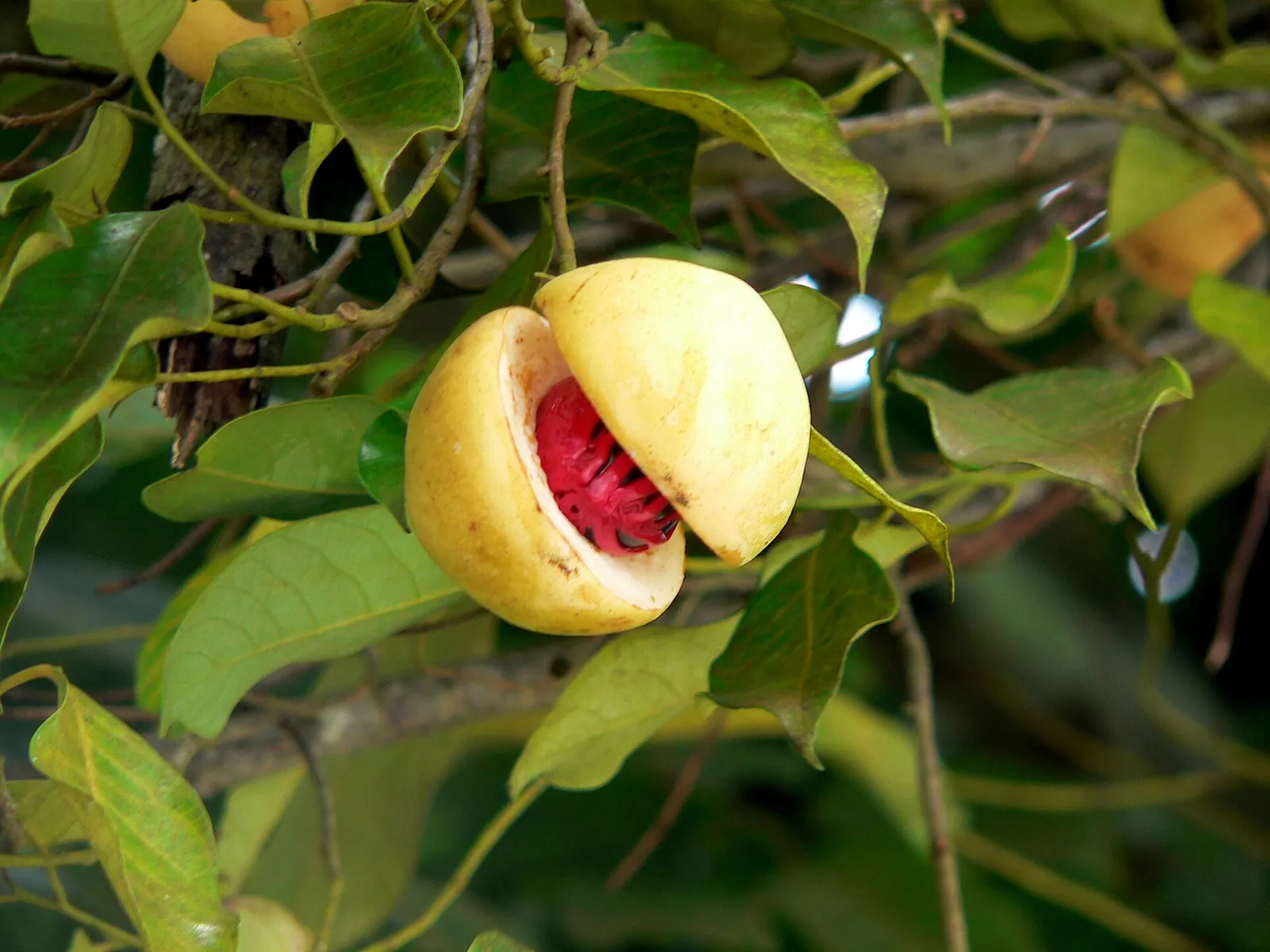
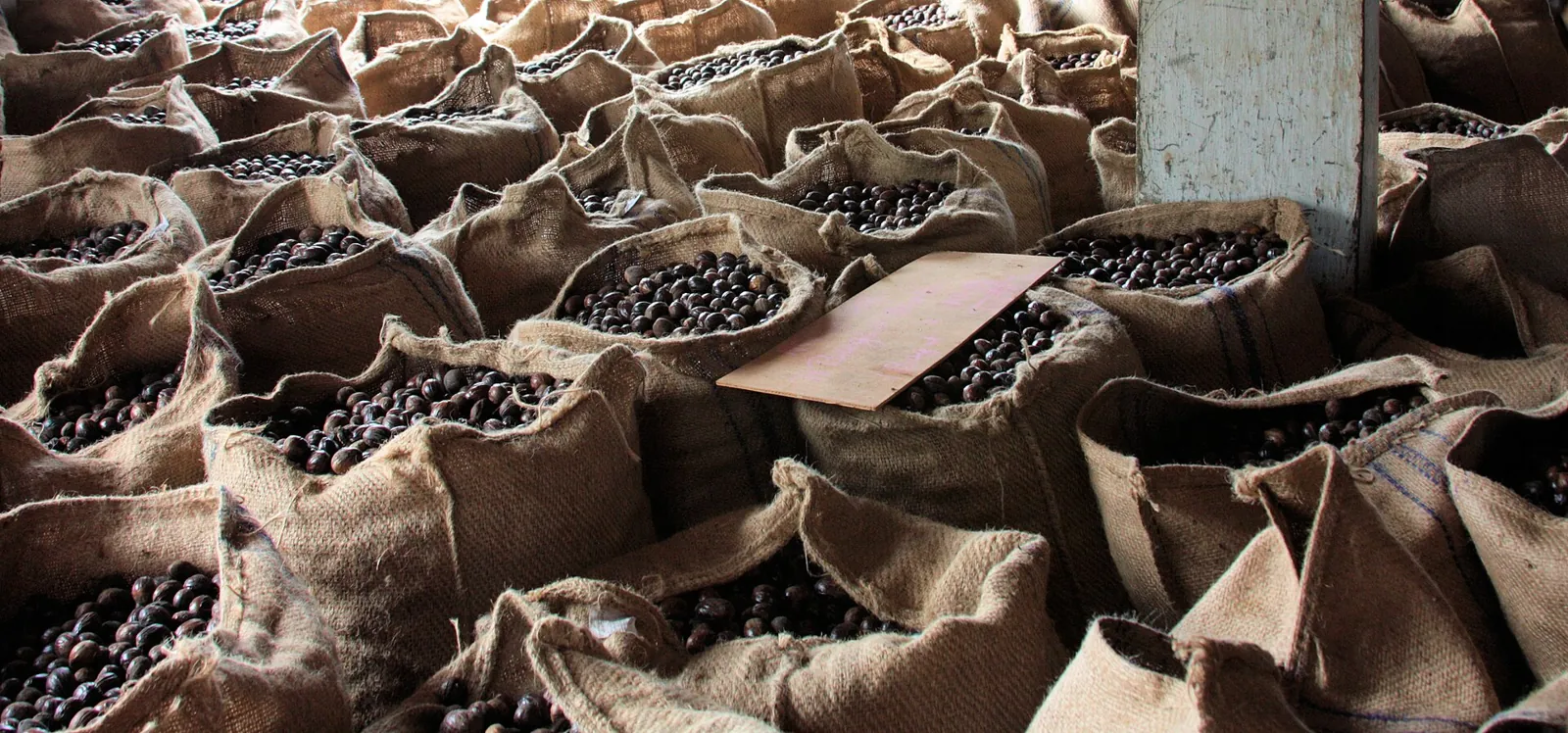
Meals are social occasions in Grenada, and food is the center of hospitality, so a gift that can be shared is the natural choice. The island is known as a spice producer, and nutmeg and mace are used generously in local cooking and sweets such as spice cake, guava cheese and kurma.
For a host
Bring a cake, a box of sweets or chocolates, or a food specialty from your home region. Something from abroad is more interesting to a Grenadian host than local spices, which they have in abundance.
For friends, in-laws and family occasions
Weddings, funerals and holidays bring families together around food and drink. For in-laws, a personal gift from your home country or a quality food item is thoughtful. Show deference to older relatives; preferential treatment for older people and mothers with small children is part of everyday courtesy.
A cake or tin of sweets
Why it works: Easy to share, especially during Christmas house-to-house visiting.
Skip it if: your host is known for baking and you'd be duplicating their specialty.
A specialty from your home country
Why it works: Something not found on the island stands out and starts conversation.
Skip it if: it's perishable and you're traveling a long way.
Flowers or a gift for Mother's Day
Why it works: Grenada celebrates on the second Sunday of May, like the US.
Skip it if: the family has a group gift planned.
What to avoid
- Skipping greetings. Salutations are an important part of daily etiquette, even among strangers.
- Bringing local spices as a host gift. They're everyday ingredients in Grenada; bring something from where you live instead.
- Assuming everyone drinks. Rum is a traditional part of celebrations, but not every host drinks; a food gift is the safer choice.
- Lavish business gifts. Keep anything for professional contacts modest.
How to give and receive
- Greet first. Say good morning or good afternoon before anything else.
- Defer to elders. Older people, and women with small children, are usually given preferential treatment.
- Accept food. At Christmas you may be offered a small plate at each house you visit; take a little to be polite.
- Wrap neatly. See our gift wrapping ideas.
Holidays and occasions
Christmas (December 25) and Boxing Day (December 26)
Christmas is the main gift season. Preparations start weeks ahead: yards are tidied, houses painted, new curtains hung, and the fruit for the rum-soaked black cake is put to soak. Catholic and Anglican churchgoers attend novenas in the nine days before Christmas, and midnight Mass fills the churches. Presents are placed under the tree, children wake early to see what Santa has brought, and Christmas cards received are often hung on a string for everyone to see. Typical treats include sorrel and ginger beer, black cake and ham, and carols and parang music fill the streets.
Christmas remains a family time and many people stay home for the day itself, but the season has a strong tradition of visiting: people go between the homes of relatives, friends and neighbors and are given a little to eat and drink at each. Pork and ham are saved for the holidays, along with boudin (blood sausage), a sweet cornmeal cake cooked in banana leaves and rum or rum punch. A cake, sweets, a card or small gifts for the children are welcome contributions. Boxing Day continues the celebrations, often at the beach. See our Christmas guides.
Carnival (August)
Carnival is the island's most important festival, held in the second week of August, around the same time as Emancipation Day (August 1) celebrations. It's a time for music and parades rather than gifts.
Independence Day (February 7)
Grenada became independent from the United Kingdom on February 7, 1974. It's a patriotic celebration, not a gift occasion.
Weddings on Carriacou
Carriacou, Grenada's sister island, keeps a distinctive wedding tradition. Before the ceremony the two families meet at a neutral place, often a crossroads, with a string band, and flags and cakes are danced: men mainly carry the flags, women dance the cakes, and the groom's flags and cakes always go before the bride's. A libation of rum and water is poured for the ancestors, and everyone joins the traditional wedding songs. If you are invited, follow the family's lead and ask a relative what gift would be appropriate. See our wedding gift ideas.
Other occasions
Fisherman's Day falls on June 29. On All Souls' night, some families bring food, drink and music to the graveyard and remember relatives by candlelight. Grenada is predominantly Roman Catholic, with a large Protestant minority, and church ceremonies mark many family milestones.
Business gifting
Courtesy and greetings matter in professional settings as much as in social ones. Gifts aren't required; if you give one, keep it modest, such as a quality item from your home country or company. Anti-bribery laws in Grenada and in your home country may apply to gifts and hospitality, especially with public officials, so follow both organizations' policies. Our business gifts section has general guidance.
Frequently asked questions
What should I bring to a Grenadian home?
A cake, sweets, chocolates or a food specialty from your home country.
How is Christmas celebrated in Grenada?
With house-to-house visiting among relatives, friends and neighbors, special foods such as ham, pork and boudin, and rum-based drinks.
Do Grenadians exchange Christmas cards?
Yes. Cards are part of the season, and many households hang the cards they receive on a string for display, so a card with your gift is a nice touch.
When is Carnival in Grenada?
In August, usually the second week, rather than before Lent.
When is Mother's Day in Grenada?
On the second Sunday of May.
Exploring the Eastern Caribbean? See our guides to Saint Vincent and the Grenadines, Trinidad and Tobago and Saint Lucia, or browse all country guides.
Sources
- Countries and Their Cultures — Culture of Grenada. everyculture.com
- NOW Grenada (John Angus Martin, curator, Grenada National Museum) — This Day in History: Christmas. nowgrenada.com
- Grenada National Trust — Dancing of the Flags & Cake. grenadanationaltrust.org
- Wikipedia — Culture of Grenada. en.wikipedia.org
- Wikipedia — Public holidays in Grenada. en.wikipedia.org
- Wikipedia — Mother's Day (dates by country). en.wikipedia.org
Image credits. Top image: Nutmeg 01 by Lee Coursey, CC BY 2.0, via Wikimedia Commons · In-article image: Nutmeg at a Grenada Co-op by Paul Harrison, CC BY-SA 4.0, via Wikimedia Commons
Spotted something out of date or a gift that's no longer available? Tell our editors — we review every correction.