Gift etiquette in Saint Lucia: host gifts, manners and holidays
A small, sincere gift and a proper greeting go a long way in Saint Lucia. Here is what to bring to a home, what to skip and how gifts fit the island calendar.
We independently research every pick. If you buy through our links we may earn a small commission, at no extra cost to you. Affiliate disclosure.
Quick answer
In Saint Lucia, gifts are welcome but never the main event; courtesy is. If a local invites you home, accept if you can and bring a small token such as chocolates, good coffee or a bottle of wine. Keep gifts modest, greet everyone with "good morning" or "good afternoon" before anything else, and dress modestly away from the beach. Business gifts are not expected; a punctual arrival and a polite follow-up note make a better impression.
- Host gift Chocolates, coffee or wine, about $15 – $40
- Key courtesy Greet before you ask for anything
- Languages English (official) and Kwéyòl
- Big seasons Carnival (July), Christmas, National Day (December 13)
Saint Lucia is a small Eastern Caribbean island where English is the official language and Kwéyòl, a French-based Creole, is widely spoken. Most people are Catholic, and family, church and community events shape the social calendar. Gift-giving is relaxed rather than ritualized, so the details below are about tone: small, sincere and delivered with good manners.
What to give
When you are invited to a home
Turning down an invitation to someone's home can come across as unfriendly, so accept when you reasonably can. A small token for your hosts is a kind gesture. Travel etiquette guides suggest local chocolates, good coffee or a bottle of wine. Wine works best when you know your hosts drink; many families are churchgoing, and some people do not drink at all.

Chocolates or a sweet treat to share
Why it works: Easy to share with the whole household and suitable for almost anyone, including families with children.
Skip it if: it will sit in a hot car all afternoon; choose something heat-tolerant in the tropics.
Good coffee or tea
Why it works: A practical, consumable gift that does not create any sense of obligation.
Skip it if: you already know the household prefers bush tea or cocoa tea; bring a treat instead.
A bottle of wine
Why it works: A classic dinner-party gift for hosts you know enjoy a drink.
Skip it if: you are unsure about your hosts’ habits or faith.
A small specialty from your home region
Why it works: Gives your hosts something they cannot buy on the island and a story to go with it.
Skip it if: it is bulky or expensive; modest is the right register.
For more ideas that travel well, see our food gifts guide.
For friends and family occasions
Birthdays, weddings, christenings and Christmas are when gifts are most expected. Choose something personal and practical rather than flashy. Very expensive presents can feel uncomfortable or suggest you expect something in return.
What to avoid
- Extravagant gifts. They can embarrass the recipient or imply an expectation.
- Assuming everyone drinks. Bring alcohol only when you know your hosts enjoy it.
- Skipping the greeting. Launching straight into a request without "good morning" or "good afternoon" is considered rude.
- Beachwear in town. Walking through town in swimwear or bare-chested is seen as disrespectful, and it will undercut even the nicest gift.
- Photographing church services without permission. Some churches forbid it or ask visitors not to use flash.
How to give and receive
- Greet everyone first. When you arrive, greet each person present. A handshake or a nod is right with people you have just met; let locals set the level of familiarity before you hug.
- Hand the gift over on arrival with a few warm words. There is no special ritual to follow.
- Learn a few Kwéyòl words. "Bonjou" (good morning), "Bonswè" (good evening) and "Mèsi" (thank you) are warmly received, though English is right in formal settings.
- Wrap simply. Neat paper or a gift bag is fine; no colors or numbers carry special warnings. Our gift wrapping guide has easy ideas.
- Say thank you afterward with a message or note.
Holidays and occasions
Christmas and New Year
Christmas is family-focused, with small festivals and parades across the island. Shops may close early on December 25 and January 1, so buy gifts a day or two ahead. A box of chocolates or something for the home is a good choice for a holiday visit; browse our Christmas guides for more.
National Day (December 13)
Saint Lucia's National Day, December 13, is marked with the Festival of Lights and Renewal.
Carnival (July)
Saint Lucia Carnival moved from the pre-Lent season to July in 1999 and builds through the month, with the main parades on Carnival Monday and Tuesday. Event tickets make a fun gift for a friend who is joining in.
Creole heritage and the flower festivals
Jounen Kwéyòl (Creole Day) falls on the last Sunday of October, when many people wear the national madras dress. The island's two historic flower societies hold their feasts on August 30 (La Rose) and October 17 (La Marguerite). Independence Day is February 22.
Business gifting
Gifts are not a standard part of business in Saint Lucia. If you want to give something, choose a tasteful item from your home country or a good-quality notebook, and keep it modest. Business culture blends British formality with a relaxed Caribbean style: use a firm handshake and titles such as Mr. or Ms. with surnames until invited to use first names, arrive on time, begin with small talk, and follow up with a polite email or handwritten note. Avoid anything that could look like an attempt to influence a decision, and follow your own company's gift and anti-bribery policy. Our business gifts guide covers the basics.
Frequently asked questions
What should I bring to a Saint Lucian home?
A small token such as chocolates, good coffee or, if you know your hosts drink, a bottle of wine. Keep it modest.
Is it rude to decline an invitation?
It can seem unfriendly. If you are invited to a local home, try to accept.
Are business gifts expected in Saint Lucia?
No. A modest item from home is fine, but punctuality, courtesy and a follow-up note matter more.
When is Carnival in Saint Lucia?
In July. It moved from the pre-Lent season in 1999, and the main parades are on Carnival Monday and Tuesday.
What language do people speak?
English is official, and Kwéyòl is widely spoken. A few Kwéyòl greetings are appreciated.
Planning a wider trip? Compare customs in our Barbados guide or browse all country guides.
Sources
- Hello Travel — Saint Lucia Cultural Guide: Etiquette, Customs, and Tips. travelwithhello.com
- Biz Latin Hub — A Guide to Business Etiquette in Saint Lucia. bizlatinhub.com
- Saint Lucia Tourism Authority — Festivals. stlucia.org
- Wikipedia — Culture of Saint Lucia. en.wikipedia.org
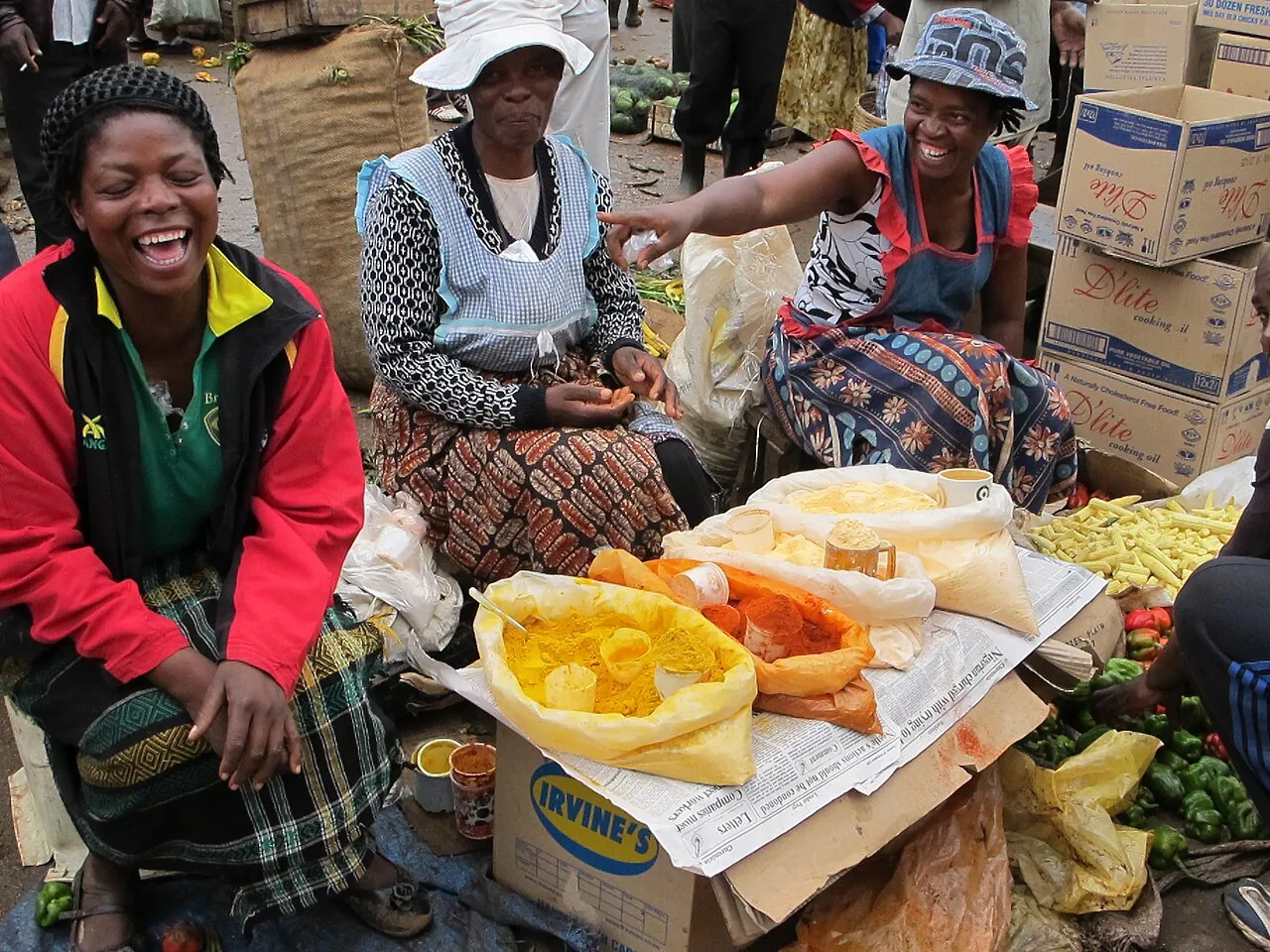
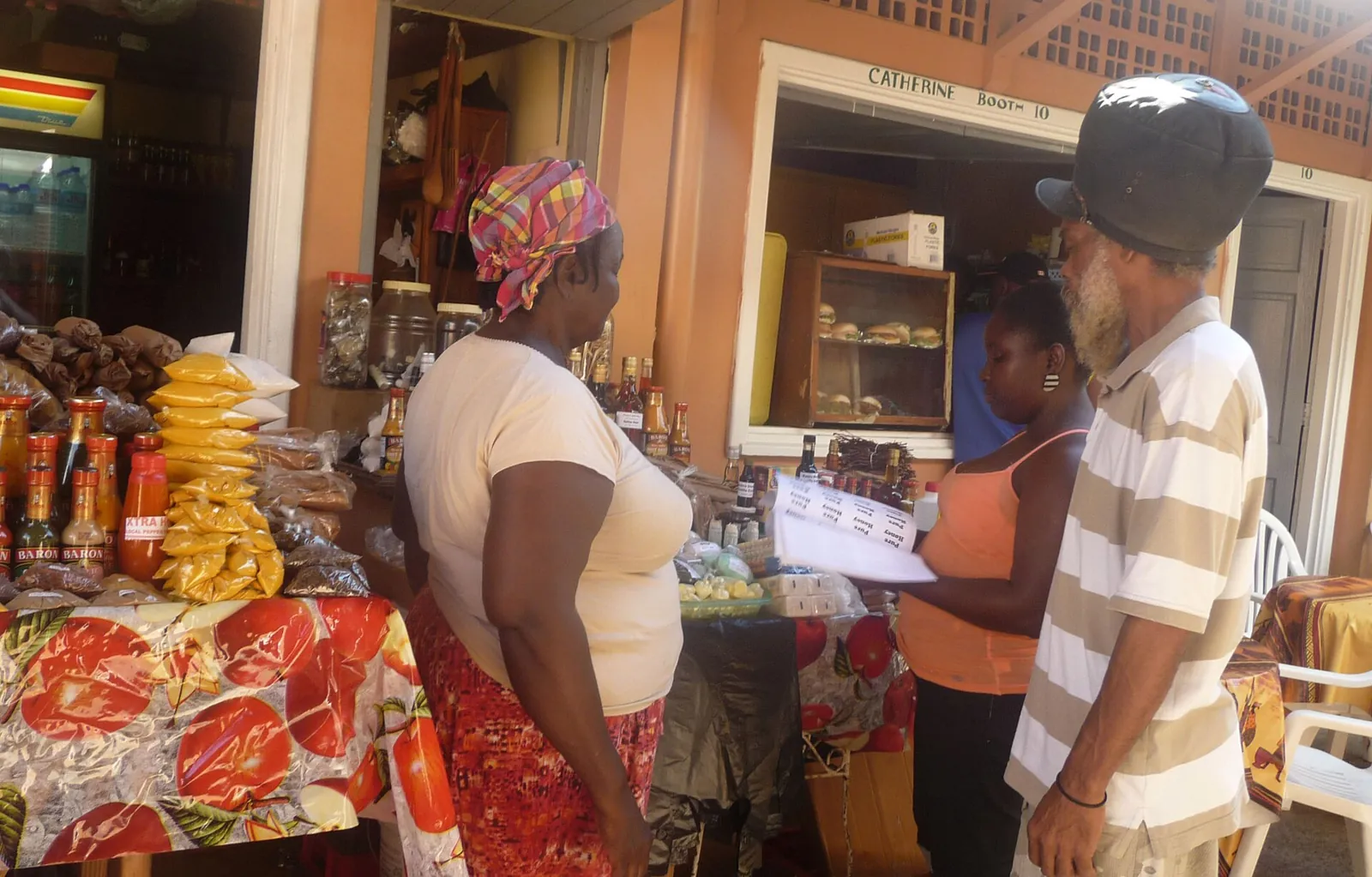
Image credits. Top image: Castries Market. - Flickr - gailhampshire by gailhampshire from Cradley, Malvern, U.K, CC BY 2.0, via Wikimedia Commons · In-article image: Rabot estate by Hdalby33, CC BY-SA 4.0, via Wikimedia Commons
Spotted something out of date or a gift that's no longer available? Tell our editors — we review every correction.