Gift etiquette in Trinidad and Tobago: hosts, holidays and business
In Trinidad and Tobago, gifts travel with hospitality: Divali sweets, Eid food and Christmas house visits. Here is what to bring, what to avoid and how to give it.
We independently research every pick. If you buy through our links we may earn a small commission, at no extra cost to you. Affiliate disclosure.
Quick answer
Trinidad and Tobago is a multi-faith, food-loving country where gifts usually travel with hospitality: sweets shared at Divali, food shared with neighbors at Eid, and house-to-house visiting at Christmas. If you are invited to a home, a small food gift or treat is a gracious gesture; check before bringing alcohol to a Hindu or Muslim household. Greet people properly before anything else, and keep business gifts modest, especially with anyone in the public sector.
- Host gift Sweets, a cake or a treat to share, about $15 – $40
- Key courtesy "Good morning" or "good afternoon" before any request
- Big seasons Christmas, Carnival, Divali, Eid
- Business Personal contact matters; gifts modest
Trinidad and Tobago's culture has strong African and Indian roots alongside many other influences. Christianity, Hinduism and Islam are all part of daily life, and public holidays include Divali and Eid as well as Christmas and Easter. Festivals are shared across communities, and food is the common language of generosity.
What to give
Visiting a home
There is no rigid rule, but arriving with something to share shows good manners. Think about the household's faith: some Hindu families avoid meat and alcohol around religious observances, and observant Muslims avoid alcohol and pork.
A box of sweets or a cake
Why it works: Sweets and cakes are part of every major festival here, and they suit hosts of any faith.
Skip it if: you know the household is avoiding sugar; fruit is a good alternative.
A bottle of wine or rum
Why it works: Rum has a place at Christmas tables, in black cake and ponche de crème, for hosts who drink.
Skip it if: the family is Muslim or devout Hindu, or you are unsure.
Flowers or a plant
Why it works: A cheerful, faith-neutral thank-you for a dinner host.
Skip it if: you are visiting during a solemn religious period; ask what is appropriate.
Toys or new clothes for children at Divali
Why it works: Children traditionally receive toys and new clothing at Divali, so a small present for the kids is warmly received.
Skip it if: you do not know the family well; sweets for the household are simpler.
Our food gifts guide has ideas that travel well.
What to avoid
- Alcohol or pork for Muslim hosts, and alcohol or meat for Hindu hosts during religious observances. Faith shapes many households' rules.
- Skipping the greeting. Launching into a question without "good morning" or "good afternoon" comes across as rude.
- Lavish gifts in business, especially to public officials; gift-giving there can be read as unethical.
- Touching Carnival costumes or dancing with someone without consent.
- Beachwear in town. Walking around in a bikini or bare-chested away from the beach is poor etiquette.
How to give and receive
- Greet first, and greet elders respectfully. Use Mr. or Ms. with a surname, or "aunty" and "uncle" for older people if you are close.
- Remove your shoes when asked in homes and at temples and mosques.
- Accept food and drink when visiting during the holidays; offering it is the core of Trinbagonian hospitality.
- Dress modestly for religious spaces: covered shoulders and knees at Hindu temples, long trousers and covered shoulders (plus a headscarf for women) at mosques, smart-casual at church.
- Wrap simply. There are no widely documented color or number taboos; see our gift wrapping guide.
Holidays and occasions
Christmas
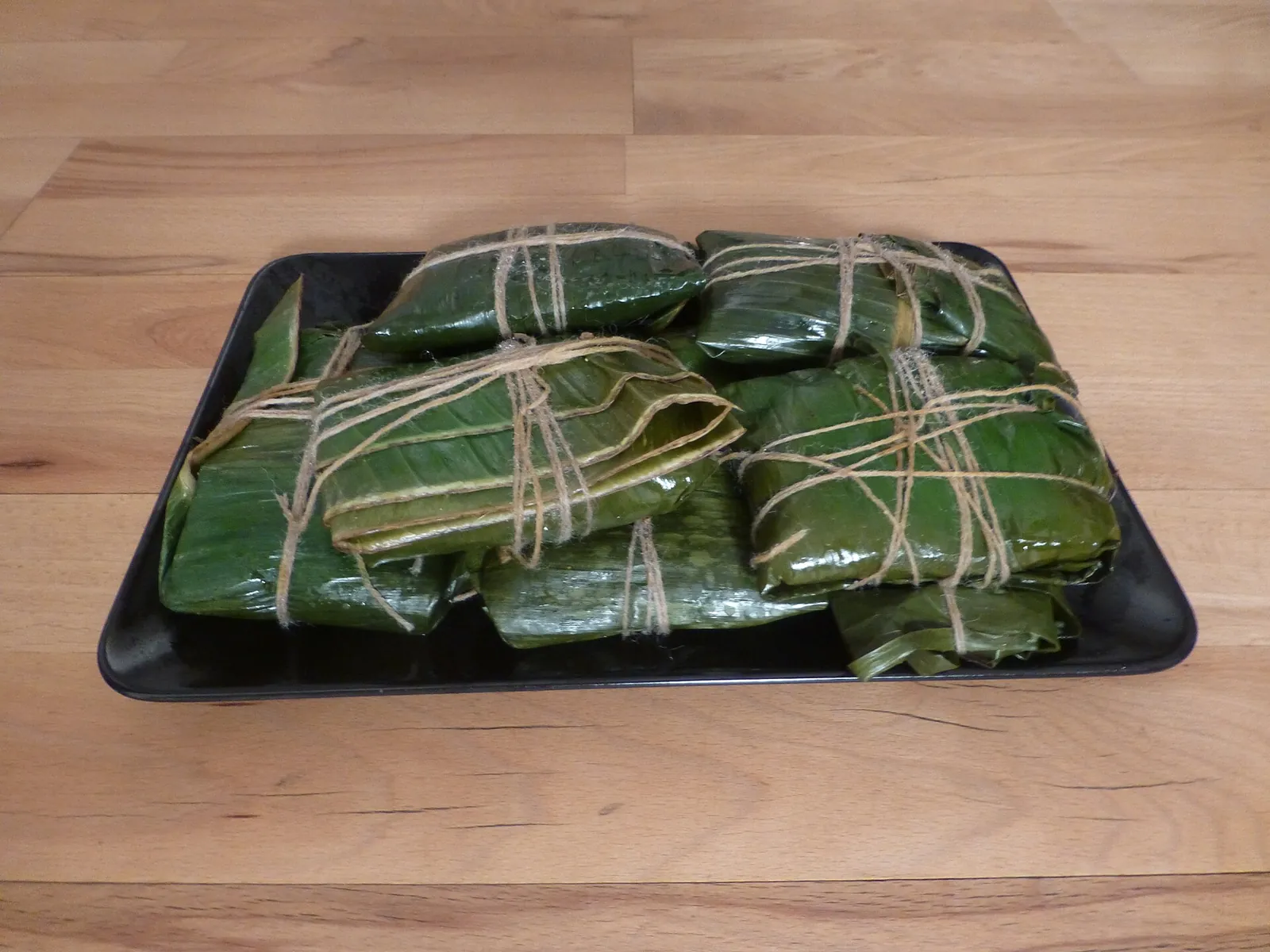
Christmas is a social season of parties and visiting. Children and adults go from house to house among neighbors and relatives for food and drink, and parang, a Spanish-language music tradition with Venezuelan roots, is sung door to door. Tables feature pastelles, ham, black cake soaked in rum for months, sorrel and ponche de crème. Many families also hang new curtains and buy new furniture or appliances. If you drop by, a cake, a box of sweets or a bottle for drinking hosts fits right in. See our Christmas guides for more.
Carnival
Carnival takes place on the Monday and Tuesday before Ash Wednesday, usually in February or early March, and business slows dramatically. Fete tickets or a costume contribution make a fun gift for a friend who is playing mas.
Divali
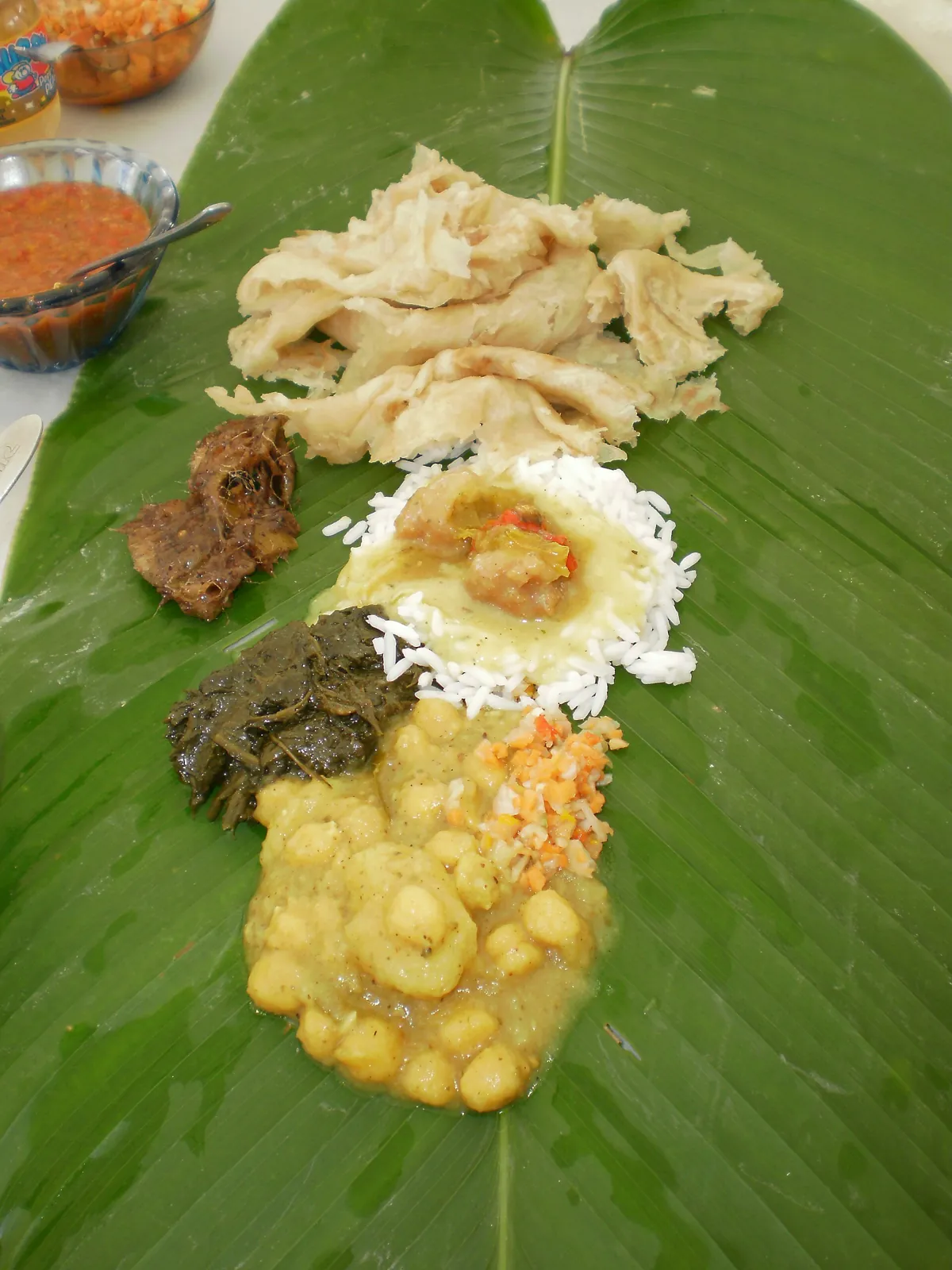
Divali falls in October or November and the date varies each year. Homes glow with deyas (clay oil lamps), gifts and sweets are exchanged, children receive toys and new clothes, and relationships with family, friends and neighbors are mended or reinforced. Indian sweets such as barfi and kurma are the classic gift.
Eid al-Fitr
Eid at the end of Ramadan is a public holiday, with a date that changes each year. Muslim families mark it with prayer and feasting and often share food with neighbors of every background. Sweets are a safe gift if you are invited.
Business gifting
Business dress is Western and often more formal than in the U.S. for first meetings, and sustained personal contact is expected. Gifts are not a standard part of doing business. Exchange pleasantries, use titles and surnames until invited otherwise, and allow extra travel time because daytime traffic is heavy. If you do give a gift, keep it modest, such as a quality item from your home country after a project goes well, and avoid gifts to public officials. Follow anti-bribery laws and both organizations' gift policies; our business gifts guide explains the basics.
Frequently asked questions
What should I bring when visiting a Trinidadian home?
A cake, sweets or another treat to share. Bring alcohol only if you know your hosts drink.
Do people exchange gifts at Divali?
Yes. Gifts and sweets are exchanged, and children often receive toys and new clothes.
What is parang?
A Christmas music tradition sung in Spanish, often performed door to door during the holiday season.
Are business gifts common in Trinidad and Tobago?
Not really. Keep any gift modest and avoid gifts to public officials.
When is Carnival?
On the Monday and Tuesday before Ash Wednesday, usually in February or early March.
For a neighboring perspective, see our Barbados and Venezuela guides, or browse all country guides.
Sources
- Hello Travel — Trinidad and Tobago Cultural Guide: Etiquette, Customs, and Tips. travelwithhello.com
- U.S. International Trade Administration — Trinidad and Tobago Country Commercial Guide: Business Travel Etiquette. trade.gov
- National Trust of Trinidad and Tobago — Two aspects of celebrating Divali in Trinidad and Tobago. nationaltrust.tt
- WhyChristmas — Christmas in Trinidad and Tobago. whychristmas.com
Image credits. Top image: FOOD Pastelles steamed by Grueslayer, CC BY-SA 4.0, via Wikimedia Commons · In-article image: Divali meal by Kalamazadkhan, CC BY-SA 3.0, via Wikimedia Commons
Spotted something out of date or a gift that's no longer available? Tell our editors — we review every correction.




