Gift etiquette in Eritrea: coffee, respect and holiday customs
In Eritrea, hospitality often takes the form of an hour-long coffee ceremony. Here is how to choose a modest gift, respect religious customs and handle holidays and weddings.
We independently research every pick. If you buy through our links we may earn a small commission, at no extra cost to you. Affiliate disclosure.
Quick answer
Eritrea is roughly evenly divided between Orthodox Christians and Muslims, and respect for elders is deeply rooted. A modest gift such as good coffee, sweets or a specialty from home suits a host, and small treats for children are welcome. Give with your right hand, and if you're invited to a coffee ceremony, stay for the customary three cups and praise the coffee. Check religious rules (halal food, fasting periods, alcohol) before choosing food or drink.
- Safe host gift Coffee, sweets or a specialty from home
- Typical budget $15 – $45
- Languages Tigrinya, Tigre, Arabic and English
- Hospitality ritual The coffee ceremony: three cups
Eritrea is home to nine officially recognized nationalities, each with its own customs, and both Christianity and Islam are recognized by the state. Clergy and Muslim scholars have an influential place in daily life, and both faiths observe strict fasts and food rules. Anyone planning a trip should follow their own government's current travel advice.
The coffee ceremony
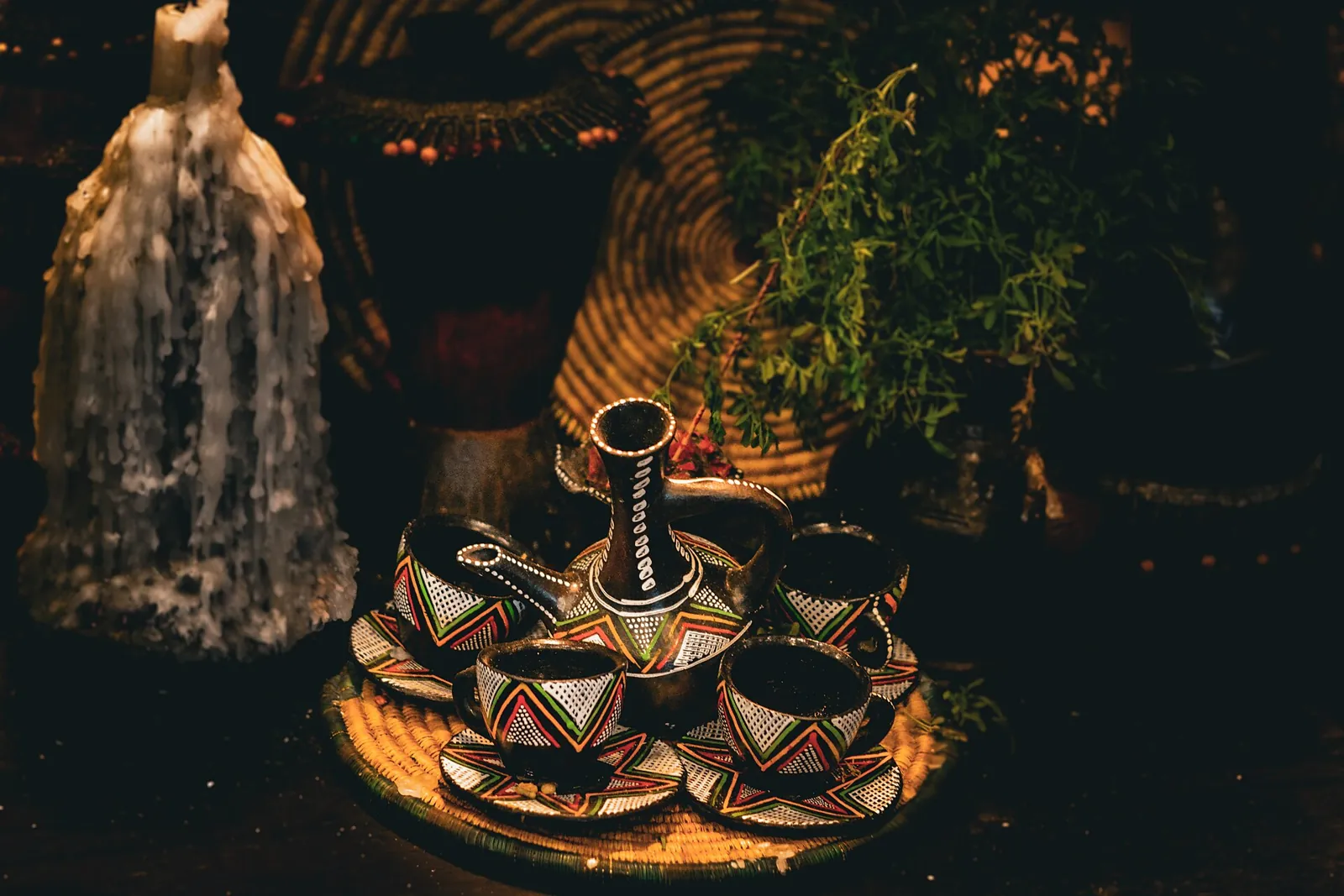
Coffee is one of the main ways Eritreans honor guests. After a long working day, families and their guests often gather for a ceremony that can last about an hour: a woman of the household roasts the beans, grinds them and brews the coffee in a clay pot while frankincense burns nearby. Popcorn or bread is often served alongside. Guests are expected to drink at least three rounds and to praise the coffee before leaving. Being invited is a sign of friendship, so make time for it.
What to give
Good coffee beans
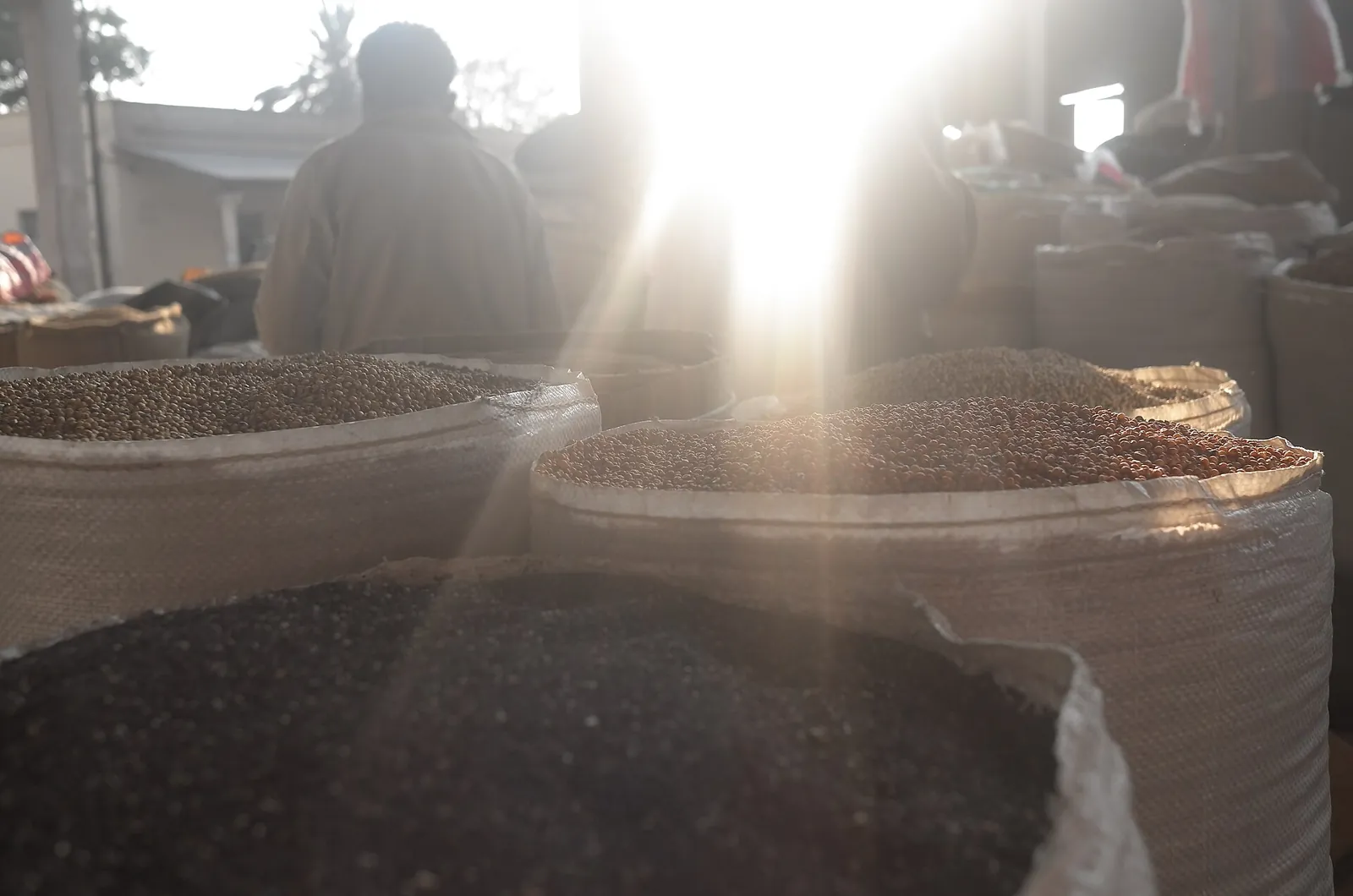
Why it works: Coffee is central to Eritrean hospitality, so a quality bag of beans is a gift your host will use for guests.
Skip it if: You can bring something from your own country that will mean more.
Sweets or pastries
Why it works: Easy to share with the household and children.
Skip it if: Your hosts are fasting; check whether it's a fasting period before bringing food made with animal products, and choose halal options for Muslim families.
A specialty from your home country
Why it works: A book of photographs, a craft or a food specialty gives friends and in-laws something they can't buy locally.
Skip it if: It contains alcohol or pork and your hosts are Muslim, or it's flashy and expensive.
Gold or silver jewelry for a bride (close family only)
Why it works: Fine gold and silver jewelry is commonly given to brides on their wedding day.
Skip it if: You're not close family; a more modest gift is appropriate for most guests.
What to avoid
- Using your left hand. Traditional food is eaten with the right hand only, and the left hand is considered unclean, so give and receive with your right.
- Alcohol or pork for Muslim hosts. Both conflict with Islamic dietary rules.
- Ignoring fasts. Both Orthodox Christians and Muslims observe rigorous fasts; time food gifts and invitations with care.
- Leaving the coffee ceremony early. Guests are expected to stay for three cups.
- Disrespecting elders. Respect for elders and authority is deeply rooted.
- Smoking around older people. Smoking isn't popular with traditional or elderly Eritreans.
How to give and receive
- Greet first. A handshake is standard, and many people also use a shoulder-to-shoulder greeting. Greet elders first.
- Use your right hand to give, receive and eat.
- Praise the coffee and the food; compliments to the host are part of the ritual.
- Remove your shoes when entering a church or mosque.
- Dress modestly, especially when visiting families or religious sites.
- Don't be surprised by affection between friends. Men often hold hands as a sign of friendship.
- Say thank you warmly.
Holidays and occasions
Orthodox Christian holidays
Orthodox Christmas (Leddet) is celebrated on January 7 and Epiphany (Timket) about two weeks later. Meskel, the Finding of the True Cross, falls in late September, and Orthodox Easter moves each year. Food and drink are served in plenty during religious celebrations, and an ox, sheep or goat is often slaughtered for the feast; traditional beer (siwa) is served at ceremonies in many villages. A food gift for the household or small gifts for children suit these visits. Christmas on December 25 is also a public holiday.
Muslim holidays
Eid al-Fitr, Eid al-Adha and the Prophet's birthday are public holidays. Their dates follow the Islamic calendar and change every year. Sweets or a halal food gift and a festival greeting are good gestures.
National days
Independence Day (May 24) and Martyrs' Day (June 20) are major national observances. A large cultural festival in Asmara each summer showcases music and dance from all nine nationalities.
Weddings
Wedding customs vary by community, and many rural marriages are still arranged by families. Brides are commonly given gold and silver jewelry. If you're a guest, ask a close friend of the family what's appropriate; our wedding guides have general ideas.
Business gifting
English is increasingly the main language of business and education, though Tigrinya and Arabic are widely used, and some older businesspeople in Asmara also speak Italian. A suit is appropriate for business; a tie is needed only for very formal occasions. Office hours typically include a long midday break, and paperwork can take time, so be patient.
Business gifts aren't a documented custom. A modest item, such as quality coffee or a book about your region, is enough if you want to mark a relationship. Avoid anything valuable, especially for officials, and follow your organization's policy and the anti-bribery laws that apply to you. More ideas are in business gifts.
Frequently asked questions
What should I bring to an Eritrean home?
Good coffee, sweets or a specialty from your home country, and small treats for children. Check for fasting periods and halal needs.
How many cups should I drink at a coffee ceremony?
At least three. Leaving earlier can seem impolite, and praising the coffee is appreciated.
When is Christmas in Eritrea?
Orthodox Christians celebrate Christmas (Leddet) on January 7. December 25 is also a public holiday.
Which hand should I use?
Your right hand, for giving, receiving and eating.
Eritrea shares many customs with its neighbor; see gift etiquette in Ethiopia, or browse all country guides.
Sources
- Countries and Their Cultures — Culture of Eritrea. everyculture.com
- Embassy of the State of Eritrea in India — Our Culture. eritreaembindia.com
- World Travel Guide — Eritrea: History, Language and Culture. worldtravelguide.net
- World Travel Guide — Eritrea: Business and Communications. worldtravelguide.net
- Office Holidays — Public Holidays in Eritrea. officeholidays.com
Image credits. Top image: Coffee ceremony of Ethiopia and Eritrea 4 by ProtoplasmaKid, CC BY-SA 4.0, via Wikimedia Commons · In-article image: Coffe for sale at Asmara market by Martin Schibbye, CC BY-SA 4.0, via Wikimedia Commons
Spotted something out of date or a gift that's no longer available? Tell our editors — we review every correction.




