Gift etiquette in Botswana: greetings, hands and modest gifts
Gifts are not required in Botswana, but a small, sincere one, given the right way, is appreciated. Here is what to give, what to avoid and how to greet.
We independently research every pick. If you buy through our links we may earn a small commission, at no extra cost to you. Affiliate disclosure.
Quick answer
In Botswana, gifts are not required, but a small, sincere one is appreciated: local snacks, a book or a modest souvenir from your home country. Give and receive with your right hand or both hands, greet people with "Dumela" before anything else, and show respect to elders. Avoid expensive presents, alcohol when you are unsure of your hosts, and anything in business that could look like a bribe.
- Host gift Snacks, a book or a souvenir, about $10 – $30
- Hands Right hand or both; touch your right elbow with your left hand for elders
- Greeting "Dumela" (hello)
- Big dates Christmas, President’s Day (July), Botswana Day (September 30)
Batswana culture centers on botho, a sense of belonging to a community and treating others with respect. English is the official language, but Setswana is spoken in everyday life. Most people are Christian, and some follow Badimo, the traditional ancestral faith. Courtesy, patience and proper greetings matter more than the price of any gift.
What to give
Gifts are more common in social and community settings than in high-level business. Choose something small and thoughtful:
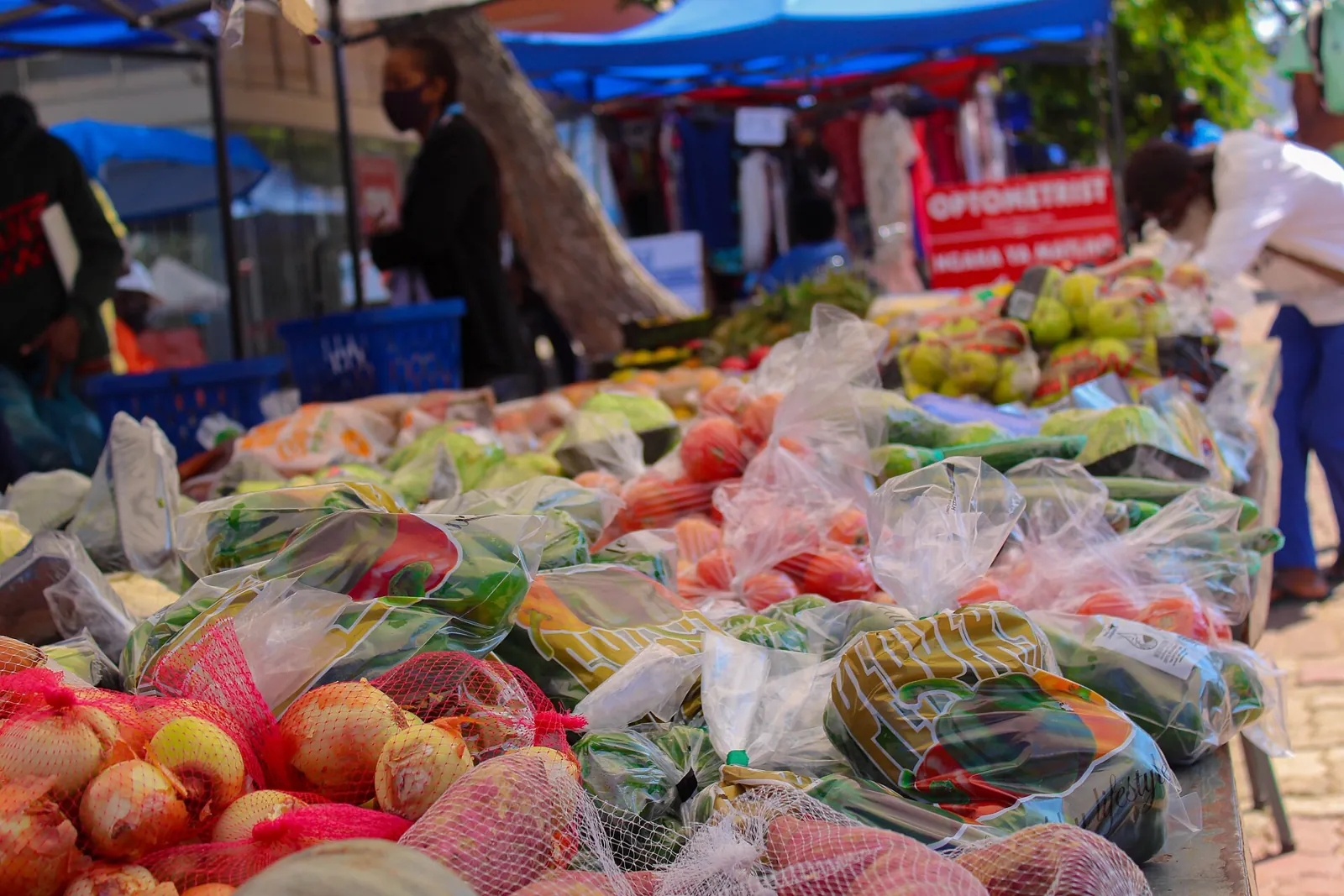
Snacks or a food treat to share
Why it works: Easy to share with a household and never extravagant.
Skip it if: it is perishable and you will be traveling for days in the heat.
A book
Why it works: A picture book about your home country or a book on a shared interest makes a personal gift.
Skip it if: you do not know the recipient’s interests; choose something shareable instead.
A souvenir from your home country
Why it works: Modest and personal, it gives your hosts a story and shows you thought ahead.
Skip it if: it is expensive; costly gifts can create discomfort.
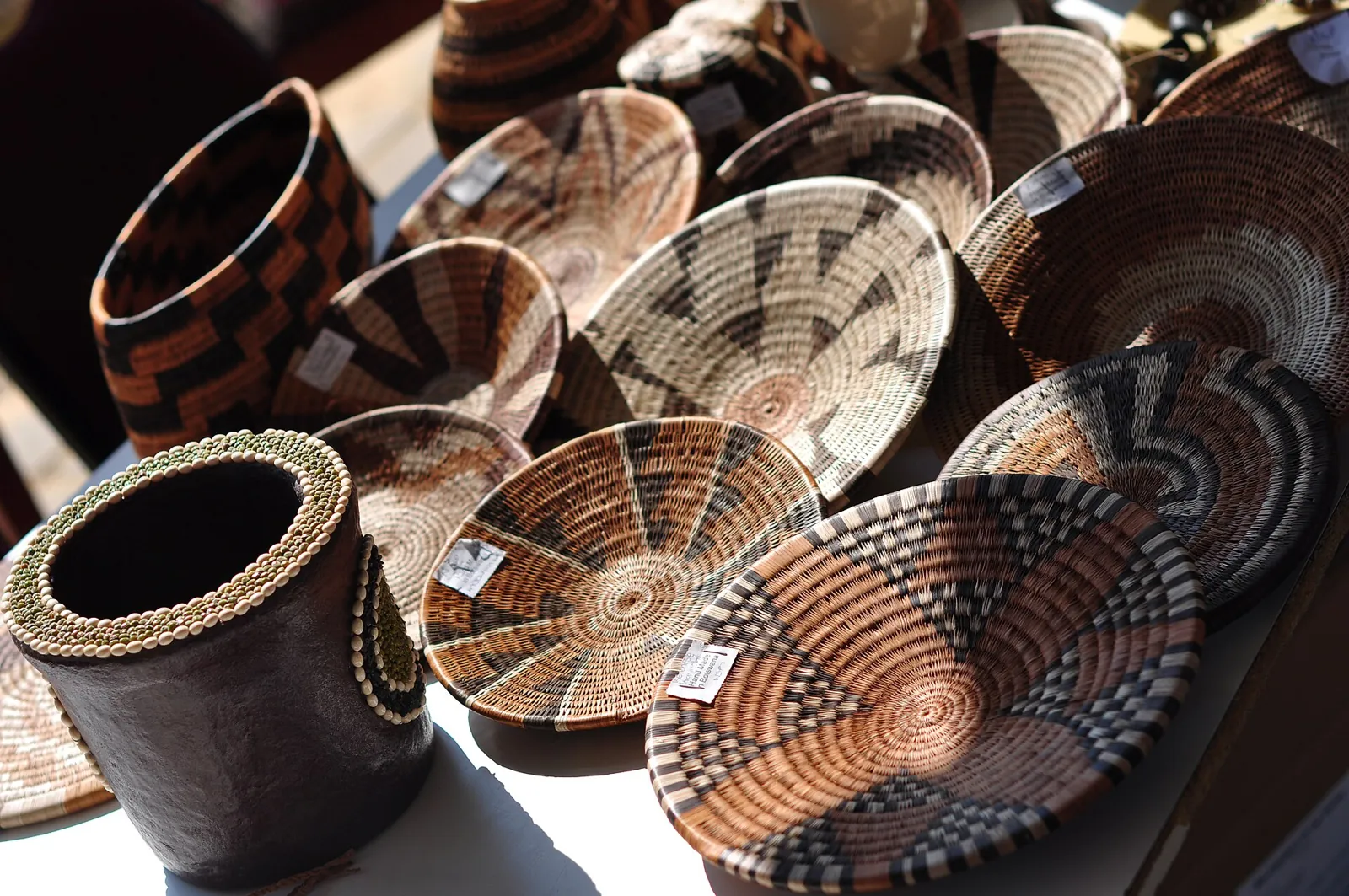
Botswana-made baskets (to take home)
Why it works: Women in Etsha and Gumare are known for baskets woven from mokola palm, a beautiful gift for people back home that supports local craft.
Skip it if: you need something tiny and light; smaller woven plates are an option.
For more ideas, see our eco-friendly gifts and food gifts guides.
What to avoid
- Using your left hand alone to give or receive. It is considered impolite.
- Expensive gifts. Small and sincere is the norm; extravagance can look inappropriate.
- Alcohol when you are unsure. Church is central for many families, and some do not drink.
- Anything that looks like a bribe, such as cash or costly items for officials or business contacts.
- Pointing with one finger at people or objects.
- Photographing people without asking, particularly in villages and at religious events.
How to give and receive
- Greet first. Say "Dumela" before asking directions, ordering or starting a conversation. Add "rra" for a man or "mma" for a woman as a respectful "sir" or "madam." Greetings can be long, especially in rural areas.
- Show respect to elders by giving or shaking hands with two hands, or by lightly touching your right elbow with your left hand.
- Say thank you: "Ke a leboga."
- Meet the village head or a senior figure first if you are introduced to a community.
- Dress modestly away from lodges and in churches: covered shoulders and long trousers or skirts below the knee.
- Keep wrapping simple. Our gift wrapping guide has easy ideas.
Holidays and occasions
- Christmas and Easter: many Batswana attend church services. Christmas is a good time for a family gift or a host present; see our Christmas guides.
- President's Day (usually mid-July, often over two days).
- Botswana Day (September 30): Independence Day.
- New Year's Day and Labour Day (May 1).
Avoid pushing for business meetings on major public holidays unless they were arranged in advance.
Business gifting
Business in Botswana is formal and relationship-driven. Expect a firm handshake with eye contact and a "Dumela"; in traditional settings, people may use a two-handed handshake or touch the elbow. Men usually wear suits and women modest dresses or skirts and blouses. Punctuality is appreciated, though meetings may not always start on time. Use Mr. or Ms. with surnames until invited otherwise, and open with greetings and light conversation.
Gifts are not standard in negotiations. A small token after a successful partnership is fine. Botswana has clear anti-corruption norms, so avoid cash and anything lavish, and follow both organizations' policies. Our business gifts guide covers the basics.
Frequently asked questions
Do I need to bring a gift to a home in Botswana?
No, but a small, sincere gift such as snacks, a book or a souvenir from home is appreciated.
How should I hand over a gift in Botswana?
With your right hand or both hands. For elders, you can touch your right elbow with your left hand as a sign of respect.
How do you say hello in Botswana?
"Dumela." Add "rra" for a man or "mma" for a woman to be extra polite.
Are business gifts common in Botswana?
Not in negotiations. A small token after a partnership is established is fine; avoid cash or costly gifts.
Compare customs in our South Africa guide or browse all country guides.
Sources
- World Travel Guide — Botswana history, language and culture. worldtravelguide.net
- World Travel Guide — Botswana business and communications. worldtravelguide.net
- Hello Travel — Botswana Cultural Guide: Etiquette, Customs, and Tips. travelwithhello.com
- Wikipedia — Culture of Botswana. en.wikipedia.org
Image credits. Top image: Botswana traditional baskets by USAFE AFAFRICA, CC BY 2.0, via Wikimedia Commons · In-article image: Vegetables in the market, Gaborone by Kolobetsoo, CC BY-SA 4.0, via Wikimedia Commons
Spotted something out of date or a gift that's no longer available? Tell our editors — we review every correction.