Get-well gifts for kids that make sick days go faster
Get-well gift ideas for a sick or recovering child, sorted by whether they are in the hospital, resting at home or living with a cast.
We independently research every pick. If you buy through our links we may earn a small commission, at no extra cost to you. Affiliate disclosure.
Quick answer
The best get-well gifts for kids fill long, quiet hours in bed: sticker and activity books, a puzzle, a simple building set, an audiobook, a soft plush or a cozy blanket from home. Most good options cost $10 to $40. For a child in the hospital, skip latex balloons and check the unit’s rules before sending flowers or food; for toddlers under 3, avoid anything with small parts.
- Typical budget $10 – $40
- Best bets Quiet activities, comfort items, one-handed play
- Hospital check No latex balloons; flower rules vary by unit
- Under 3 No small parts
A sick or recovering child has two problems a gift can solve: boredom and discomfort. Get-well gifts for kids should be things they can do lying down or with one hand, that do not make a mess in bed, and that a tired parent does not have to supervise. This guide sorts ideas by situation, including get-well gifts for kids with a broken arm and gifts for kids after surgery. If you would rather put together a box for the whole household, see our get-well care package ideas; for more ideas, browse our get-well gifts and gifts for kids collections.
Get-well gifts for kids in the hospital
Hospital rooms are small, and children’s hospitals often have extra rules. Cincinnati Children’s, for example, does not permit latex balloons and notes that some patients cannot have food gifts because of medical diets. Pick compact things that can be wiped down and taken home.
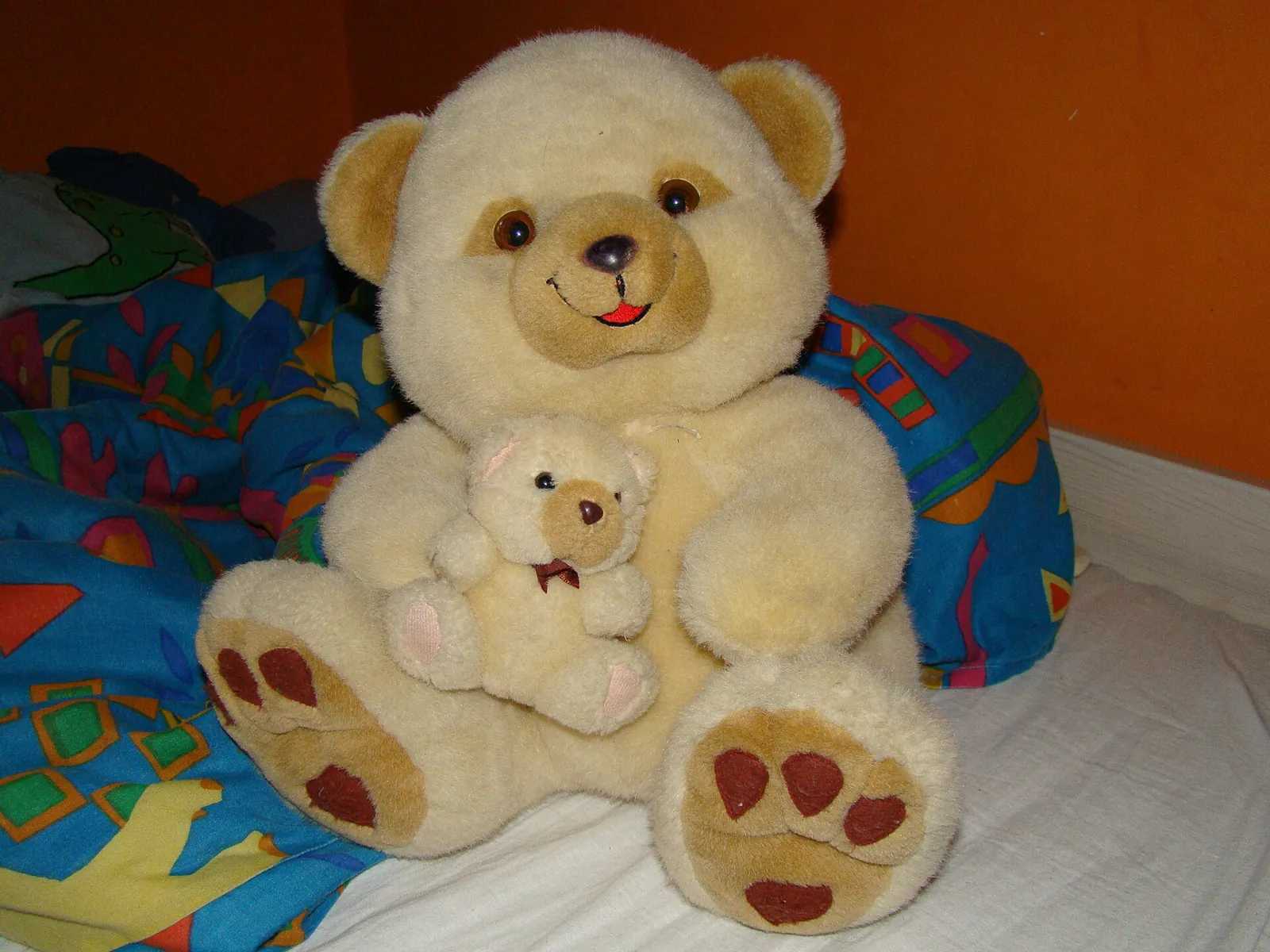
A soft plush animal
Why it works: A new stuffed animal is a familiar comfort in an unfamiliar room, and it can come along to scans and procedures. Choose one that is machine washable.
Skip it if: the child already has a favorite they will not part with; a small blanket or pillowcase in a favorite color is the alternative.
A boredom bag of activity and sticker books
Why it works: Sticker scenes, mazes, word searches and coloring pages match short attention spans and need only a lap tray. Add a pack of crayons or colored pencils, which are less messy in bed than markers.
Skip it if: the child is too unwell to sit up; an audiobook is easier.
Volume-limited headphones for kids
Why it works: Shared rooms are noisy, and headphones let a child watch shows or listen to stories without disturbing a roommate. Volume-limited models are designed for younger ears.
Skip it if: the hospital provides headphones or the child already has a pair; ask a parent first.
A foil (Mylar) balloon or a paper banner
Why it works: Something colorful brightens the room fast. Many hospitals that ban latex balloons still accept foil ones, but some units do not.
Skip it if: the child is in intensive care, oncology or a similar unit; NewYork-Presbyterian, for example, does not allow Mylar balloons or flowers in those areas. Call the unit first.
Quiet activities for recovering at home
At home the challenge is days of sofa rest. Choose activities that last more than one afternoon.
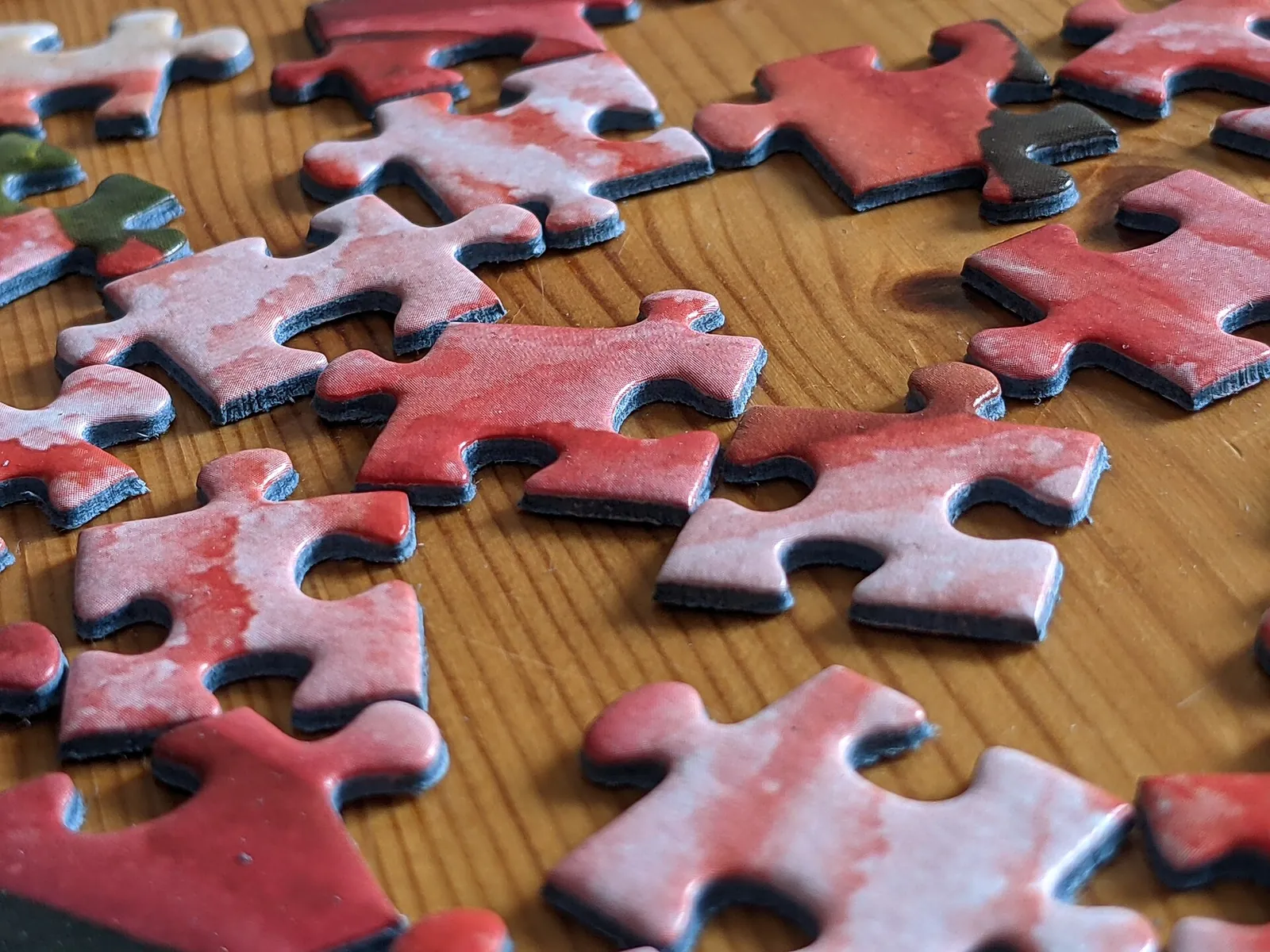
A jigsaw puzzle for their age
Why it works: A 100- to 300-piece puzzle can be done on a tray over several days and is easy to pause. Floor puzzles with large pieces suit younger children.
Skip it if: the child gets frustrated quickly; a sticker-by-number book gives the same satisfaction in smaller steps.
A simple building or brick set
Why it works: Building something from instructions is absorbing, and the finished model is a small win on a long day. Choose a set rated for the child’s age.
Skip it if: there is a toddler in the house; small bricks are a choking risk for under-3s.
A card game or travel board game
Why it works: Games give siblings and parents a way to keep the patient company. Pick ones with short rounds so they can stop when tired.
Skip it if: the child needs to rest alone; a solo puzzle book is better.
An audiobook or story collection
Why it works: Listening needs no energy, no hands and no screen time debates, and a long series can fill several days. A gift card for an audiobook service lets the family choose.
Skip it if: the child is a confident reader who prefers print; a new book in a favorite series works too.
Get-well gifts for kids with a broken arm or after surgery
A cast or a sore incision limits what a child can do. These ideas are easy to use with one hand or without much movement. For a stay that involves an operation, our guide to get-well gifts after surgery has more recovery ideas for older patients.
A magnetic or pressure drawing board
Why it works: It works with one hand, needs no loose pens or paper, and erases instantly. It is ideal for a child whose writing hand is in a cast.
Skip it if: the child is old enough to find it babyish; a one-handed handheld game or an audiobook is a better fit.
Bright markers for signing the cast
Why it works: Letting friends and classmates sign the cast turns an annoying few weeks into something social. Include a small note with the markers so the child knows they are for that.
Skip it if: the cast has a cover or the child would rather keep it plain.
A waterproof cast cover
Why it works: Keeping a cast dry is essential, and the American Academy of Orthopaedic Surgeons suggests two layers of plastic or a waterproof shield for bathing. A child-size cover makes bath time much easier for parents.
Skip it if: the doctor has given the family specific instructions or supplies; ask a parent first.
Loose, soft pajamas
Why it works: Wide sleeves fit over a cast, and button-front or loose-waisted pajamas are easier to put on after surgery. Choose the next size up.
Skip it if: you are unsure about the size or the type of surgery; a soft blanket avoids the guesswork.
How to choose a get-well gift for a child
- Match the energy level. A child with the flu needs listening and looking, not building. A child recovering from a fracture may be bored and restless.
- Check the age rating. The U.S. Consumer Product Safety Commission bans small parts in toys intended for children under 3 because of choking risk. If there is a toddler in the house, keep small pieces away from them too.
- Avoid mess in bed. Slime, glitter, paint and clay are fun but hard on hospital and sofa bedding.
- Do not send things a child must not use. OrthoInfo advises never sticking objects inside a cast to scratch an itch, so skip back scratchers or rulers as joke gifts.
- Remember the family. A meal for the parents or a small gift for a sibling who is getting less attention is often the most appreciated gesture.
Add a short card; our get-well card messages include wording for children. For adults, see get-well gifts for women.
Frequently asked questions
What is a good get-well gift for a child in the hospital?
Something quiet and compact: a sticker or activity book, a plush animal, volume-limited headphones or an audiobook. Check the hospital’s rules before sending balloons, flowers or food.
Can I bring balloons to a children’s hospital?
Usually not latex ones. Many hospitals, including Cincinnati Children’s and NewYork-Presbyterian, do not permit latex balloons. Foil balloons are often allowed but may be banned in intensive care, oncology and similar units, so call ahead.
What do you get a kid with a broken arm?
One-handed activities such as a magnetic drawing board, audiobooks or card games, markers for friends to sign the cast, and a waterproof cast cover for bath time.
What should I avoid giving a sick toddler?
Anything with small parts. U.S. safety rules ban small parts in toys meant for children under 3 because they can cause choking. Choose large, washable toys and soft books instead.
Sources
- Cincinnati Children’s — Ordering from the gift shop. www.cincinnatichildrens.org
- NewYork-Presbyterian — Preparing for your stay and going home. www.nyp.org
- U.S. Consumer Product Safety Commission — Small parts for toys and children’s products. www.cpsc.gov
- OrthoInfo (American Academy of Orthopaedic Surgeons) — Care of casts and splints. www.orthoinfo.org
Image credits. Top image: Duży i mały by Darekm135, CC BY-SA 3.0, via Wikimedia Commons · In-article image: Red jigsaw puzzle pieces 2 by Profpcde, CC0 1.0, via Wikimedia Commons
Spotted something out of date or a gift that's no longer available? Tell our editors — we review every correction.