Spring gardening gifts to start the growing season
Gifts that help an experienced gardener kick off the season, from grow lights and heat mats for seed starting to pruners, kneelers and cold frames.
We independently research every pick. If you buy through our links we may earn a small commission, at no extra cost to you. Affiliate disclosure.
Quick answer
The best spring gardening gifts help a keen gardener start the season early and work comfortably: seed-starting trays, a grow light and a heat mat for indoor sowing, a soil blocker, sharp bypass pruners, a kneeler seat, a cold frame for hardening off seedlings and a garden planner to map the year. Expect $15 to $150 for most picks.
- Typical budget $15 – $150
- Who it suits People who already garden and start plants from seed
- Best timing Late winter, before indoor sowing starts
- Ask first Indoor space for seedlings? Their local last-frost date
Spring gardening gifts are most useful when they arrive a few weeks before the season, not in the middle of it. Experienced gardeners plan their sowing by counting back from their area's average last spring frost date; University of Maine Cooperative Extension notes that seedlings may need 4 to 12 weeks indoors, with the time usually printed on the seed packet. Frost dates vary widely by region, so if you are timing a gift, look up their local last-frost date rather than guessing.
These are gifts for gardeners in spring who already know their way around a seed tray. If your recipient is just getting started, our list of gifts for beginner gardeners focuses on basics and easy first projects.
Seed-starting gifts for an early start
Sturdy seed-starting trays with humidity domes
Why it works: Thick, reusable trays and cell inserts last for years, unlike flimsy disposable sets. Clear domes hold moisture while seeds germinate. Any clean container 2 to 3½ inches deep with drainage holes works, according to UMaine Extension, so quality trays are an upgrade, not a necessity.
Skip it if: they already reuse a stack of trays; a heat mat or light is the bigger step up.
An LED grow light or light stand
Why it works: Seedlings grown on a windowsill often stretch and become leggy. UMaine Extension calls supplemental lighting the best option without a greenhouse, recommends keeping lights 2 to 4 inches above the seedlings and running basic fluorescent lights about 16 hours a day. A shelf unit with adjustable lights is a generous gift.
Skip it if: they have a greenhouse or a heated sunroom with strong light.
A seedling heat mat (with or without a thermostat)
Why it works: Bottom heat speeds germination for warm-season crops such as peppers and tomatoes. UMaine Extension says inexpensive heat mats warm the growing medium to about 70°F and advises removing the tray once about half the seeds have sprouted. It also warns against substituting electric blankets or heating pads, so a mat made for the job is the safe choice.
Skip it if: they only sow cool-season crops like lettuce and peas.
A soil blocker
Why it works: A soil blocker presses damp seed mix into free-standing cubes, so there are no plastic cells to wash or throw away. Gardeners who start many seedlings often love the routine and the reduced plastic.
Skip it if: they are happy with trays; soil blocking needs a specific, moisture-holding mix and a little practice.
Tools for the first big garden jobs
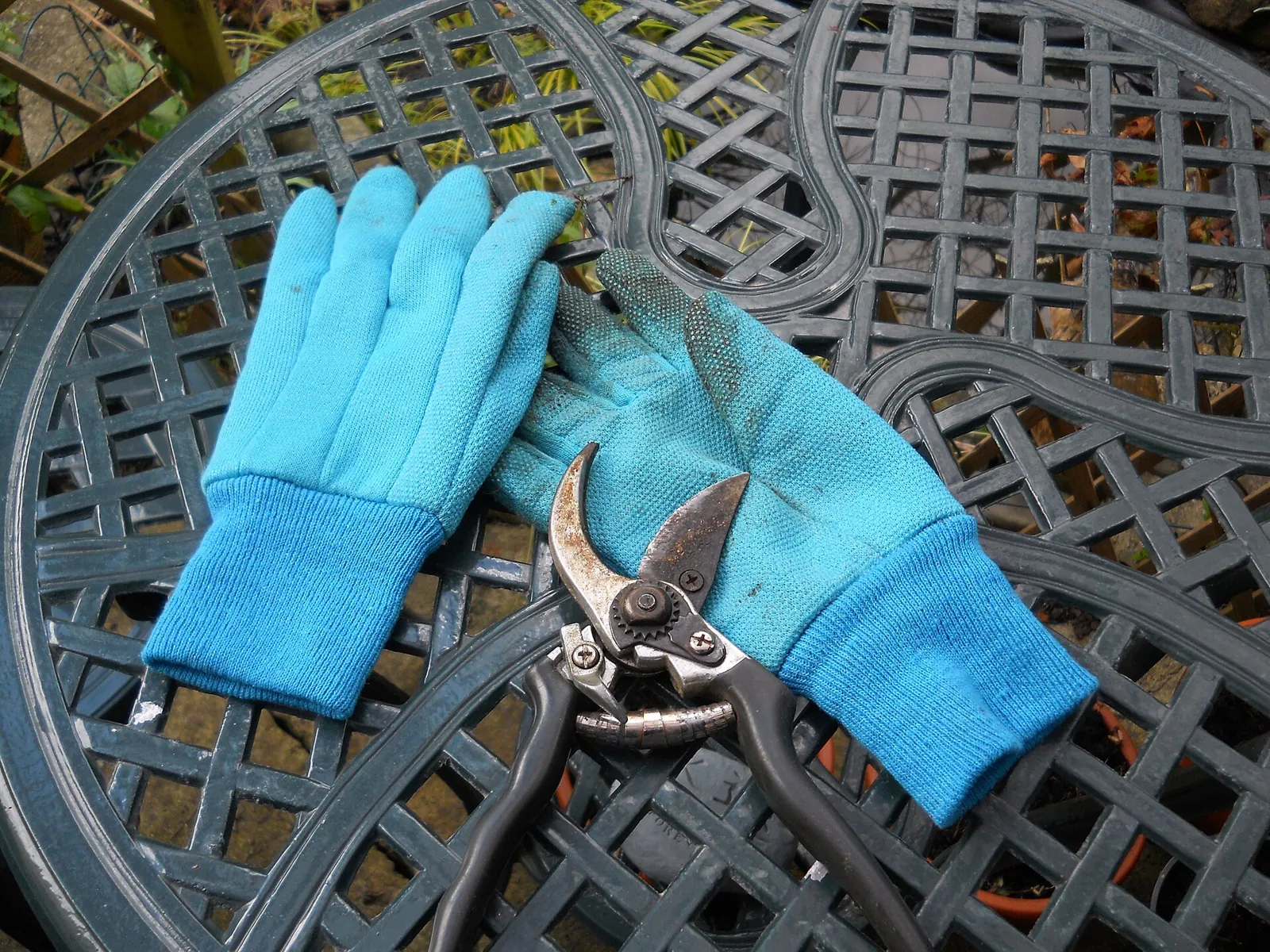
Quality bypass pruners with a holster
Why it works: Spring pruning and cutting back old growth start the season, and a sharp, replaceable-blade pruner is a tool a gardener uses for years. A belt holster keeps the blades closed and out of the way.
Skip it if: they already own a top-quality pair; a sharpening tool or replacement spring is the thoughtful add-on.
A hori-hori (garden knife)
Why it works: This sturdy blade digs, weeds, divides perennials and measures planting depth. Choose one sold with a sheath, and keep it out of children's reach like any sharp tool.
Skip it if: they mostly garden in small pots; a narrow transplanting trowel is enough.
A kneeler seat
Why it works: A padded kneeler that flips over into a low seat makes planting, weeding and edging much easier on knees and backs, and the side handles help people get up again.
Skip it if: they garden at standing height in raised beds or on a balcony table.
Sharp tools are safe gifts when they come with protection: a holster, a sheath or blade guards. If you wrap pruners or a garden knife, close the blades and lock them before they go in the box.
Planning, protecting and measuring
A cold frame
Why it works: A cold frame is a low box with a clear lid that shelters young plants outdoors. It is ideal for hardening off, which UMaine Extension describes as acclimating plants to outdoor conditions, starting with a few hours at a time in a protected spot. It also stretches the season for salad crops.
Skip it if: they have no sunny, sheltered spot or plan to move soon; a roll of frost cloth is the portable option.
A garden planner or journal
Why it works: A planner with space for sowing dates, bed layouts and notes on what worked turns one season into better seasons. Gardeners often keep years of them.
Skip it if: they already plan in a spreadsheet or app; a reference book on their favorite crop may suit better.
A rain gauge and soil thermometer
Why it works: A rain gauge shows whether the garden really needs watering, and a soil thermometer helps judge when the ground is warm enough to sow. Both are small, inexpensive and genuinely useful.
Skip it if: they already have a weather station that measures rainfall.
A nursery or seed-company gift card
Why it works: Experienced gardeners have strong opinions about varieties. A gift card lets them choose seeds, plants or a fruit tree for their own climate. Tuck it into a pair of gloves or a seed tin so there is something to unwrap.
Skip it if: you want a surprise; pick an heirloom seed collection from our seed gift ideas instead.
How to choose spring gardening gifts
- Find out how they grow. Indoor seed starters want lights and heat mats; people who buy transplants will get more use from tools and a kneeler.
- Do not assume frost dates. Frost timing differs between neighboring towns. For anything time-sensitive, let them check their own local last-frost date.
- Buy fewer, better tools. Serious gardeners notice quality: forged steel, replaceable parts and good grips.
- Think about storage. A cold frame or light shelf needs space; ask before you buy something large.
For more seasonal presents, see spring gift ideas, or browse the full gardeners section. Gardeners who also grow houseplants may enjoy something from our gifts for indoor plant lovers list.
Frequently asked questions
What do gardeners need in spring?
Seed-starting supplies (trays, a grow light, a heat mat), sharp pruners for early clean-up, a kneeler, and a way to harden off seedlings such as a cold frame.
When should I give a seed-starting gift?
Late winter is ideal. Gardeners count back from their local average last spring frost date, and many seedlings need 4 to 12 weeks indoors before planting out.
Is a grow light a good gift for a gardener?
Yes, if they start seeds indoors without a greenhouse. Seedlings on a windowsill often become leggy, and supplemental light keeps them compact.
Can I use a heating pad instead of a seedling heat mat?
No. UMaine Extension advises against heating devices not made for seed starting, such as electric blankets or heating pads.
Sources
- University of Maine Cooperative Extension — Bulletin #2751, Starting Seeds at Home. extension.umaine.edu
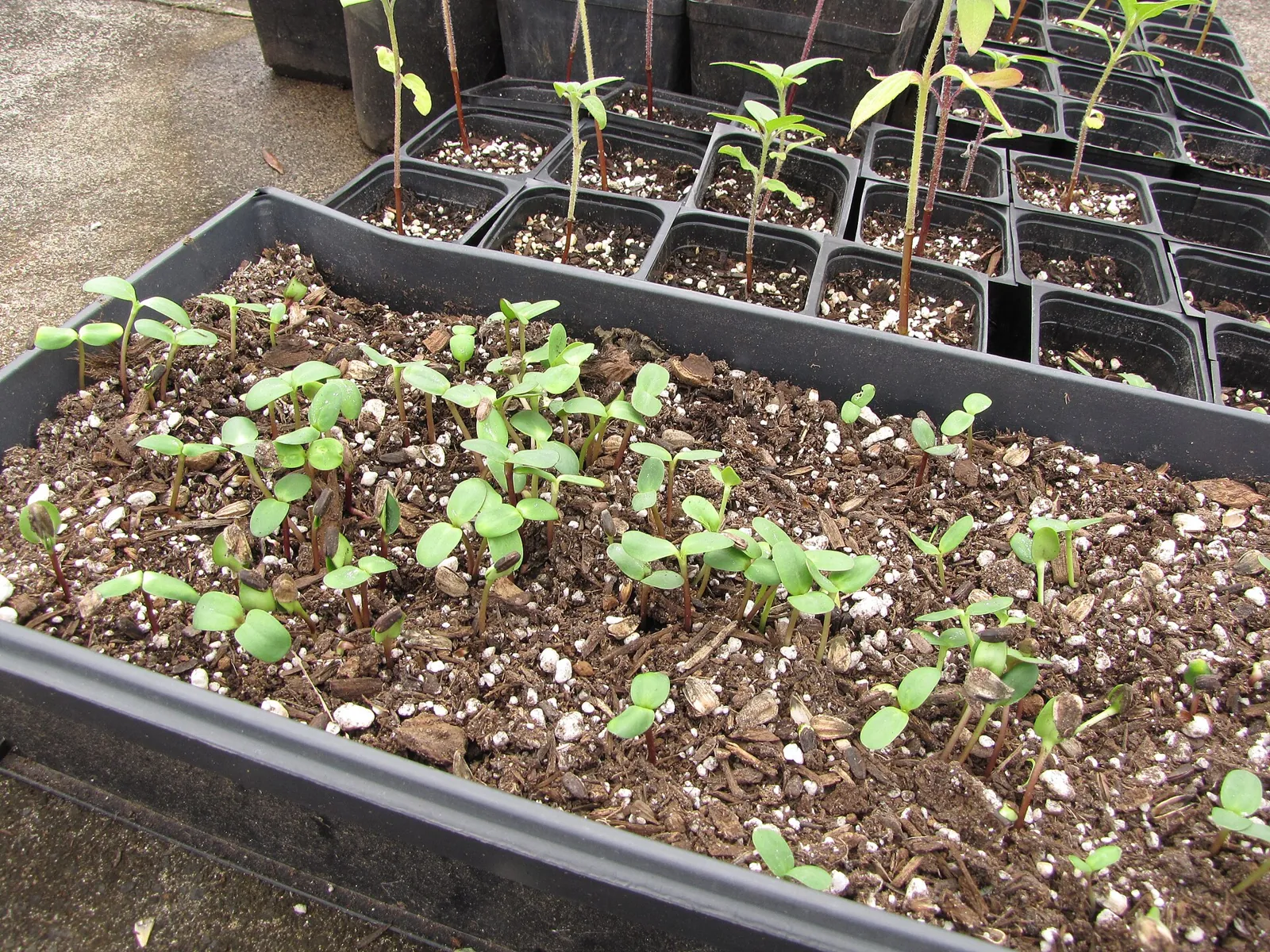
Image credits. Top image: Starr-130308-2035-Helianthus annuus-sprouts in seed tray-Hawea Pl Olinda-Maui (25113317081) by Forest and Kim Starr, CC BY 3.0, via Wikimedia Commons · In-article image: My trusty gardening gloves & secateurs which need a good clean by the look of them (8711272274) by shrinkin'violet from Bristol, UK, CC BY 2.0, via Wikimedia Commons
Spotted something out of date or a gift that's no longer available? Tell our editors — we review every correction.