Eco-friendly Christmas gifts that won't end up in the trash
Low-waste Christmas gift ideas chosen for real use, with a plain-English guide to the FSC, GOTS and Fairtrade labels and how to spot greenwashing.
We independently research every pick. If you buy through our links we may earn a small commission, at no extra cost to you. Affiliate disclosure.
Quick answer
The most eco-friendly Christmas gifts are things that get used up, used daily or replace something disposable: good coffee or chocolate with a Fairtrade Mark, beeswax food wraps, rechargeable batteries, a quality secondhand find or an experience. Choose by how the person actually lives, not by the green label on the box. A gift that is used for years beats a “sustainable” gadget that sits in a drawer.
- Budget $10 – $60 for most picks
- Labels worth knowing FSC (wood and paper), GOTS (organic textiles), Fairtrade (coffee, cocoa, cotton)
- Red flag A vague “eco-friendly” claim with no specifics
- Best rule Used up or used daily
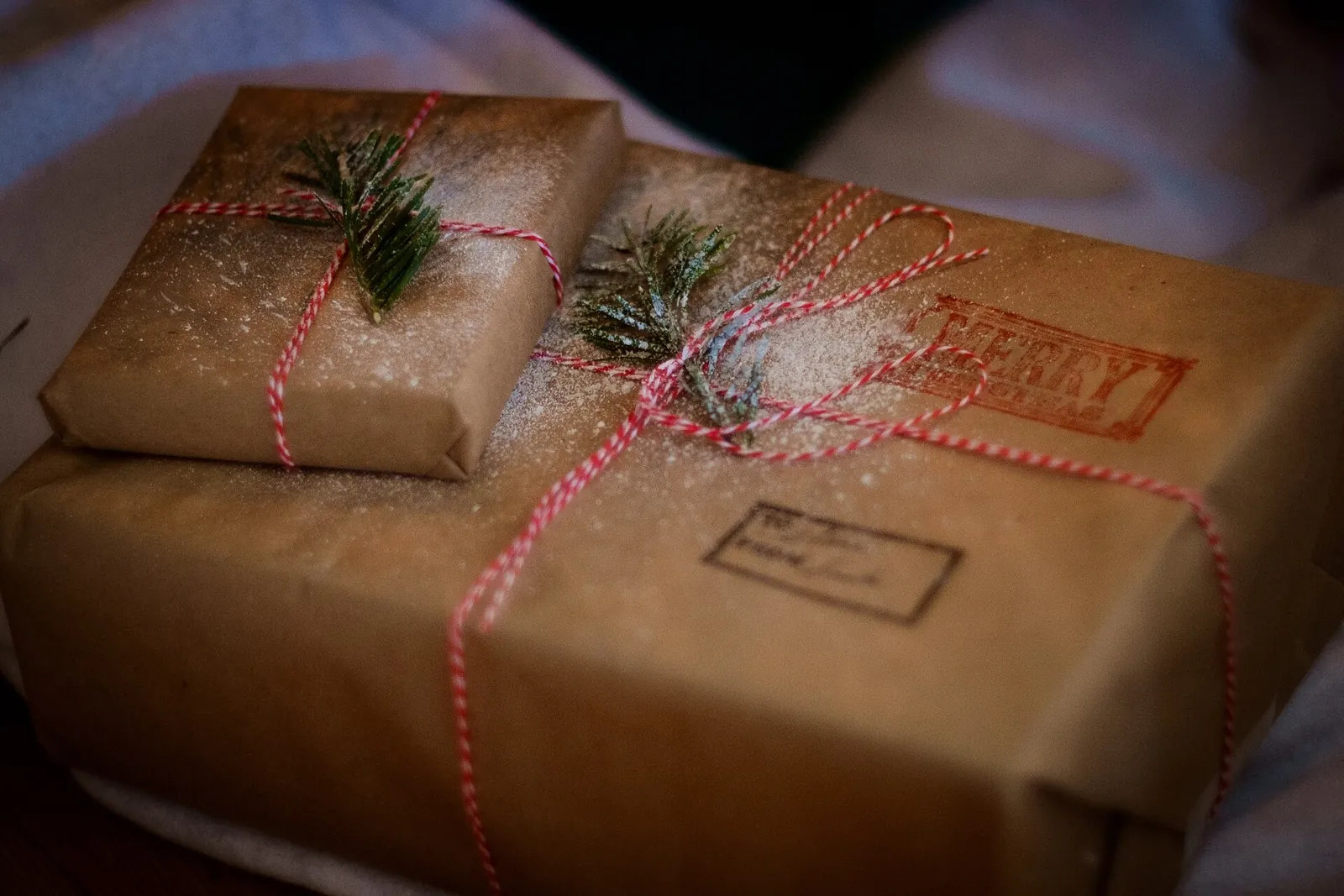
Eco-friendly Christmas gifts are less about buying a special category of product and more about avoiding waste: the novelty mug, the gadget used once, the plastic-wrapped set nobody asked for. These eco friendly Christmas present ideas work for most people on a list, including the ones who would never call themselves eco-conscious. Wrapping counts too; see our eco-friendly gift wrapping ideas to finish the job.
Gifts that replace something disposable
These only count as green if the person will use them instead of the throwaway version. Ask yourself honestly whether they will.
Beeswax food wraps
Why it works: Washable cotton wraps coated in beeswax cover bowls and wrap cheese, bread or half a lemon in place of plastic film, and they come in cheerful prints. Follow the maker’s care instructions so they last.
Skip it if: the person is vegan (beeswax is an animal product; plant-wax versions exist) or already uses containers for everything.
Rechargeable batteries and a charger
Why it works: Not glamorous, but for a household with remotes, game controllers and holiday lights, a set of rechargeables replaces many packs of single-use batteries. Give it alongside a gadget that needs them.
Skip it if: the household rarely uses AA or AAA batteries.
An insulated bottle or travel cup
Why it works: For someone who buys coffee or water on the go every day, one good insulated cup replaces a lot of disposable ones.
Skip it if: they already own several; a duplicate is the opposite of low-waste.
Cloth produce and bread bags
Why it works: A set of mesh and cotton bags is handy for the farmers market or bakery. Pair them with a loaf of good bread for a complete gift.
Skip it if: they shop mostly online or for delivery.
Eco-conscious Christmas gifts that get used up
Consumables leave nothing behind but packaging. They are some of the safest eco conscious Christmas gifts because they never become clutter.
Fairtrade coffee, tea or chocolate
Why it works: The Fairtrade Mark means a product meets Fairtrade’s social, economic and environmental standards and its supply chain is reviewed. On single-ingredient products like coffee, the standard mark means the product is kept separate from non-certified goods from farm to shelf; on chocolate bars, the mark with an arrow means all ingredients available as Fairtrade are Fairtrade-sourced and make up at least 20 percent of the product.
Skip it if: you do not know their taste; coffee is very personal, while good chocolate is an easier guess.
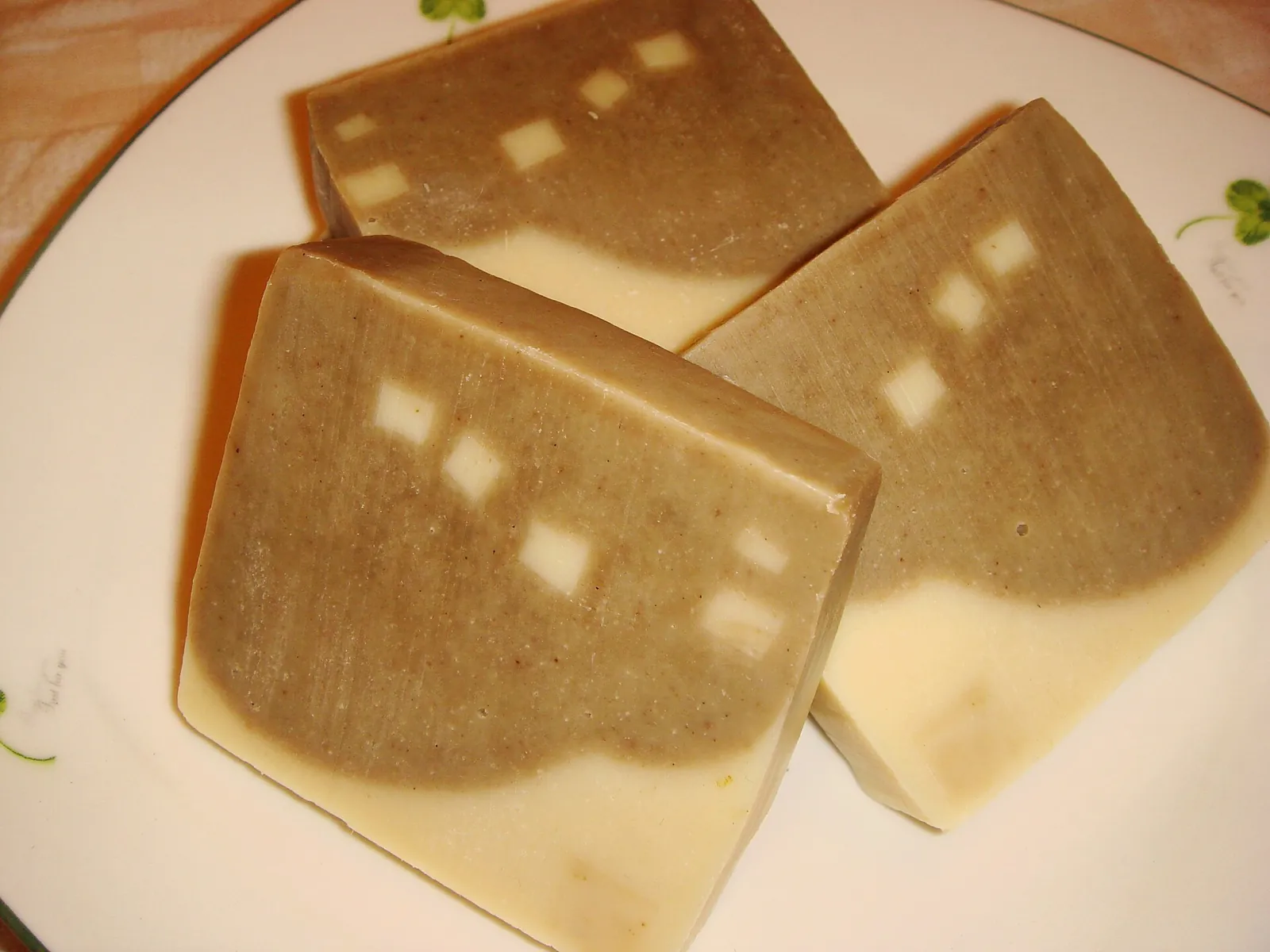
Solid soap, shampoo or lotion bars
Why it works: Bars wrapped in paper avoid plastic bottles and are pleasant to use. A trio of scents is among the easiest eco friendly Christmas gifts for her, or for anyone who likes a nice bathroom.
Skip it if: the person has sensitive skin or strong preferences; unscented is the safe choice.
A homemade food gift in a reusable jar
Why it works: Granola, spiced nuts, jam or cookie mix in a glass jar that can be reused afterward is personal and leaves little waste. Label every ingredient for anyone with allergies.
Skip it if: you cannot guarantee you will make it in time; a Fairtrade treat is a good backup.
Experiences and secondhand finds
A class, membership or outing
Why it works: A pottery class, museum membership, cooking workshop or concert tickets gives a memory rather than an object. Our experience gift ideas cover more options at different budgets.
Skip it if: the person has very little free time; a consumable puts no demand on their calendar.
A quality secondhand or vintage find
Why it works: A first edition of a favorite book, a vintage wool sweater or a well-made cast-iron pan found secondhand keeps something useful in circulation. Our guide to secondhand gifts explains how to give them well.
Skip it if: the person or their family sees used gifts as a slight; know your audience.
A potted herb or houseplant
Why it works: A living plant grows for years. A pot of rosemary or a hardy houseplant suits most kitchens and windowsills.
Skip it if: they have cats or dogs that chew leaves; check the ASPCA plant list before choosing.
Certified materials worth paying for
When you do buy new textiles, wood or paper goods, a recognized certification tells you more than a leaf-shaped logo. Here is what three common labels actually mean.
FSC-certified wooden kitchen tools or a cutting board
Why it works: FSC 100% means all the material comes from FSC-certified, responsibly managed forests; FSC Recycled means it is made from 100 percent recycled material; FSC Mix combines certified forest material, recycled material and/or FSC-controlled wood.
Skip it if: they already have a full utensil jar; choose a consumable instead.
GOTS-certified organic cotton pajamas or tea towels
Why it works: The Global Organic Textile Standard (GOTS) labels products “organic” only when they contain at least 95 percent certified organic fibers, and “made with organic” at 70 to 94 percent. It also covers processing and includes social requirements for workers along the supply chain.
Skip it if: you are unsure of sizes; tea towels are size-free.
How to spot greenwashing
In the US, the Federal Trade Commission’s Green Guides say marketers should avoid unqualified general claims such as “eco-friendly,” because they are hard to interpret and rarely possible to substantiate. In practice:
- Look for a specific claim, such as “made with 80% recycled cotton,” not just “green” or “natural.”
- Look for a recognized certification you can check, such as FSC, GOTS or Fairtrade.
- Prefer durable, repairable products over “eco” versions of things that break quickly.
- Do not buy a bamboo or “biodegradable” item the person does not need; the greenest gift is one they will use.
- Do not wrap a low-waste gift in glitter paper and plastic ribbon; see our furoshiki cloth wrapping guide for an alternative.
More ideas live in our eco-friendly gifts collection, and the Christmas countdown shows how much time you have left to order.
Frequently asked questions
What is the most eco-friendly Christmas gift?
Something the person will use up or use daily for years: a consumable such as Fairtrade coffee or chocolate, an experience, or a quality secondhand item. Avoiding unwanted gifts matters more than any label.
What does the Fairtrade Mark on chocolate mean?
On multi-ingredient products like chocolate bars, the Fairtrade Mark with an arrow means every ingredient available as Fairtrade, such as cocoa and sugar, is Fairtrade-sourced and Fairtrade content is at least 20 percent.
Is “made with organic cotton” the same as GOTS organic?
Not necessarily. GOTS uses “organic” for products with at least 95 percent certified organic fibers and “made with organic” for 70 to 94 percent. An uncertified “organic” claim has no such threshold.
Are eco-friendly gifts more expensive?
Not always. Homemade food in a reused jar, a secondhand book or a potted herb can cost less than a conventional gift. Certified textiles and wood often cost more.
Sources
- Forest Stewardship Council — FSC labels. fsc.org
- Global Organic Textile Standard — Labelling. global-standards.org
- Fairtrade International (US site) — Your guide to Fairtrade labeling. www.fairtrade.net
- Legal Information Institute, Cornell Law School — 16 CFR § 260.4 General environmental benefit claims (FTC Green Guides). www.law.cornell.edu
Image credits. Top image: Holiday Paper Gift Wrapping (Unsplash) by Nathan Lemon processrepeat, CC0 1.0, via Wikimedia Commons · In-article image: Handmade Soap 1 by Chia Wei Ku, CC BY-SA 4.0, via Wikimedia Commons
Spotted something out of date or a gift that's no longer available? Tell our editors — we review every correction.