Cash and gift card etiquette
Money and gift cards are welcome gifts when they are given thoughtfully. Here is how to present them, the gift card rules to know and how to avoid scams.
Quick answer
Cash and gift cards are perfectly polite gifts in most situations, and many people prefer them. Make them personal with a handwritten card, choose a card the person will actually use, and give it in a way that feels like a gift rather than a transaction. Check a gift card's fees and terms before you buy, inspect the packaging for tampering, and include the receipt. Recipients should thank the giver just as warmly as for any other present, without naming the amount.
- Federal gift card rule Funds generally can't expire in under 5 years
- Fees No inactivity fees in the first 12 months under federal rules
- Always include A personal note and the receipt or terms
- Thank-you note Mention how you'll use it, not the amount
Is giving money impersonal?
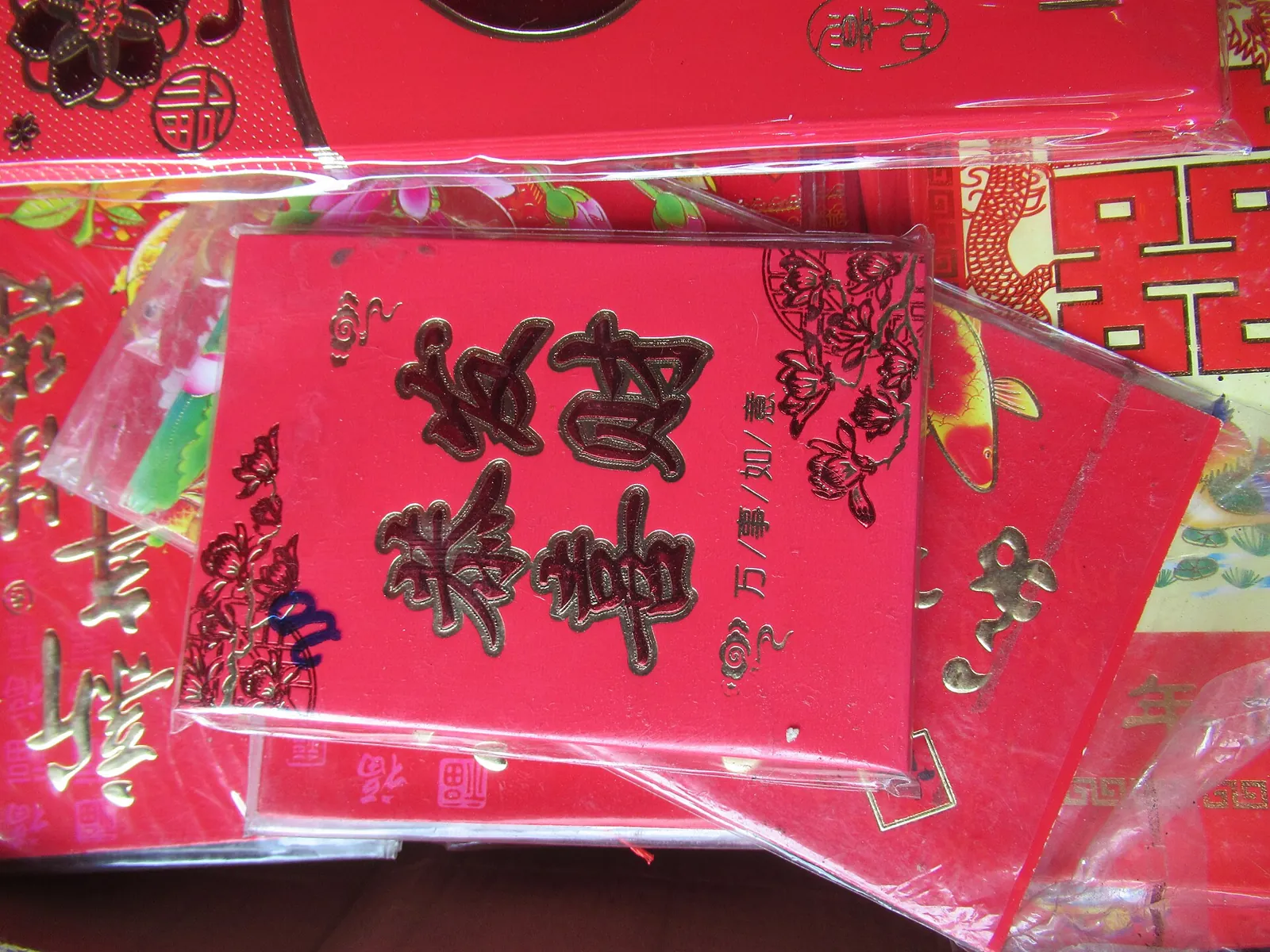
It used to be seen that way in some circles, but attitudes have changed. Money is a traditional gift at many weddings and graduations, and in many cultures it is the expected gift for certain occasions, such as red envelopes at Lunar New Year. A gift card to a favorite shop or restaurant can feel just as considered as a wrapped object, because it shows you know what the person enjoys.
What makes money feel impersonal is the delivery, not the gift itself. A crisp bill in a plain envelope with no message feels like a payment. The same amount with a heartfelt card, or tucked into a small themed gift, feels generous. For ideas, see our creative ways to give money and creative ways to give a gift card.
When cash or a gift card is a good choice
- Weddings, especially for couples who already have a home or are saving for something specific.
- Graduations, new jobs and big moves, when the person is starting fresh.
- Teens and young adults, who often prefer choosing for themselves.
- Anyone far away, where shipping a physical gift is costly; a digital gift card arrives instantly.
- When the person has asked for it, or a registry includes a cash fund.
- Don't give cash to a superior at work; many workplace rules forbid it, and for US federal employees the small-gift exception for superiors covers only non-cash items.
- Don't give a card for a store the person never visits, or one that's hard to use where they live.
- Don't give a partly used gift card as a gift.
- Don't leave the price tag visible or write the amount on the outside of the envelope.
Gift card rules every giver should know
In the United States, federal rules protect gift card buyers and recipients. According to the Consumer Financial Protection Bureau, a gift card can't be sold that will expire in less than five years, and gift cards can't charge inactivity or service fees for the first 12 months. After that, some fees may be allowed, so read the fine print. Some states add further protections.
The CFPB also notes these practical points:
- Not every prepaid card is a gift card. General-use reloadable prepaid cards that aren't marketed as gift cards aren't covered by the gift card rules and may carry fees right away.
- Retailer health matters. If a store closes or goes bankrupt, its cards may become hard or impossible to use.
- Include the terms and receipt. They help the recipient if the card is lost, stolen or doesn't work.
- Registration can help. Some issuers replace lost or stolen cards only if they were registered first.
Buying gift cards safely
Gift cards are also a favorite tool of scammers. The Federal Trade Commission advises buying only from stores you know and trust, avoiding online auction sites, and checking that the protective stickers are intact and the PIN isn't exposed before you buy. Keep a photo of the card and your receipt in case you need to report a problem.
The FTC is also clear that no real business or government agency will ever tell you to pay them with a gift card. If someone asks you to buy gift cards to pay a bill, fine or prize fee, it's a scam.
How much to give
Give what you'd spend on a physical gift for the same person and occasion. There's no extra "cash premium." For weddings specifically, our guide to how much to spend on a wedding gift compares commonly cited ranges.
Very large cash gifts can have tax consequences for the giver. The IRS lists an annual gift tax exclusion of $19,000 per recipient for 2026, and says the donor, not the recipient, is generally responsible for any gift tax. Most everyday gifts are far below that level, but if you're planning a large gift, check the IRS guidance or ask a tax professional.
Presenting money and gift cards
Tip: Write a line that connects the gift to the person: "For your first dinner out in the new apartment" or "Toward that road trip you keep talking about." It turns a number into a wish.
- Use a card or envelope designed for money or gift cards so nothing slips out.
- Write checks clearly to the right name; for couples, check how they'd like it written.
- Hand cash in person or send a check; don't mail loose cash.
- For gift cards, tuck the original carrier with the terms inside the card so the recipient has everything they need.
Receiving money graciously
Thank the giver as you would for any gift, ideally in writing. Refer to "your generous gift" rather than the amount, and say what you plan to use it for. Our thank-you note wording examples include lines for money and gift cards. Use gift cards reasonably soon, and keep them somewhere safe, treating them like cash.
Frequently asked questions
Is it tacky to give cash as a gift?
No. It's widely welcomed, especially for weddings and graduations. A thoughtful card and presentation keep it warm.
Is a gift card or cash better?
Cash is the most flexible. A gift card to a place the person loves can feel more personal. If unsure, cash or a widely accepted card is safest.
Should you mention the amount in a thank-you note?
No. Say "your generous gift" and explain how you'll use it.
Do gift cards expire?
Under US federal rules, gift card funds generally must be good for at least five years, and some states give more time. Promotional and reloadable prepaid cards can have different terms.
Sources
- Consumer Financial Protection Bureau — Giving or receiving gift cards? Know the terms and avoid surprises. consumerfinance.gov
- Federal Trade Commission — Avoiding and Reporting Gift Card Scams. consumer.ftc.gov
- Internal Revenue Service — Frequently asked questions on gift taxes. irs.gov
- Legal Information Institute, Cornell Law School — 5 CFR § 2635.304, Exceptions. law.cornell.edu
Image credits. Top image: Chinese new year in Binondo Santa Cruz Manila 06 by Zarate123, CC BY-SA 4.0, via Wikimedia Commons
Spotted something out of date or a gift that's no longer available? Tell our editors — we review every correction.