Birthstone jewelry gifts: what to choose for every month
Nine birthstone jewelry gift types, a month-by-month chart with approximate hardness, and how to match the stone to the setting.
We independently research every pick. If you buy through our links we may earn a small commission, at no extra cost to you. Affiliate disclosure.
Quick answer
Birthstone jewelry is a personal gift that does not require you to know someone's taste in detail: you only need their birth month. For everyday wear, simple studs or a small pendant are the safest choices. For softer stones such as pearl, opal and turquoise, pick earrings or a pendant rather than a ring, which takes more knocks. Lab-created stones are a good way to get a ruby, sapphire or emerald look on a smaller budget.
- Budget $25 – $500+
- Best bet Small studs or a pendant
- Check first Which month list they follow
Most months have more than one birthstone, and lists differ between countries and over time. The table below follows the current US list used by the American Gem Society and GIA. Older, traditional lists often give a single stone, for example bloodstone for March, pearl for June, sardonyx for August, opal for October, topaz for November and turquoise for December. For the full history and the differences between lists, see our birthstones by month guide.
Birthstones by month and how hard they are
Hardness on the Mohs scale tells you how well a stone resists scratching (10 is diamond). It is only one part of durability, since some stones also chip or crack, but it is a useful guide to whether a stone suits a ring worn every day. Values below are approximate and come from the International Gem Society's hardness chart.
| Month | Birthstones (current US list) | Approx. Mohs hardness |
|---|---|---|
| January | Garnet | 6.5 – 7.5 |
| February | Amethyst | 7 |
| March | Aquamarine, bloodstone | Aquamarine 7.5 – 8 |
| April | Diamond | 10 |
| May | Emerald | 7.5 – 8 |
| June | Pearl, moonstone, alexandrite | Pearl 2.5 – 4.5; alexandrite 8.5 |
| July | Ruby | 9 |
| August | Peridot, spinel (sardonyx on some lists) | Peridot 6.5 – 7; spinel 8 |
| September | Sapphire | 9 |
| October | Opal, tourmaline | Opal 5.5 – 6.5; tourmaline 7 – 7.5 |
| November | Topaz, citrine | Topaz 8; citrine 7 |
| December | Turquoise, tanzanite, zircon | Turquoise 5 – 6; tanzanite 6.5 – 7; zircon 6.5 – 7.5 |
Where the chart gives no figure (bloodstone, moonstone, sardonyx), ask the jeweler about care before you buy.
Everyday pieces she or he will actually wear
Birthstone stud earrings
Why it works: Studs are worn often, suit any age and sit out of harm's way, so even softer stones hold up well. Sterling silver with lab-created stones keeps costs low; natural stones in 14k gold sit at the top of the range and beyond.
Skip it if: their ears are not pierced. A pendant or bracelet is the obvious swap.
A small solitaire pendant on a fine chain
Why it works: A single stone on a short chain is the classic birthstone gift and works for pearl, opal and turquoise because it is rarely knocked.
Skip it if: they wear one necklace every day and never take it off. Add a small birthstone charm to their existing chain instead.
A thin birthstone stacking ring
Why it works: Slim bands with one small stone are easy to wear alongside other rings, and harder stones such as sapphire, ruby, spinel and topaz handle daily wear well.
Skip it if: you do not know their ring size, or the stone is pearl, opal or turquoise and they work with their hands. Choose earrings for those months.
A birthstone bead or charm bracelet
Why it works: Bracelets with small faceted stones or polished beads are casual and adjustable, so size is less of a worry. They suit teens and people who prefer relaxed jewelry.
Skip it if: they wear a watch on the same wrist all day and dislike clutter there.
Family and milestone pieces
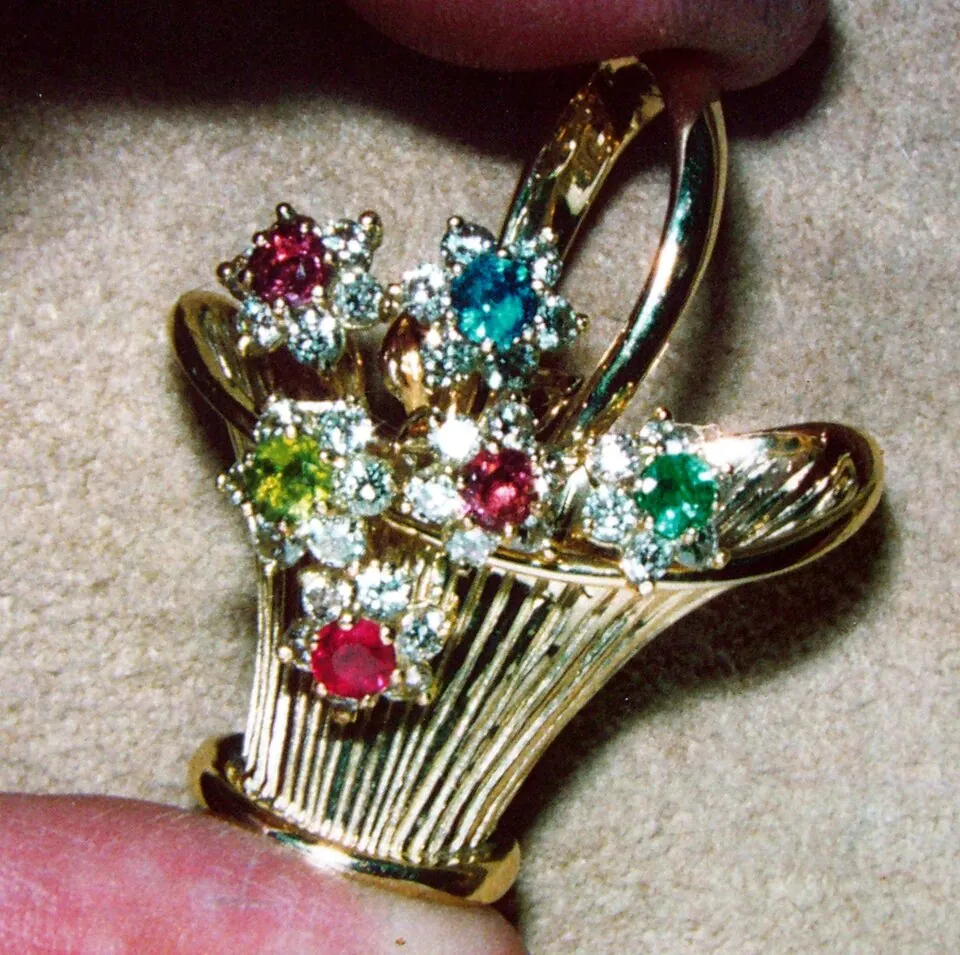
A family birthstone ring or necklace
Why it works: One stone for each child or grandchild makes a lasting gift for Mother's Day, a grandparent's birthday or a new baby. Many jewelers let you add a stone later as the family grows. For more Mother's Day ideas, see sentimental gifts for mom.
Skip it if: the family includes stepchildren or a lost pregnancy and you are unsure how to handle it. Ask a partner or sibling first, or choose a single stone.
A couple's pendant with both birthstones
Why it works: Two small stones side by side are a quiet way to mark an anniversary or engagement without the price of a larger stone.
Skip it if: the two colors clash badly (for example, peridot and ruby) and the wearer cares about color. A single stone with engraving on the back is an alternative.
A birthstone with initials or a name
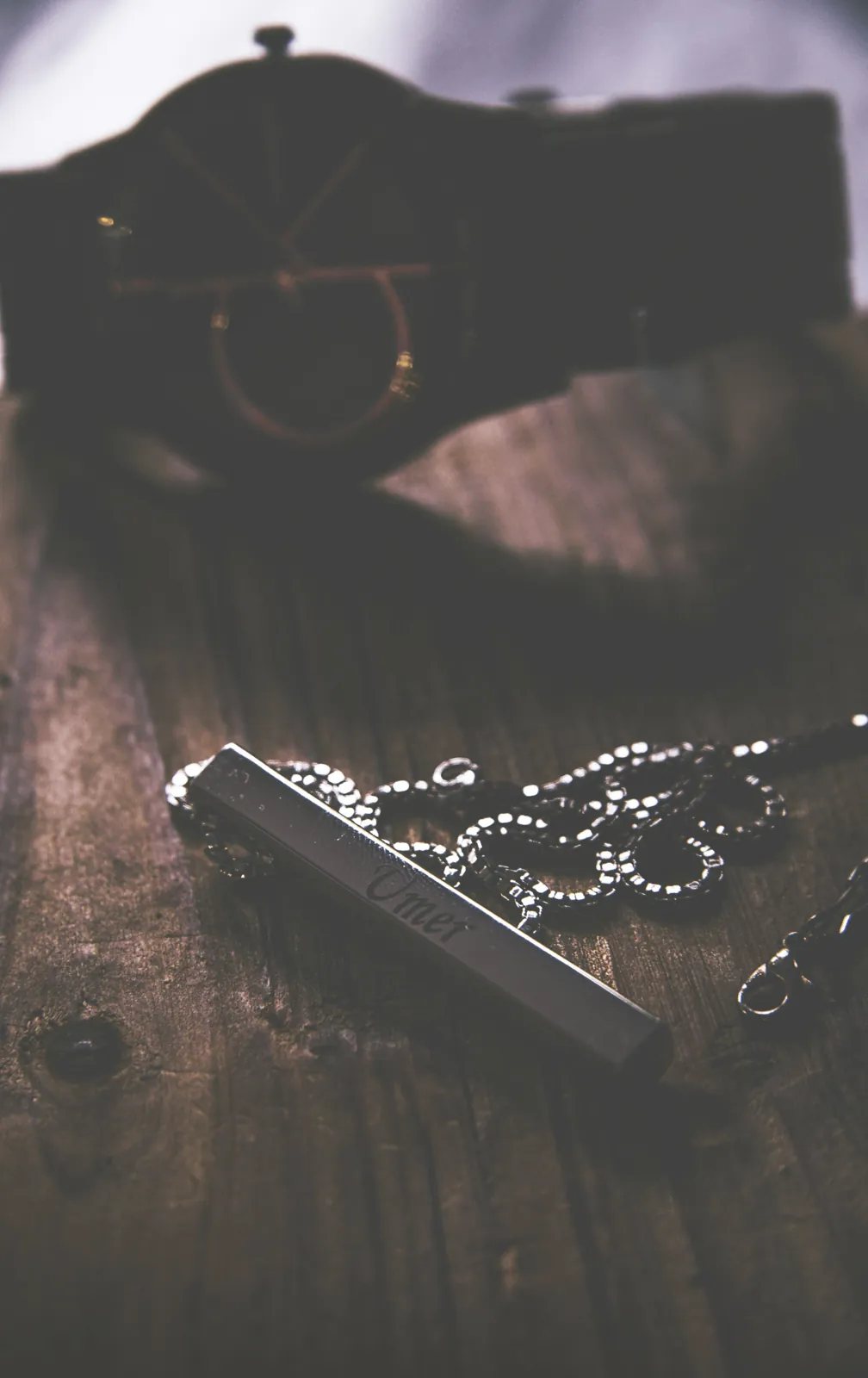
Why it works: Combining a stone with an engraved initial makes the piece unmistakably theirs. Our guide to name jewelry gifts covers styles and lead times.
Skip it if: you need it within a few days; engraving and custom setting add time.
Gifts for men and minimalists
A signet or band ring with a small set stone
Why it works: A flush-set stone in a plain band or signet sits low, so it is protected and looks understated. It suits people who rarely wear jewelry.
Skip it if: they wear no rings at all. Cufflinks or a tie bar with a small stone are better for formal dressers.
A bead bracelet or pendant cord
Why it works: Polished beads of garnet, amethyst, citrine or turquoise on a cord or stretch bracelet are casual and inexpensive, and often appeal to people who find faceted stones too formal.
Skip it if: the stone for their month is rarely made into beads; ask the seller what is available.
How to choose birthstone jewelry
- Match the setting to the stone. Softer stones (pearl, opal, turquoise) are best in earrings and pendants. Harder stones suit rings.
- Know what you are buying. Under FTC guidance, a lab-created stone must be labeled "laboratory-created" or "laboratory-grown," and an imitation must be labeled "imitation" or "simulated." Lab-created stones have essentially the same properties as mined ones; imitations only look similar.
- Ask about treatments. Sellers should disclose treatments that are not permanent or that need special care.
- Pick the metal they wear. Look at their existing jewelry: yellow gold, white metals or rose gold.
- Ask about care. Pearls and opals in particular need gentler cleaning than diamonds. Ask the jeweler for care instructions and include them with the gift.
Browse more ideas in our jewelry gifts collection.
Frequently asked questions
Why do some months have more than one birthstone?
Lists have been revised over time. In the US, jewelers standardized a list in 1912 and later added stones, such as tanzanite for December and spinel for August. That gives buyers choices of color and price.
Which birthstones are best for an everyday ring?
Harder stones such as diamond, ruby, sapphire, alexandrite, spinel and topaz rate 8 or higher on the Mohs scale and resist scratching well. Pearl, opal and turquoise are softer and better kept for earrings or pendants.
Is a lab-created birthstone a fake?
No. A lab-created stone has essentially the same physical, chemical and optical properties as a mined one; it simply was not mined. An imitation or simulated stone is a different material that only looks similar.
What if I do not know their birth month?
Choose a stone in their favorite color, or pick a meaningful date instead, such as an anniversary month. Make the reason clear in the card.
Sources
- American Gem Society — Birthstones. americangemsociety.org
- GIA — Birthstones. gia.edu
- International Gem Society — The Mohs Hardness Scale and Chart for Select Gems. gemsociety.org
- Federal Trade Commission — Advertising diamonds, gemstones, and pearls. ftc.gov
- Wikipedia — Birthstone (history of the 1912 US list and later additions). wikipedia.org
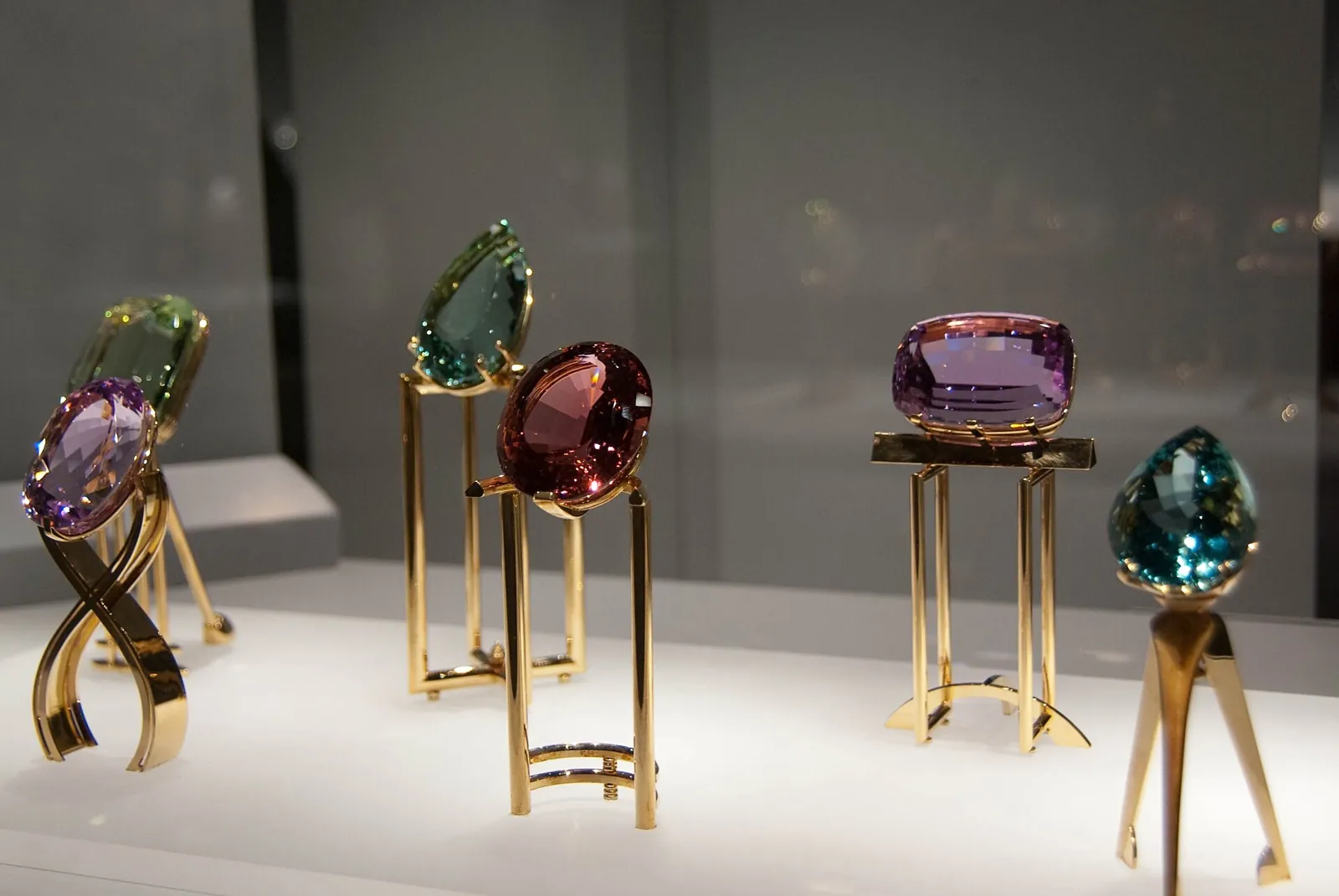
Image credits. Top image: Birthstones (3572825292) by Bryce Edwards from San Jose, CA, USA, CC BY 2.0, via Wikimedia Commons · In-article image: A Mother's basket- yellow gold, birthstones & diamonds by gemteck1, CC BY 2.0, via Wikimedia Commons
Spotted something out of date or a gift that's no longer available? Tell our editors — we review every correction.