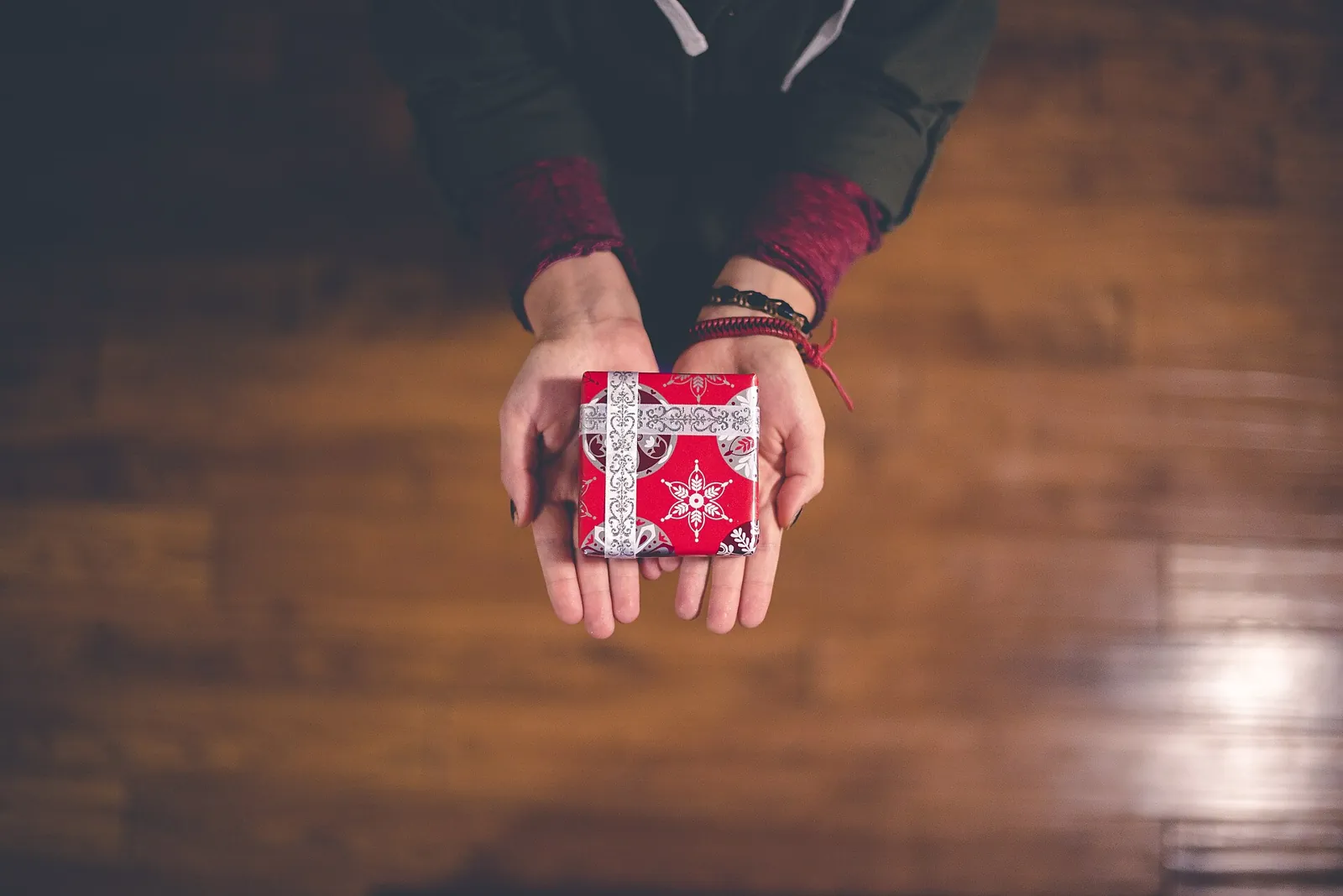
Why don't I like receiving gifts? Reasons and what to do
Feeling uneasy when someone hands you a present is common. Here is what research says about why, and how to tell people what you would actually like.
We independently research every pick. If you buy through our links we may earn a small commission, at no extra cost to you. Affiliate disclosure.

Quick answer
If you have ever asked yourself "why don't I like receiving gifts?", you are far from alone. Research points to a few common reasons: feeling you owe something back, disliking being watched while you open a present, and worrying about faking delight for something you do not want. The fix is rarely to refuse gifts outright; it is to tell people, kindly and in advance, what you would actually enjoy.
- Common causes Debt feeling, attention, loss of control, clutter
- Cost of the fixes Mostly free
- Best move Share a short wish list or a clear preference early
- When to get help If the dread spills into everyday social life
Why don't I like receiving gifts, when everyone else seems to love them? It is a question many people ask quietly, often around birthdays and the holidays. Disliking the moment of receiving does not make you ungrateful or cold. It usually means the social side of a gift, the debt, the audience and the pressure to react, weighs more on you than the object itself. This article looks at the receiving side only. If your stress is about choosing presents for others, our guide to gift-giving anxiety covers that side, and our why we give section explains the customs behind gift exchange.
Why do I hate receiving gifts? The most common reasons
A gift can feel like a debt
Most gift occasions carry an unspoken expectation that you will give back. Psychologists at Zhejiang University proposed a trait they call reciprocity anxiety: discomfort when receiving favors, help or gifts, combined with distress about being unable to repay them. In their studies, summarized by the British Psychological Society, about 18 percent of participants scored highly on the trait, and age and gender were unrelated to it. People who scored high were more likely to turn down a free voucher and felt more pressure to repay small favors. The researchers note the scale still needs testing against real behavior rather than imagined scenarios, but the feeling it describes is familiar to many people.
Givers underestimate how awkward it feels
A 2021 paper by marketing researcher Julian Givi in the Journal of Business Research found that gift givers "severely underestimate" how uncomfortable recipients feel when they receive a gift on a reciprocal occasion, such as the winter holidays, and have nothing to give back. Givers also saw less of an imbalance between the two sides than recipients did. In other words, if you feel uneasy when a coworker surprises you with a present you did not reciprocate, the research suggests your reaction is common, and the giver probably did not notice it.
You are on stage while you open it
Opening a gift in front of others means performing a reaction in real time. For people who dislike being the center of attention, that moment can be more stressful than the gift is enjoyable. The US National Institute of Mental Health describes social anxiety as fear of situations in which a person may be "scrutinized, evaluated, or judged by others", and a crowded room watching you unwrap something can feel exactly like that.
You lose control over what comes into your life
Some people simply know what they like. A surprise you would never have chosen brings a small set of chores: pretending to love it, finding space for it, deciding whether you can pass it on. That is one reason many people prefer a gift they asked for. In studies by Francesca Gino and Francis Flynn, published in 2011, recipients appreciated gifts they had requested more than unrequested ones and even rated them as more thoughtful, while givers expected no difference.
Why am I so bad at receiving gifts in the moment?
Often it is a mix of the reasons above: you feel indebted, you feel watched, and you are not sure the gift fits. Some people also grew up in families where gifts came with strings or comments attached. Whatever the cause, being bad at the moment of receiving is a skill gap, not a character flaw, and it gets easier with a plan.
Ways to tell people what you would prefer
Each of these is a script or a swap you can offer before an occasion. The prices show what it typically costs the giver.
A short, honest wish list
Why it works: Three to five specific items or categories (a favorite tea, a book series, a refill you always run out of) give people a safe target. The Gino and Flynn studies suggest recipients often value requested gifts more than surprises.
Skip it if: you would feel pressured to keep a list updated; a single standing answer ("good coffee is always welcome") does the same job.
A no-gift agreement with siblings or friends
Why it works: Suggesting "let's skip presents and have dinner instead" removes the debt feeling for everyone, and many people are relieved to be asked. Raise it well before the occasion, not on the day.
Skip it if: only one person in the group wants it; agree on a low cap instead so nobody feels shut out.
Ask for consumables
Why it works: Food, flowers, candles and bath products get used up, so there is nothing to store or display. A simple line like "treats beat things for me" points people in the right direction.
Skip it if: you have dietary limits that are hard to explain; a gift card to a store you already use is easier for givers.
Time together instead of an object
Why it works: A shared meal, a walk or a show turns the gift into an experience you both enjoy, which takes the spotlight off you. See our experience gift ideas for formats.
Skip it if: your schedule is already overloaded; a low-key coffee is better than a big outing.
A donation to a cause you choose
Why it works: Naming one charity you support lets generous friends give without adding to your shelves. It also feels less personal to receive, which helps if attention is the hard part.
Skip it if: you are uncomfortable sharing your causes; a gift to a local food bank is a neutral option.
How to receive a gift gracefully when you would rather not
Sometimes a present arrives anyway. A few habits make the moment easier:
- Thank the person for the thought, which is always true, rather than forcing praise for the object.
- Ask one question about it ("Where did you find this?"); it turns attention back to the giver.
- Ask if you can open it later when a crowd is watching; most givers will say yes.
- Follow up with a short note or message a few days later. Our thank-you note wording guide has examples.
- Do not refuse a gift on the spot; it usually hurts more than it helps.
- Do not rush out to buy a matching gift; a warm thank-you settles most debts.
- Do not explain why you dislike gifts in the moment. Save that conversation for a calm time before the next occasion.
What to get someone who doesn't like gifts
If you are on the other side, shopping for a partner, parent or friend who dislikes receiving gifts, these approaches respect that.
Something small and edible
Why it works: A box of good cookies, local honey or a favorite snack is easy to accept because it is modest and disappears. Give it casually, without an audience.
Skip it if: they have allergies or a strict diet you have not confirmed.
A handwritten letter
Why it works: Saying in writing what you appreciate about someone is a gift with no debt attached and nothing to store.
Skip it if: they find emotional attention hard; keep it short and give it privately.
An invitation rather than an object
Why it works: Offer to cook dinner, take them to a matinee or join them on a hike. The focus is on time together, not on a present they must react to.
Skip it if: they have said they want the occasion to pass quietly; respect that and send a kind message instead.
Exactly what they asked for
Why it works: If they ever named something, buy that, even if it feels boring. The research on requested gifts suggests they will value it more than a surprise.
Skip it if: they asked for nothing at all; in that case, honor it.
How to choose your approach
- If the debt feeling is the issue, push for no-gift agreements or low spending caps across a group.
- If the audience is the issue, ask to open gifts privately and suggest experiences.
- If clutter or control is the issue, share a short list and favor consumables.
- If the dread is intense, or you avoid many social situations because of it, NIMH suggests talking to a health care provider. This article is not a substitute for professional advice.
For more on why these customs exist, see our love languages and gifts explainer.
Frequently asked questions
Is it normal to not like receiving gifts?
Yes. Researchers have described a trait called reciprocity anxiety, and in the studies summarized by the British Psychological Society about 18 percent of participants scored highly on it. Many more people feel occasional discomfort.
Why do I feel guilty when someone gives me a gift?
Usually because you feel you owe them something in return. Research by Julian Givi found that givers greatly underestimate how uncomfortable recipients feel when they cannot reciprocate, so your reaction is common, and the giver rarely expects repayment.
How do I tell my family I don't want gifts?
Do it early, privately and with an alternative: "Instead of presents this year, could we have a long lunch together?" Offering a replacement makes it easier for people who enjoy giving to say yes.
What do you get someone who doesn't like gifts?
Something small and consumable, a handwritten letter, time together, or exactly what they once asked for. Give it quietly rather than in front of a group.
Sources
- British Psychological Society Research Digest — Does receiving favours and freebies make you uncomfortable? www.bps.org.uk
- IDEAS/RePEc — Givi, J. (2021). When a gift exchange isn't an exchange: Why gift givers underestimate how uncomfortable recipients feel receiving a gift without reciprocating. Journal of Business Research 129. ideas.repec.org
- British Psychological Society Research Digest — The psychology of gift giving (Gino and Flynn, 2011). www.bps.org.uk
- National Institute of Mental Health — Social anxiety disorder: More than just shyness. www.nimh.nih.gov
Image credits. Top image: Presents by Tricia63, CC BY-SA 4.0, via Wikimedia Commons
Spotted something out of date or a gift that's no longer available? Tell our editors — we review every correction.