Gifts for beginner gardeners: tools and kits that build confidence
Practical gifts for new gardeners, from sturdy hand tools and gloves to raised bed and seed-starting kits, with price ranges and tips on zones and pet safety.
We independently research every pick. If you buy through our links we may earn a small commission, at no extra cost to you. Affiliate disclosure.
Quick answer
Great gifts for beginner gardeners are simple, sturdy basics that build confidence: good gloves, a hand trowel and pruner set, a kneeling pad, a watering can or hose nozzle, raised bed or container kits, seed-starting supplies and a beginner-friendly gardening book. Find out whether they have a yard, a balcony or just a sunny windowsill before you buy.
- Typical budget $15 – $150
- Best bets Hand tools, gloves, container kits, seed starting
- Ask first Yard, balcony or windowsill? Any pets?
New gardeners rarely need a shed full of gadgets. They need a few tools that feel good in the hand, a project small enough to succeed at and a little guidance. The best gifts lower the barrier to that first harvest or first bloom. Space is the key question: someone with a balcony needs containers and a compact watering can, while a new homeowner with a yard can use a wheelbarrow and a raised bed.
Starter tools that last
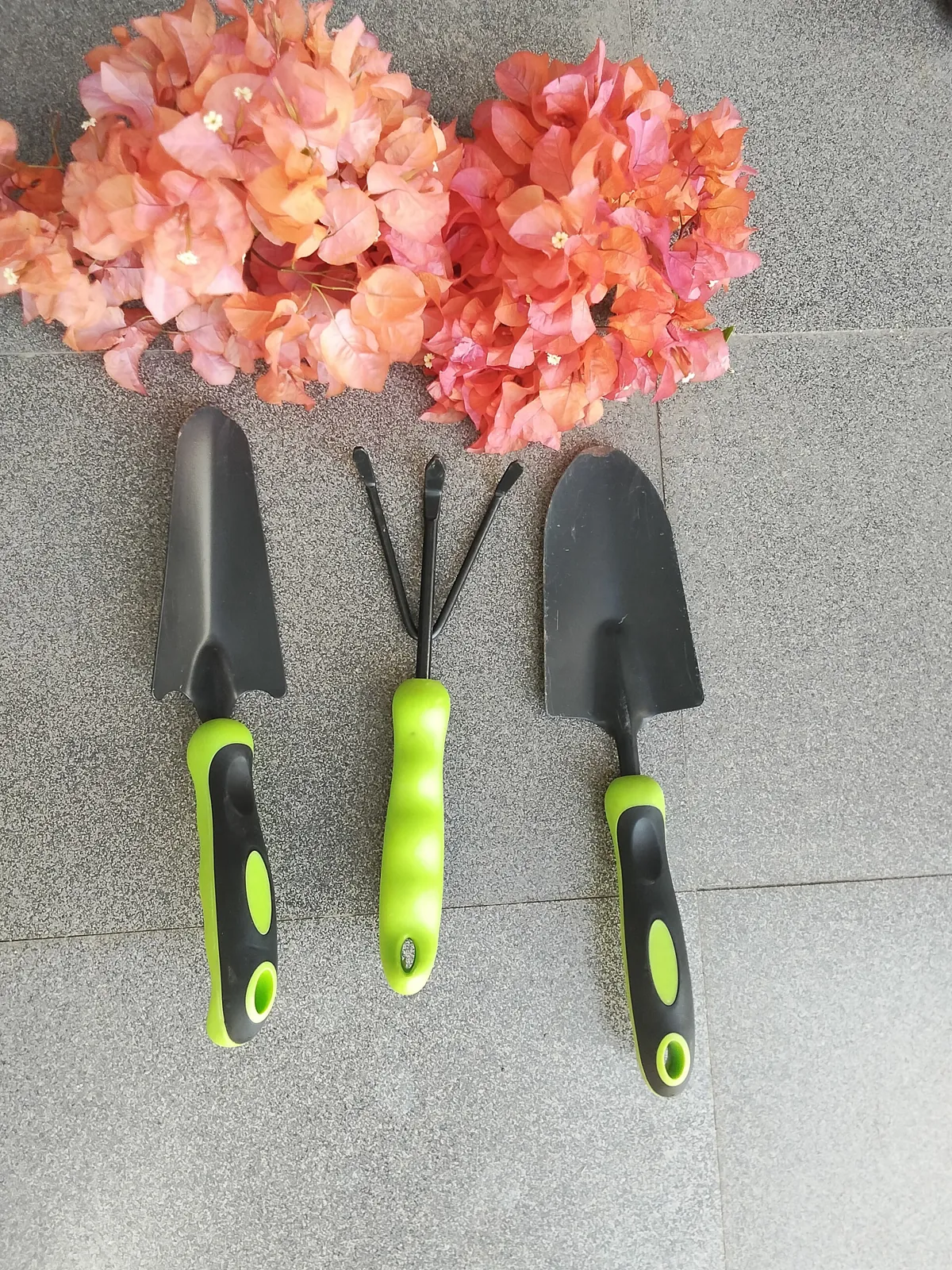
A hand tool set: trowel, transplanter and cultivator
Why it works: Three well-made hand tools cover most planting and weeding jobs. Look for one-piece or riveted heads and comfortable grips; stainless or forged steel lasts longer than thin stamped metal.
Skip it if: they already have hand-me-down tools; a single quality trowel is the upgrade.
A pair of bypass pruners
Why it works: Bypass pruners make clean cuts on live stems and are the tool beginners reach for most after a trowel. Pick a size that suits the gardener's hand.
Skip it if: they only grow in pots on a windowsill; small snips are enough.
Well-fitted gardening gloves
Why it works: Breathable gloves for weeding and thicker ones for roses and brambles protect hands and make gardening more pleasant. Ask their glove size or check a pair they wear.
Skip it if: you cannot get a size; a kneeling pad is a one-size gift.
A kneeling pad or kneeler seat
Why it works: A foam pad, or a flip-over kneeler that doubles as a seat, takes the strain off knees and backs. It is especially welcome for older beginners.
Skip it if: they garden only in raised beds at standing height.
Watering and growing setups
A watering can or hose nozzle
Why it works: A balanced watering can with a fine rose, or an adjustable hose nozzle with a gentle shower setting, waters seedlings without washing them out.
Skip it if: they already have an irrigation system; a soil moisture meter is a better pick.
A raised bed or container garden kit
Why it works: A raised bed kit, fabric grow bags or a self-watering planter gives a beginner a defined space with good soil, which is far easier to manage than digging up a lawn.
Skip it if: they rent and cannot leave a raised bed behind; fabric grow bags fold away.
A seed-starting kit
Why it works: Trays with a clear dome, seed-starting mix, plant labels and a few easy seed packets (herbs, lettuce, sunflowers) make early spring exciting. Add a small heat mat for colder homes.
Skip it if: they have no bright window or grow light; seedlings get leggy without strong light.
An herb garden kit
Why it works: Basil, parsley and chives in pots near the kitchen give quick, edible results. Rosemary is another easy choice and, according to the ASPCA, is non-toxic to dogs and cats.
Skip it if: they already grow herbs; choose a seed collection of something new.
Learning and planning
A beginner gardening book or garden journal
Why it works: A regional or beginner-focused guide answers the "why are my leaves yellow" questions, and a journal helps them track what they planted and when.
Skip it if: they prefer video tutorials; a workshop or class may suit better.
A local gardening class or garden center workshop
Why it works: Many botanical gardens, extension services and nurseries run beginner classes on soil, composting or pruning. It is a gift of skills and local advice. See more experience gifts.
Skip it if: their schedule is packed; a book can be read at their own pace.
A gift card to a local nursery
Why it works: It lets them choose plants suited to their own space and season, often with advice from staff included.
Skip it if: you want something to unwrap; pair the card with a pair of gloves.
How to choose a gift for a new gardener
- Know their zone. The USDA Plant Hardiness Zone Map (2023 edition) groups areas by average annual extreme minimum winter temperature in 10-degree Fahrenheit zones, and anyone can look theirs up by ZIP code. Perennials and trees should match their zone.
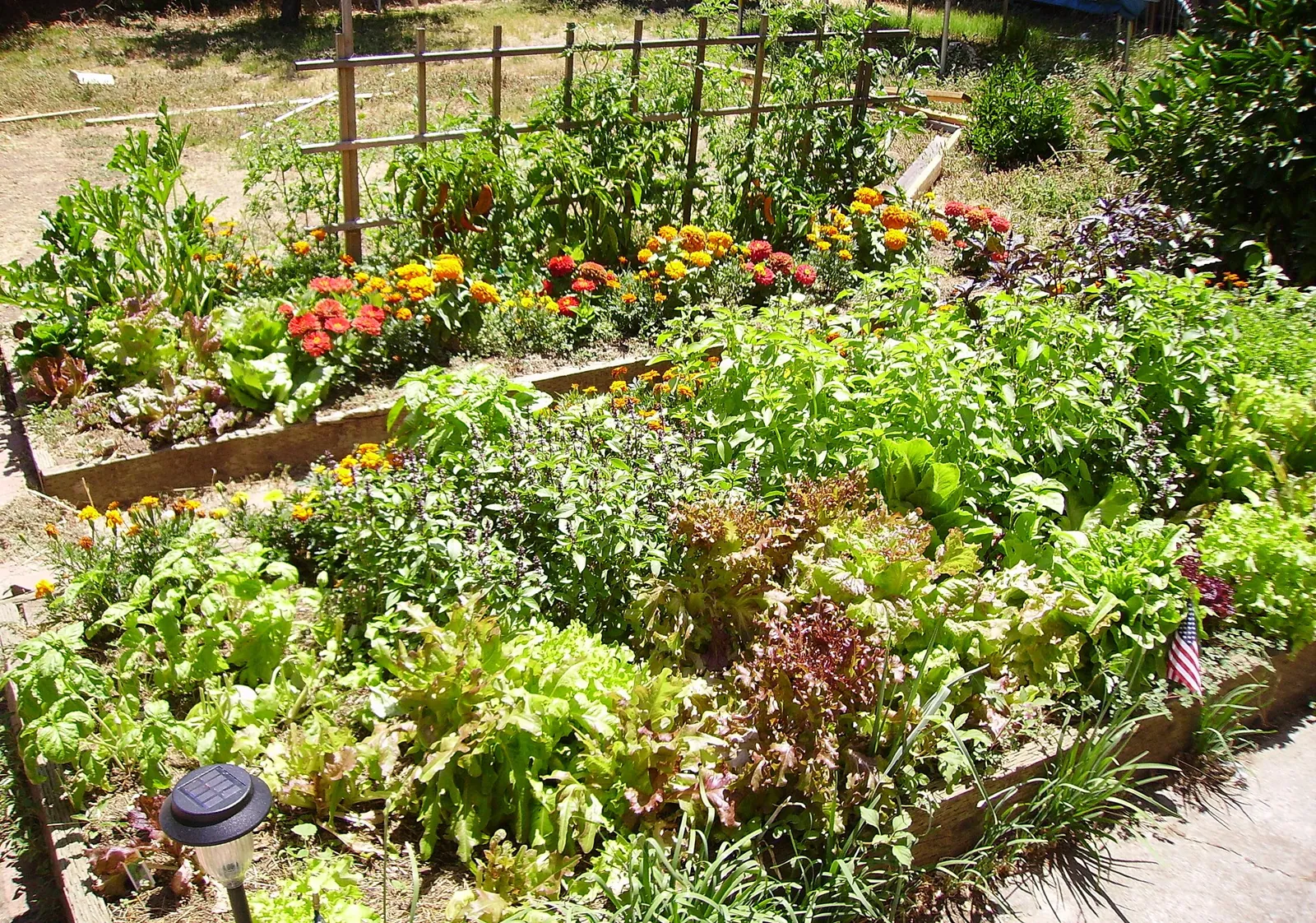
- Start small. A single raised bed or three containers is a better first season than an ambitious plot.
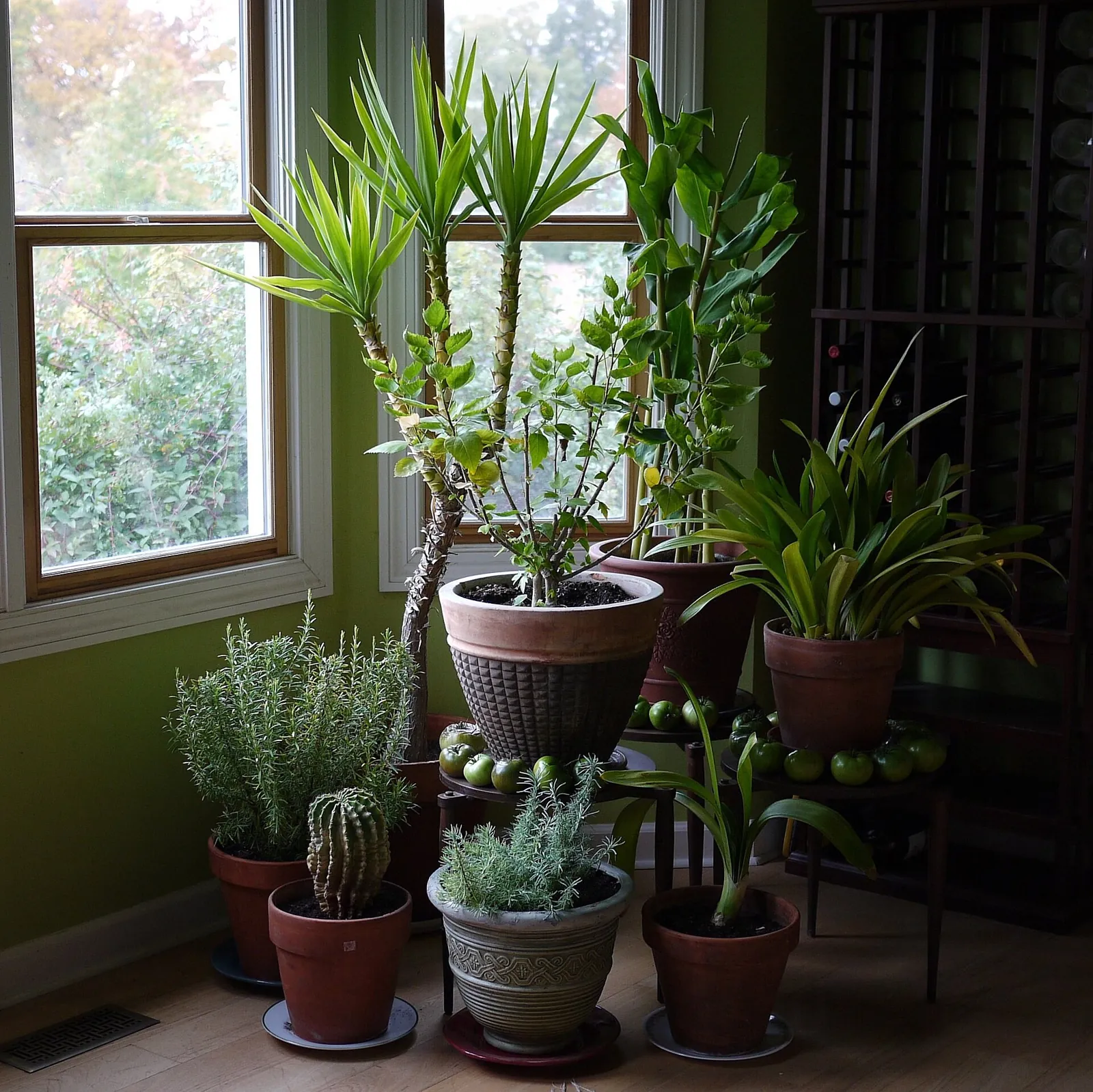
- Mind the pets. The ASPCA lists the sago palm as toxic to dogs and cats, with liver failure possible, and lists the tomato plant as toxic to dogs and cats (it notes the ripe fruit is non-toxic). Check new plants on the ASPCA database if dogs or cats share the garden.
- Quality over quantity. Three solid tools beat a ten-piece novelty set that bends on first use.
If their hobby starts indoors, see gifts for indoor plant lovers and potted plant gifts. The full gardeners section has more, and eco-friendly gifts include compost bins and seed swaps.
Frequently asked questions
What is the best gift for a beginner gardener?
A quality hand trowel and pruner set with good gloves covers most first-year jobs. Add a seed-starting kit or container kit for a first project.
What should be in a gardening gift basket?
Gloves, a trowel, seed packets suited to the season, plant labels, a small watering can and a garden journal.
Are seeds a good gift?
Yes, if they are easy and suited to the season and space. Herbs, lettuce, radishes and sunflowers are forgiving choices for beginners.
How do I find out someone's gardening zone?
In the US, enter their ZIP code on the USDA Plant Hardiness Zone Map website. It shows the zone used to judge which perennials will survive winter there.
Sources
- USDA Agricultural Research Service — USDA Plant Hardiness Zone Map. planthardiness.ars.usda.gov
- ASPCA — Sago Palm. aspca.org
- ASPCA — Tomato Plant. aspca.org
- ASPCA — Rosemary. aspca.org
Image credits. Top image: Raised bed by Srl, CC BY-SA 3.0, via Wikimedia Commons · In-article image: Gardening tools by Beendy234, CC BY-SA 4.0, via Wikimedia Commons
Spotted something out of date or a gift that's no longer available? Tell our editors — we review every correction.