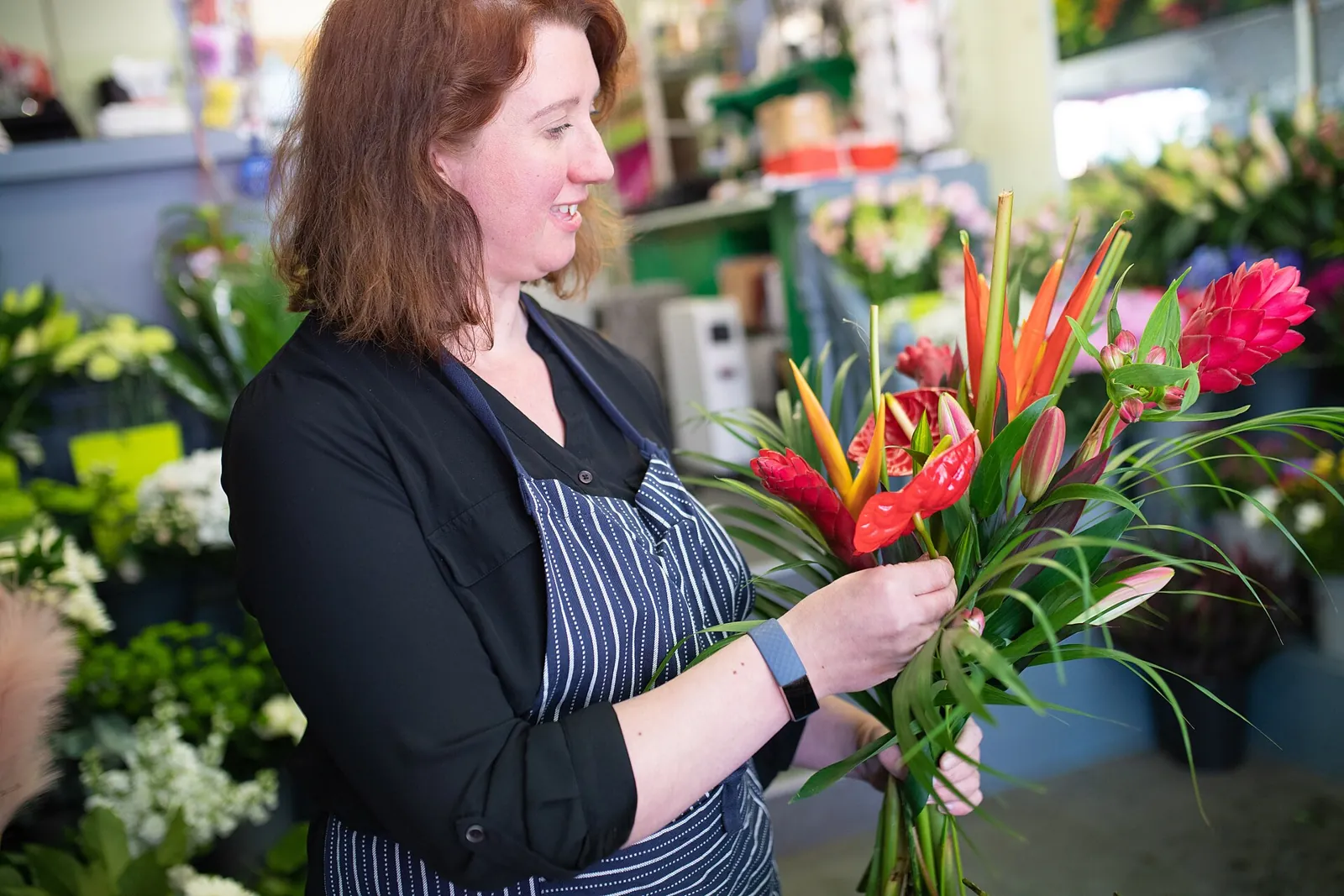
Potted plant gifts that suit their home (and their pets)
Ten potted plant gifts grouped by how easy they are and whether they are safe around cats and dogs, with a quick ASPCA toxicity table.
We independently research every pick. If you buy through our links we may earn a small commission, at no extra cost to you. Affiliate disclosure.

Quick answer
A potted plant outlasts any bouquet, but the right one depends on the recipient's light, schedule and pets. For beginners, a snake plant or pothos is very forgiving, though both are toxic to cats and dogs according to the ASPCA. For homes with pets, the ASPCA lists spider plants, Boston ferns, African violets and Christmas cactus as non-toxic. Always give the plant in a pot with a drainage hole and include a short care card.
- Budget $10 – $150
- Best bet An easy-care plant in a nice pot
- Check first Pets in the home and how much light they get
Plants make good gifts for housewarmings, thank-yous, coworkers and anyone who prefers something lasting over cut flowers. The catch is that a plant is a small responsibility. The best plant gift fits the recipient's life: a sunny windowsill or a dim office, a cat that chews everything or no pets at all, a keen gardener or someone who forgets to water. The ideas below are grouped with that in mind. For keen growers, also see our gifts for indoor plant lovers.
Easy plants for beginners and busy people
Snake plant
Why it works: Upright, architectural leaves suit modern homes, and it copes with lower light and irregular watering better than most houseplants.
Skip it if: they have cats or dogs that chew plants. The ASPCA lists snake plant (also called mother-in-law's tongue) as toxic to both, with nausea, vomiting and diarrhea as possible signs.
Pothos in a hanging or shelf pot
Why it works: Trailing vines grow quickly and visibly droop when thirsty, which helps new plant owners learn when to water.
Skip it if: pets can reach it. The ASPCA lists golden pothos as toxic to cats and dogs because of insoluble calcium oxalates, which can cause mouth irritation, drooling and vomiting.
Peace lily
Why it works: Glossy leaves and white blooms make it a popular sympathy and office plant, and it tolerates shade.
Skip it if: there are pets. Despite the name it is not a true lily, but the ASPCA still lists it as toxic to cats and dogs, with similar signs to pothos.
Pet-safe plant gifts
These plants appear as non-toxic to both cats and dogs on the ASPCA's plant pages. Even so, the ASPCA notes that eating any plant material can cause vomiting and stomach upset, so place them out of reach of persistent chewers.
Spider plant
Why it works: Arching striped leaves and baby plantlets that can be potted up and shared make it a cheerful, easy gift. It suits hanging baskets and shelves.
Skip it if: the cat treats every dangling leaf as a toy. Non-toxic does not mean chew-proof.
Boston fern
Why it works: A full, soft fern looks generous for the price and suits bathrooms and porches.
Skip it if: the home is very dry or the recipient forgets to water. Ferns drop leaves quickly when neglected.
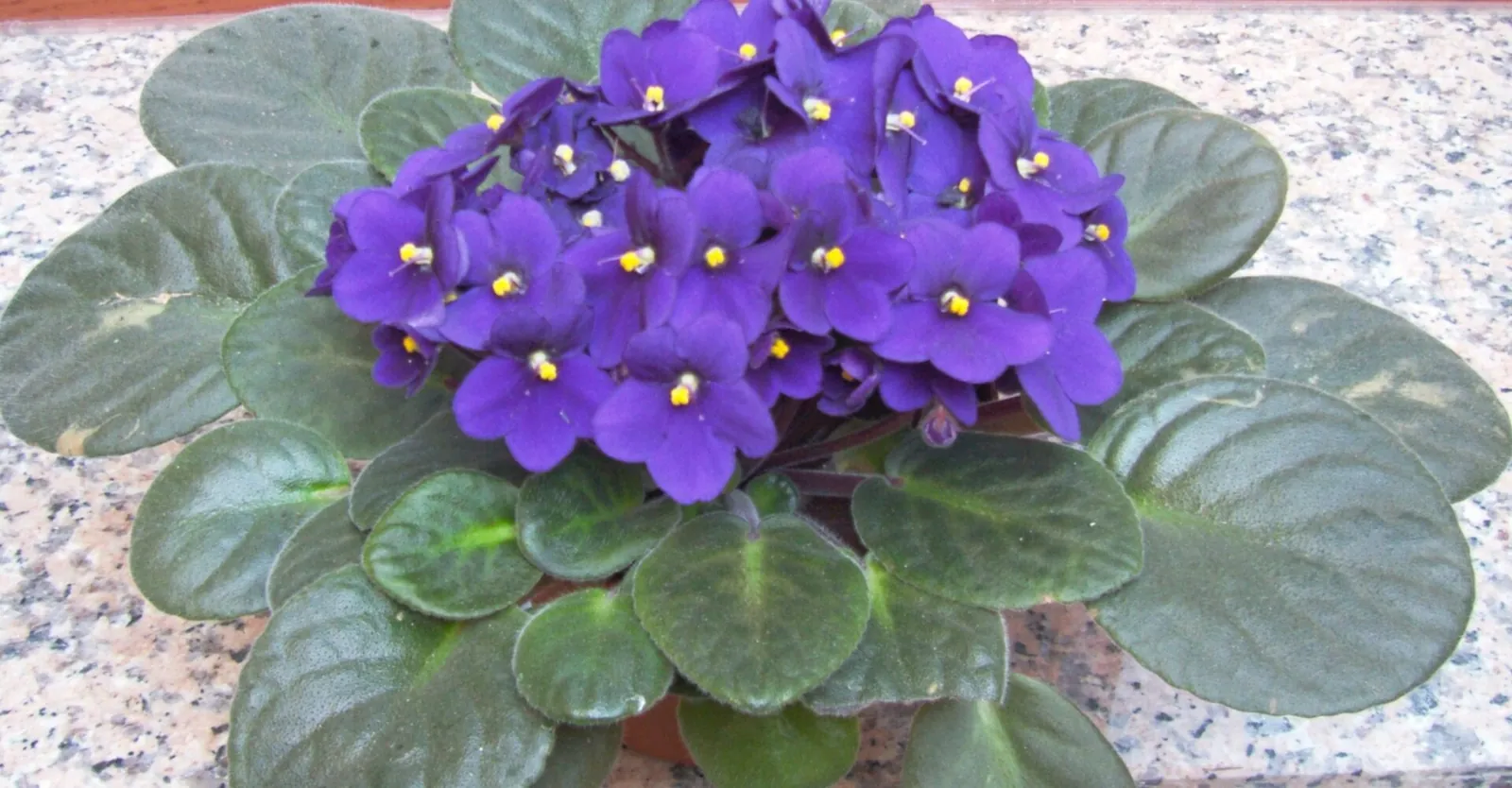
African violet
Why it works: Compact and flowering, it fits a windowsill or desk and makes an affordable thank-you or teacher gift.
Skip it if: they have only a dark corner. African violets need bright, indirect light to keep flowering.
Christmas cactus
Why it works: It flowers around the holidays and can live for many years, so it often becomes a plant passed down or shared as cuttings.
Skip it if: you want guaranteed blooms on a set date. Flowering depends on light and temperature.
Statement and specialty plants
Flowering orchid
Why it works: A moth orchid in bloom looks elegant for weeks and needs little space. It is a classic for hosts, bosses and anyone who has everything.
Skip it if: they expect it to rebloom easily. Many orchids need patience to flower again.
Jade plant or succulent bowl
Why it works: Succulents suit sunny windows and people who travel, since they need water only occasionally.
Skip it if: there are pets. The ASPCA lists jade plant as toxic to dogs and cats, and aloe as toxic as well, so check each plant in a mixed bowl.
Bonsai starter tree
Why it works: A bonsai is a hobby as much as a plant, and suits someone patient who likes a project.
Skip it if: they want low maintenance. Many bonsai species are outdoor trees that need regular watering, pruning and the right light.
Plants to avoid around cats and dogs
The ASPCA's plant database lists these common gift plants as toxic. It is not a complete list, so check any plant you are unsure of on the ASPCA site.
| Plant | ASPCA listing |
|---|---|
| Easter lily (true lily) | Toxic to cats; can cause kidney failure |
| Sago palm | Toxic to dogs and cats; can cause liver failure |
| Golden pothos | Toxic to dogs and cats |
| Peace lily | Toxic to dogs and cats |
| Snake plant | Toxic to dogs and cats |
| Jade plant | Toxic to dogs and cats |
| Aloe | Toxic to dogs and cats |
If a pet may have eaten a toxic plant, the ASPCA advises contacting a veterinarian or ASPCA Animal Poison Control at (888) 426-4435 as soon as possible; a consultation fee may apply. Pet owners may also like our gifts for cat lovers.
How to choose and give a plant
- Match the light. Ask, or notice, whether their home or desk gets sun. Shade-tolerant plants suit offices; succulents need a bright window.
- Check for pets. When in doubt, choose a plant the ASPCA lists as non-toxic.
- Use a pot with drainage. Decorative pots without a hole lead to soggy roots. A plain nursery pot inside a decorative cover is a simple fix.
- Add a care card. Write the plant's name, how much light it likes and a rough watering guide.
- Think about transport. In winter, wrap plants before carrying them outside, since many houseplants are damaged by cold.
Plants are an easy housewarming gift. Browse more ideas in our flowers and plants collection.
Frequently asked questions
What is the easiest plant to give as a gift?
Snake plants and pothos are among the most forgiving for beginners, but both are toxic to pets. For pet homes, a spider plant is a common easy-care choice that the ASPCA lists as non-toxic.
Are peace lilies toxic to cats?
Yes. The ASPCA lists peace lily as toxic to cats and dogs. It is not a true lily, though; true lilies such as the Easter lily are far more dangerous to cats and can cause kidney failure.
Is a plant a good sympathy gift?
Often, yes. A plant lasts longer than cut flowers and can become a living reminder. Peace lilies are traditional, but choose a pet-safe plant if the family has animals.
Should I give a plant in its plastic nursery pot?
That is fine and often healthier for the plant. Set the nursery pot inside a decorative cover so the recipient can repot later.
Sources
- ASPCA — Toxic and Non-Toxic Plants (pages for Easter lily, sago palm, golden pothos, peace lily, snake plant, jade plant, aloe, spider plant, Boston fern, African violet, Christmas cactus). aspca.org
- ASPCA — Golden Pothos. aspca.org
- ASPCA — Easter Lily. aspca.org
Image credits. Top image: Salem biss 20230625 by ButteBag, CC BY-SA 4.0, via Wikimedia Commons · In-article image: Saintpaulia ionantha by RobertoMM, CC BY-SA 3.0, via Wikimedia Commons
Spotted something out of date or a gift that's no longer available? Tell our editors — we review every correction.