Infused olive oil gifts: how to make them safely
Garlic or herbs in oil can cause botulism if made the usual way. Here is the research-tested acidifying method for shelf-stable bottles, plus two simpler safe ways to give it.
Quick answer
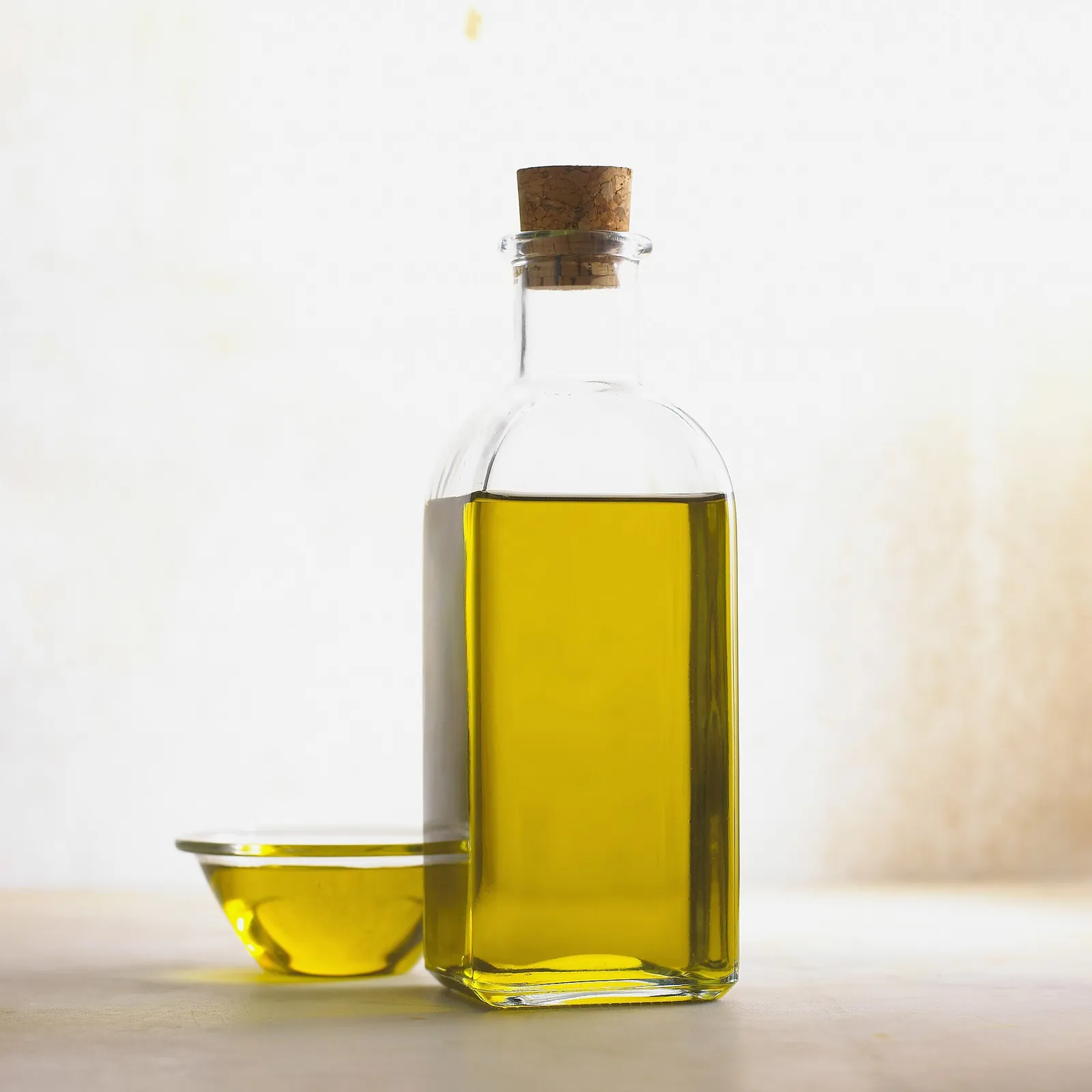
Garlic and herbs in oil can cause botulism, a rare but potentially fatal food poisoning. A bottle of oil with a sprig of fresh rosemary or raw garlic sitting on a shelf is exactly the risky kind. The only home method with published research behind it for shelf storage is the Pacific Northwest Extension procedure: soak chopped garlic or fresh basil, oregano or rosemary in a 3% citric acid solution for 24 hours before adding it to oil. Otherwise, give the oil refrigerated with a clear "use within 4 days" label, or give the oil and herbs separately.
- Time 24 hours of soaking, about 30 minutes hands-on, then 1 – 10 days to infuse
- Difficulty Easy, but the steps must be followed exactly
- Cost About $15 – $35 for oil, citric acid and bottles
- Makes Several small gift bottles
A bottle of herb-infused olive oil is a lovely kitchen gift. It is also one of the homemade foods food-safety experts warn about most often, because the safe way and the risky way look identical in the bottle. This guide follows research-based extension guidance so you can give it with confidence.
Why infused oil can be dangerous
Garlic and herbs can carry spores of Clostridium botulinum, bacteria that are common in soil. Covered in oil, they sit in a low-acid, oxygen-free environment, which is the condition that lets these bacteria grow and produce toxin. The toxin cannot be seen, smelled or tasted. A Pacific Northwest Extension publication (University of Idaho, Oregon State University and Washington State University) notes that a number of botulism cases have occurred from improperly stored, home-prepared garlic- or herb-in-oil mixtures.
Three points surprise most people:
- Dried herbs are not a safe shortcut. The same publication says oil seasoned with dried garlic or dried herbs must also be refrigerated and used within 4 days, or frozen, because you cannot be sure the herbs are dry enough at home.
- Warming the oil is not a safety step. Heat speeds up the flavor, but for oils made without acidified ingredients the publication's safety control is refrigeration for no more than a few days, or freezing.
- There is no tested method for canning flavored oils.
Commercial flavored oils are made with acidified ingredients or approved inhibitors, which is why they can sit on a store shelf.
Your three safe options
1. Acidify the garlic or herbs (shelf-stable)
This is the method in the steps below. It is tested only for garlic, basil, oregano and rosemary. Do not use it for chili peppers, citrus peel, mushrooms, sun-dried tomatoes or other herbs; research has not established safe procedures for them.
2. Give it fresh and refrigerated
Mix oil with raw garlic or herbs, keep it in the fridge, and hand it over in person with a label that says "Keep refrigerated. Use within 4 days." Good for a dinner party, not for shipping.
3. Give the pieces separately
Pair a good bottle of extra virgin olive oil with a small jar of a dried herb blend for dipping bread, so the recipient mixes them at the table. It is the simplest, safest gift and still looks generous.
What you need for acidified infused oil
- Olive oil (or a milder oil such as canola if you want the herb to dominate)
- Granular citric acid (not ascorbic acid, which does not work the same way)
- Fresh garlic, or fresh basil, oregano or rosemary on the stem
- Warm water, measuring cups and spoons
- Kitchen scale (strongly recommended for herbs)
- Glass or stainless bowl, a small plate to weigh herbs down, and a lid or wrap
- Clean, food-grade bottles with tight caps, ideally dark glass
- Labels
How to make acidified herb or garlic oil
Make a 3% citric acid solution
Stir 1 level tablespoon of granular citric acid into 2 cups of warm water until fully dissolved. Lemon juice and vinegar have not been tested for this method and cannot be substituted.
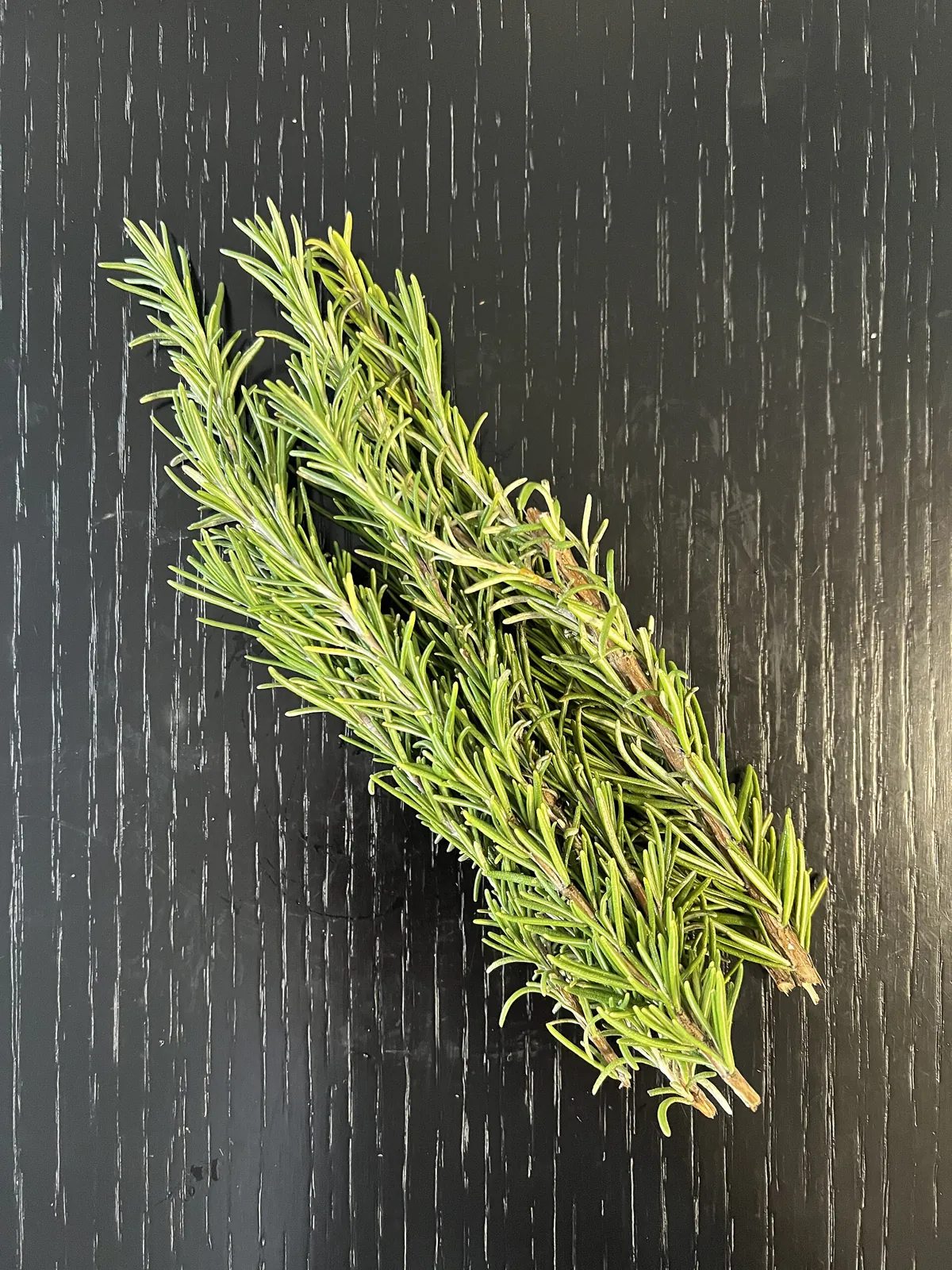
Fresh rosemary sprigs Prepare the garlic or herbs
For garlic, peel the cloves and chop them into pieces no larger than 1/4 inch; whole cloves do not acidify in time. For herbs, rinse fresh basil, oregano or rosemary, pat dry and leave the leaves on the stems.
Use the right ratio
Garlic: about 2/3 cup chopped garlic to the 2 cups of solution (one part garlic to three parts solution by weight). Herbs: 1.7 oz (47 g) of fresh herb, roughly 1 1/2 cups loosely packed, to the 2 cups of solution. Weighing is more accurate than measuring by volume. Acidify garlic separately from herbs.
Soak for 24 hours
Submerge the garlic or herbs completely; weigh herbs down with a small plate. Cover and leave at room temperature for 24 hours. A few extra hours is fine, but shorter soaking or weaker solution can be unsafe.
Drain well
Lift the garlic or herbs out, drain thoroughly and pat herbs dry. Discard the soaking liquid.
Infuse the oil
Start with about 1 part acidified garlic or herb to 10 parts oil by weight. Leave at room temperature for 1 to 10 days, tasting as you go, or warm gently for a quicker infusion. The extension research used 140°F for 5 minutes; much hotter damages the oil's flavor.
Bottle and label
Strain out the herbs when the flavor is right, or leave a rosemary sprig in for looks, which the publication says is acceptable for acidified herbs. Pour into clean, dry bottles and cap tightly.
Tip: The acidified oil can safely be stored at room temperature, but oil still turns rancid over time. Dark bottles and a cool cupboard, or the fridge, keep the flavor fresher longer.
Labeling and giving
Write the oil, the herb or garlic, the date made and "Made with acidified herbs" on the label so the recipient knows it was prepared by the tested method. If you chose the fresh route, the label must say "Keep refrigerated. Use within 4 days." Texas A&M AgriLife Extension also suggests listing all ingredients and saying where the item should be stored.
Bottles look best with a paper tag tied at the neck and a few slices of good bread or a small dipping dish. Infused oil sits nicely in a homemade gift basket for home cooks. For other kitchen gifts, see our food gifts section or try homemade vanilla extract.
Frequently asked questions
Is garlic-infused oil safe if I keep it in the fridge?
Unacidified garlic or herb oil should be kept refrigerated and used within 4 days, or frozen, according to the Pacific Northwest Extension publication. Refrigeration slows the risk; it does not make long storage safe.
Can I use dried herbs or chili flakes instead?
Dried garlic and herbs still need refrigeration and use within 4 days, because home-dried or store-dried herbs may hold pockets of moisture. Chili peppers have no tested acidification method for oil.
How long does acidified infused oil last?
Safety is not the limit; flavor is. Oil gradually turns rancid, so store bottles somewhere cool and dark or in the fridge and suggest using them within a few months.
Can I give infused oil by mail?
Only the acidified kind is suitable for shelf storage. Pack bottles well, and never mail a fresh, refrigerated version.
Sources
- University of Idaho, Oregon State University and Washington State University — Making Garlic- and Herb-Infused Oils at Home (PNW 664). objects.lib.uidaho.edu
- Texas A&M AgriLife Today — Give a homemade gift from your kitchen this holiday season (2023). agrilifetoday.tamu.edu
Image credits. Top image: Bottle of olive oil by margenauer from Pixabay, CC0 1.0, via Wikimedia Commons · In-article image: Liat Portal for Foodie Disorder - Rosemary by HaJunkiyada, CC BY-SA 4.0, via Wikimedia Commons
Spotted something out of date or a gift that's no longer available? Tell our editors — we review every correction.