Gifts kids can make for parents (that parents keep)
Simple projects children can do mostly on their own, from a painted flower pot to an interview card, with safety notes for heat, paint and small parts.
Quick answer
The best gifts kids can make for parents are simple projects the child can do mostly alone: a painted flower pot with a plant, a coupon book of chores and hugs, a decorated photo frame, or an "all about my mom/dad" interview card. Use washable, non-toxic supplies (look for the ACMI AP seal), keep heat, sprays and sharp tools in adult hands, and let the result look like the child made it. That is the point.
- Time 30 – 90 minutes, plus drying time
- Difficulty Easy; suits ages about 3 to 12 with help scaled to age
- Cost About $5 – $20
- Makes One gift per child
A handmade gift from a child is mostly about the effort and the personality in it. Parents rarely remember whether the paint stayed inside the lines; they keep the thing with the wobbly name on the bottom. The projects below are chosen so the child can do the real work, with an adult (usually the other parent, a grandparent or an older sibling) acting as helper rather than maker.
Project: a painted flower pot with a plant
This is the most reliable all-ages project. Toddlers can dab paint, older kids can paint patterns or a message, and the gift keeps growing after the day itself, which makes it a natural fit for Mother's Day or Father's Day.
- A terracotta pot, about 4 – 6 in across, with a saucer
- Washable, non-toxic kids' paint or acrylic craft paint labeled with the ACMI AP seal
- Brushes, sponges, cotton swabs and a paper plate for a palette
- Newspaper or a plastic tablecloth, an old shirt or smock
- A small easy plant (herb, succulent or flower seedling) and potting mix
- Optional: paint pen for the child's name and date; clear sealer for an adult to apply
Set up a mess-proof space
Cover the table, put the child in a smock, and pour small amounts of two or three colors onto a plate. Fewer colors means less brown sludge and a cheerier result.
Wipe the pot
Brush off dust and labels with a dry cloth. Paint grips a clean, dry surface better.
Let the child paint
Younger kids can sponge-dab or press fingerprints into dots and flowers; older kids can paint stripes, a pattern or a message like "Best Dad." Paint the outside and the rim only, and let each coat dry before adding details.
Add the signature
Once dry, help the child write their name and the year on the bottom or the back. This is the part parents look for years later.
Seal it, if you want it to last outdoors
An adult can apply a clear acrylic sealer following the label, ideally a brush-on one. If you use a spray sealer, do it outside, away from children, and let it cure for the time the can states.
Plant it together
Fill with potting mix, settle the plant, water lightly and set it on its saucer. A plant in a small plastic nursery pot slipped inside the painted pot also works and protects the paint from wet soil.
Add a card
A child's drawing or a short dictated note ("I picked this plant because…") finishes the gift.
Tip: Take a photo of the child holding the finished pot before it is given. The photo often becomes part of the gift too.
More gifts kids can make for parents
A coupon book
Staple a few strips of paper together and let the child write or draw promises: "one breakfast in bed," "I will clean my room without being asked," "10 hugs." Kids as young as four can draw the coupons while an adult writes the words. Our coupon book guide has layouts that work for any age.
A decorated photo frame
Buy a plain wooden frame and let the child paint it, or glue on buttons, pasta shapes or paper cutouts with white school glue. Put a recent photo of the child with the parent inside.
An "all about my mom/dad" interview card
An adult asks the child questions (How old is Mom? What is Dad's favorite food? What does she do at work?) and writes the answers word for word. The honest, often funny answers are the gift. Date it, because these become treasured keepsakes.
A handprint keepsake
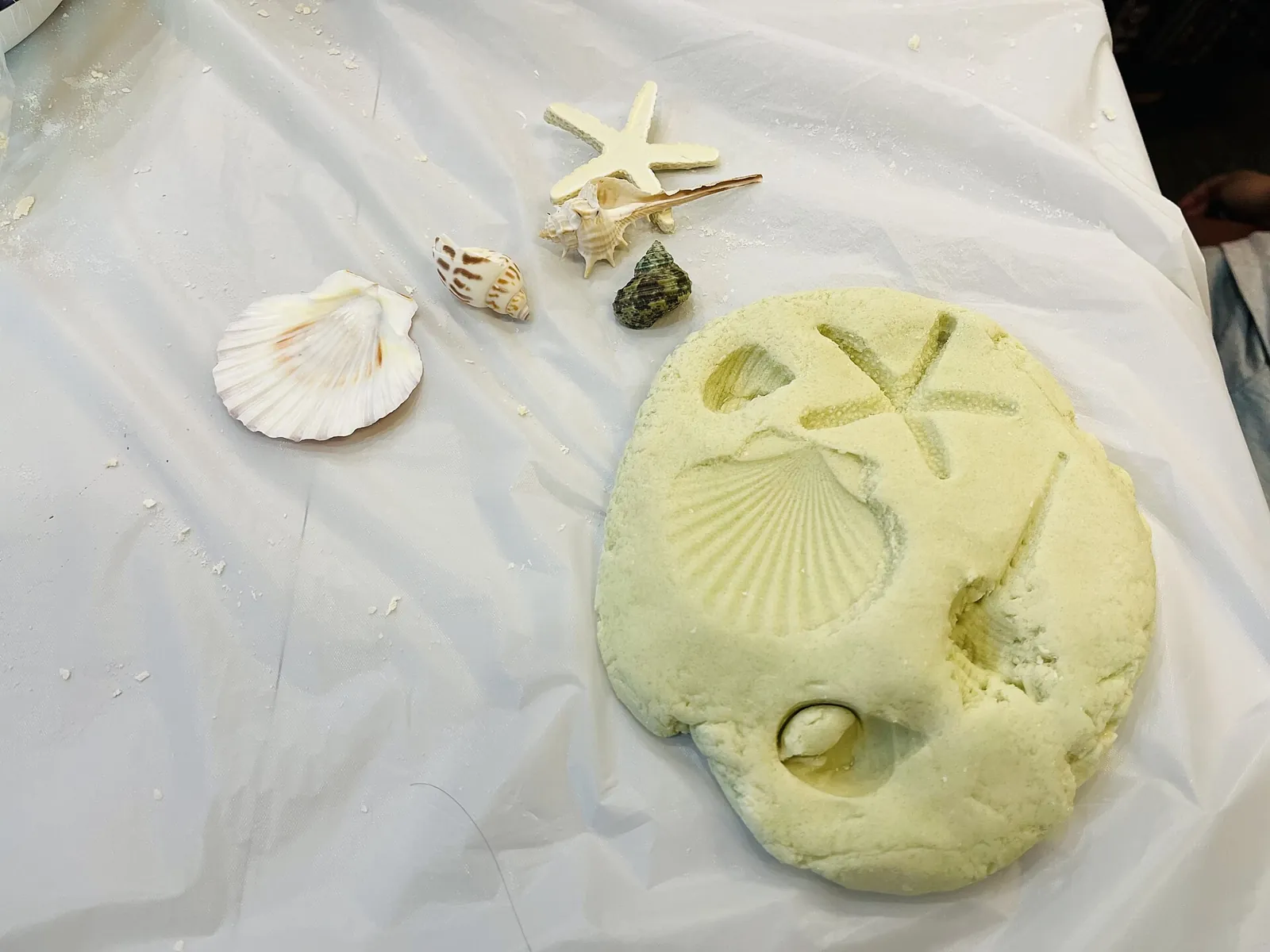
Painted handprints or a salt dough handprint are classic for a reason. See handprint craft gifts for step-by-step ideas and the safety notes that go with them.
A simple food gift
Older kids can decorate cookies, assemble a trail mix jar or make a no-bake treat with an adult handling the oven and knives. Wash hands first and check for allergies in the family.
Safety notes for kids' crafts
- Choose non-toxic, washable supplies. The Art & Creative Materials Institute (ACMI) says its AP (Approved Product) seal marks art materials certified by a toxicologist as non-toxic when used as intended, and recommends AP products for children in sixth grade and younger. Products with the CL (Cautionary Labeling) seal are for older kids and adults only.
- Look for "Conforms to ASTM D-4236." This is the US chronic-hazard labeling standard for art materials. It means the product is labeled correctly under federal law, not that it is automatically safe for young children, so the AP seal is the better guide for little hands.
- Adults handle heat, sprays and sharp tools. Ovens, glue guns, craft knives, spray sealers and power tools stay with the grown-up. Low-temperature glue guns can be used by older children with close supervision.
- Watch small parts. Beads, buttons and pom-poms are a choking hazard for toddlers, and many craft items can cause problems if pets swallow them.
- Salt dough is not food. The ASPCA warns that salt dough can cause dangerous salt poisoning in pets, so keep dough and finished pieces out of their reach.
How to wrap and give it
Let the child do as much of the wrapping as possible: a paper bag they decorate with stamps or stickers works better than perfectly folded paper. Plants can go in a gift bag with tissue around the pot. Encourage the child to hand it over themselves and say what they made. The moment of giving is part of what they are learning.
Frequently asked questions
What can a 3-year-old make for a parent?
Simple projects with big motions: sponge-painting a flower pot, fingerprint art on a card, or stickers on a frame. Prepare everything ahead so the child only does the fun part, and expect it to take 15 minutes, not an hour.
Is acrylic paint safe for kids?
Many acrylic craft paints carry the ACMI AP non-toxic seal, but not all do. Check the label for the AP seal before letting young children use it. Acrylic does not wash out of clothes once dry, so use a smock.
How much should an adult help?
Enough to keep it safe and to set up the project, but not so much that the result looks adult-made. A good rule is that the adult handles prep, heat and cleanup; the child does the decorating and choosing.
What can kids make with no money?
A coupon book, an interview card, a drawn portrait of the family, or a letter. All you need is paper and markers.
For more projects sorted by age and occasion, browse gifts kids can make.
Sources
- Art & Creative Materials Institute — Approved Product (AP) Seal and classroom art materials safety. acmiart.org
- ASPCA — Crafting with Care: Pet Safety Tips for Holiday Arts and Crafts. aspca.org
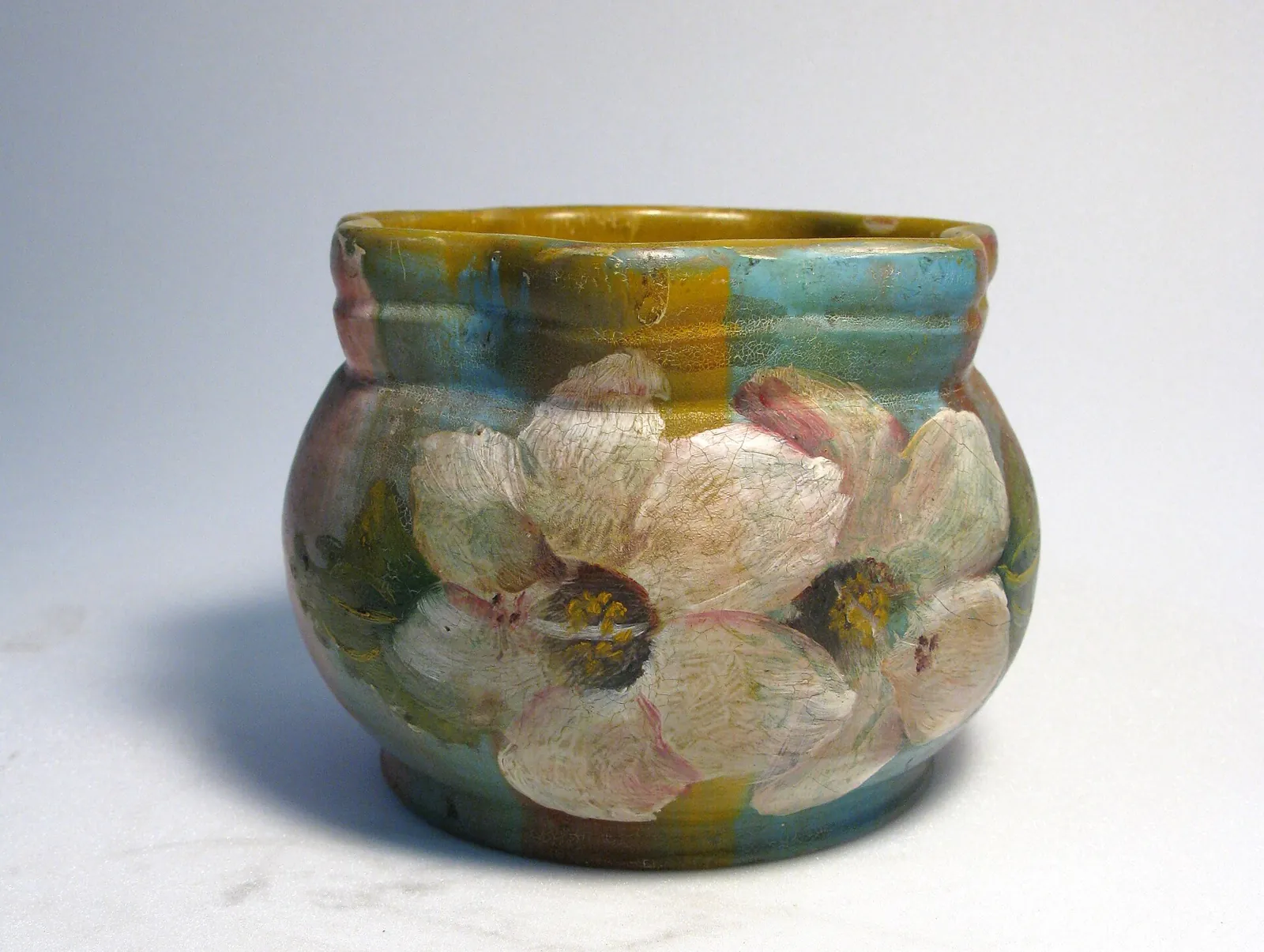
Image credits. Top image: Pot, flower (AM 1987.531-1) by Partridge Pottery, CC BY 4.0, via Wikimedia Commons
Spotted something out of date or a gift that's no longer available? Tell our editors — we review every correction.