Gifts from teacher to students that every child can share
Small, fair and food-free gifts a teacher can give a whole class for the winter break or the last day of school, most for $1 to $5 per student.
We independently research every pick. If you buy through our links we may earn a small commission, at no extra cost to you. Affiliate disclosure.

Quick answer
The best gifts from teacher to students cost $1 to $5 each, are identical for every child and contain no food: a paperback book, a personalized bookmark, a set of fun pencils or a certificate that names something specific each student did well. A short personal note in each gift matters more than the item. For free options, give the class an experience, such as a reading picnic or an extra recess.
- Typical budget $1 – $5 per student
- Best timing Winter break or the last week of school
- Golden rule Same gift for every student
- Avoid Food, unless your school allows it and you know every allergy
Gifts from teacher to students are not about impressing anyone. They are a small, fair way to say "I noticed you" to every child in the room, usually paid for out of a teacher's own pocket. The ideas below work for a class of 20 to 30, travel home safely in a backpack and are easy to make identical for everyone. They suit both end of year teacher gifts to students and Christmas gifts for teachers to give students. If you are planning a Halloween handout instead, our guide to non-candy Halloween treats for classrooms has seasonal ideas; for more classroom gifting in general, browse our teacher gifts hub.
Gifts from teacher to students that last
A paperback book for every student
Why it works: A book is the one gift almost every parent welcomes, and it keeps working all summer. Buy one title for the whole class or let each child pick from a box of bulk paperbacks matched to the grade level. Write the student's name and one line on the inside cover.
Skip it if: your budget is under $2 a child; a book-swap day where students trade home books costs nothing.
A personalized bookmark
Why it works: Bookmarks are cheap, flat and easy to make personal: print each student's name, a class photo or a favorite quote from the year on card stock and laminate it. They pair well with a summer reading challenge.
Skip it if: your students are very young and not yet reading on their own; stickers or a coloring page fit better.
Fun pencils or a pencil-and-eraser set
Why it works: Patterned or name-printed pencils feel like a treat to younger students and get used in the next grade. Add a novelty eraser for a small set.
Skip it if: you teach high school; a nicer pen or a pocket notebook lands better with teens.
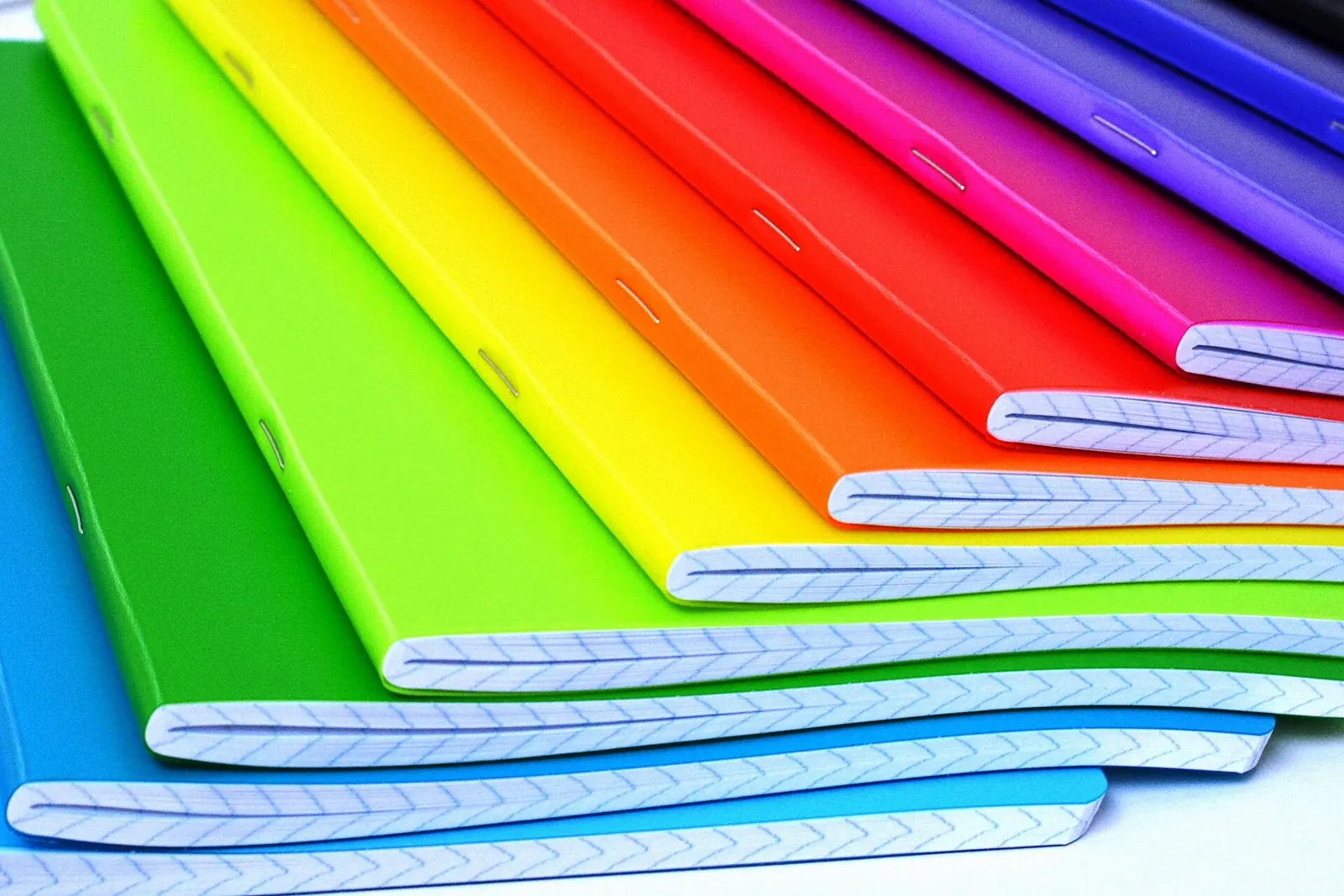
A pocket notebook or sketchbook
Why it works: A small blank notebook invites journaling, drawing or comic-making over the break. Older students especially like a plain cover they can decorate themselves.
Skip it if: your school already sends students home with leftover workbooks; one more notebook may go unused.
Free and nearly free ideas
A certificate with a specific compliment
Why it works: A printed award such as "Most curious question-asker" or "Kindest classmate" costs only paper and gives every child a title. Make sure each one is genuine and that no student gets an award that sounds like a joke at their expense.
Skip it if: you cannot find a true, positive line for every student; a general class certificate is fairer than a forced one.
A personal note or postcard
Why it works: Two or three sentences about a moment you remember with that student are often what children keep longest. Postcards are quicker to write than letters and can be mailed over the summer as a surprise.
Skip it if: you are short on time with a large class; a shared class letter plus a one-line personal addition still works.
A class photo print
Why it works: A printed group photo from the year is a keepsake students rarely have from each class. Print at a drugstore kiosk or on a home printer and slip it into the book or card.
Skip it if: your school or some families have opted out of photos; check consent before sharing images of students.
An experience instead of a thing
Why it works: A reading picnic, a pajama day, extra recess, a class game tournament or a "teacher reads your choice" afternoon costs nothing and includes everyone. Hand out simple printed coupons so it still feels like a gift.
Skip it if: your school limits schedule changes near the end of term; ask your principal first.
End of year teacher gifts to students for summer
Sidewalk chalk or bubbles
Why it works: Outdoor play gifts say "go enjoy your summer" and suit kindergarten through third grade. Small chalk sets and bubble tubes come in bulk packs.
Skip it if: students ride a bus home and liquids could spill in backpacks; send chalk instead.
A seed packet with planting instructions
Why it works: Sunflower, bean or herb seeds give students a project to watch over the break. Add a printed card with planting steps and a space to record growth.
Skip it if: many students live in apartments without outdoor space; a windowsill herb or a book is easier.
A summer reading or activity kit
Why it works: A printed reading log, a bookmark and a short list of book suggestions in an envelope keeps skills fresh without feeling like homework. Include your local library's summer program details if you know them.
Skip it if: you have already given a book; one reading-themed gift is enough.
Allergies, fairness and school policy
Food is the most common classroom gift and the riskiest. The CDC estimates that 1 in 13 children (8%), or about 2 students per classroom, are affected by food allergies. U.S. food labels must declare nine major allergens: milk, eggs, fish, crustacean shellfish, tree nuts, peanuts, wheat, soybeans and sesame, but cross-contact and unlabeled bakery items still cause problems. Many schools restrict or ban homemade and outside food, so non-food gifts avoid the question entirely.
- Give every student the same gift, or let each choose from an identical selection.
- Hand gifts out at the end of the day or tuck them into backpacks so no one feels singled out.
- Check your school's rules on gifts, photos of students and food before you buy.
- Do not include religious items in a public school class gift unless your school has approved it.
- Do not hand out balloons or tiny toys in preschool or kindergarten classes. Federal rules ban small parts in products meant for children under 3, and balloons must carry a choking-hazard warning.
- Do not leave a student out because they were absent; save their gift and give it later.
How to choose gifts for a whole class
- Set a per-student budget first. Multiply by class size before you shop: $3 for 28 students is already $84.
- Pick one useful item plus one personal touch. A pencil and a note beat a bag of five plastic trinkets.
- Match the age. Stickers and chalk for the early grades, books and notebooks for upper elementary, a good pen or a handwritten note for teens.
- Think about the season. For winter break, see our list of Christmas gifts for students from teachers; for the last day of school, summer-themed gifts make the most sense.
- Ask for help. Some parent groups cover the cost of class gifts if you ask early.
If parents are planning a gift for you at the same time, our guide to end-of-year teacher gifts is a useful link to share with your room parent.
Frequently asked questions
What is a good gift from a teacher to students?
A paperback book, a personalized bookmark, fun pencils or a specific certificate, given identically to every student and paired with a short personal note. These usually cost $1 to $5 each.
How much should a teacher spend on gifts for students?
There is no rule, and no teacher should feel obliged. As an editorial guide, $1 to $5 per student is typical, and free gifts such as notes, certificates or a class experience are just as meaningful.
Should teachers give candy to students?
It is safer not to. About 1 in 13 children has a food allergy, according to the CDC, and many schools limit outside food. Non-food gifts include every student.
What can teachers give students at the end of the year for free?
A personal note, a printed certificate, a class photo or an experience such as a reading picnic or extra recess. These cost little or nothing and are often remembered longest.
Sources
- CDC — Food Allergies in Schools. www.cdc.gov
- U.S. Food and Drug Administration — Food Allergies: What You Need to Know. www.fda.gov
- U.S. Consumer Product Safety Commission — Small Parts Ban and Choking Hazard Labeling. www.cpsc.gov
Image credits. Top image: Colorful Wooden Pencils (43600011094) by Dejan Krsmanovic, CC BY 2.0, via Wikimedia Commons · In-article image: Notebooks-rainbow by utroja0, CC0 1.0, via Wikimedia Commons
Spotted something out of date or a gift that's no longer available? Tell our editors — we review every correction.