Gifts to bring when staying with hosts abroad
What to bring when you stay in someone's home in another country: gifts from home that travel well, and the customs rules to check before you pack.
We independently research every pick. If you buy through our links we may earn a small commission, at no extra cost to you. Affiliate disclosure.
Quick answer
The best gifts for hosts when traveling abroad come from your own home: a regional sweet, coffee, tea, spice blend or small craft that the hosts cannot easily buy where they live. Choose sealed, shelf-stable items that survive a suitcase, avoid meat and dairy (many countries restrict them), pack jams, honey and syrups in checked luggage, and add a thank-you dinner or photo at the end of the stay. Most good picks cost $15 to $60.
- Typical budget $15 – $60, plus an optional dinner out
- Best type Sealed, shelf-stable specialties from your region
- Leave at home Meat, dairy, fresh produce and plants unless you have checked the rules
- Carry-on tip Jam, honey and syrup count as liquids at airport security
Staying in someone's home abroad, whether with friends, relatives or a family you met online, calls for a gift that says where you come from. Gifts from your home country start conversations and give the hosts a taste of your life. This guide is about crossing borders; for a weekend at a friend's place nearby, see our weekend stay host gifts. More ideas are in our host gifts collection.
Gifts from your home country that travel well
Regional sweets or candy in sealed packaging
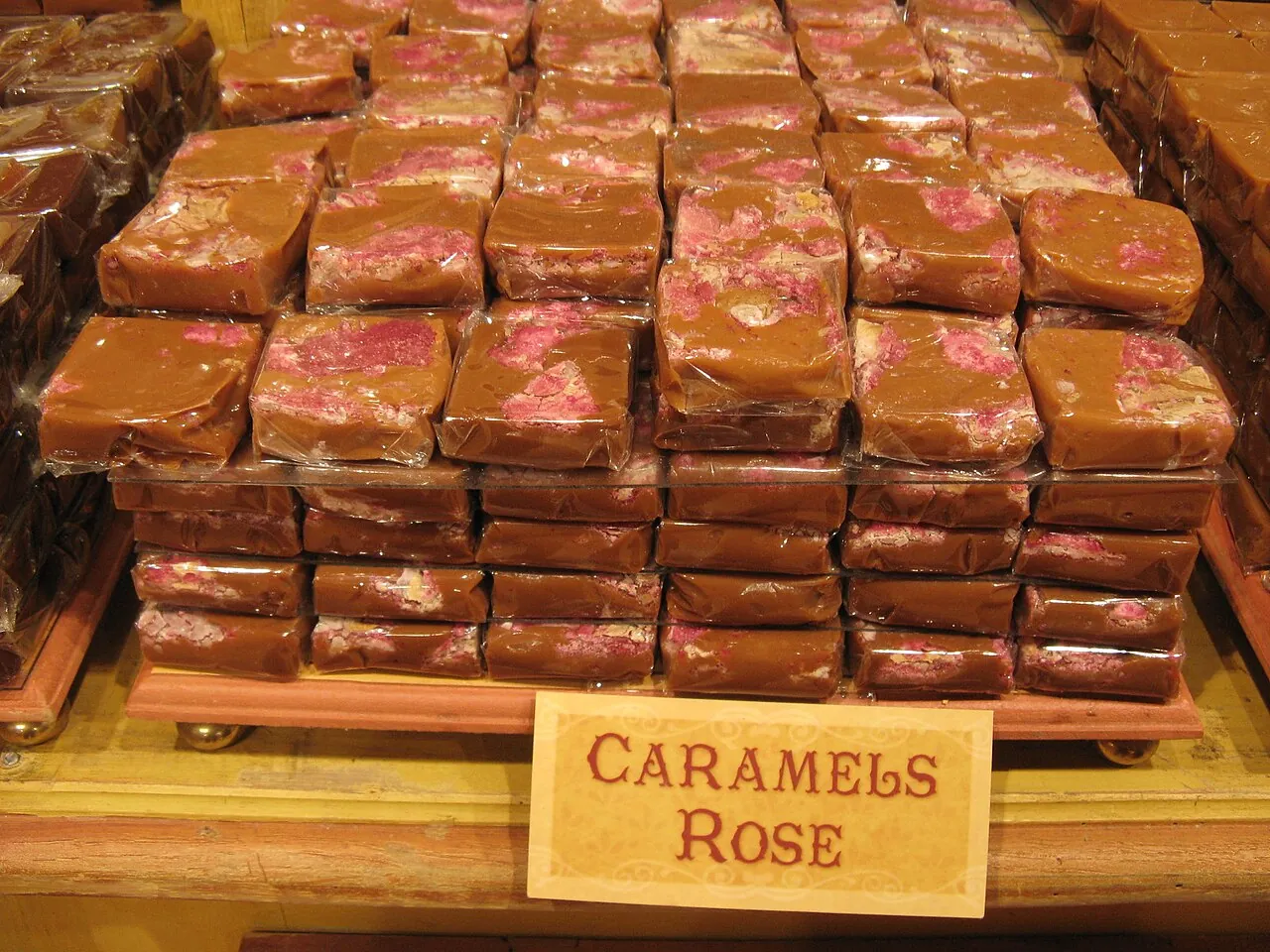
Why it works: Saltwater taffy, pralines, shortbread, fudge or a local chocolate maker's bar are easy to pack and fun to share at the table. Factory-sealed boxes with an ingredient list in English are easiest at customs.
Skip it if: the sweets contain milk-based fillings and you are flying into the EU from outside it; check the rules below first.
Coffee or tea from a local roaster or blender
Why it works: Whole beans or loose-leaf tea in a sealed bag are light, keep well and get used. A note about where it is grown or roasted makes it personal.
Skip it if: the hosts do not drink coffee or tea; ask a mutual friend before you pack.
Maple syrup, local honey or a signature sauce
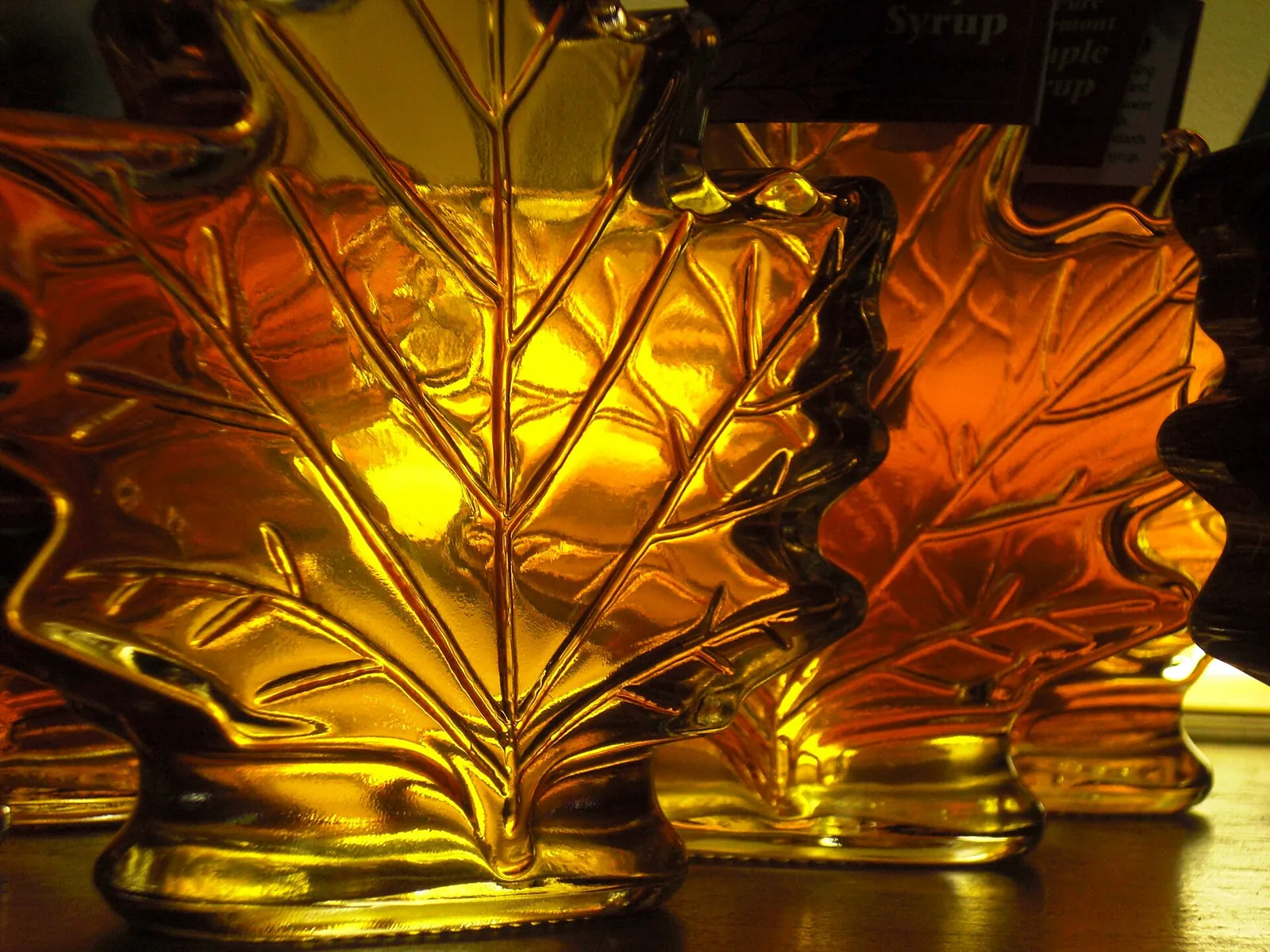
Why it works: A small bottle of something your region is known for is a classic travel host gift. Pack glass bottles in checked luggage wrapped in clothing, since airport security limits liquids in hand luggage.
Skip it if: you are traveling with carry-on only; switch to maple candy or a dry spice blend.
A regional spice blend or seasoning kit
Why it works: Cajun seasoning, a barbecue rub or a family curry blend lets the hosts cook something from your home. Add a recipe card in your own handwriting.
Skip it if: the hosts' country restricts seeds or plant material; ground, commercially packed spices are usually the safer form.
A cookbook from your region
Why it works: A well-photographed regional cookbook goes with the edible gift and lasts much longer. Mark two or three recipes you grew up with.
Skip it if: the hosts do not read your language well; a picture-led book or a few translated recipe cards work better.
Crafts and keepsakes from home
Small pottery or ceramics by a local maker
Why it works: A mug, small bowl or candle holder from a potter in your town carries a story. Wrap it in a sweater in your suitcase.
Skip it if: you are flying with a strict weight limit; a textile is lighter.
A printed tea towel, table runner or textile
Why it works: Linens with a local map, pattern or landmark are flat, light and unbreakable, and they get used in the kitchen.
Skip it if: the hosts have a very minimalist home; a consumable gift adds nothing to their shelves.
A picture book about your country for the host family's children
Why it works: If your hosts have young children, a picture book about your city or country is a warm, educational gift. Choose one with plenty of illustrations.
Skip it if: there are no children in the household; a photo book of your region suits adults better.
Thank-you gifts at the end of the stay
Dinner out, or a meal you cook for them
Why it works: Treating the hosts to a meal at a favorite local restaurant, or cooking a dish from home in their kitchen, thanks them with time rather than things.
Skip it if: insisting on paying would embarrass them; in some cultures hosts expect to pay, so a cooked meal is more gracious.
A framed photo from your visit
Why it works: Print a favorite group photo at a local shop during the stay and frame it before you leave. Add a handwritten thank-you note.
Skip it if: you did not take any group photos; a postcard from home with a long note works too.
Packing rules: what to leave at home
Food rules are set by the country you are entering, and they change. Check the official customs or agriculture site for your destination before you pack, and always declare food when asked. A few examples from official sources:
- European Union. Travelers arriving from outside the EU are not allowed to bring any meat or dairy products. Honey and other products without meat or milk are allowed in limited amounts (up to 2 kg), and undeclared meat or dairy may be confiscated, with possible fines. That rules out cheese, jerky and many cream-filled sweets.
- Great Britain. Bread, biscuits, cakes without fresh cream, packaged soup and plain pasta can be brought in without restriction, while meat, dairy, fish, fruit, vegetables, nuts and seeds have rules of their own.
- Hand luggage. At UK airports, liquids include jam, honey and syrups, and containers over 100 ml are not allowed through security at most airports. Many other countries apply similar limits, so pack bottles and jars in checked luggage.
Tip: Keep gifts in original, labeled packaging and carry them in one bag so they are easy to show to an officer. Leave the gift unwrapped until you arrive; wrapped items may be opened for inspection.
How to choose travel host gifts and give them well
- Choose something local to you. A gift your hosts could buy at their own supermarket misses the point.
- Learn the local customs. In some countries gifts are not opened in front of the giver, a first offer may be politely declined, or certain colors and numbers carry meaning. Our country gift etiquette guides cover the details for each destination.
- Be careful with alcohol. It is a welcome gift in many homes but unwelcome or forbidden in others, and it is subject to duty limits.
- Give early. Hand over the main gift when you arrive; save a thank-you meal or note for the end.
- Traveling as a couple? Our gifts for couples who travel has ideas for the trip itself.
Frequently asked questions
What is a good gift to bring to hosts abroad?
A sealed, shelf-stable specialty from your home region, such as sweets, coffee, tea, maple syrup or a spice blend, or a small craft from a local maker. Avoid meat and dairy unless you have checked the destination's rules.
Can I bring cheese or sausage as a gift to Europe?
Not if you are arriving from outside the EU. The EU's official guidance says travelers from non-EU countries may not bring any meat or dairy products.
How much should I spend on a host gift when staying abroad?
There is no fixed rule. A $15 to $60 gift from home plus a thank-you meal or note is generous for a stay of a few nights; a longer stay may call for a larger thank-you at the end.
Should I give the gift when I arrive or when I leave?
Usually on arrival, so the hosts can enjoy it during your stay. A thank-you dinner, photo or note at the end rounds it off.
Sources
- Your Europe (European Union) — Taking animal products, food or plants with you. europa.eu
- GOV.UK — Bringing food into Great Britain. www.gov.uk
- GOV.UK — Hand luggage restrictions at UK airports: Liquids. www.gov.uk
Image credits. Top image: Wrapped fudge squares at Carcassonne (1) by J W, CC BY-SA 2.0, via Wikimedia Commons · In-article image: Maple syrup glass light leaf (5172182978) by Ano Lobb, CC BY 2.0, via Wikimedia Commons
Spotted something out of date or a gift that's no longer available? Tell our editors — we review every correction.