Gifts for embroidery lovers who stitch every chance they get
Practical and inspiring gifts for stitchers, from better hoops, scissors and lighting to specialty threads, technique kits and classes.
We independently research every pick. If you buy through our links we may earn a small commission, at no extra cost to you. Affiliate disclosure.
Quick answer
The best gifts for embroidery lovers are tools and materials they use every session but rarely splurge on: a set of quality hoops or a hands-free stand, sharp embroidery scissors, a daylight lamp, a big floss collection with an organizer, or a kit that teaches a new technique. Most cost $15 to $90. Look at what they stitch now, then upgrade one piece of their setup.
- Typical budget $15 – $120
- Safest picks Scissors, hoops, lighting, storage
- Riskiest picks Patterns and kits in a style they do not stitch
- Best rule Upgrade what they already use daily
Gifts for embroidery lovers are easiest when you think like a stitcher: good light, sharp tools, a steady hoop and plenty of thread make every project more enjoyable. Embroidery enthusiasts often build their kit slowly, so a better version of something basic is usually welcome. If you would rather make something embroidered yourself, our tutorial on embroidery hoop art walks through a first project; this guide is about gifts for the person who stitches. For more ideas, browse our gifts for crafters collection.
Tools they will reach for every session
A set of quality hoops
Why it works: Smooth wooden or bamboo hoops with sturdy screws hold fabric drum-tight without snagging. A set of several sizes covers small motifs and larger pieces, and hoops can double as frames for finished work.
Skip it if: they mostly stitch on large frames or scroll frames; a frame accessory is the better choice.
A hands-free hoop stand
Why it works: A seat stand or floor stand holds the hoop in place so both hands are free, which speeds up stitching and eases strain during long sessions.
Skip it if: they stitch mostly on the go or have very little space at home.
Small, sharp embroidery scissors
Why it works: Fine-pointed scissors snip threads close to the fabric cleanly. Decorative designs make them feel special, and a sheath protects the tips in a project bag.
Skip it if: they already own a favorite pair; a thread cutter pendant or a scissor fob is a fun add-on instead.
A needle assortment and a magnetic needle minder
Why it works: Embroidery uses several needle types. Crewel needles have a sharp tip and an oval eye for everyday stitching, while chenille needles have a larger eye for thicker threads. A needle minder keeps the working needle from getting lost mid-project.
Skip it if: they are very particular about needle brands; ask before buying.
A daylight lamp with a magnifier
Why it works: True-color light makes it easier to match floss shades and see fine stitches in the evening, and a built-in magnifier helps with detailed work.
Skip it if: they only stitch by a sunny window during the day.
Threads, fabric and materials
A large floss collection with an organizer
Why it works: Six-strand embroidery floss is the everyday thread for hand embroidery, and stitchers separate the strands to suit the design. A wide color collection on bobbins in a divided box saves hours of hunting for the right shade.
Skip it if: they already have hundreds of colors; specialty threads are more exciting.
Specialty threads
Why it works: Silk, metallic, rayon and fine wool threads add sheen and texture once someone has mastered cotton floss. A small curated bundle invites experimentation.
Skip it if: they are still a beginner; start with cotton floss.
A fabric bundle
Why it works: Quarter-yard cuts of quality linen, cotton and linen blends in natural and colored shades give them material for several projects. Linen in particular feels like a treat for many stitchers.
Skip it if: they work exclusively on clothing or ready-made items like tote bags.
Transfer pens and stabilizer
Why it works: Heat- or water-erasable transfer pens and water-soluble stabilizer make it easier to put designs on dark or stretchy fabric. It is the kind of practical refill many stitchers run out of.
Skip it if: you are unsure what they use; a gift card to a local craft store is safer.
Unique gifts for embroidery lovers who want to learn
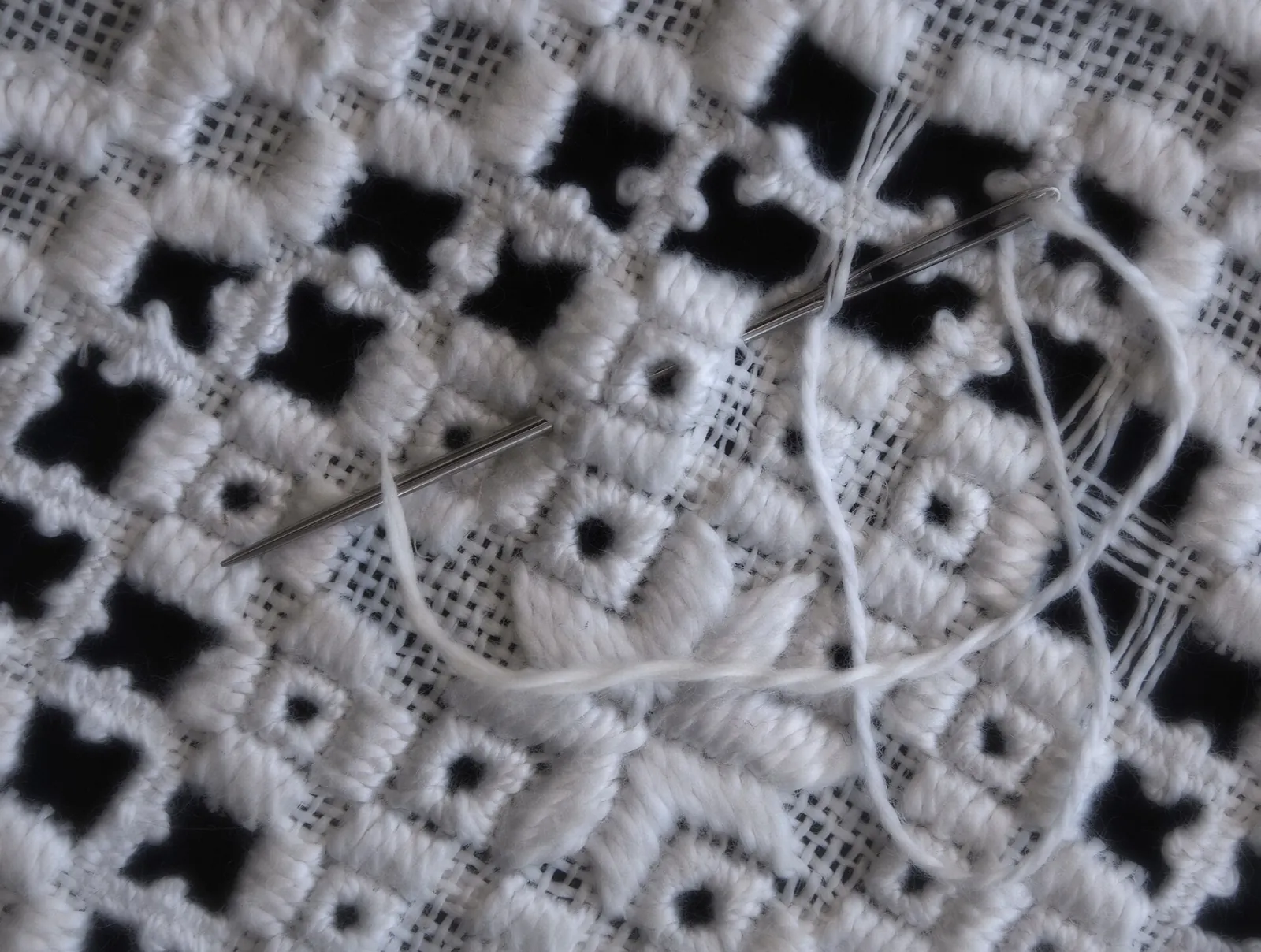
A kit for a new technique
Why it works: Kits for goldwork, crewel, sashiko, stumpwork or punch needle include materials and instructions for a style they have not tried, which is ideal for someone who has outgrown beginner samplers.
Skip it if: they prefer designing their own patterns.
A class or guild membership
Why it works: Local studios and needlework shops run workshops, and national groups such as the Embroiderers’ Guild of America have chapters across the United States plus online classes and lectures. A class gives them community as well as skills.
Skip it if: they prefer stitching alone; a stitch dictionary book is a quieter way to learn.
Storage and project gear
A project bag and roll-up organizer
Why it works: A zippered project bag with clear pockets and a roll-up case for scissors, needles and floss keeps a work in progress tidy at home or on the go.
Skip it if: they keep everything in one craft room and never travel with projects.
How to choose gifts for embroidery enthusiasts
- Look at their style. Modern hoop art, traditional crewel, cross-stitch and sashiko use different materials; peek at recent projects first.
- Upgrade the basics. Scissors, hoops and lighting are used every session and are rarely bought in a premium version.
- Avoid duplicate patterns. Patterns and kits are personal; choose them only if you know their taste.
- Think beyond embroidery. Many stitchers also sew or knit, so ideas from our guides to gifts for sewers and gifts for knitters may suit them too.
Frequently asked questions
What do you buy someone who loves embroidery?
Tools and materials they use every session: quality hoops, a hands-free stand, sharp embroidery scissors, a daylight lamp or a large floss collection with an organizer. A kit or class in a new technique is a good choice for experienced stitchers.
What is a good gift for a beginner embroiderer?
A starter set with a hoop, crewel needles, cotton fabric, a range of six-strand floss colors and a simple pattern. Add small sharp scissors and a needle minder.
What thread is used for hand embroidery?
Six-strand cotton embroidery floss is the most common choice. The strands are separated so the stitcher can use one, two or more at a time depending on the design and fabric.
Are embroidery classes a good gift?
Yes, for someone who enjoys learning with others. Local needlework shops run workshops, and guilds such as the Embroiderers’ Guild of America offer chapters and online classes.
Sources
- Embroiderers’ Guild of America — The beginner’s guide to embroidery floss. egausa.org
- Dummies — Embroidery For Dummies cheat sheet. www.dummies.com
- Embroiderers’ Guild of America — Join EGA. egausa.org
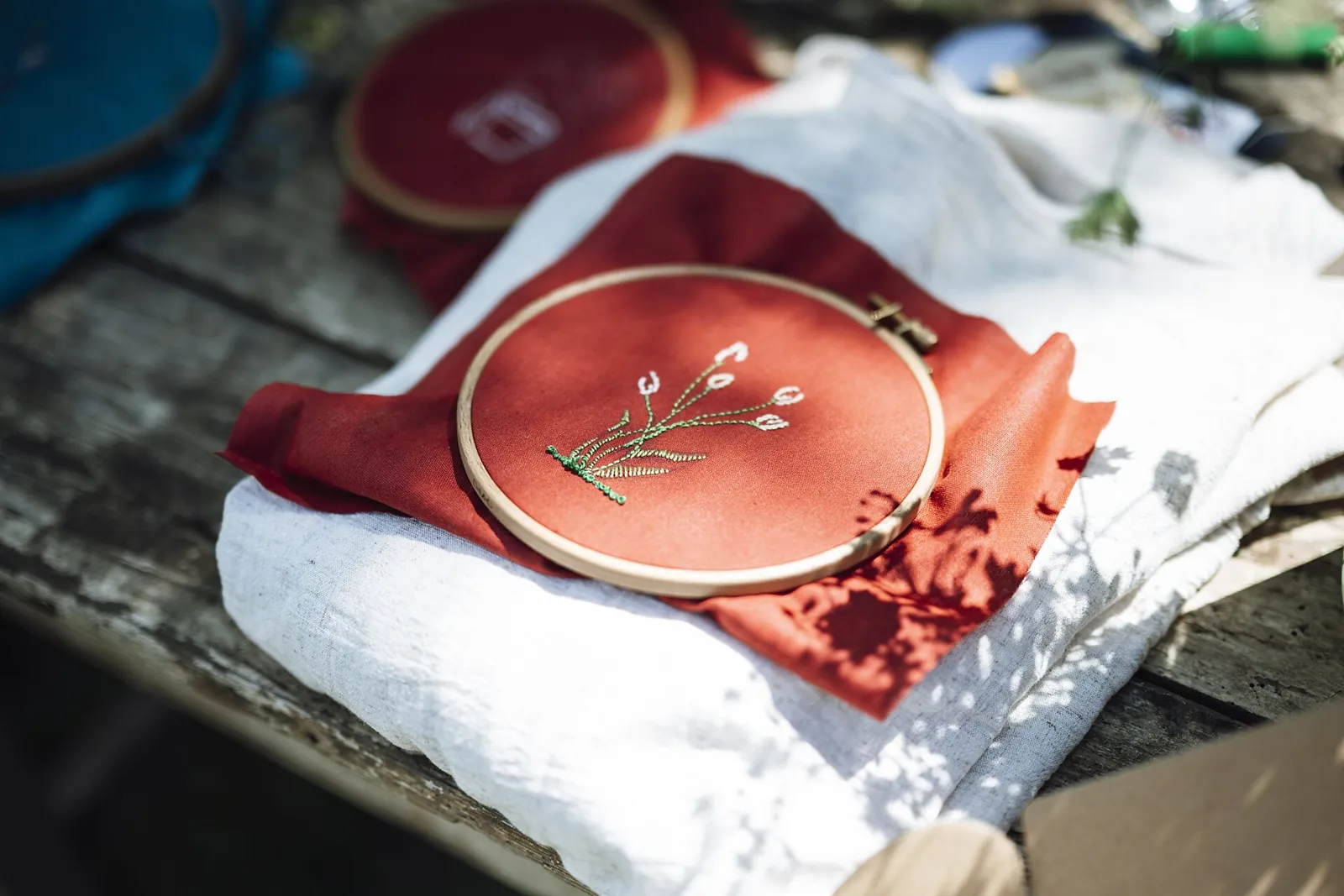
Image credits. Top image: Embroidered fabric rests on a wooden table with tools beside it during a craft session in a sunny outdoor setting by Shixart1985, CC BY 2.0, via Wikimedia Commons · In-article image: A Work in Progress (Hardanger Stitch) - Flickr - Anne Worner by Anne Worner, CC BY-SA 2.0, via Wikimedia Commons
Spotted something out of date or a gift that's no longer available? Tell our editors — we review every correction.