Gift etiquette in the UK: host gifts, Christmas and thank-yous
Wine or chocolates for the host, modest gifts for special occasions and a proper thank-you afterward: a practical guide to British gift etiquette.
We independently research every pick. If you buy through our links we may earn a small commission, at no extra cost to you. Affiliate disclosure.
Quick answer
In the UK, gifts are mostly kept for birthdays, Christmas and other special occasions, and they don't need to be expensive. When visiting someone's home, a bottle of wine or a box of chocolates is the usual token. Gifts are often opened in front of you. Afterward, a thank-you message or note is expected, and a handwritten one is still appreciated.
- Host gift Wine or chocolates
- Budget Modest; thought beats price
- Opening Often in front of the giver
- Afterward Say thank you, ideally in writing
What to give
British gift-giving tends to be understated. Expensive gifts aren't expected, and a present that suits the person's interests matters far more than its price. Small token gifts are common when visiting, while bigger presents are kept for birthdays, Christmas and other milestones.
Good everyday choices include:
- Wine, port or a spirit the person enjoys.
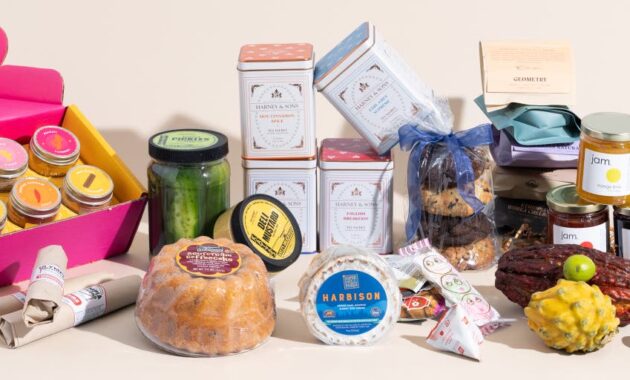
- Chocolates, biscuits or other treats from a good shop.
- Something linked to a hobby, such as gardening, cooking, reading or their football or rugby team.
- A book you think they'd genuinely enjoy.
Keep jokey or novelty gifts for people you know well. See our food gifts and personalized gifts guides for more ideas.
Visiting a British home
- Bring a small gift. Wine or chocolates are customary. For a longer stay, such as a weekend, bring something more substantial.
- Don't expect to drink the wine you bring. It's a gift to the host, who may save it for later.
- Wrap food and wine so it feels like a present rather than a contribution to the meal.
- Arrange visits in advance and don't bring extra people without checking.
- Timing: don't arrive early. Ten to fifteen minutes late is usually fine for a small gathering at home, but be on time for restaurants.
- Offer to bring something if you like, but keep it simple, such as mince pies or biscuits at Christmas, rather than a dish that competes with the host's cooking.
- Don't re-gift obviously unwanted items, such as last year's hamper.
- Don't post photos of gifts you've received online without thinking about who might see them.
- Don't give sweets to someone else's children without checking with the parents first.
Host gift ideas that work
A bottle of wine or port
Why it works: The classic British host gift, and port is a traditional favorite at Christmas.
Skip it if: your hosts don't drink; chocolates are equally customary.
Good chocolates or biscuits
Why it works: Easy to share, suits every age and is universally recognized as a polite token.
Skip it if: you know of allergies or dietary restrictions in the household.
A plant or flowers
Why it works: A potted plant avoids the host having to hunt for a vase mid-party, and suits keen gardeners.
Skip it if: the host travels a lot or has pets that might be sensitive to certain plants.
A hobby-related treat for a weekend stay
Why it works: A longer stay calls for something more substantial, and a gift tied to their interests shows you've paid attention.
Skip it if: it's a novelty item they will have to find space for.

Christmas and other occasions
Christmas is the biggest gift-giving season. A few British traditions worth knowing:
- Christmas crackers are pulled at the Christmas meal; each holds a small toy, a joke and a paper crown.
- Boxing Day (December 26) is a public holiday. Historically it was when employers gave servants and tradespeople a gift, food or drink.
- Father Christmas is the British name for Santa Claus.
Birthdays are the other main occasion for gifts, usually among family and close friends. For ideas by recipient, see our Christmas gift guides and birthday gifts.
Saying thank you
Thanks matter. A handwritten note remains the gold standard after a dinner, stay or gift, but Debrett's, the British etiquette authority, says a digital message is better than no thanks at all. Our thank-you guides can help with wording.
Business gifts
Gifts are not a big part of British business culture. Hospitality, such as a lunch, is more common than presents, and small seasonal gifts like a card or a box of chocolates for a team are the norm. UK anti-bribery law does not ban genuine, reasonable hospitality, but lavish entertainment, travel or gifts, especially while a deal is being decided, can raise red flags. Most companies have a written gifts and hospitality policy; follow yours and the recipient's. When a gift isn't appropriate, a well-written thank-you card after a meeting or a finished project is always welcome.
Frequently asked questions
What should I bring to a dinner party in the UK?
A bottle of wine or a box of chocolates is customary. Wrap it, and don't expect the wine to be served that evening.
Do British people open gifts in front of you?
Often, yes, either right away or later alongside other presents.
Is a thank-you note still expected in the UK?
Yes. A handwritten note is ideal, but a message by text or email is far better than nothing.
Are expensive gifts appropriate in Britain?
Usually not. Expensive gifts aren't expected; a gift that suits the person's interests is valued more.
Sources
- Cultural Atlas — British Culture: Etiquette. theculturalatlas.org
- HELLO! — Debrett's Christmas party etiquette: 10 ways to be the perfect guest. hellomagazine.com
- PBS Masterpiece — British Christmas Traditions that Might Surprise You. pbs.org
- Pinsent Masons Out-Law — Corporate hospitality must be reasonable and proportionate says SFO. pinsentmasons.com
Spotted something out of date or a gift that's no longer available? Tell our editors — we review every correction.


