Gift Etiquette in Timor-Leste: Tais, Food Gifts and Christmas
In Timor-Leste, gifts are usually simple: food, local handicrafts and the handwoven tais. Here is what to give, how to visit a home, and how Christmas and weddings shape gifting.
We independently research every pick. If you buy through our links we may earn a small commission, at no extra cost to you. Affiliate disclosure.
Quick answer
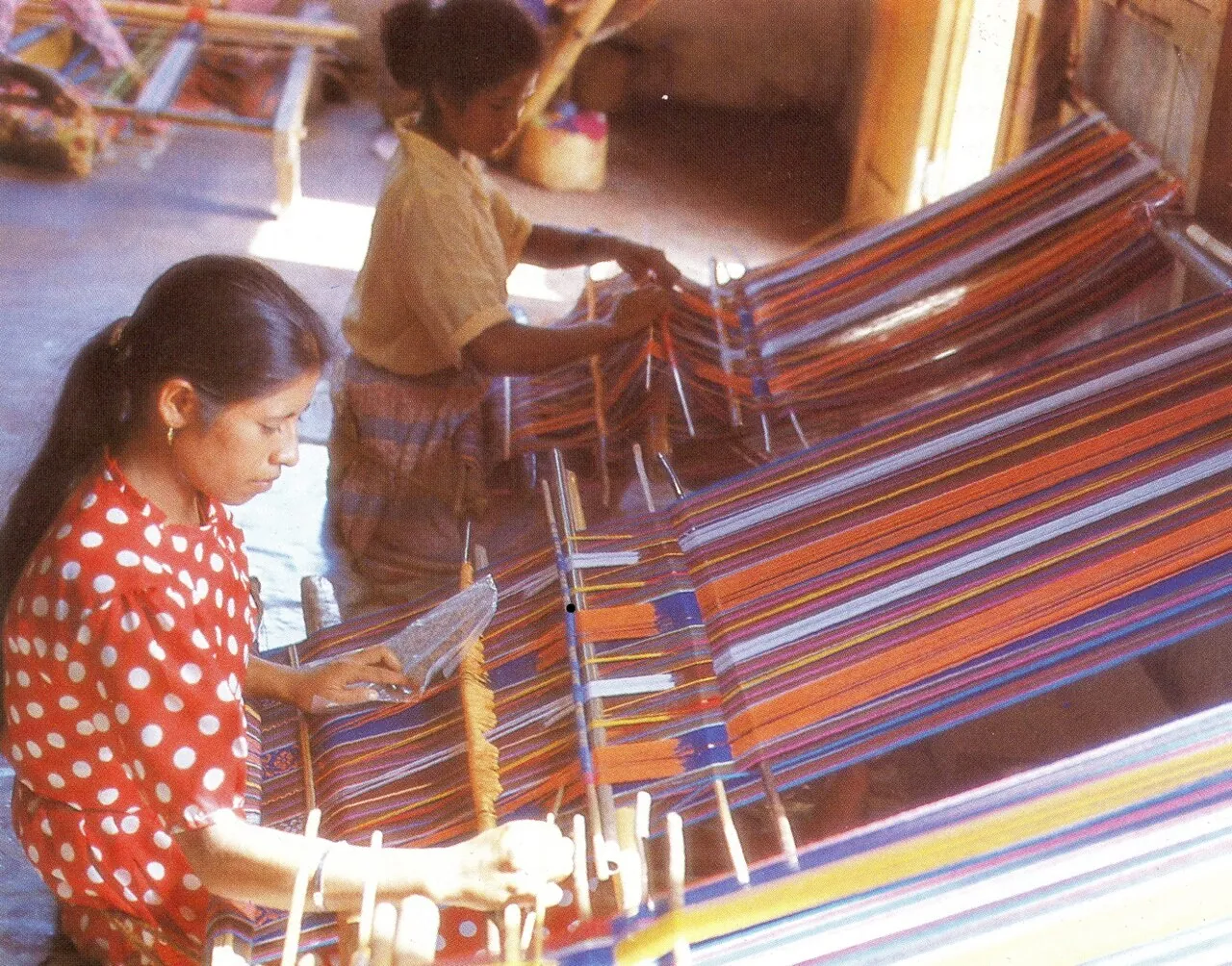
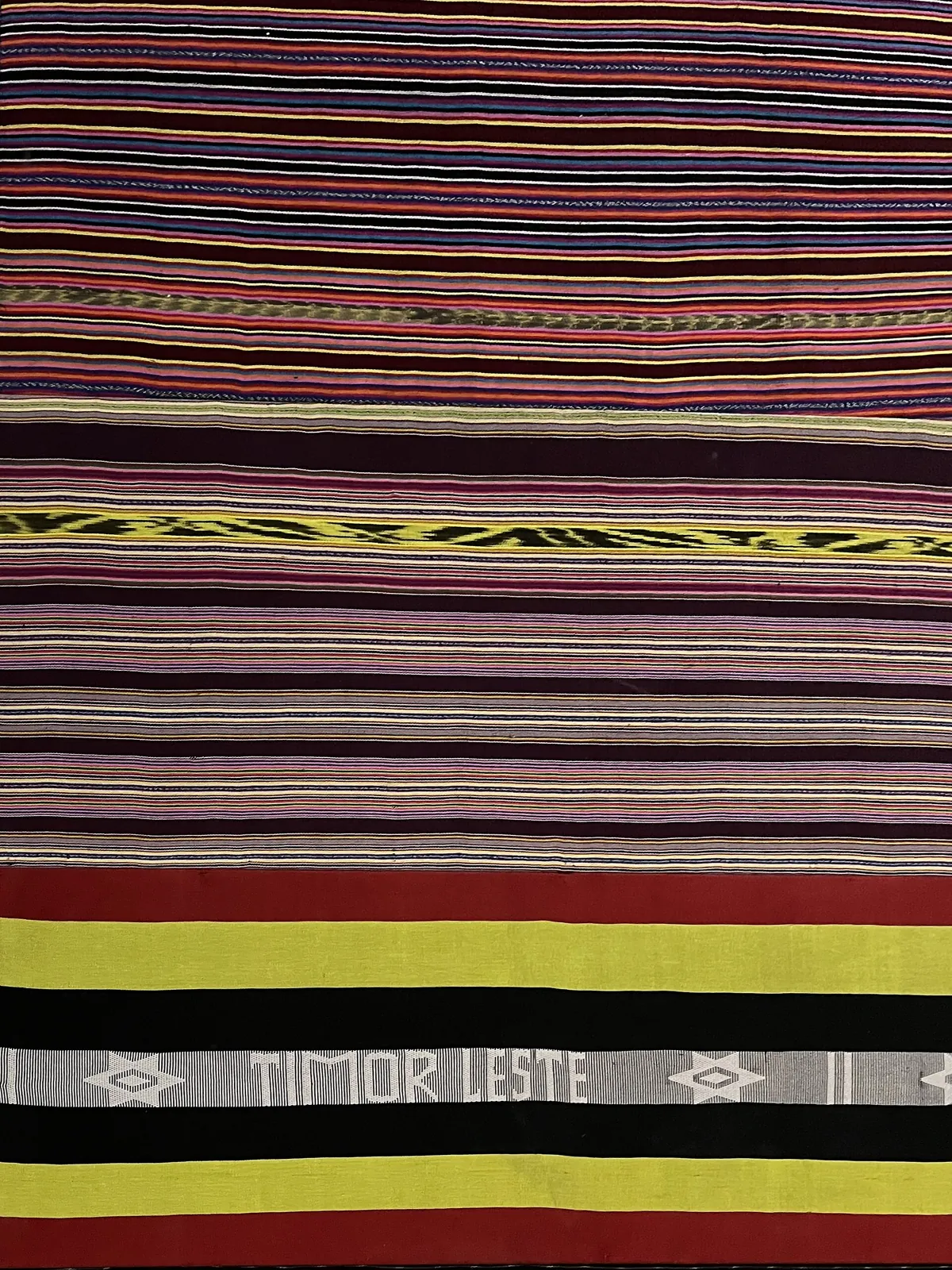
Gifts in Timor-Leste are usually modest: food products and local handicrafts are the most common. The most meaningful gift is a tais, a colorful handwoven textile that is often draped around the recipient's neck. Give with your right hand or both hands. Visitors to a home are not normally expected to bring a gift, though food or produce is welcome. Accept the tea or coffee you are offered. Almost all East Timorese are Christian, mostly Catholic, so Christmas and New Year are the main gift-giving season, along with birthdays and weddings.
- Typical gift $10 – $40
- Hands Right hand or both hands
- Signature gift Tais, a handwoven textile
- Main gift season Christmas and New Year
What to give
Family in Timor-Leste usually means a large network that can include distant relatives, neighbors and friends, and people are expected to support each other. Gifts follow that spirit: practical, shared and modest rather than lavish.
For a host
Visits are rarely planned except for big occasions, and guests are not normally expected to bring a gift. Some visitors bring food or produce, which is always welcome. Remove your shoes before entering a room, and accept the tea or coffee and light snack your host offers; refusing is seen as impolite, though you do not have to finish it. Sincere praise for the home and the hospitality helps build rapport.
For friends, in-laws and coworkers
Birthdays and weddings are the usual occasions for personal gifts. Marriage is seen as joining two families, so a gift for the household fits better than something for one person. For coworkers, food to share among staff is common, especially at Christmas and New Year.
Food to share
Why it works: Food products are the most common gift, both at home and in the office, and suit large families.
Skip it if: it needs refrigeration you are not sure the household has.
A local handicraft
Why it works: Handicrafts are a common gift and show care without extravagance.
Skip it if: it is a cheap imported trinket; quality and meaning matter more than price.
A tais textile
Why it works: Tais is the traditional honor gift, often draped around the recipient's neck, and can be worn or used to decorate a home.
Skip it if: you are giving to an East Timorese host who has just given you one; respond with warm thanks rather than a matching gift.
Something from your home country
Why it works: A small regional specialty or a book of photographs is a friendly gift for colleagues or a host family.
Skip it if: it is so expensive that it could look like an attempt to win favor.
Find more ideas in our food gifts.
What to avoid
- Passing a gift with your left hand alone. Gifts are rarely given with only the left hand.
- Refusing refreshments. Turning down tea or coffee is seen as impolite; accept and leave some if you like.
- Rushing a visit. Ending a social interaction early can come across as rude.
- Heavy drinking. Excessive drunkenness is generally frowned upon, particularly for women, so think carefully before giving alcohol.
- Wearing a hat in church. Remove hats or caps when entering.
- Holding eye contact with seniors. Looking down or away is a sign of respect toward people with more seniority.
How to give and receive
- Use your right hand or both hands. This is the usual way to give a gift.
- Acknowledge every gift. When you receive something, thank the giver and show appreciation.
- Let a tais be draped on you. If you are honored with one, accept it graciously; it may be placed around your neck.
- Decline betel politely if you wish. Hosts may offer the ingredients for betel chewing. It is acceptable to say no, and spitting the red juice in public is common.
- Wait to be invited to eat. Guests are often encouraged to serve themselves first; at a meeting, wait until your counterpart invites you to begin.
Holidays and occasions
Christmas and New Year
About 98 percent of East Timorese are Catholic, and Christmas, Easter and celebrations of the Virgin Mary are major national events. Gifts are exchanged during the Christmas and New Year season, often as food shared among family or office staff.
Birthdays and baptisms
Birthdays are a common gift occasion. Baptisms are among the occasions when families most often attend church, and a small gift for the child or household is a kind gesture.
Weddings
Marriage joins two families. A traditional ceremony led by a local authority figure, the lia-na'in, may come months or years before a church wedding. In some marriages the groom's family pays a bride price, or barlake, which can include money, livestock and other goods, and the bride's family returns smaller symbolic gifts. As a guest, ask a mutual friend what gift is appropriate.
Funerals and life events
Relatives living abroad often return home for customary rituals marking births and deaths. Visits for funerals are among the few that are planned in advance.
Business gifting
Relationships are central to East Timorese business, and people prefer to work with those they know and trust. Book meetings in advance, confirm the day before, start with social conversation, and accept some of the refreshments offered. Address people as Senhor or Senhora with their first name, or by a professional title.
Gift exchange is common at Christmas and New Year, often as food products shared among staff, and a tais is a common honor gift. Keep business gifts modest, avoid anything that could look like an inducement, and follow anti-bribery rules and your counterpart's policies. Our business gifts guide has more general advice.
Frequently asked questions
What is a tais?
A colorful handwoven textile, also called salendang, often given as an honor gift and draped around the recipient's neck. It can be worn or used as decoration.
Do I need to bring a gift when visiting a home in Timor-Leste?
Not normally. Some visitors bring food or produce, which is welcome, but a gift is not expected for an ordinary visit.
Is it rude to refuse betel nut?
No. It is acceptable to decline an offer of betel ingredients politely.
When are gifts exchanged in Timor-Leste?
Mainly at birthdays, weddings and during the Christmas and New Year season.
How should I give a gift?
With your right hand or both hands, and with a warm word of thanks for the relationship.
Compare customs with our guides to Indonesia and Portugal, or browse all country guides.
Sources
- The Cultural Atlas — East Timorese Culture: Etiquette. theculturalatlas.org
- The Cultural Atlas — East Timorese Culture: Business Culture. theculturalatlas.org
- The Cultural Atlas — East Timorese Culture: Religion. theculturalatlas.org
- The Cultural Atlas — East Timorese Culture: Family. theculturalatlas.org
Image credits. Top image: Tais weaving in Lospalos, East Timor by Department of Information, Republic of Indonesia, Public domain, via Wikimedia Commons · In-article image: Tais weaving from Timor Leste by Rahmaziz, CC BY 4.0, via Wikimedia Commons
Spotted something out of date or a gift that's no longer available? Tell our editors — we review every correction.




