Gift Etiquette in Madagascar: Host Gifts, Fady and Holidays
In Madagascar, a modest shared gift and respect for local fady matter far more than price. Here is what to bring, what to avoid and how gifts work at holidays and in business.
We independently research every pick. If you buy through our links we may earn a small commission, at no extra cost to you. Affiliate disclosure.
Quick answer
In Madagascar, a modest gift that can be shared, such as sweets, fruit, good coffee or something typical of your home country, is a kind gesture when you visit a home. Do not hand your hosts cash as a thank-you: in Malagasy custom it is considered fady (taboo) for guests to offer money to their hosts. Because fady differ from region to region and even family to family, the most respectful thing you can do is ask your host or guide what is fady before you act.
- Host gift Sweets, fruit, coffee or a small item from home
- Biggest rule Respect local fady; ask when unsure
- Avoid Cash for hosts, showy or expensive gifts
- Big gift times Christmas, New Year, family ceremonies
Madagascar's culture blends Southeast Asian and African roots, and respect for the ancestors (razana) runs through daily life. Most Malagasy today are Christian, according to Pew Research Center figures cited on Wikipedia, but many families combine church with ancestral customs, and there is a small Muslim minority. Rice is the center of almost every meal, and elders are traditionally served first. Customs in Antananarivo can differ a lot from those in a coastal or rural village, so treat the tips below as a starting point.
What to give
Gift giving in Madagascar is usually low-key. What matters is showing respect for the household and its elders rather than the price of the gift.
For a host
Something edible that the family can share is the easiest choice: a box of sweets or biscuits, fresh fruit, or a bag of good coffee or tea. A small specialty from your own country also makes a good talking point. Keep it modest; a lavish gift can make a host feel obliged to reciprocate.
For friends, in-laws and families with children
For people you know well, practical household items, books or a quality version of something they use every day are thoughtful. At Christmas, parents in many families give children new clothes, so clothing for a child (in the right size) fits local habits. School supplies are another useful option for families with children.
Sweets, biscuits or fruit to share
Why it works: Food is shared with the whole household, so it honors everyone at the table, including elders.
Skip it if: you know of a family food fady; some families or groups avoid certain foods, such as pork, so ask first.
A specialty from your home country
Why it works: It is personal, easy to carry and gives you something to talk about with your hosts.
Skip it if: it is fragile, expensive or needs explaining in a language your hosts don't share.
Clothing or school supplies for children
Why it works: New clothes for children are a common Christmas gift from Malagasy parents, and school supplies are always useful.
Skip it if: you don't know the children's ages or sizes; a shared treat is safer.
A well-made household item
Why it works: Practical gifts suit close friends and in-laws and are used long after the visit.
Skip it if: it is a novelty gadget or depends on reliable electricity.
For more ideas that pack well, see our food gifts guide.
What to avoid
- Offering money to your hosts. It is considered fady for guests to give money to the people hosting them. If you want to thank a family, bring a shared gift or food instead.
- Ignoring local fady. Taboos can cover foods, actions, places and days, and they vary by region, village and family. Breaking one, even by accident, can upset people because it is believed to disturb the relationship with the ancestors. Ask "what is fady here?" before you arrive.
- Assuming food is always welcome. Food fady are often passed down in families and ethnic groups; for example, the Sakalava have generally avoided pork and eel. Check before bringing meat dishes.
- Pointing at tombs or treating them casually. Pointing at a tomb is fady, and family tombs are sacred places. Don't visit burial sites without a local guide or your host.
- Commenting negatively on a newborn. Calling a baby ugly, even jokingly, is fady. Keep remarks about babies warm and simple.
- Showy or expensive presents. A costly gift can embarrass your hosts. Modest and thoughtful is the safer choice.
How to give and receive
- Ask about fady first. Your host or guide is the best source on what is acceptable in that particular home or village. Observing fady, whether or not you understand them, is a sign of respect.
- Greet elders first. Children are raised to respect their elders and ancestral customs (fomba), and older men are traditionally served first at meals. Give your gift to the senior person in the household or to your host.
- Hand gifts over politely. Offer the gift with both hands or your right hand; it is a respectful habit across much of the region and never causes offense.
- Keep wrapping simple. Elaborate wrapping isn't expected. A clean bag or plain paper is fine; see our gift wrapping ideas for low-key options.
- In villages, meet the leaders first. For longer stays in rural areas, ask whether you should introduce yourself to the local fokontany head and to the village elders (ray aman-dreny) before anything else.
- Accept food graciously. Rice is served at nearly every meal, and sharing a meal is a sign of welcome. Try what you are offered unless a dietary need prevents it.
Holidays and occasions
Christmas (December 25)
For Madagascar's Christian majority, Christmas centers on church and family. Families go to a Christmas Eve service, greet each other at midnight, and share a better-than-usual meal on Christmas Day. Relatives visit one another, and parents often give children gifts, especially new clothes. Many families can't afford store-bought presents and make gifts or go without, so modest gifts are the norm. Browse our Christmas guides for ideas.
New Year and Alahamady Be
January 1 is a public holiday. Madagascar also has a traditional New Year, Alahamady Be, which follows the Malagasy lunar calendar, so its date varies. In March 2026 it was celebrated publicly in Antananarivo with rituals honoring the ancestors, music and dancing, the sharing of tatao (rice cooked in milk and topped with honey, a symbol of abundance) and a solemn blessing called tsodrano.
Independence Day (June 26) and other public holidays
Independence Day is the main national celebration. Martyrs' Day (March 29) commemorates the 1947 uprising against French rule. Christian holidays including Easter Monday, Ascension, Whit Monday, Assumption (August 15) and All Saints' Day (November 1) are public holidays; November 1 is also a day for honoring ancestors and visiting their burial places. Eid al-Fitr and Eid al-Adha are public holidays too, and their dates change each year with the Islamic lunar calendar.
Family ceremonies
Life events such as circumcisions, first haircuts and burials are major family occasions, and their dates are sometimes chosen with the help of an astrologer. In the highlands, the Merina and Betsileo hold famadihana, in which ancestors' remains are rewrapped in fresh shrouds amid feasting and music. If you are invited to a ceremony, ask your host what contribution, if any, is appropriate; food or drink for the gathering is more common than a personal present.
Business gifting
Malagasy is the national language and French is the main language of business and administration; English is not widely spoken outside the capital and larger towns. Business dress is conservative, and meetings often take place over coffee or a meal, with cocktail receptions popular for networking.
Gifts are not required in business. If you give one, keep it modest: a quality item from your home country or something the team can share. Avoid anything that could look like an inducement, especially to government officials. Anti-bribery laws in Madagascar and in many home countries can apply to gifts and hospitality, and many companies set their own value limits, so check both sides' policies first. Our business gifts section has general guidance.
Frequently asked questions
What should I bring to a Malagasy host?
Something modest that the household can share, such as sweets, fruit or coffee, or a small item from your home country. Avoid giving your hosts money, which is considered fady.
What is fady in Madagascar?
Fady are traditional taboos linked to respect for the ancestors. They cover foods, actions, places and days, and they vary by region, village and family. Ask your host or guide what applies where you are.
Can I bring alcohol as a gift?
Rum plays a role in some ancestral rituals, but attitudes vary between families, and Muslim households do not drink. Bring alcohol only if you know your hosts welcome it; food to share is a safer default.
Do Malagasy families exchange Christmas gifts?
Many do, but on a small scale. Christmas is mainly about church, family visits and a special meal, and parents often give children new clothes.
What should I give at a business meeting in Madagascar?
Nothing is required. A modest, quality item from your home country is fine once a relationship is established; avoid valuable gifts to officials.
Traveling further in the region? See our guides to Mauritius and Mozambique, or browse all country etiquette guides.
Sources
- Wikipedia — Fady (taboo). en.wikipedia.org
- Wikipedia — Culture of Madagascar. en.wikipedia.org
- Countries and Their Cultures — Madagascar. everyculture.com
- The Church of Jesus Christ of Latter-day Saints, Africa South — Christmas in Madagascar. africasouth.churchofjesuschrist.org
- Africanews — Crowds flock to Antananarivo as Madagascar restores its pre-colonial new year. africanews.com
- International Trade Administration — Madagascar: Business Travel. trade.gov
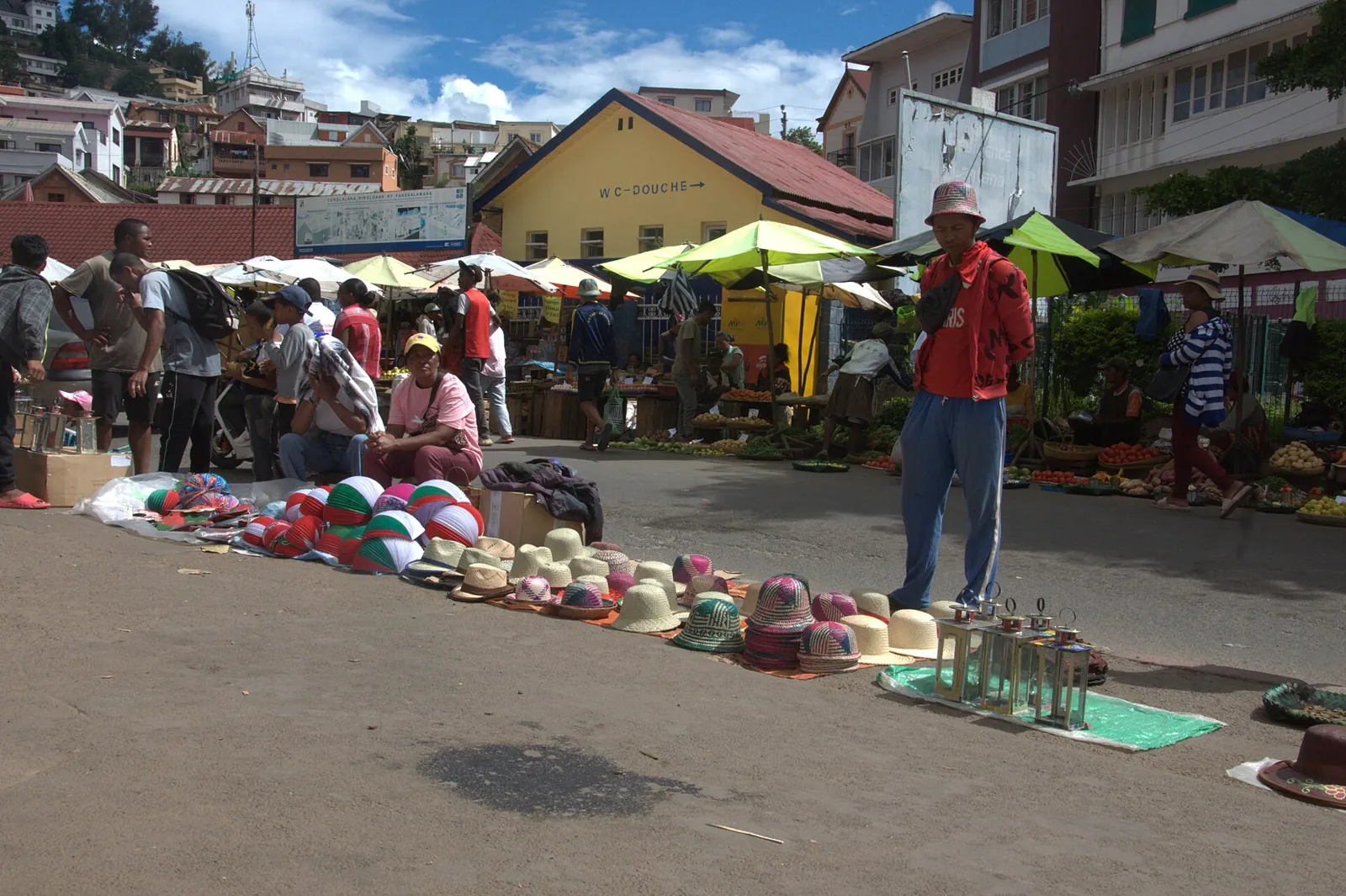
Image credits. Top image: Antananarivo Market by Hopeandlink, CC BY-SA 4.0, via Wikimedia Commons
Spotted something out of date or a gift that's no longer available? Tell our editors — we review every correction.



