Gift Etiquette in Haiti: Visits, Holidays and Thoughtful Gifts
In Haitian homes, greetings, coffee and sharing come first. Here is what to bring, which customs to know and how the holidays work, at home or in the diaspora.
We independently research every pick. If you buy through our links we may earn a small commission, at no extra cost to you. Affiliate disclosure.
Quick answer
Haitian etiquette puts great weight on greetings, respect and sharing. When you visit, greet everyone, accept the coffee you're offered and announce when you're leaving. A modest food gift or something useful for the household is a thoughtful choice. Key family occasions include Christmas Eve, New Year's Day (also Independence Day, when families eat soup joumou), baptisms and first communions, and Mother's Day on the last Sunday of May.
- Host gift Sweets, pastries, something useful for the household
- Etiquette basics Greet everyone, accept coffee, say goodbye
- Big days Christmas Eve, January 1
- Mother's Day Last Sunday of May
These customs apply in Haiti and in many Haitian families abroad. If you plan to travel to Haiti, follow your government's current travel advice.
What to give
Hospitality in Haiti is expressed through coffee, food and conversation, and sharing is taught early: a child given fruit or bread is expected to break it and share it with other children. A gift fits that spirit when it can be shared or used by the whole household.
For a host
A box of pastries or chocolates, a cake, or a food specialty from your home region is a modest, easy choice. Useful household items are another sensible option. Keep it simple; the visit itself and your good manners matter most.
For family occasions
Baptisms, first communions and weddings are major celebrations, often with cake, colas and sweet rum drinks such as kremas, a creamy spiced drink made with condensed milk. Godparents (parenn and marenn) play an important role, and godparent and parent call each other konpè or komè. For these events, clothing for the child, a religious keepsake or a cash gift in a card are sensible, practical choices.
Pastries, cake or chocolates
Why it works: Easy to share with the whole household, in keeping with the value placed on sharing.
Skip it if: you're bringing something for a celebration where the hosts have planned the cake.
Something useful for the household
Why it works: Practical gifts, such as kitchen items or linens, are thoughtful and used every day.
Skip it if: you don't know the family's needs; a food gift is safer.
A baptism or first communion gift
Why it works: These are major family milestones; clothing, a religious keepsake or money in a card suits them.
Skip it if: the family is Protestant and doesn't mark first communion.
Flowers or a gift for Mother's Day
Why it works: Haiti celebrates on the last Sunday of May, a week or more after the US date.
Skip it if: you've already celebrated on the US date with a Haitian-American family that follows it.
What to avoid
- Leaving without saying goodbye. Failing to announce your departure is considered rude.
- Refusing coffee without an apology. Visitors traditionally don't leave without drinking coffee, or at least not without apologizing for declining.
- Rushing greetings. Greetings are very important, especially in rural areas, and people may greet each other more than once before getting to the point.
- Pointing at people. It is considered rude.
- Assuming religious practice. Most Haitians are Catholic or Protestant, and many also serve the lwa (Vodou spirits). Choose neutral gifts unless you know the family's faith.
How to give and receive
- Announce yourself. In rural areas, a visitor entering a yard calls out "onè" (honor) and the host answers "respè" (respect).
- Greet everyone. Men shake hands on meeting and parting; men and women, and women with each other, usually kiss on the cheek.
- Say "eskize-m" (excuse me) when you step into someone's space.
- Dress neatly and sit modestly. Modest posture is expected, particularly for women.
- Wrap neatly. See our gift wrapping ideas.
Holidays and occasions
Christmas Eve (December 24)
Many Catholic families mark Christmas Eve with a more elaborate meal than usual, and kremas is a popular drink of the season. A cake, pastries or small gifts for the children are good contributions if you're invited. Browse our Christmas guides for more.
New Year's Day and Independence Day (January 1)
Haiti became independent from France on January 1, 1804, and families celebrate by eating soup joumou, a pumpkin soup that symbolizes freedom, throughout the day and into January 2, Ancestry Day. UNESCO added soup joumou to its Representative List of the Intangible Cultural Heritage of Humanity in 2021. If you're invited to share it, bringing bread, a dessert or drinks is a kind gesture.
Kanaval
Carnival, before Lent, is the most festive time of the year, with music, floats and street dancing; the date varies each year. Rara bands play in the weeks before Easter. These are celebrations rather than gift occasions.
Mother's Day (last Sunday of May)
Flowers, a family meal or a personal gift are typical; see our Mother's Day ideas. Flag Day, May 18, is another national holiday that month.
Business gifting
The weight Haitians place on greetings carries into professional settings, so greet people properly and allow time for conversation. If you give a gift, keep it modest, such as a quality item from your home country or company, and avoid anything that could look like an attempt to influence a decision. Anti-bribery laws in Haiti and in your home country may apply to gifts and hospitality, especially where public officials are involved. Our business gifts section has general guidance.
Frequently asked questions
What should I bring when visiting a Haitian home?
A modest food gift such as pastries or chocolates, or something useful for the household. Accept the coffee you're offered and say goodbye properly when you leave.
What is soup joumou?
A pumpkin soup eaten on January 1 to celebrate Haiti's independence in 1804. UNESCO recognized it as intangible cultural heritage in 2021.
When is Mother's Day in Haiti?
On the last Sunday of May.
What does "onè, respè" mean?
"Honor" and "respect": the call a visitor makes when entering a yard and the host's reply, a traditional rural greeting.
Exploring the Caribbean? See our guides to the Dominican Republic, Jamaica and Cuba, or browse all country guides.
Sources
- Countries and Their Cultures — Culture of Haiti. everyculture.com
- Wikipedia — Culture of Haiti. en.wikipedia.org
- Wikipedia — Soup joumou. en.wikipedia.org
- Wikipedia — Kremas. en.wikipedia.org
- Wikipedia — Mother's Day (dates by country). en.wikipedia.org
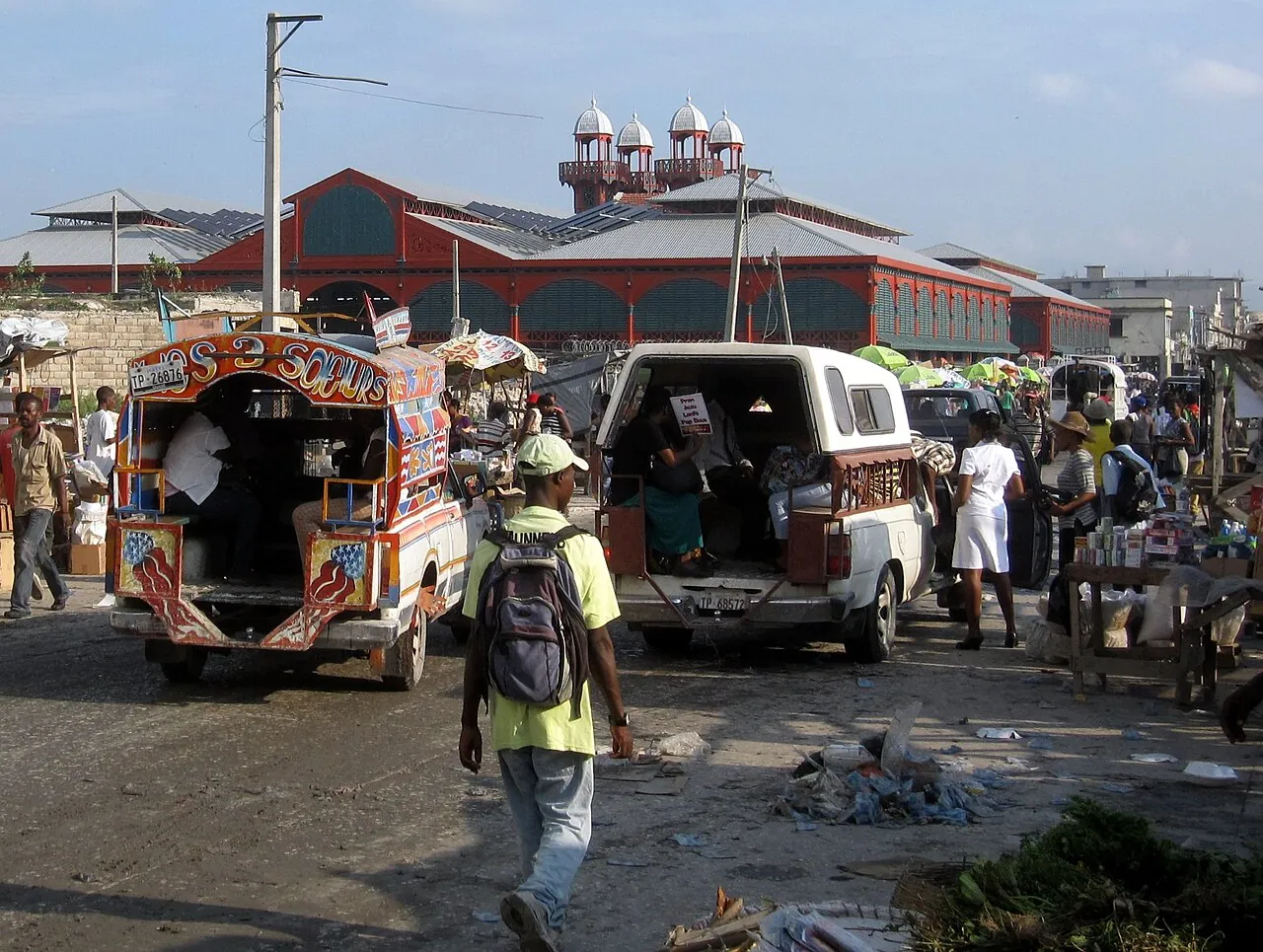
Image credits. Top image: Haiti market (8070542936) by Stefan Krasowski from New York, NY, USA, CC BY 2.0, via Wikimedia Commons
Spotted something out of date or a gift that's no longer available? Tell our editors — we review every correction.



