Gift etiquette in Cuba: practical gifts, hosts and holidays
Toiletries, school supplies and clothing often mean more than flowers in Cuba. Here is how to choose and give gifts to hosts and friends.
We independently research every pick. If you buy through our links we may earn a small commission, at no extra cost to you. Affiliate disclosure.
Quick answer
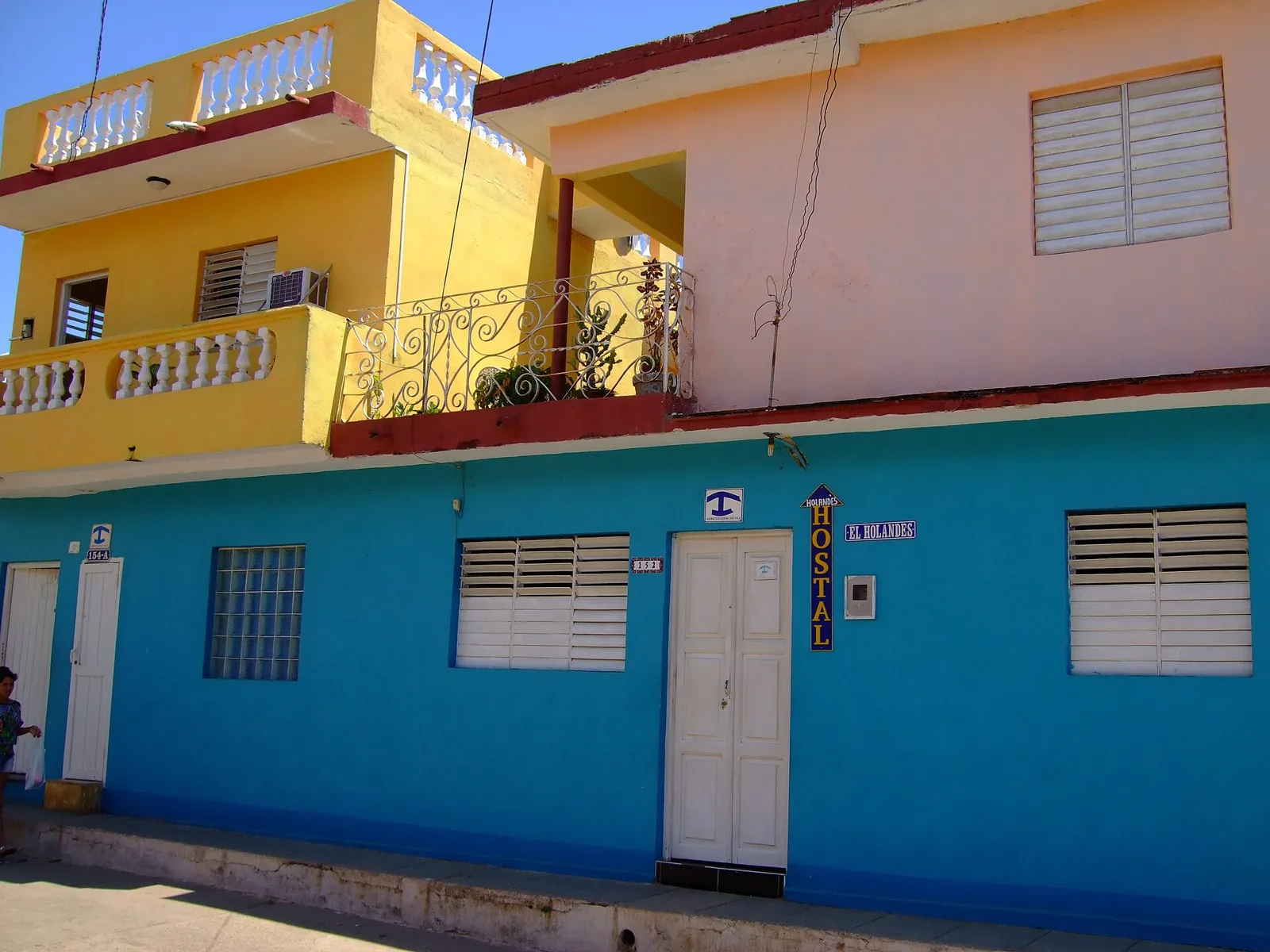
In Cuba, the most appreciated gifts are often practical. Many everyday goods are hard to find or expensive, so if you're staying in a casa particular or visiting a family, useful items such as toiletries, clothes, towels, school supplies or over-the-counter medicines can mean more than wine or flowers. Ask your host or tour company what would help most. Christmas Eve (Nochebuena) is the big family meal, and Three Kings Day on January 6 is the traditional day for children's presents.
- Best host gifts Practical items: toiletries, clothing, school supplies
- Budget $10 – $50
- Big family meal Nochebuena, December 24
- Children's gifts Three Kings Day, January 6
What to give
Responsible Travel's guide to Cuba's casas particulares puts it plainly: when you bring something for your hosts, think useful rather than decorative. Many hosts are highly educated professionals, but families can still struggle to obtain basics. A practical gift, chosen with thought and given warmly, is the most meaningful gesture.
Toiletries and personal-care items
Why it works: Toiletries can be hard to buy locally; quality soap, shampoo or other everyday items are genuinely useful.
Skip it if: you haven't checked what your hosts need; ask first rather than guessing.
School supplies for the children
Why it works: Pens, pencils and exercise books are rationed and expensive, so families with school-age children appreciate them.
Skip it if: there are no children in the household; choose clothing or household items instead.
Clothing or towels
Why it works: Clothing is difficult and expensive to obtain, and good towels are always useful in a guesthouse.
Skip it if: you don't know sizes; towels or children's clothing in a range of sizes are safer.
Over-the-counter medicines
Why it works: Basic pain relievers and similar items are appreciated by many families.
Skip it if: the items are prescription-only or near expiry; check both countries' rules on carrying medicines.
Leaving behind useful things you no longer need, such as clothes or an umbrella, is also welcome. For more ideas see our eco-friendly gifts and gift ideas pages.
What to avoid
- Purely decorative gifts if you're staying with a family; a useful item is usually more appreciated than a bunch of flowers.
- Guessing. Ask your host or holiday company what's needed; needs vary from family to family.
- Pressing on politics. Wait until you know your hosts, avoid direct questions and don't ask to see ration books.
- Wasting water. Water can be scarce in some areas; use it mindfully when staying in a home.
How to give and receive
- Give simply and warmly. Hand over your gift with a few friendly words, without making a fuss about it.
- Learn a little Spanish. Even a few words help you build a personal relationship with your hosts.
- Be sociable. If you're relaxing on the terrace, invite your hosts to join you and offer them a drink.
- Keep noise down late at night, since many casas are family homes.
- Check customs rules before you pack gifts. Cuba and your home country may both have limits on what you can bring, and rules change.
Holidays and occasions
Christmas and Nochebuena
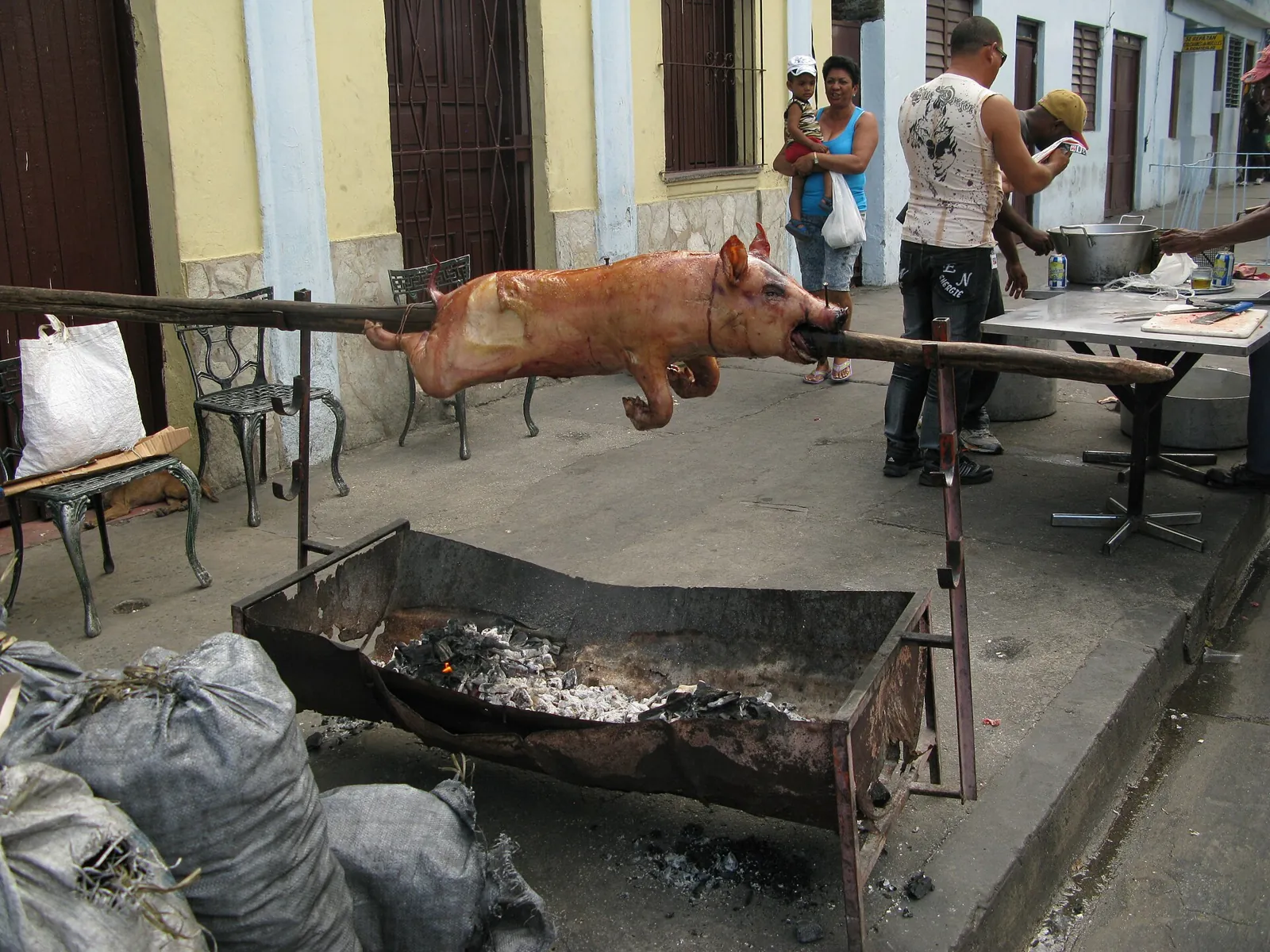
Christmas was not an official holiday in Cuba for nearly three decades and became a public holiday again in 1998. Today, Nochebuena (Christmas Eve, December 24) is the main family celebration, centered on roast pork, sometimes a whole pig, with rice, fried plantains and vegetables, followed by rice pudding or sweet potato pudding. Bringing a contribution to the meal or a treat for the table is a good way to thank your hosts. See our Christmas guides for more ideas.
Three Kings Day (January 6)
Epiphany is the traditional day for children's presents, when children hope the Three Kings will bring them gifts. Small toys, books or sweets are good choices.
Business gifting
Business with Cuba involves the state sector as well as private businesses, and rules on gifts can be strict. Keep any business gift small and symbolic, such as a book or a modest item from your company or home country, and give it openly. Follow your own organization's policy, your country's anti-bribery laws and any rules that apply to trade with Cuba from your country. When in doubt, a sincere thank-you is enough.
Frequently asked questions
What should I bring to my casa particular host in Cuba?
Practical items are usually best: toiletries, clothing, towels, school supplies for children or over-the-counter medicines. Ask your host or tour company what's needed.
Is it rude to bring flowers or wine to a Cuban home?
Not rude, but a useful item will usually be more appreciated, especially by a host family.
When do Cubans exchange gifts?
Children traditionally receive presents on Three Kings Day (January 6). Christmas Eve is the main family meal.
Should I talk about politics with my Cuban hosts?
Approach it gently and only once you know them well; avoid direct questions.
Sources
- Responsible Travel — Cuba's casas particulares. responsibletravel.com
- WhyChristmas.com — Christmas in Cuba. whychristmas.com
Image credits. Top image: AJM 080 Trinidad casa particular by Arnoud Joris Maaswinkel, CC BY-SA 4.0, via Wikimedia Commons · In-article image: LechonVictoriaDeGarzon by Rastapopulous, CC BY-SA 3.0, via Wikimedia Commons
Spotted something out of date or a gift that's no longer available? Tell our editors — we review every correction.




