Gift etiquette in Ghana: what to bring, avoid and how to give
In Ghana the thought counts more than the price. Learn what to bring, why the right hand matters, how greetings work and when gifts are exchanged.
We independently research every pick. If you buy through our links we may earn a small commission, at no extra cost to you. Affiliate disclosure.
Quick answer
Gifts in Ghana are welcome but rarely expected, and they don't need to be expensive: the thought matters more than the price. Always give and receive with your right hand or both hands, never the left alone. Greet people properly and ask after their family before anything else. Christmas is the main gift season, with many families exchanging presents at home after the Christmas morning church service.
- Safe host gift Food treat, gift from home, something for the children
- Typical budget $15 – $50
- Hands Right hand or both hands
- Main gift season Christmas
Ghana is a diverse country with many ethnic groups and languages. Christianity is the majority religion, Islam is especially important in many northern communities, and traditional beliefs continue to shape cultural life. Customs differ between cities and villages and between families, so watch what your hosts do and follow their lead.
What to give
Ghanaian gifting is about goodwill rather than price. A modest, thoughtful item given warmly is better than something lavish.
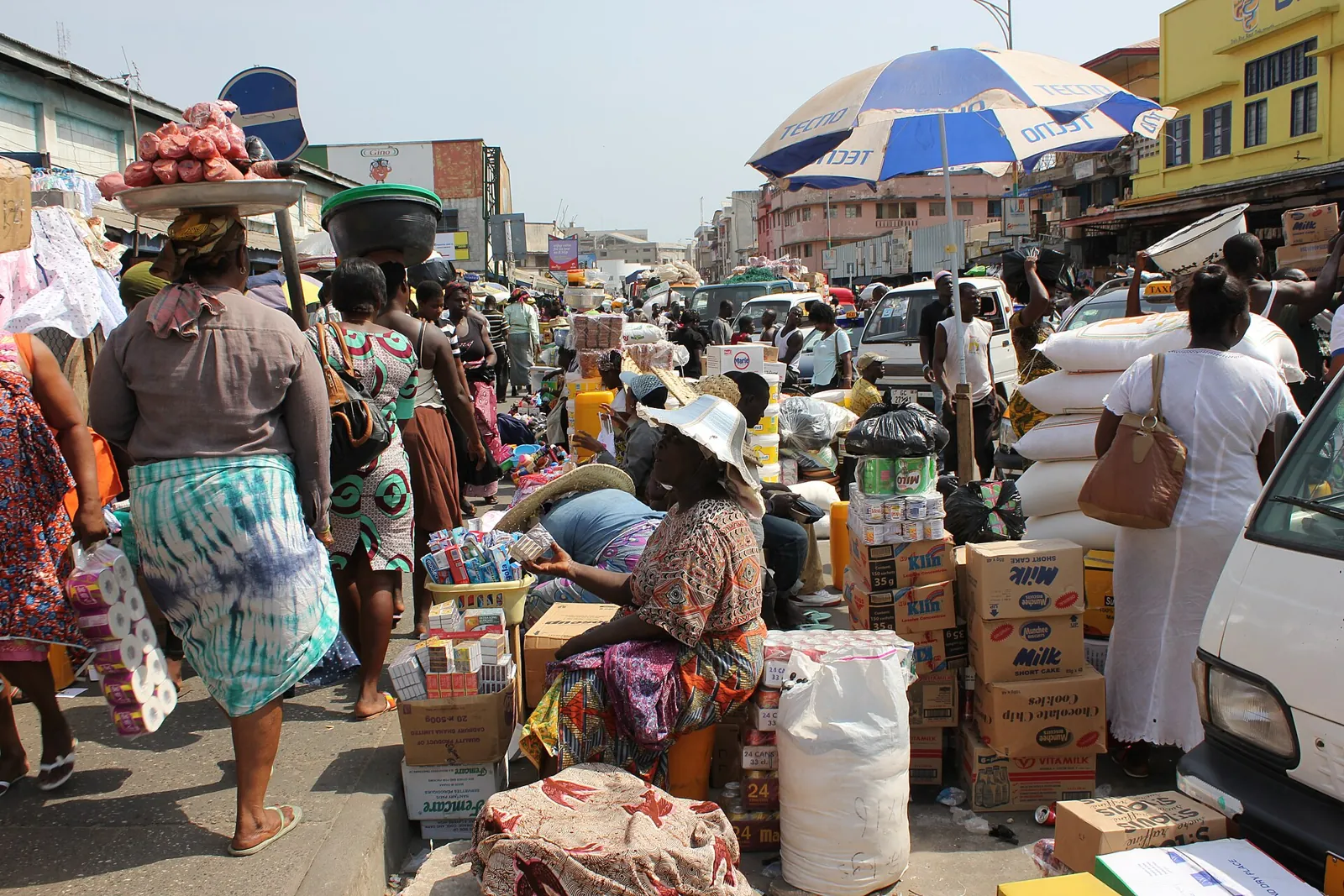
A food gift or treat to share
Why it works: Food is easy to share with a household, and a box of quality cookies, chocolates or a specialty from home suits most families. Our food gifts guide has ideas.
Skip it if: you are visiting during a Muslim family's Ramadan fast; save it for the evening meal or bring it on another visit.
Something from your home country or city
Why it works: A small craft, a book of photos or a local specialty from where you live shows effort and starts conversation.
Skip it if: it is so costly that it feels like an obligation.
Gifts for the children
Why it works: School supplies, books or small toys are appreciated by many families and are easy to give.
Skip it if: you have not met the family yet and do not know the children's ages; something shareable is simpler.
Schnapps for a village chief
Why it works: When visiting a chief in a village, a small gift is customary, and a bottle of schnapps is considered suitable.
Skip it if: the chief or community is Muslim; ask a local guide or contact what is appropriate first.
Friends, in-laws and coworkers
With close friends and in-laws, a gift for the whole household, especially the elders, is a good choice. Respect grows with age, so greet older relatives first and make sure your gift includes them. For coworkers, a shared treat is easier than individual presents.
What to avoid
- Using your left hand. The left hand is traditionally associated with the toilet. Never use it alone to give, receive or eat.
- Skipping the greeting. Getting straight to the point is considered rude. Ask after health and family first, even before a small purchase or handing over a gift.
- Alcohol for Muslim hosts. Islam is important in many northern communities, and many Muslims do not drink. Choose food or a gift from home unless you know alcohol is welcome.
- Overly expensive gifts. Gifts are welcome but not required, and an extravagant present can create awkwardness, especially in business.
- Public criticism. Avoid blunt criticism, particularly in front of others; it causes embarrassment.
How to give and receive
- Right hand or both hands for gifts, money, food and business cards.
- Greet first. Take time over greetings, and greet elders and senior people first. In villages, a chief in a formal setting is greeted before anyone else.
- Shake hands warmly. A handshake is the standard greeting. Some practicing Muslims may not shake hands with the opposite sex, so let a woman offer her hand first.
- Try the snap, but only if invited. A West African handshake may end with a snap of the middle fingers. A normal handshake is perfectly fine.
- Accept hospitality. Declining hospitality too abruptly can seem cold. Wait to be shown your seat, wash your hands if a basin is offered, and eat from the section of a shared bowl in front of you.
- Dress well when invited to a home or a formal event; it is a sign of respect.
Holidays and occasions
- Christmas (December 25) and Boxing Day (December 26). Christmas Eve services may include drumming, dancing and Nativity plays, and churches are full on Christmas Day. Many families exchange gifts at home after the morning service. See our Christmas ideas.
- New Year's Eve. Many people attend a December 31 church service to give thanks and pray for the year ahead.
- Easter. Good Friday and Easter Monday are public holidays; the dates vary each year.
- Eid al-Fitr and Eid al-Adha. Both are public holidays, and their dates move each year with the Islamic calendar.
- Farmers' Day, the first Friday in December, and Independence Day, March 6, are national holidays.
Weddings, naming ceremonies and funerals are also important family occasions. If you are invited, ask a mutual friend what is customary for that family and community.
Business gifting
Ghanaian business culture is hierarchical, and respect is tied to age, experience and position. Use titles such as Mr., Mrs., Madam or Sir, along with professional and academic titles, until invited to use first names. Dress formally for first meetings. The first meeting may be mostly about building rapport, and timekeeping is often more flexible than in North America, so leave buffer time between appointments.
Business gifts are welcome but not required, and they don't need to be expensive. A book about your region, a quality pen or a food specialty from home is plenty. Keep gifts modest and transparent, especially with government officials, and follow your company's gift policy and the anti-bribery laws that apply to you, such as the U.S. Foreign Corrupt Practices Act or the UK Bribery Act. Our business gifts guide has more low-risk ideas.
Frequently asked questions
Should I bring a gift to a Ghanaian home?
It is not strictly expected, but a modest food gift, something from your home country or a small gift for the children is a warm gesture.
Which hand should I use to give a gift in Ghana?
Your right hand or both hands. Using the left hand alone to give, receive or eat is considered rude.
When do Ghanaians exchange Christmas gifts?
Many families exchange gifts at home after the Christmas morning church service.
What gift should I bring to a village chief?
A small gift is customary when visiting a chief, and a bottle of schnapps is considered suitable. In a Muslim community, ask a local contact first.
Are expensive business gifts expected in Ghana?
No. Gifts are welcome but not required, and the thought matters more than the value.
Exploring West Africa? Compare customs with our guides to Nigeria and Côte d'Ivoire, or browse all countries.
Sources
- Commisceo Global — Ghana: Language, Culture, Customs and Etiquette. commisceo-global.com
- Expat Arrivals — Doing business in Ghana. expatarrivals.com
- Easy Track Ghana — Ghana Cultural Etiquette. easytrackghana.com
- Why Christmas — Christmas in Ghana. whychristmas.com
- Office Holidays — Public Holidays in Ghana in 2026. officeholidays.com
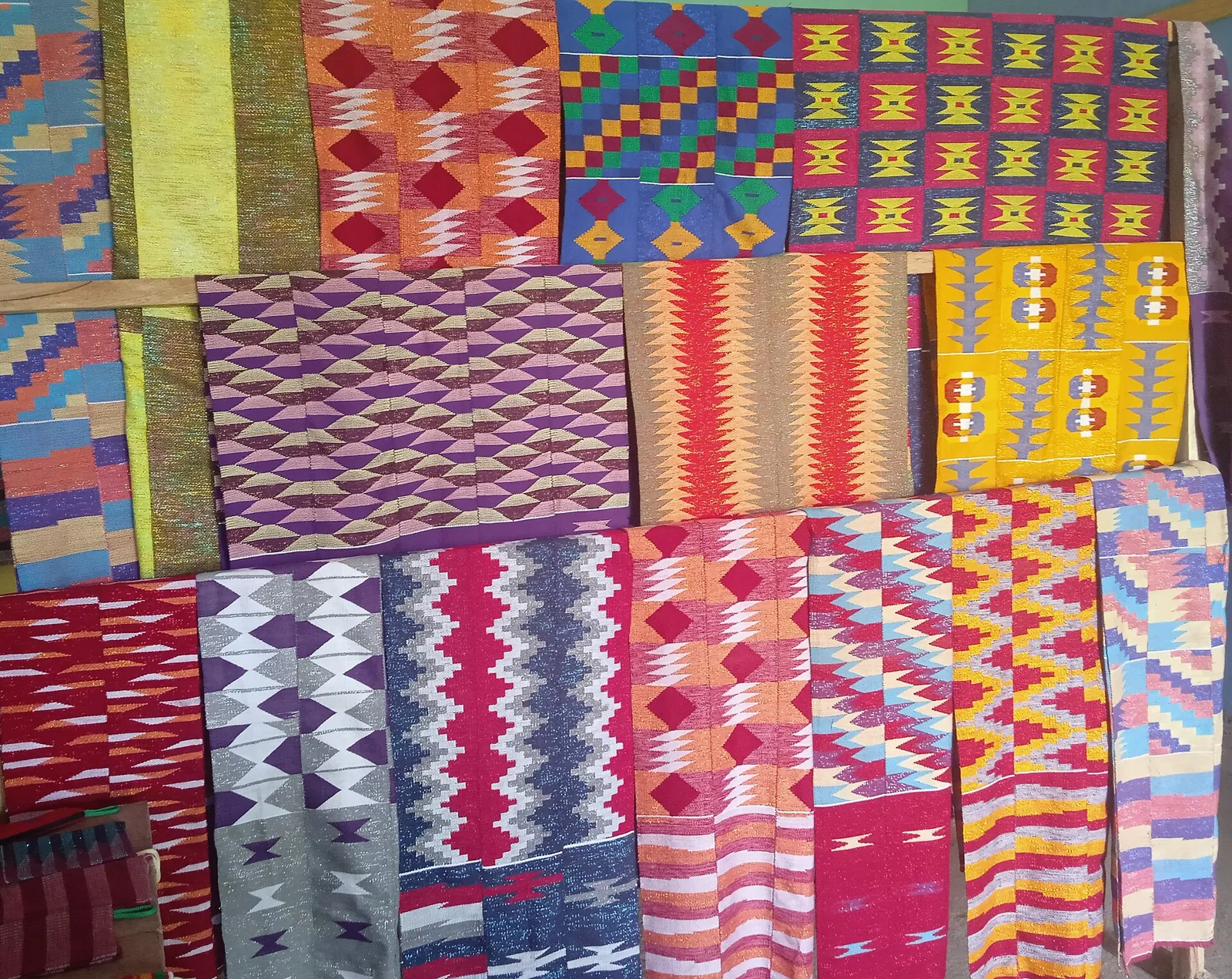
Image credits. Top image: Different Kente cloth, Tafi, Volta region by Warmglow, CC0 1.0, via Wikimedia Commons · In-article image: Street Outside Makola Market, Accra, Ghana by Benggriff, CC BY-SA 3.0, via Wikimedia Commons
Spotted something out of date or a gift that's no longer available? Tell our editors — we review every correction.




